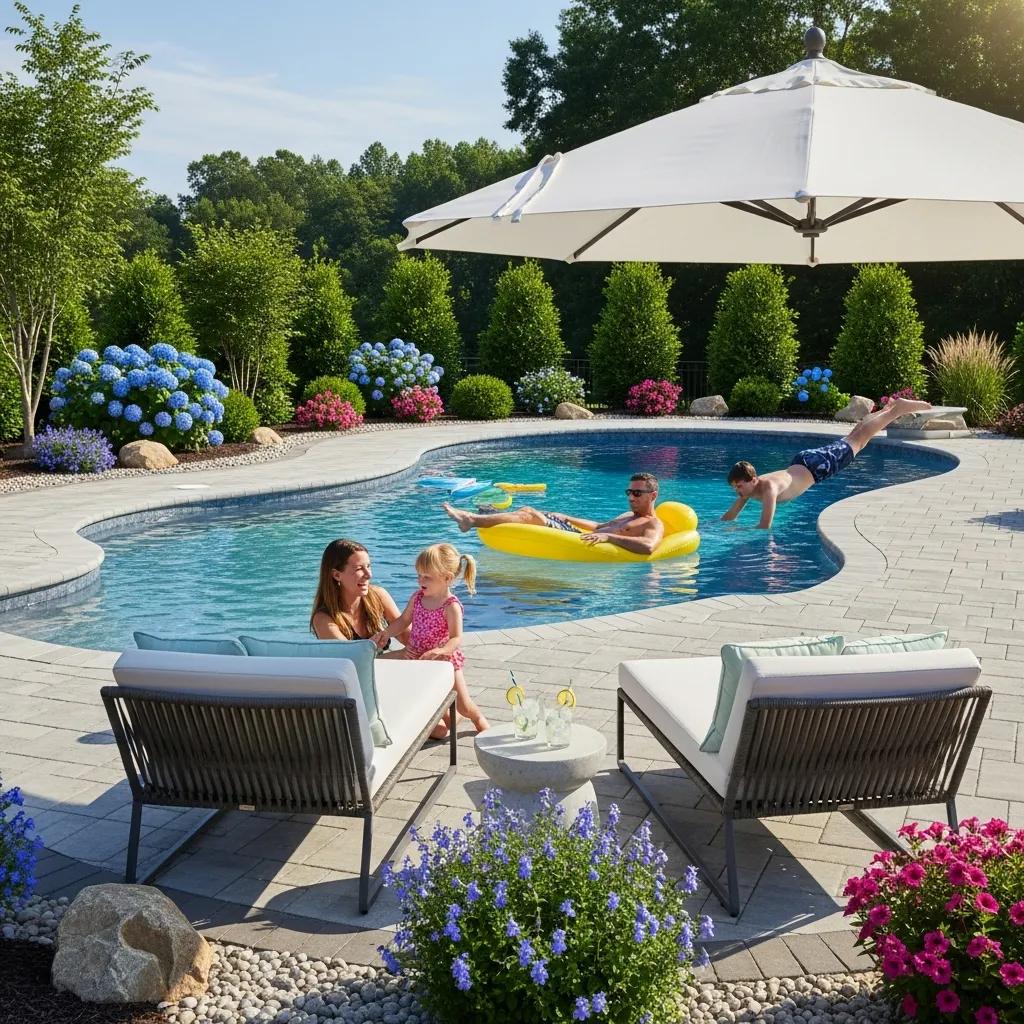
If you’re a Dawsonville homeowner beginning to plan a new pool for 2026, early and informed preparation is key to navigating design choices, regulations, and timelines for a smooth, successful project. From selecting the right type of pool and navigating local permitting to budgeting for long-term maintenance and incorporating the latest trends, a well-structured plan can help you avoid common pitfalls and ensure your backyard oasis meets your vision. In this guide, we’ll outline the essential steps and considerations to kickstart your new pool planning process, setting you on the path to a beautiful and functional addition to your home.
New Pool Planning for 2026 That Saves Money Long-Term
How Much Will a New In-Ground Pool Cost in Dawsonville for 2026?

Expect a broad range for a new inground pool in Dawsonville in 2026, depending on size, materials, and features. Generally, vinyl liner pools sit at the entry level, fiberglass occupies the lower-to-mid range when you include delivery and crane work, and gunite (concrete) pools run higher because of labor and customization.
Local factors—rocky soil, difficult access, grading and drainage, and any desired water or automation features—influence both the upfront price and long-term maintenance. Knowing these cost drivers helps you decide where to invest for lifestyle value versus resale appeal. Below are the primary cost drivers Dawsonville homeowners should check before locking in a design or builder.
- Site and excavation complexity: Rock, slope, and access increase excavation and site-prep expenses.
- Pool type and shell material: Fiberglass, gunite, and vinyl liner each have different base costs and lifespans.
- Equipment and systems: Pumps, filters, heaters, and automation influence both purchase price and operating bills.
- Decking, coping, and hardscape: Material choices and layout can significantly change the project total.
- Permits, inspections, and utility work: Local fees and necessary utility upgrades add to the initial outlay.
Those factors lead naturally into a direct comparison of the three main pool families below, showing base ranges and what to expect for timelines and maintenance in Dawsonville.
How Do Fiberglass, Gunite, and Vinyl Liner Pools Compare on Cost?
Fiberglass shells install fastest and come with a smooth, lower-maintenance surface that resists algae and cuts chemical use—appealing if you want a quicker build and simpler upkeep. In the Dawsonville/Metro Atlanta market, fiberglass typically sits in the mid-range once delivery and craning are considered. Gunite (concrete) pools provide the most design freedom—custom shapes, integrated spas, and elaborate water features—but take longer to build, require shotcrete labor, and usually cost more for finishes and tile. Vinyl liner pools usually have the lowest starting price but need liner replacements every several years and more liner-specific maintenance, which should be included in life-cycle planning. Balancing short-term budget against long-term value will help you pick the right material for your goals.
Note: the table below summarizes typical 2026 base cost ranges and timeline/maintenance notes for Dawsonville.
| Pool Type | Typical Base Cost Range (2026, Dawsonville) | Notes on Timeline and Maintenance |
|---|---|---|
| Fiberglass | $40,000 – $60,000 | Quick install (weeks), low algae adhesion, limited heavy customization |
| Gunite (Concrete) | $60,000 – $100,000+ | Longest build (months), highly customizable, higher long-term finish maintenance |
| Vinyl Liner | $30,000 – $50,000 | Lower upfront cost, liners replace every 7–15 years, moderate install time |
This comparison shows how lifecycle costs and local installation realities affect total ownership and project timing, which brings us to the accessory and soft costs owners commonly encounter.
What Extra Costs Should Dawsonville Homeowners Budget For?
Beyond the pool shell and basic equipment, plan for decking and coping, fencing, landscaping, and possible utility upgrades—each can add a sizable percentage to the total cost and often happens at different project stages. Deck and coping choices (concrete, pavers, or natural stone) influence drainage, durability, and finish. Safety fencing and gates may be mandated by code or HOA rules and can add permitting steps. Automation, lighting, and energy-efficient equipment raise the upfront cost but can lower long-term operating expenses—so weigh purchase price against annual savings. Confirm permit fees, inspection charges, and any septic or electrical work with Dawson County Planning and Development early to avoid mid-project surprises.
- Decking and coping: Material affects look, longevity, and cost.
- Fencing and safety features: Often required for code compliance and liability protection.
- Automation and lighting: Adds convenience and curb appeal; consider energy use.
- Landscaping and hardscape: Integrates outdoor living but increases budget and staging work.
- Permits and inspections: Local fees and inspections can add time and expense to the schedule.
What Are The Essential Steps To Plan Your New Pool In Dawsonville?
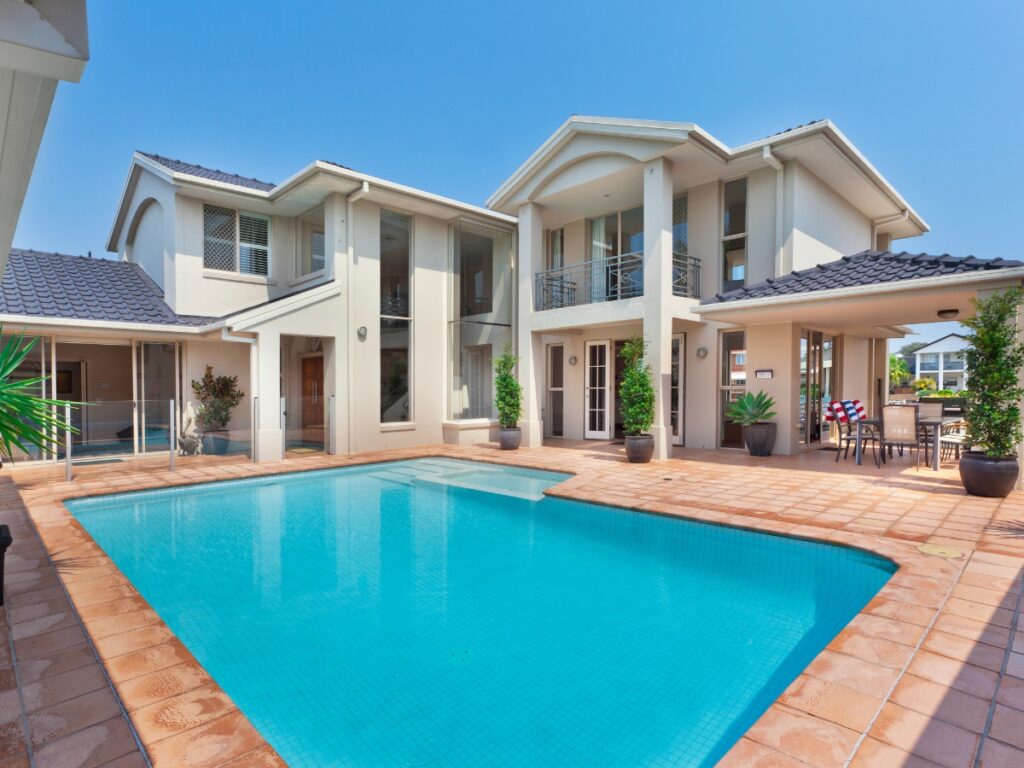
Successful new pool planning in Dawsonville starts long before excavation. The first step is a detailed look at your property and how you actually want to use the pool. That means studying yard topography, setbacks, drainage patterns, sunlight, and existing trees so you know where a pool can reasonably sit and how large it can be. This early assessment shapes everything that follows and prevents you from falling in love with a layout that will never clear permitting or work with your slope.
At the same time, you need a realistic budget tied to local cost ranges and your wish list. A clear design brief helps here. Note who will use the pool, whether you want lap swimming, play areas, tanning ledges, or a spa, and how much time you are willing to spend on maintenance. Good new pool planning connects those preferences to size, equipment choices, and finishes so you are not paying for features you will rarely use.
From there, most projects move through a three-stage framework. The initial consultation and site assessment collect measurements, confirm access for construction equipment, and identify any soil or drainage issues. Design, selections, and permit preparation come next, where you finalize shape, depth, finishes, and systems, while also producing permit drawings and any materials required for HOA approval. The final stage is construction and project management, which covers excavation, shell installation, plumbing and electrical work, equipment startup, and a final commissioning. Thinking in these three stages gives you clear decision points and keeps surprises during construction to a minimum.
How Does The Three-Step Process Keep Construction On Track?
Breaking the work into consultation, design, and planning, then construction, helps you make decisions in the right order and reduces the risk of rework. During the first stage, a pool professional evaluates your Dawsonville site, tests basic assumptions about size and placement, and discusses realistic budget ranges. This is where major constraints such as easements, steep slopes, or limited access are identified so you do not waste time chasing designs that will not build.
The design and planning stage produces permit-ready drawings, detailed equipment specifications, finish schedules, and a preliminary construction timeline. This is also when you select coping, interior finishes, decking materials, and any added features like spas or tanning shelves. By locking these choices in before breaking ground, you reduce mid-project changes that often lead to delays and extra cost.
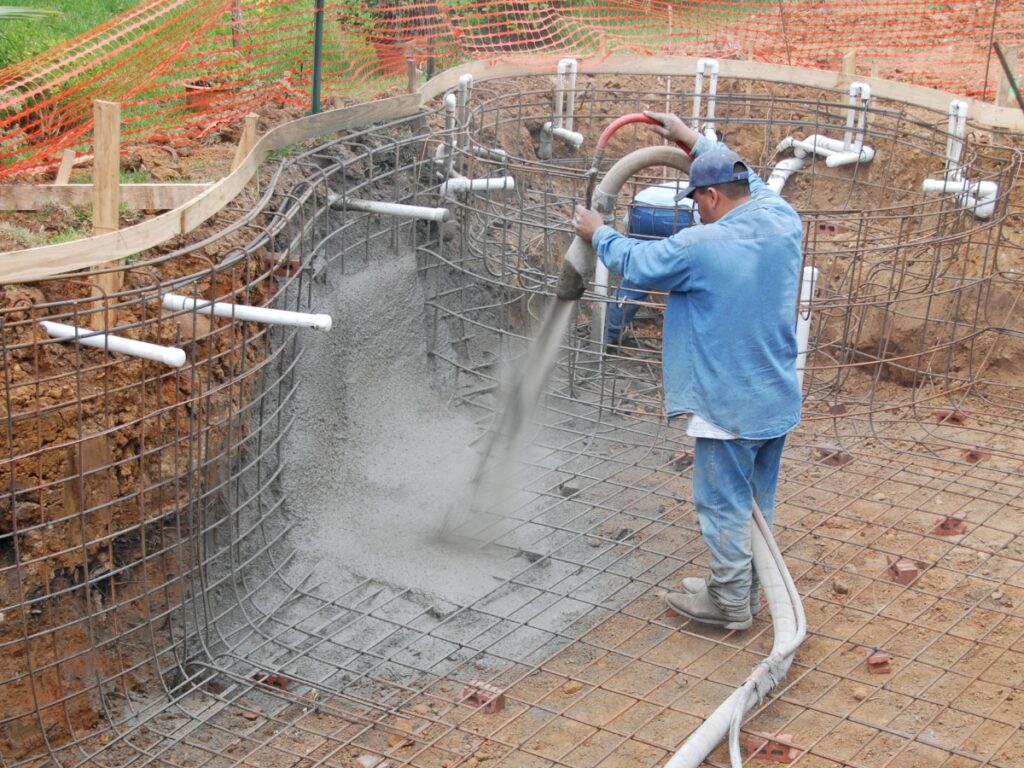
In the construction stage, coordinated project management keeps excavation, steel, gunite or shotcrete, plumbing, electrical, and decking on a predictable sequence. Regular check-ins give you a chance to ask questions and confirm that the work matches the plans. A final walkthrough at the end covers system performance, safety features, and basic maintenance. For Dawsonville homeowners, this structured version of new pool planning makes the process more transparent and helps keep timelines aligned with local weather and contractor availability.
Which Local Permits And Regulations Matter For Dawsonville Pools?
Local requirements are a critical part of planning an inground pool in Dawsonville. Dawson County Planning and Development typically requires a building permit for the pool shell and any structural elements, along with separate electrical permits for pumps, lighting, and control systems. If your design includes gas-fired heaters, there will usually be plumbing or gas permits as well, and all of these elements are subject to inspections at key stages.
Setback rules, safety barrier standards, and drainage expectations also influence the final layout. You will need to confirm how close the pool and deck can sit to property lines, what type of fencing and gate hardware is required, and whether grading or retaining walls will trigger additional review. Many neighborhoods layer homeowners’ association or architectural guidelines on top of county rules, so it is smart to check covenants early to understand any restrictions on location, finishes, or visible equipment.
Permit processing and inspections can add several weeks to the timeline, particularly in busy seasons, and delays often come from incomplete site plans or missing drainage information. Building permit applications that clearly show the pool footprint, equipment pad, fencing, and any changes to grades tend to move more smoothly. When you fold permitting into your early new pool planning, you can set a realistic schedule and reduce the risk of having construction held up while you resolve a code or documentation issue.
How Can Custom Pool Design Transform Your Metro Atlanta Backyard in 2026?
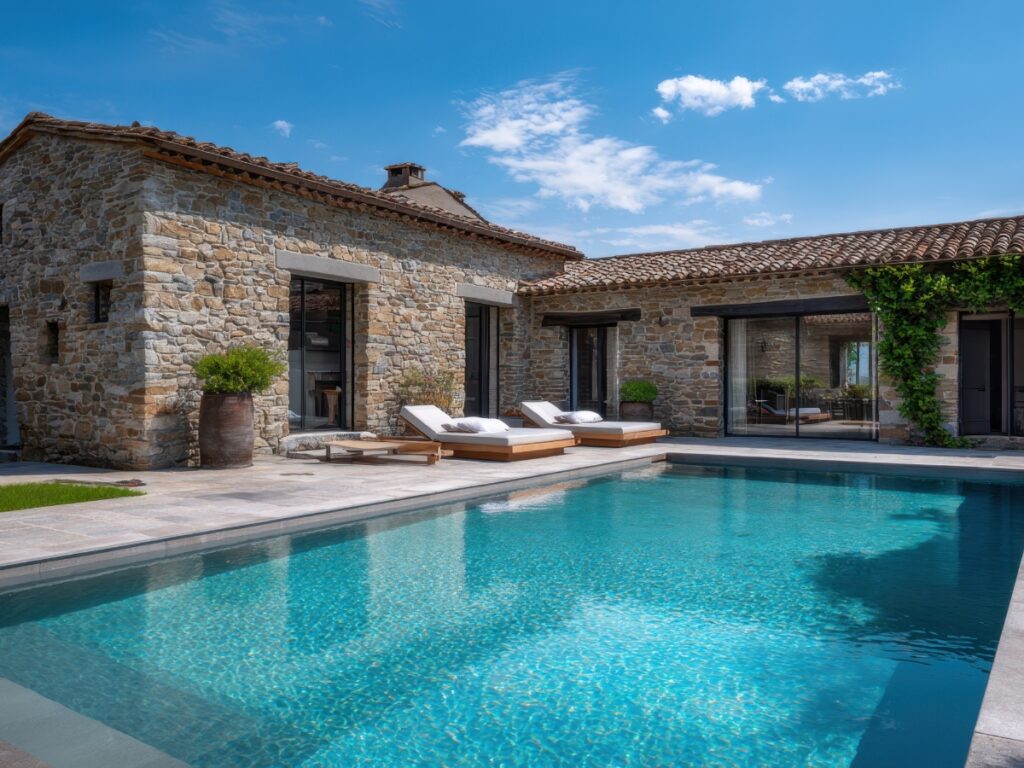
Custom design turns a pool into an outdoor living extension by matching pool shape, features, and hardscape to how your family uses the space, your site’s conditions, and your maintenance tolerance. Smart layouts consider sightlines from inside the home, sun exposure for tanning ledges, and proximity to patios or outdoor kitchens to create seamless entertaining zones. Choices like a shallow sun shelf for kids, an attached spa for year-round use, or automation for energy savings affect both cost and upkeep. The table below outlines popular luxury features, typical added costs, and their likely maintenance and resale impact to help you prioritize for your Dawsonville project.
Feature comparison: use this table to weigh common add-ons against maintenance commitment and resale value.
| Feature | Estimated Added Cost | Impact on Maintenance and Value |
|---|---|---|
| Waterfall or rock feature | Moderate – High | Raises maintenance (extra pumps/filters), strong visual appeal |
| Tanning ledge / sun shelf | Low – Moderate | Minimal maintenance, increases day-to-day usability |
| Automation & smart controls | Moderate | Makes care easier, reduces chemical waste, boosts resale appeal |
| Attached spa | Moderate – High | Higher equipment and energy needs, big lifestyle upside |
Which Pool Shapes and Features Are Popular with Dawsonville Homeowners?
In Metro Atlanta, you’ll see freeform pools for irregular lots and geometric designs for modern, space-efficient yards—each pairs differently with landscaping and hardscaping. Dawsonville homeowners tend to choose features that increase daily use: sun shelves for lounging, integrated spas for year-round enjoyment, and low-profile water elements for ambiance without heavy upkeep. Durable finishes like pebble or quartz aggregates are popular for their longevity and reduced algae issues, though they come at a premium. Match feature choices to how you’ll actually use the pool—family playtime versus low-maintenance relaxation—to ensure long-term satisfaction.
How Do Hardscaping and Landscaping Support a New Pool?
Good hardscaping and landscaping make a pool functional and durable by addressing drainage, privacy, circulation, and visual flow from the house to the yard. Choose materials suited to Georgia’s climate—slip-resistant pavers and native, low-care plants—to reduce upkeep and control erosion. Proper grading and drainage prevent runoff into the pool and protect mechanicals; retaining walls or terraces can tame slopes and create usable spaces. Thoughtful lighting and plant placement extend usable hours and add privacy, but pick plants that limit leaf drop to reduce filter load. Coordinating these phases with pool construction avoids rework and helps control final costs.
Why Work With Clear Water Pools As Your Dawsonville Builder In 2026?
When you begin new pool planning in Dawsonville, it helps to have a builder who understands both design and local logistics. Clear Water Pools is a Metro Atlanta custom builder based in Cumming, GA, with years of experience working in Dawson County and nearby communities. That local familiarity means your project is planned around real permitting timelines, weather patterns, and access constraints instead of guesswork.
The company follows a straightforward three-step process: initial consultation, design and permitting, then managed construction through to startup. During the early stages, the team focuses on understanding how you want to use your backyard, not just the size of the pool. That context shapes recommendations for layout, depth, features, and surrounding hardscaping so the final plan reflects your lifestyle. For homeowners who want support after construction, Clear Water Pools can also design maintenance plans that match usage and budget, which protect your investment and keep the pool performing as intended. In short, they turn new pool planning into a structured, predictable experience instead of a series of disconnected decisions.
What Craftsmanship And Expertise Does Clear Water Pools Provide?
Clear Water Pools combines design, engineering, and construction expertise so the pool and outdoor living areas work as one environment. The team creates professional renderings and layout plans that show how the pool relates to patios, retaining walls, steps, and planting beds. During new pool planning, this helps you visualize finished elevations, traffic flow, and sightlines from inside the home before any ground is broken.
On the technical side, Clear Water Pools coordinates plumbing, circulation, and equipment selection so the mechanical systems are sized correctly for Dawsonville conditions and the specific shape and volume of your pool. Attention to structure, soil conditions, and grading is built into the process, which is especially important in hilly or wooded yards. Materials are chosen with local climate and long-term wear in mind, from coping and decking to interior finishes and wall veneers. By focusing on durable products and solid workmanship, the company aims to reduce future maintenance demands and preserve both appearance and performance over time.
How Does Clear Water Pools’ Process Reduce Stress For Homeowners?
A clear process is one of the main reasons homeowners choose Clear Water Pools for new pool planning and construction. The first step is a consultation on site, where measurements are taken, access is evaluated, and goals are documented. This stage clarifies what is realistic for the property and budget, and it surfaces any potential permitting or HOA issues early.
The second step is detailed design and permit-ready planning. Here, the team refines the pool layout, selects finishes and features, and prepares drawings and documents needed for Dawson County review. Because permits, utilities, and inspections are considered at this stage, construction is less likely to be slowed by missing information.
The final step is managed construction and commissioning. Clear Water Pools coordinates excavation, steel, shell, plumbing, electrical work, finishes, and equipment startup under one umbrella. Homeowners communicate with a primary point of contact, receive updates at key milestones, and complete a final walkthrough to review operation and care. This structured approach keeps expectations aligned, reduces last-minute changes, and helps projects move smoothly from first concepts to the first swim.
What Should You Know About Construction Timelines and Financing in Georgia?
Building timelines in Georgia depend on pool type, permit speed, and season. Fiberglass typically installs fastest, vinyl liner projects are moderate, and gunite concrete pools take the longest because of curing and finish work. Spring and early summer are peak seasons—permit and construction lead times can stretch—so schedule early if you want a 2026 opening. Common financing paths include home equity lines of credit (HELOCs), personal loans, and contractor-referred programs; each affects monthly payments and how much you can allocate to features versus systems. The timeline table below summarizes typical build durations and common schedule influencers.
Use this timeline table to set realistic expectations when planning for 2026.
| Pool Type / Step | Typical Duration | Factors That Affect Duration |
|---|---|---|
| Fiberglass shell installation | 3–6 weeks | Delivery/craning logistics, site prep |
| Vinyl liner installation | 4–8 weeks | Liner fabrication lead time, site access |
| Gunite (concrete) build | 10–16+ weeks | Curing time, tile/finish work, complex features |
Knowing these ranges helps you pick build windows that allow for permits and weather and aligns financing timetables with draw schedules or lender conditions.
How Long Will It Take to Build Different Pool Types in Dawsonville?
Fiberglass often finishes in 3–6 weeks once the shell arrives, provided site prep and crane access are coordinated—making it a strong pick if you need a short build window. Vinyl liner pools generally complete in 4–8 weeks, with liner fabrication often on the critical path. Gunite pools require the longest timeline—commonly 10–16 weeks or more—because of excavation, plumbing, steel work, shotcrete, curing, and finishes; added features like waterfalls or large decks extend that schedule. Weather, permit turnaround, and supply delays can add time, so build contingency weeks into your plan to keep a 2026 completion realistic.
Which Financing Options Should You Consider for Your Pool?
Homeowners usually finance pools with HELOCs, personal loans, or specialized project loans; some contractors offer financing referrals that coordinate payments with project milestones. HELOCs can offer competitive rates and potential tax advantages for some owners, while personal loans may be faster to secure but could carry higher interest. Contractor-affiliated programs often structure payments to match construction draws, easing cash flow during the build. Compare rates, term lengths, and fees—and consult a financial advisor—so your financing matches your project scope and monthly budget.
How Do You Maintain and Protect Your Pool Investment After Construction?

Keeping a new pool in top condition combines routine chemistry checks, mechanical inspections, and seasonal tasks that preserve your finish and equipment. Proactive maintenance reduces repair costs and keeps water safe and comfortable. A basic weekly routine includes testing and balancing chemicals, skimming and vacuuming, and emptying skimmer and pump baskets; seasonal tasks cover winterization, spring startups, and equipment servicing after storms. Budget for recurring maintenance—whether you do it yourself or use a professional plan—when you calculate your total ownership cost. The checklist below outlines key maintenance tasks to protect your Dawsonville pool year-round.
- Weekly: Test and balance water chemistry; clean skimmer and pump baskets.
- Monthly: Monitor filter pressure, check heater and automation, and backwash or clean filters.
- Seasonal: Winterize if needed, inspect plaster/finish, and service heaters and controls.
- As-needed: Address leaks, odd noises, or cloudy water quickly to avoid larger repairs.
What Maintenance Tips Should Dawsonville Homeowners Follow?
Stable water chemistry is the foundation of pool health—keep pH, alkalinity, and sanitizer levels steady to protect finishes and limit algae. Test kits and automation systems simplify balancing. Regular filtration care—empty skimmer and pump baskets and clean or backwash filters—keeps circulation strong and reduces strain on pumps. Seasonal tasks like winterizing or spring commissioning depend on how you plan to operate the pool; Dawsonville’s weather means planning for storm readiness and debris control. Watch for warning signs—persistent pH swings, rising filter pressure, or strange equipment noises—and act quickly to avoid more costly repairs.
How Does Clear Water Pools Help with Ongoing Maintenance?
Clear Water Pools provides maintenance and repair plans for Metro Atlanta homeowners, combining routine cleaning, chemical management, and equipment servicing to protect your pool investment. Our plans can include regular visits for testing, filtration checks, and seasonal tasks—freeing you from daily chemical balancing and creating a documented service history that can enhance resale value. A local maintenance partner also responds faster to repairs and understands the regional factors that affect pool care in Dawson County. If you prefer a managed approach, ask about maintenance plans and on-call support levels that fit your needs and budget.
Frequently Asked Questions
When Is The Best Time Of Year To Start Planning A Pool In Dawsonville?
For most Dawsonville homeowners, the best time to begin new pool planning is in the fall or winter. Starting during the cooler months gives you room to finalize design details, work through revisions, and submit permit applications before the spring rush begins. Because contractors and suppliers are typically less booked outside peak season, you have more flexibility with scheduling and a better chance of lining up your preferred timeline. By the time warmer weather arrives, your design, permits, and equipment choices can already be in place, which makes it easier to hit your target swim date.
How Do I Make Sure My Design Meets Local Rules?
A big part of smart new pool planning is understanding local requirements before you fall in love with a design. Reaching out to Dawson County Planning and Development early helps you confirm setback distances, safety barrier standards, and permit expectations. Many Dawsonville neighborhoods also have HOA covenants that affect pool location, fencing, and even finishes, so it is wise to review those at the same time. Partnering with a builder who already knows Dawson County codes and common HOA rules reduces back and forth with reviewers, limits redesigns, and helps permits move through the system with fewer surprises.
What Environmental Issues Should I Consider During Construction?
Environmental planning should sit alongside layout and aesthetics when you map out a new pool. In Dawsonville, that usually means paying close attention to drainage and erosion control so rainwater flows away from the home, neighboring properties, and the pool itself. Thoughtful grading and the use of swales or drains can prevent washouts and muddy messes. Choosing native or climate-appropriate plants around the pool area reduces irrigation needs and leaf drop into the water, which lowers maintenance. Energy-efficient pumps, heaters, and LED lighting, along with durable, responsibly sourced materials, can also shrink the long-term environmental footprint of your project.
Which Maintenance Tasks Are Critical For Pool Longevity?
Even the best-designed pool will not perform well without consistent care. Regular testing and balancing of water chemistry protects finishes, equipment, and swimmer comfort. Cleaning skimmer and pump baskets, brushing walls, and monitoring filter pressure keep circulation healthy and help you spot issues early. Seasonal maintenance, such as winterizing lines and equipment where appropriate and inspecting surfaces for cracks or wear, also plays an important role. If you notice leaks, new stains, or unusual noises from the equipment pad, addressing them quickly usually prevents larger failures and protects the investment you made during the new pool planning and construction stages.
How Do I Pick The Right Pool Builder In Dawsonville?
Choosing the right builder can be just as important as the design itself. Start by researching Dawsonville and Metro Atlanta companies, looking at portfolios that show projects similar in size and style to what you want. Reviews and references can offer insight into communication style, adherence to schedules, and how well the builder handles issues that arise. Ask specific questions about experience with Dawson County permitting, inspection processes, and local soil or grading challenges. Detailed written quotes that clearly list what is included, how changes are handled, and what warranties and service options are available will make it easier to compare builders and select the one that fits your vision and budget.
What Financing Options Do Georgia Homeowners Commonly Use?
Many Georgia homeowners use home equity lines of credit, personal loans, or contractor-connected financing to pay for a new pool. A HELOC can offer competitive rates and flexibility for those with sufficient equity, while personal loans may be faster to secure but sometimes carry higher interest rates. Some builders work with third-party lenders to provide structured payment plans that spread costs over time. Comparing interest rates, fees, repayment terms, and how each option affects your overall financial picture will help you choose the right fit. It is often helpful to discuss plans with a financial advisor so the financing approach supports both your project goals and long-term budget.
Conclusion
Planning a new pool for 2026 is a timely and exciting venture for Dawsonville homeowners. By starting the design and permitting process now, you can navigate timelines thoughtfully, select the latest materials and features, and ensure your dream pool is ready for its debut season. At Clear Water Pools Atlanta, we guide you through every step of new pool planning—from initial concept to the final fill—with expertise tailored to our local landscape. Ready to make a splash in 2026? Call 770-406-8638 or request your free pool estimate today to begin your planning journey. Let’s build a backyard legacy, together.