
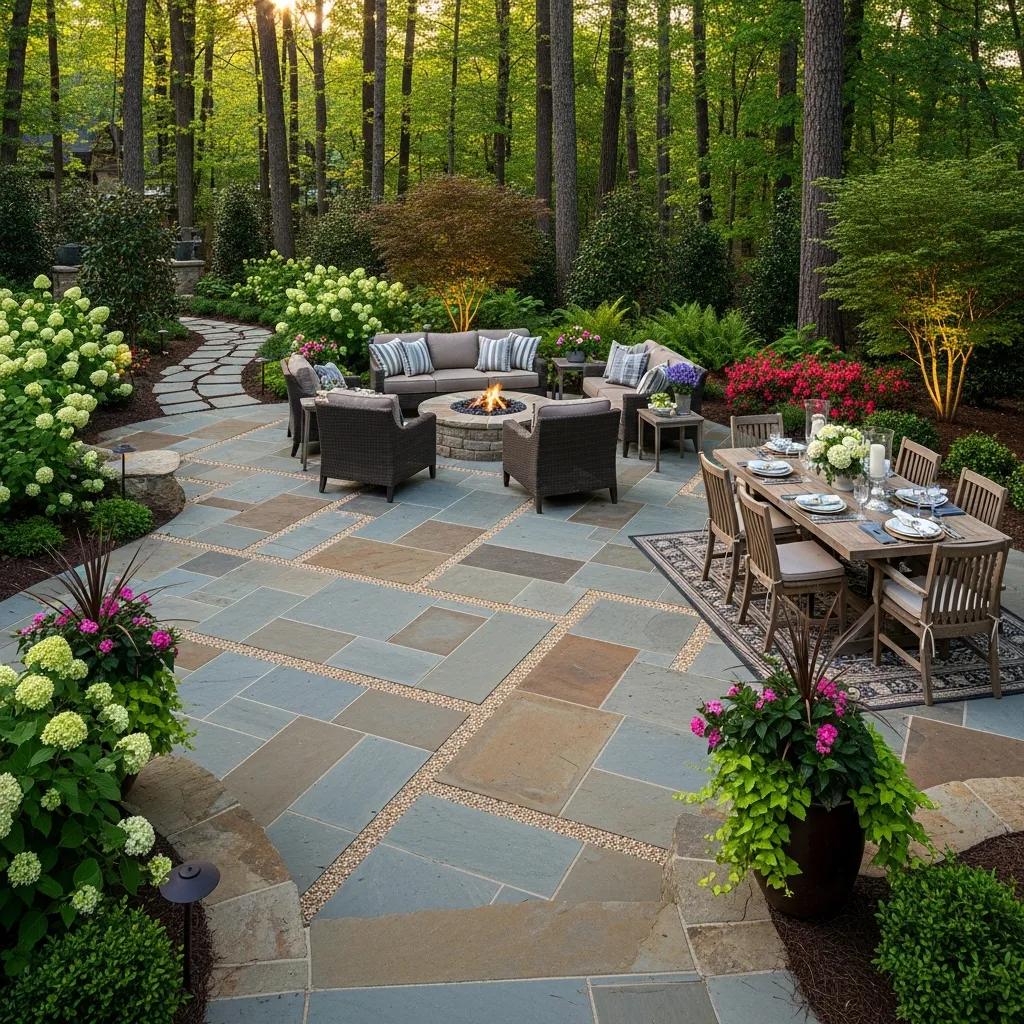
An elegant natural stone patio offers a timeless look that blends rustic charm with sophisticated design, creating a durable and stunning outdoor living space that ages with grace. Using materials like bluestone, flagstone, or limestone, these patios provide unique textures, rich colors, and organic patterns that synthetic materials simply can’t replicate.
This guide explores the beauty and benefits of natural stone patios, from their enduring aesthetic appeal and customization possibilities to practical considerations for installation and maintenance, helping you create an outdoor oasis that feels both luxurious and authentically rooted in nature.
Natural Stone Patios That Instantly Upgrade Backyards
Why Choose Natural Stone Patios For Your Atlanta Home?
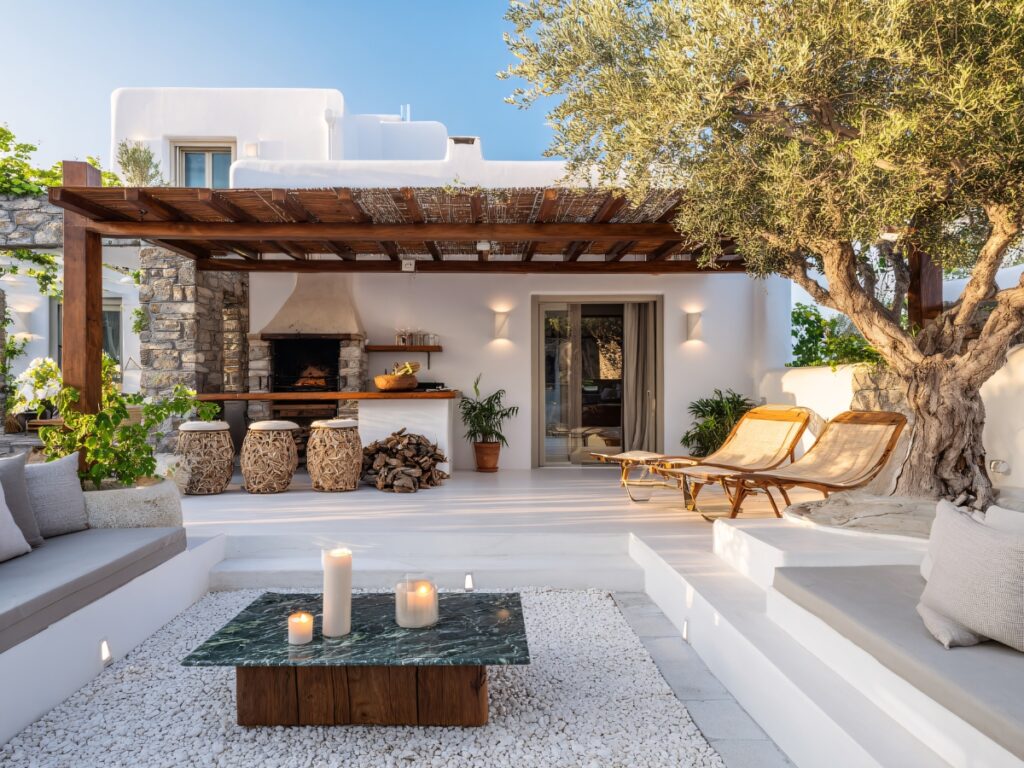
Natural stone patios are a strong fit for Atlanta homes because they hold up well in a climate that brings humidity, heavy rain, and plenty of sun. Homeowners often choose stone for its long life and the way it looks as it ages. Unlike manufactured surfaces that can feel uniform, natural stone has variation in color, texture, and pattern that makes the patio look more established from day one. It also pairs easily with common Atlanta landscaping, whether the yard leans wooded and shaded or more open with planted borders and turf.
Another reason natural stone patios stay popular is resale appeal. Stone tends to read as an upgrade because it feels permanent and high-quality. It can also work with a range of home styles, from traditional brick to newer builds, without looking like an add-on. While natural stone can cost more upfront than some alternatives, many homeowners see it as a long-term investment that offers both durability and curb appeal.
What Are The Benefits Of Natural Stone Patios?
The biggest benefit is durability. When installed on a properly prepared base with good drainage, natural stone handles weather changes well. Atlanta does not typically see harsh freezes, but it does see frequent moisture, and stone holds up under that kind of wear. A well-built stone patio is less likely to look tired after a few seasons, especially compared with surfaces that stain easily or show wear in high-traffic areas.
Aesthetics are the other major advantage. No two pieces of stone are exactly alike, so the finished patio has depth and character that is hard to copy with manufactured materials. Flagstone, bluestone, and limestone each bring a different look. Flagstone often has warmer, earthy tones and an informal feel. Bluestone tends to be cleaner and more structured, with cooler grays and blues. Limestone can look lighter and softer, which some homeowners like for bright, open backyards. The best choice depends on the look you want and how much sun the space gets throughout the day.
Maintenance for natural stone patios is usually manageable, but it is not zero. Most stone benefits from occasional cleaning to prevent algae or mildew in shady spots, which are common in Atlanta yards. Some stone types also do better with periodic sealing, especially if the patio is exposed to constant moisture or if you want extra protection from staining. In general, regular upkeep keeps the surface looking crisp and helps preserve the color and finish.
How Do Natural Stone Patios Enhance Outdoor Living Spaces?
A natural stone patio changes how a yard functions. Instead of a patch of grass that gets muddy after rain, you get a stable surface that can handle everyday use. It creates a defined space for seating, dining, or outdoor cooking, which makes the backyard feel more like an extension of the home. Stone also works well with common outdoor features like garden beds, fire pits, and pool surrounds because it blends into the landscape rather than competing with it.
Natural stone patios can also make smaller yards feel more intentional. Even a modest patio can create a focal point, especially when the stone is chosen to complement the home’s exterior. In larger yards, stone can help connect different areas, such as a walkway leading to a seating space or a transition from a deck to the lawn. The result is a more usable outdoor layout that supports both quiet evenings and weekend gatherings, with a surface that looks good and performs well in Atlanta’s conditions.
Which Natural Stone Materials Are Best for Elegant Patios?
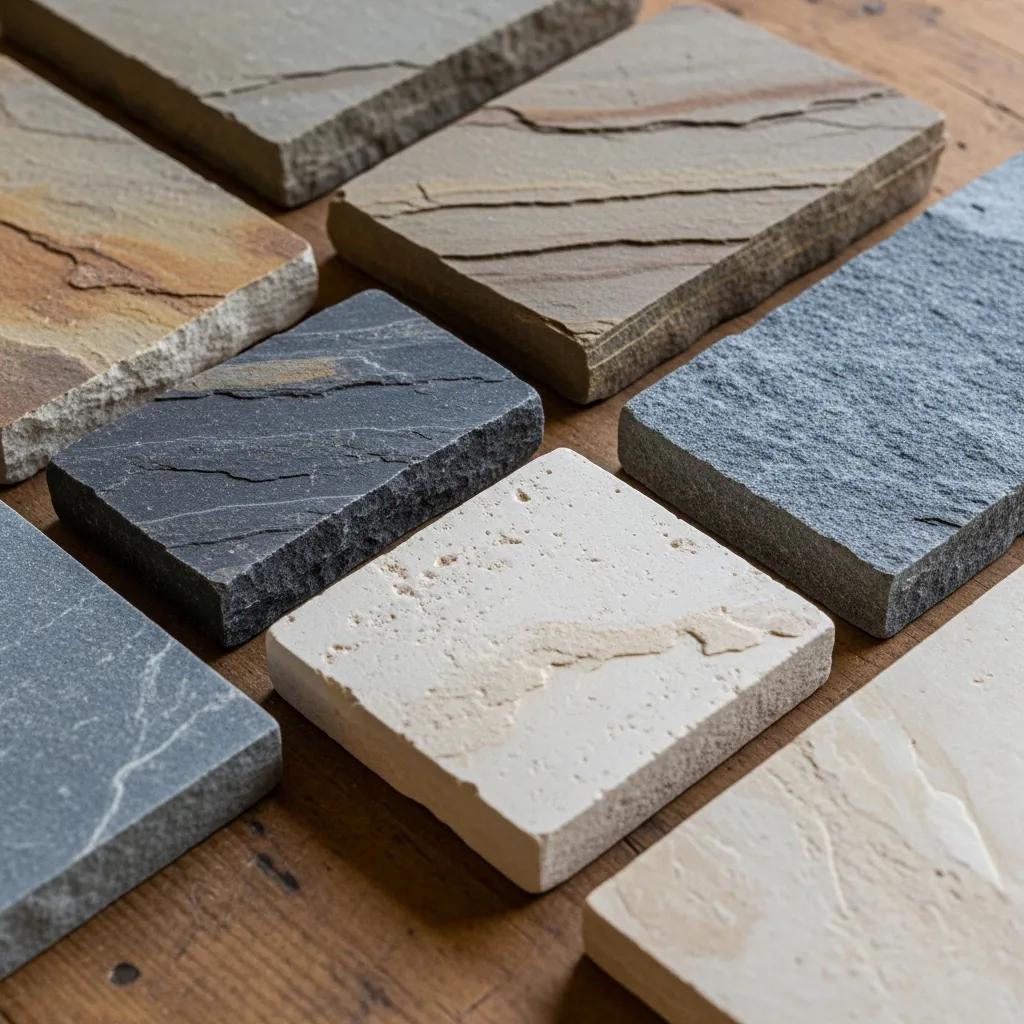
When homeowners picture natural stone patios, they are usually thinking about a space that feels upgraded without looking overdesigned. The stone you choose plays a big role in how the finished patio reads, both visually and practically. In Atlanta, you also have to think about humidity, rain, and shade. Some stones hide moisture marks better than others, and some are easier to maintain if the patio sits under trees or near landscaped beds.
Flagstone, bluestone, and limestone are all popular choices for elegant outdoor spaces, but they deliver different styles. Flagstone tends to feel relaxed and organic, bluestone leans clean and modern, and limestone often lands in a warmer, more classic range. The “best” option depends on the look you want, how much sun the area gets, and how you plan to use the patio year-round.
What Are The Characteristics Of Flagstone Patios?
Flagstone is one of the most flexible materials for natural stone patios because it comes in irregular shapes that can be arranged in many patterns. You can install it with tight joints for a more polished look, or leave wider joints that allow for gravel or low ground cover, depending on the vibe you want. Color varies by type, but many flagstones bring earthy tones that blend naturally with Atlanta landscaping.
From a performance standpoint, flagstone is durable and handles outdoor exposure well when installed on a stable base with proper drainage. Because the pieces are not identical, the installation takes a careful eye to keep the surface comfortable to walk on and to avoid uneven edges. When that work is done well, flagstone creates a patio that feels custom, not cookie-cutter.
Maintenance is usually straightforward. Regular cleaning helps prevent algae or mildew in shaded areas, and sealing can offer added protection from staining if the patio is near grills, outdoor dining, or heavy leaf drop. Flagstone also tends to age gracefully, which is part of its appeal.
How Do Bluestone Patios Offer Modern Elegance And Resilience?
Bluestone is often chosen for its clean lines and refined look. The color range tends to sit in cool grays and blue tones, which pairs well with contemporary homes, minimalist landscaping, and modern outdoor furniture. Many homeowners like bluestone because it can feel sleek without being flashy, especially when cut in consistent sizes for a more structured pattern.
Bluestone is also known for strength and wear resistance, which makes it a practical option for high-traffic patios, steps, and outdoor entertaining areas. In Atlanta’s climate, a well-installed bluestone surface can hold up well, but it still benefits from thoughtful drainage planning so water does not sit on the surface or seep into joints. In more shaded yards, keeping the surface clean helps prevent it from developing slick patches over time.
If you want natural stone patios that feel modern and crisp, bluestone is often the best match. It gives you a tailored look while still delivering the durability people expect from natural stone.
Why Do Limestone Patios Work Well For Classic Outdoor Designs?
Limestone tends to bring warmth, both in color and overall feel. It often comes in lighter tones that can brighten an outdoor space, which is helpful in backyards with limited sunlight or heavy tree cover. Limestone can complement traditional architecture, brick exteriors, and more classic garden designs without feeling too formal.
Like other stone options, limestone performs best when installed with a solid base and good water management. Because some limestone can be more porous, sealing may be more important depending on the specific type and how the patio is used. For homeowners who want natural stone patios that feel inviting and timeless, limestone can be a strong choice, especially when paired with soft landscaping and warm outdoor lighting.
How to Design Your Dream Natural Stone Patio in Metro Atlanta?
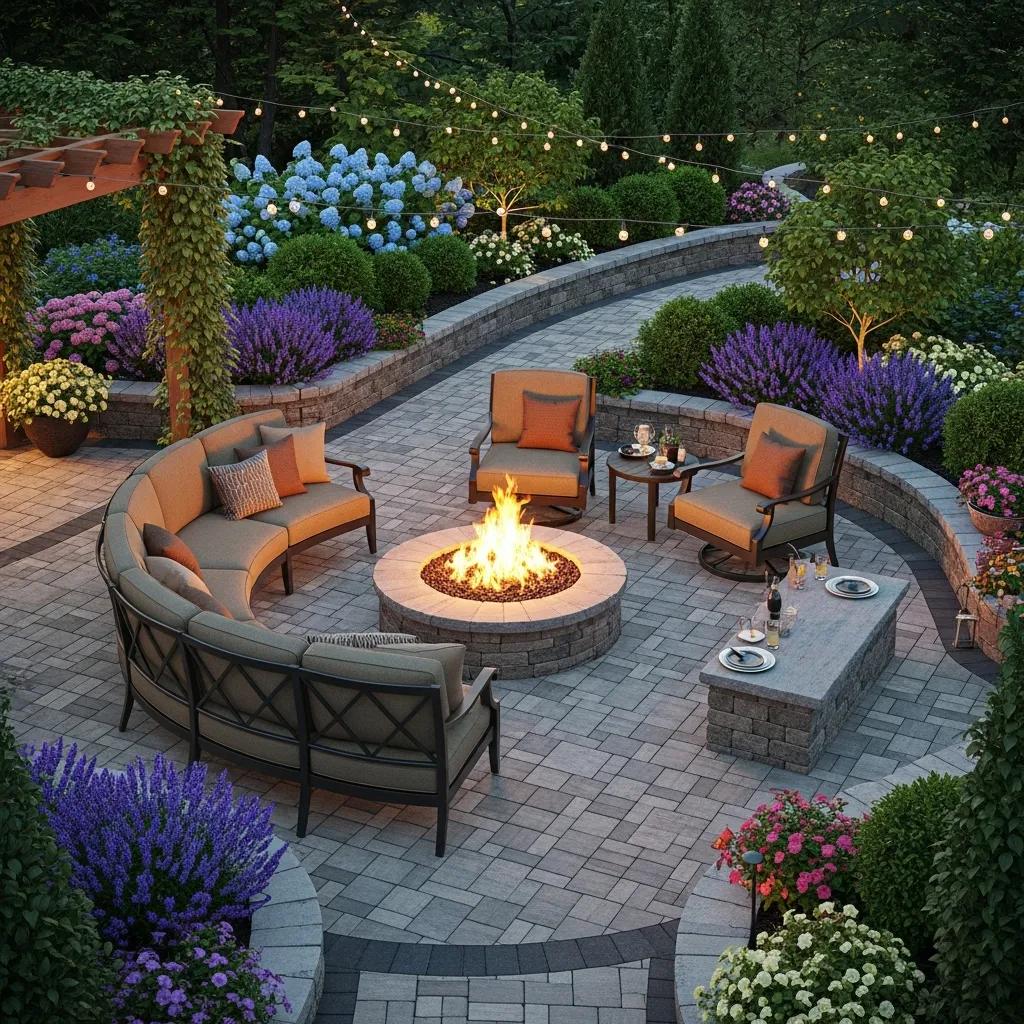
Designing natural stone patios starts with thinking about how you actually want to use the space. Some homeowners want a simple spot for a table and a few chairs, while others want a full backyard hub for entertaining. Either way, the best patio designs feel intentional because the layout matches the yard, the home’s style, and the way people move through the space. In Metro Atlanta, it also helps to plan around the realities of the climate. Humidity, heavy rain, and shade from mature trees can all affect how the patio drains and how much maintenance it will need.
A good place to begin is with the location. Look at sun and shade patterns during the day, and consider where you naturally enter the yard. A patio that feels connected to the house is easier to use, especially when carrying food outside or moving between indoor and outdoor seating. From there, you can choose a stone type and shape that fits your style, then build the design around comfort, flow, and drainage.
What Styles And Design Patterns Suit Natural Stone Patios?
Natural stone patios can take on very different looks depending on how the stone is cut and arranged. A structured pattern tends to look more formal and works well with contemporary homes or clean-lined landscaping. Larger, consistent pieces can create a polished surface that feels deliberate and easy to furnish. This style often pairs well with bluestone or more uniform cuts of limestone, especially if you like a simple, modern vibe.
If you prefer a more relaxed look, irregular stone layouts are a great option. Flagstone is a common choice for this approach because it naturally lends itself to varied shapes and organic lines. The finished patio feels less rigid and blends easily with gardens, wooded yards, and softer landscaping. This can be a strong match for Atlanta homes with mature trees and layered plantings, where you want the patio to feel like it belongs in the setting rather than sitting on top of it.
You can also create a focal-point layout if the patio will center around one main feature. Circular or curved designs work well around seating areas and can soften the look of a backyard with lots of straight edges. The key is to keep the pattern practical. A design can still feel interesting without creating awkward corners or tight walkways that make furniture placement difficult.
How To Integrate Features Like Fire Pits And Outdoor Kitchens?
Features like fire pits and outdoor kitchens can make natural stone patios more functional, but they should be planned early so the space does not feel crowded later. Start by thinking about zones. A fire pit area typically works best when there is comfortable spacing for chairs and safe clearance from structures and landscaping. It also helps to consider wind and smoke direction, especially in neighborhoods with closer yards.
Outdoor kitchens need a different kind of planning because they involve utilities, storage, and a surface that can handle grease, heat, and frequent foot traffic. The layout should make it easy to move between cooking, serving, and seating without people constantly crossing paths. Many homeowners like placing the kitchen closer to the house for convenience, then extending the patio outward into a dining and lounge area.
If you want both features, focus on balance. A patio can support multiple uses as long as there is a clear flow between areas and enough open space to keep it comfortable. With the right layout, natural stone patios can handle everyday relaxation and larger gatherings while still looking cohesive and well designed in an Atlanta backyard.
How Does Clear Water Pools Install Natural Stone Patios? Step-by-Step
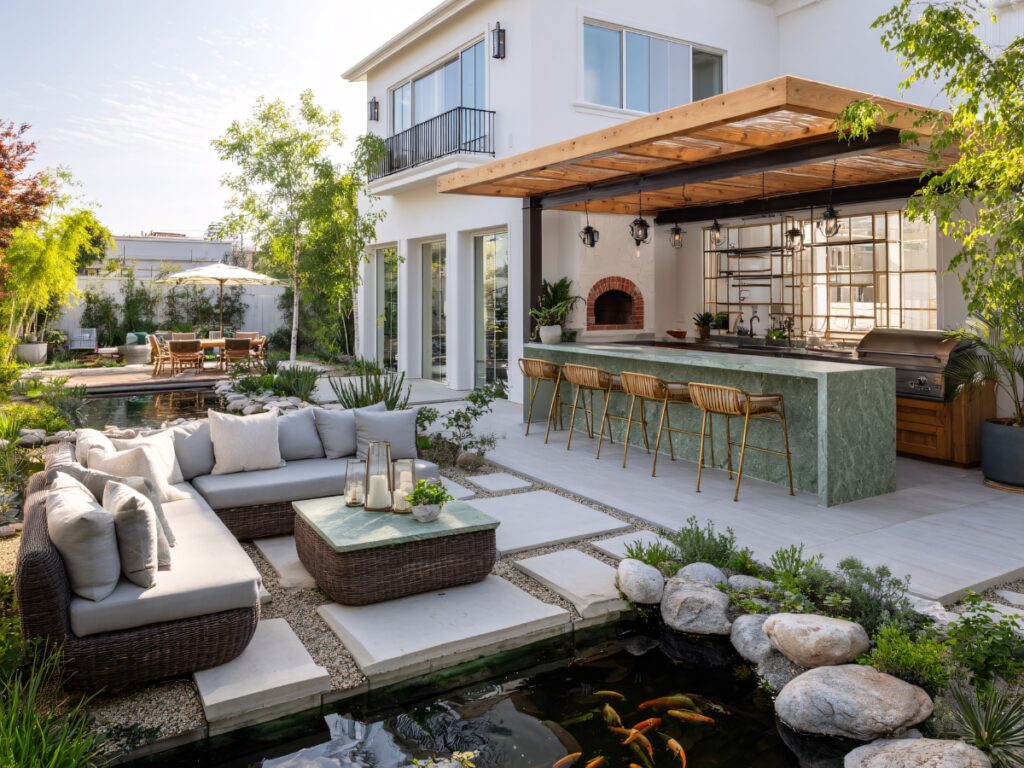
Natural stone patios look simple when they are finished, but the results depend on what happens underneath the surface. In Metro Atlanta, soil conditions and heavy rain can cause shifting if the base is not built correctly, which is why the installation process matters just as much as the stone you choose. A well-planned patio should drain properly, feel stable underfoot, and hold its shape through seasonal weather changes.
Clear Water Pools manages natural stone patios from the early planning stage through final cleanup, which helps keep the project organized and predictable for homeowners. Rather than treating installation as a single step, the work is handled as a sequence that includes design planning, site preparation, base construction, stone placement, and finishing details. When those phases are handled carefully, the patio looks better and performs better over time.
How Does Clear Water Pools Manage Design To Completion?
The process typically starts with a consultation focused on how the patio will be used. This includes the size of the space, how it connects to the house or pool area, and what kind of layout makes sense for furniture, traffic flow, and outdoor features. Once the goals are clear, a design plan is developed and refined so the homeowner knows what to expect before work begins. This is also when practical needs are addressed, such as drainage direction, edge restraints, and any grading required to keep water moving away from the home.
After the design is finalized, the installation process moves into site preparation. The area is marked, excavated, and graded to create the correct slope for drainage. In Atlanta yards, this step is especially important because sudden downpours can expose poor grading quickly. A stable patio starts with a base that is deep enough, properly compacted, and built to support the stone without settling.
From there, the stone is installed according to the approved layout. During this stage, the crew focuses on consistent spacing, alignment, and a walking surface that feels even and comfortable. Cuts are made where needed along borders and transitions, and the details are adjusted so the finished patio looks clean rather than pieced together. Once the stone is set, joints are filled and the surface is cleaned, with final adjustments made to ensure everything is stable.
Throughout the project, clear scheduling and communication help keep disruptions manageable. Homeowners generally want to know what phase is happening, when the space will be accessible, and what to expect next. Keeping that information clear makes the project feel more controlled, especially when weather changes affect the pace.
What Quality Materials And Craftsmanship Are Used?
The best natural stone patios start with stone that fits both the style of the home and the conditions of the site. Premium stone typically offers better consistency in thickness and durability, which helps with installation and long-term performance. Flagstone, bluestone, and limestone are common choices, and each brings a different look. The right selection depends on the design goals, sun exposure, and how the patio will be used.
Craftsmanship shows up in the parts homeowners notice and the parts they do not. On the surface, it is the straight lines, smooth transitions, and balanced layout that make a patio feel finished. Under the surface, it is the base preparation, compaction, and drainage planning that keep the patio from shifting or developing low spots. When both are handled well, natural stone patios become a long-term outdoor feature that feels solid, looks intentional, and stays attractive with normal maintenance.
How To Maintain And Care For Your Natural Stone Patio?
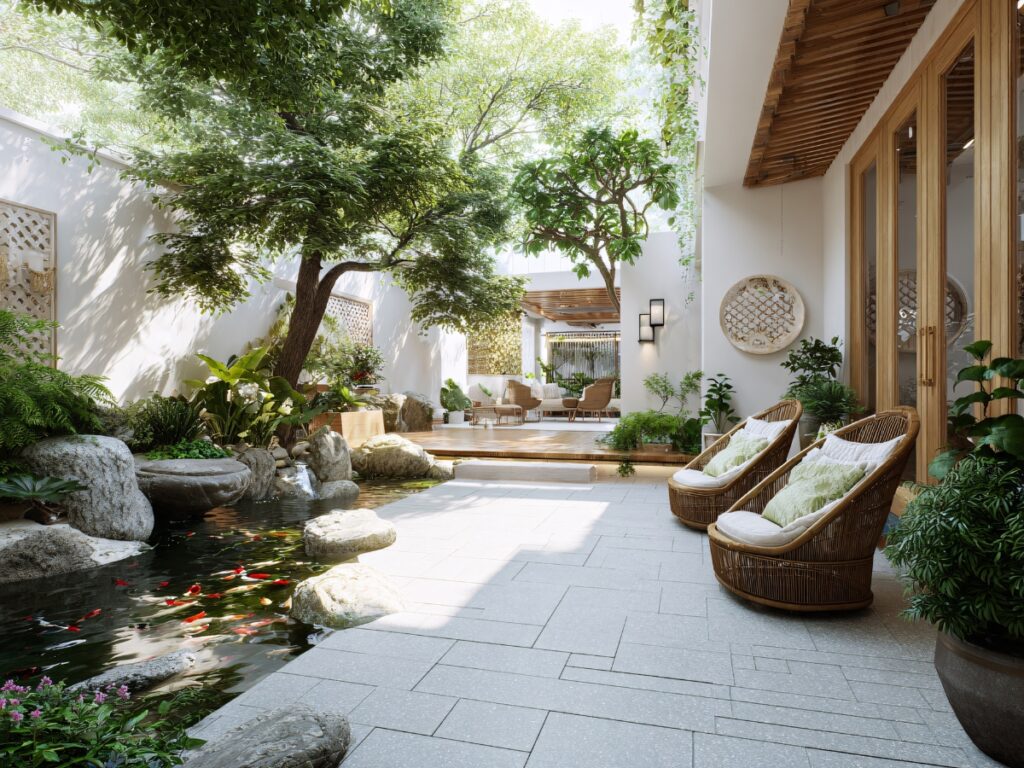
Natural stone patios are built to last, but they still need regular care to stay clean, safe, and looking their best. In Metro Atlanta, moisture is usually the biggest factor. Humidity, rain, and shade from trees can lead to algae, mildew, and dark staining if the surface is ignored for too long. The goal is not to over-maintain the stone. It is to stay ahead of the small issues that can make a patio look worn or feel slippery over time.
A good routine also protects the investment you made in the patio itself. When the surface stays clean and joints stay stable, you reduce the chance of shifting, loose stones, and water-related wear. With consistent upkeep, natural stone patios can stay attractive for years without needing major work.
What Are Essential Maintenance Tips For Longevity And Beauty?
Start with regular cleaning, since dirt and leaves tend to hold moisture against the stone. Sweeping is often enough for week-to-week care, especially during heavy pollen seasons or when leaves are dropping. For deeper cleaning, a gentle wash with water and a stone-safe cleaner can help remove grime before it becomes a stain. Pressure washing can be used carefully on some stone surfaces, but it should be done with caution since aggressive settings can wear down joint material or damage softer stones.
Pay attention to shaded areas, especially near tree lines, planters, and downspouts. Those spots often stay damp longer and can develop algae or mildew. If you notice slick patches, treat them early with a cleaner meant for stone and rinse thoroughly. Keeping water from pooling is just as important as cleaning, so it is worth watching how the patio drains after a hard rain. If puddles keep forming in the same areas, it may be a sign the surface needs minor leveling or joint work.
Sealing can also help, but the timing depends on the type of stone and how the patio is used. Some homeowners seal for stain resistance, especially if the patio sees a lot of outdoor dining or grilling. Others prefer the natural look without a sealer. If you do seal, use a product designed for your specific stone type and apply it to a clean, dry surface. Most patios do not need constant resealing, but periodic reapplication can help maintain protection in high-traffic areas.
How To Address Common Stone Patio Repairs And Sealing?
The most common issues homeowners notice are loose stones, joint erosion, and stains. Loose stones are often tied to base movement or joint material washing out. If a stone rocks underfoot, it is worth addressing sooner rather than later because movement can spread to neighboring pieces. Minor joint gaps can sometimes be fixed by cleaning out the area and refilling it with the appropriate joint material, then compacting or setting it according to the product instructions.
Stains are usually easier to remove when they are fresh. For food and drink spills, blot first and clean with a stone-safe product rather than harsh household chemicals that can discolor the surface. If staining is persistent, a poultice product designed for stone can help pull the stain out, but results depend on the stone’s porosity and how long the stain has set.
Cracks are less common with properly installed natural stone patios, but they can happen, especially if the stone is thinner or the base has shifted. Small chips or hairline cracks may not affect function, but larger cracks can spread if water gets into them. In those cases, replacing the damaged piece is often the cleanest fix, especially if the patio is made of individual stones rather than a single slab.
With a simple routine and quick attention to small repairs, natural stone patios can stay sturdy, slip-resistant, and visually appealing through Atlanta’s changing seasons.m spills and weather exposure, ensuring the stone retains its natural beauty.
What Are The Costs And Contractor Options For Natural Stone Patios In Atlanta?
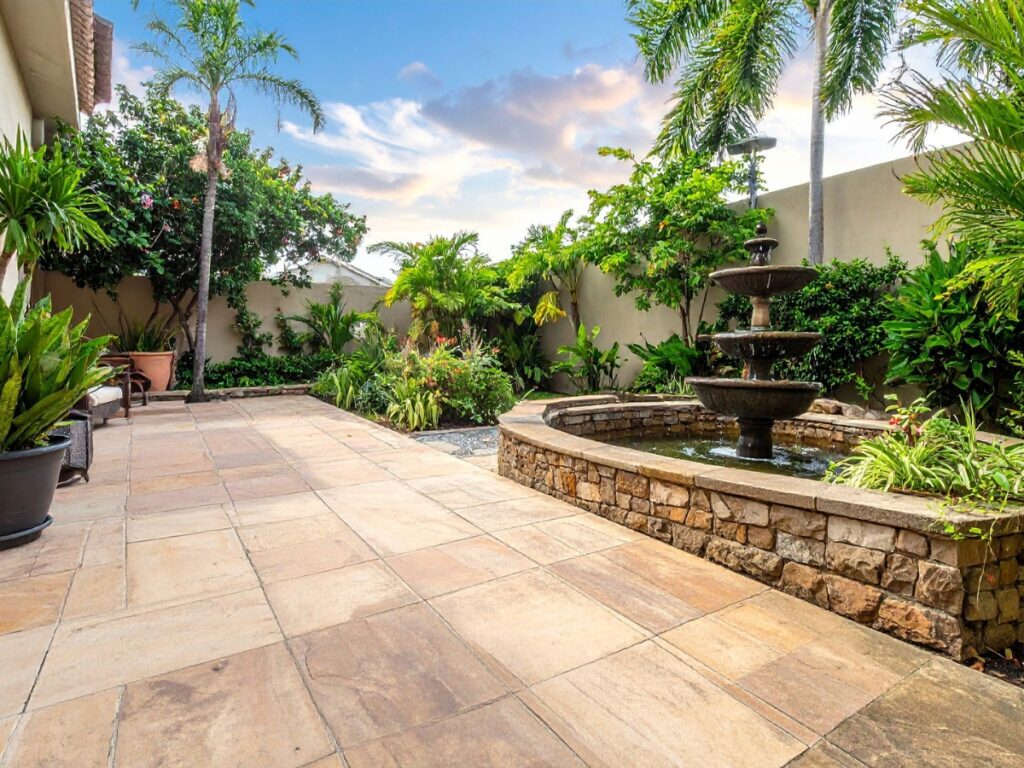
Natural stone patios can be a smart long-term upgrade, but budgeting is easier when you understand what drives the price. In Atlanta, costs vary widely because no two yards are exactly alike. Soil conditions, drainage needs, access to the backyard, and the type of stone you choose all affect the final number. A simple rectangular patio built in an open area will usually cost less than a multi-level design on a slope with tight access and extra grading.
It also helps to remember that natural stone patios are labor-heavy by nature. Unlike manufactured pavers with consistent sizes, stone often needs more shaping, fitting, and leveling to create a smooth walking surface. That extra detail work is part of what gives stone patios their finished look, but it also adds time to the project. If you are comparing estimates, you are not only comparing stone prices. You are comparing the amount of prep work, base construction, drainage planning, and installation time that goes into a patio that stays stable for years.
What Influences Flagstone Patio Installation Costs?
Flagstone is one of the most popular materials for natural stone patios, and its cost is influenced by both the stone itself and the way it is installed. Material pricing can shift based on availability, thickness, and the type of flagstone. Some stone has more consistent color and thickness, which can make installation smoother, while other stone varies more and requires additional sorting and fitting.
Labor is often the biggest variable. Flagstone installation takes skill because each piece needs to be placed in a way that feels even underfoot and looks intentional. If the design includes curves, steps, borders, or multiple sections, the amount of cutting and fitting increases. Site preparation also affects cost. If the yard needs significant excavation, drainage correction, or base reinforcement due to soft soil, the prep phase takes longer and can raise the overall price. In Atlanta, where heavy rain can expose weak base work quickly, proper grading and drainage are usually worth factoring into the budget from the start.
Design complexity plays a role as well. A clean, simple layout is often more cost-friendly than a detailed pattern with tight joints and intricate transitions. Features like seat walls, lighting, or built-in fire pits can also increase cost because they add materials and additional labor steps.
How To Choose Reliable Outdoor Stone Patio Contractors?
Choosing the right contractor matters as much as choosing the right stone, because the quality of natural stone patios depends heavily on the base and drainage work that you do not see. Start by confirming the contractor is properly licensed and insured. That protects you and signals that the business is operating professionally.
Next, look for proof of experience with stone, not just general landscaping. Stone patios require a different level of detail than many other outdoor projects. Reviews and project photos can help you see whether past work looks level, cleanly finished, and consistent. It also helps to ask how the contractor handles base depth, compaction, and drainage, since those details determine whether the patio will shift over time.
Finally, request a detailed quote that explains what is included. A reliable estimate should outline site preparation, base materials, stone type, jointing approach, and cleanup. Clear language makes it easier to compare options and avoid surprises later. When the contractor is transparent about the process and the scope of work, it is usually a good sign the project will be managed well from start to finish.
Conclusion
An elegant natural stone patio creates a timeless foundation for your outdoor living, blending unparalleled durability with the unique beauty of organic materials. More than just a pool deck, it becomes a cohesive extension of your home, designed for entertaining, relaxation, and lasting value. At Clear Water Pools Atlanta, we specialize in designing and installing stunning natural stone patios that perfectly complement your pool and landscape. Ready to create your elegant outdoor retreat? Call 770-406-8638 or request your free pool estimate today—and let’s build a backyard that stands the test of time.