
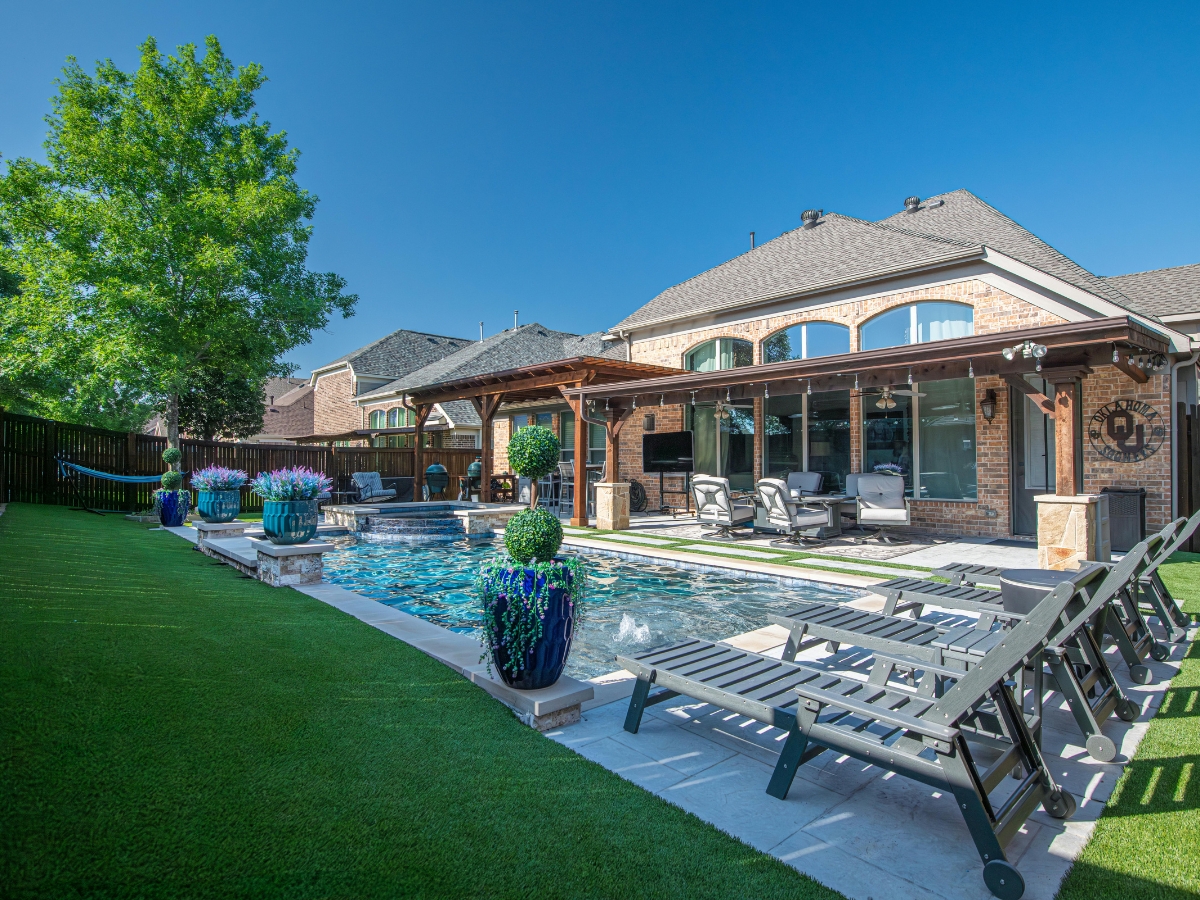
A pool should feel like an escape, not just another feature in your backyard. By creating a Zen garden around your pool, you can transform the space into a calming retreat designed for relaxation and balance.
Clean lines, natural textures, and intentional plant choices work together to create a peaceful atmosphere that encourages quiet reflection as much as casual entertaining.
Unlike busy, cluttered landscapes, a Zen-inspired design focuses on simplicity and flow. Elements like smooth stone, gravel, ornamental grasses, and thoughtfully placed greenery help soften hard surfaces while maintaining a refined, modern look. Water features, subtle lighting, and minimalist décor can further enhance the tranquil mood.
With careful planning, creating a Zen garden around your pool allows you to blend structure and serenity, turning your outdoor area into a space that feels restorative from sunrise to sunset.
Turn Your Pool Area Into a Tranquil Escape With a Zen Garden
What Are the Essential Zen Garden Design Principles for Poolside Landscaping?
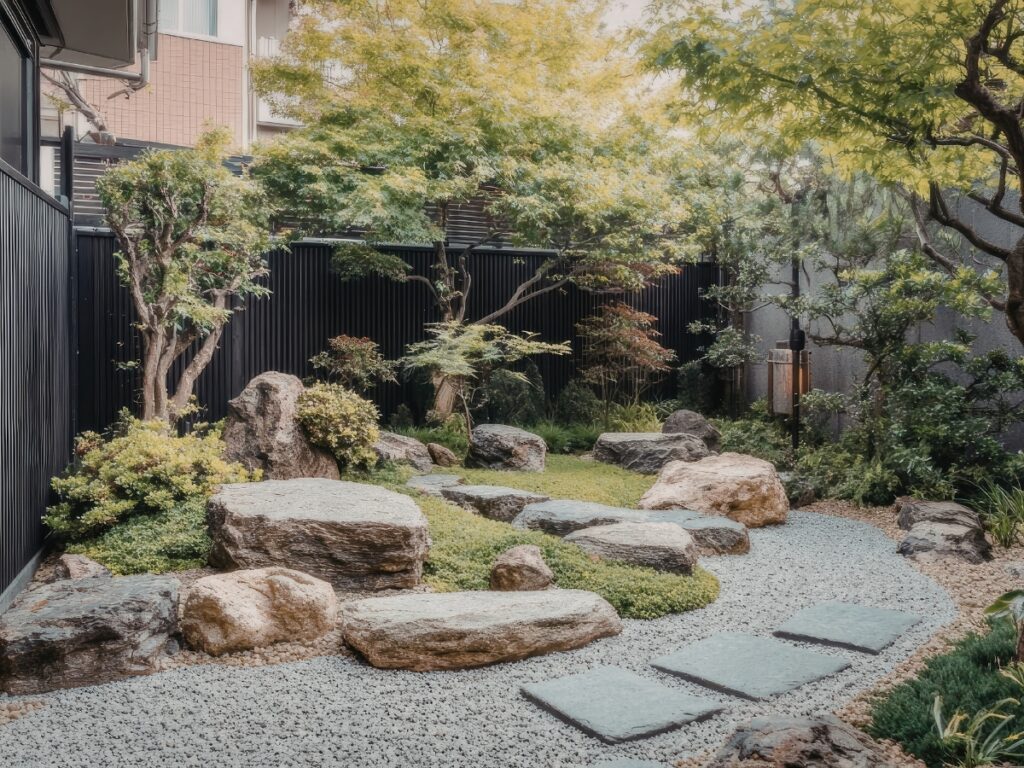
A zen garden works well poolside because both spaces are meant for slowing down. The key is to keep the design simple and intentional so the area feels calm instead of busy. Start with a clear layout that guides the eye and the feet.
That might mean a single path that leads from the patio to a small seating area, or a defined border that separates the pool deck from the garden. A zen garden should feel organized, but not rigid. You want just enough structure to create a sense of order, with natural variation so it still feels alive.
Privacy is another core principle, especially around a pool where you want comfort without closing the space in. Instead of building a hard wall of greenery, use layered screening. A mix of tall plants, mid-height shrubs, and a few sculptural accents can soften sight lines while still letting air and light through.
Sound matters too. Pools already have movement and splash, but a small, controlled sound element can make the space feel more soothing, especially if you live near traffic or noisy neighbors. The trick is to design for quiet moments, not just visual impact.
How Do Natural Elements Like Stones, Bamboo, And Water Features Enhance Serenity?
Natural materials do most of the work in a zen garden because they bring texture without needing extra decoration. Stone is often the anchor. Larger stones can act as visual focal points, while smaller stones or gravel can define paths and transitions near the pool edge.
If you use gravel, keep it contained with edging so it stays tidy and does not drift into walkways. A raked gravel section can also add a meditative feel, but it should be placed where it will not be constantly disturbed by heavy foot traffic.
Bamboo is popular for privacy, but it needs to be chosen carefully. Clumping bamboo is usually easier to manage than running varieties, and it still gives that soft movement and gentle rustle that fits the mood. You can also use bamboo in smaller doses, like a grouped planting behind a bench, rather than making it the only backdrop. The goal is balance, not a wall of one plant.
Water features should stay subtle near a pool. You do not want competing sounds or splashing that feels chaotic. A simple fountain with a steady flow can mask background noise and create a more private feel. If you already have a waterline feature in the pool, you may not need a second one. In a zen garden, restraint often looks more expensive and feels more relaxing.
Which Japanese Garden Concepts Can Be Integrated Into Backyard Meditation Spaces?
A few Japanese garden concepts translate beautifully to a backyard setting without turning your space into a theme. One of the most useful is asymmetry.
Instead of placing matching items on both sides of the pool, use uneven groupings and let negative space do its job. For example, a single stone lantern or sculptural rock near the seating area can have more impact than multiple decorations spread everywhere.
Another concept is “borrowed scenery,” which simply means using what is already around you as part of the view. If you have a mature tree line, a fence, or even an interesting sky view at sunset, design your zen garden to frame that direction. Gravel paths, stepping stones, and low plantings can guide attention outward and create a stronger sense of place.
To keep the space usable, think in zones. A small meditation spot with a bench or flat stone seat can sit just off the pool deck, with plants creating a gentle boundary.
Add one or two focal elements, keep the planting palette tight, and avoid mixing too many materials. When you stick to those basics, a zen garden feels calm and purposeful instead of cluttered.
Which Plants Are Best Suited For A Meditation Garden Around Your Pool In Atlanta?
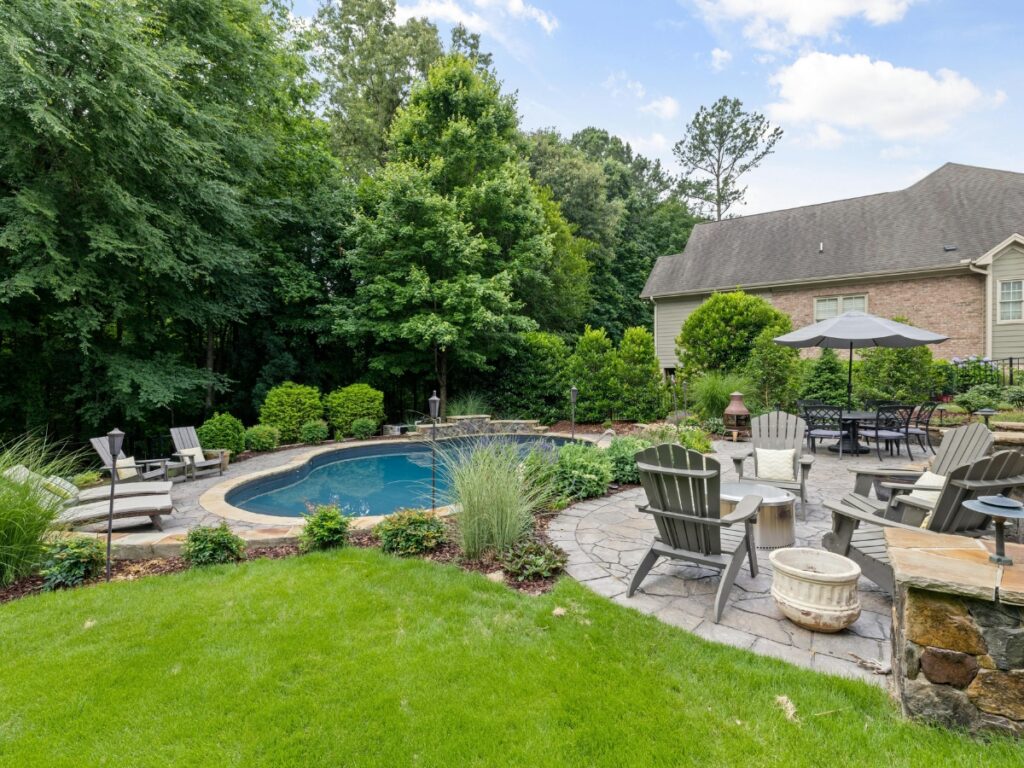
Choosing plants for a poolside meditation space in Atlanta comes down to two things: what will thrive in the heat and humidity, and what will stay calm-looking year-round. For a zen garden vibe, it helps to keep the palette simple and repeat the same shapes and textures instead of mixing too many “statement” plants.
Sun-loving choices like lavender can work well in bright areas, especially where you want a soft scent without a lot of upkeep. Many succulents also handle strong sun and lean soil, making them useful for borders or tucked into gravel sections where you want clean lines and low water needs.
If parts of your pool area get afternoon shade or filtered light, ferns are an easy way to add lush greenery without breaking the peaceful look. They also soften hard edges, which matters around a pool where concrete and stone can feel harsh.
Jasmine is another solid option if you want fragrance, but it does best when you give it structure to climb, and you keep it from taking over nearby plantings. The most important thing is choosing plants that look good even when they are not blooming, since a zen garden is meant to feel balanced in every season, not only during peak flower months.
What Low-Maintenance Plant Species Support A Peaceful Backyard Oasis?
A peaceful backyard should not turn into a high-maintenance project, so focus on plants that hold their shape with minimal fuss. Ornamental grasses are one of the easiest ways to add movement and texture without constant pruning. They also pair naturally with stone and gravel, which helps reinforce a zen garden style.
Succulents are another low-effort option, especially in sunny spots where other plants might struggle. They bring structure and a clean, modern look, and many varieties are forgiving if your watering schedule is not perfect.
If you have a water feature near the pool, aquatic plants can add a calming touch, but it is worth placing them where they make sense. Water lilies, for example, thrive in ponds or contained water features, not in a swimming pool itself. Used correctly, they create a relaxed, reflective feel without complicating the rest of your landscaping.
The overall goal is to build a planting plan that stays tidy with basic trimming, occasional feeding, and seasonal clean-up, rather than something that needs constant attention to look “done.”
How Do Plant Growth Conditions Affect Zen Garden Sustainability?
A zen garden stays sustainable when the plants match the conditions you already have, not when you force the site to support the wrong species. Sun exposure is usually the first factor to map out. Pool decks often reflect heat, and that can stress shade plants even if they technically get partial sun.
Soil is the next issue, especially in landscaped areas built up with fill dirt or areas where construction left compacted ground behind. If the soil drains poorly, plants that prefer drier roots can struggle, and you may end up watering more just to keep everything alive.
Water availability matters too, but not just in the obvious way. Poolside areas can create splash zones where plants get extra moisture, and chemical drift from pool maintenance can affect sensitive leaves.
Choosing hardy plants and giving them a bit of breathing room from the pool edge helps keep the garden healthier with fewer interventions. When you match plants to light, drainage, and microclimates around the pool, the whole design becomes easier to maintain and looks consistent over time.
How To Arrange Plants For A Calm, Cohesive Look
Even the right plants can look busy if they are placed randomly. A simple approach is to group plants in small clusters and repeat those groupings throughout the space. That repetition creates a calm rhythm and keeps the design from feeling cluttered.
Mixing a few upright shapes, like ornamental grasses or bamboo, used thoughtfully, with softer fillers, like ferns, helps the space feel layered without becoming dense.
To keep the meditation area feeling intentional, leave open space on purpose. Gravel, stone, or a clean mulched section can be just as important as greenery in a zen garden. Those quiet gaps give the eye a place to rest and make the plants you do choose look more deliberate.
When the layout stays restrained, and the plant list stays focused, the space feels peaceful, polished, and easy to live with.
How Can Water Features Be Effectively Integrated With Your Pool For A Tranquil Garden?
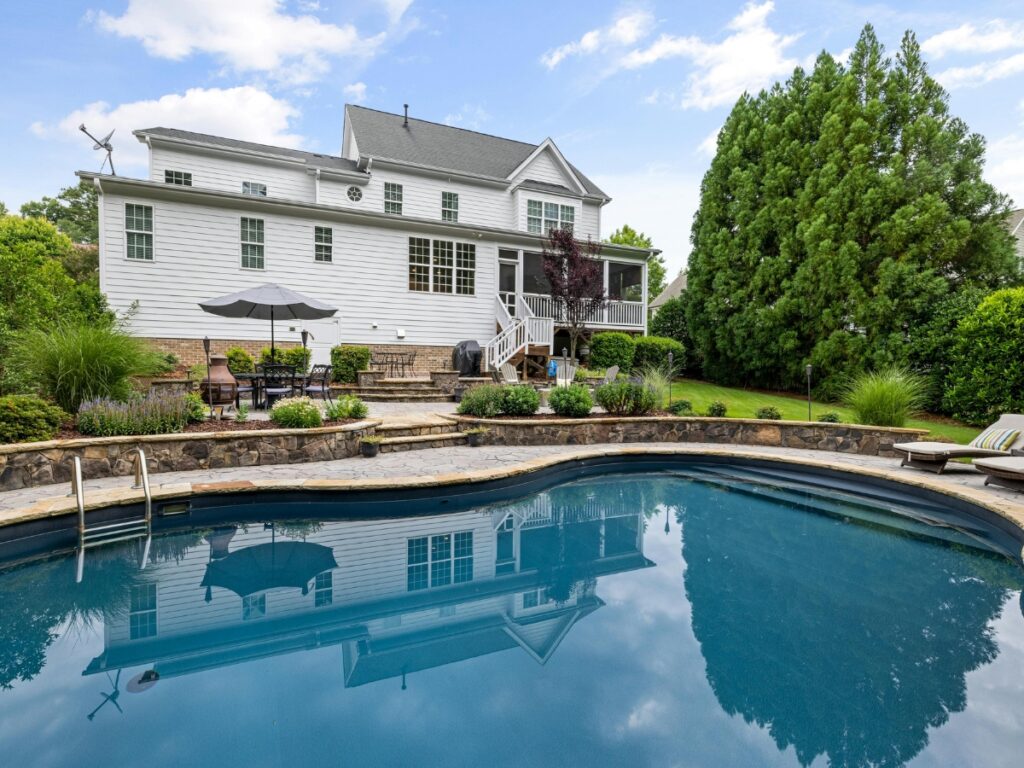
Water features are one of the easiest ways to make a zen garden feel like more than “nice landscaping” around a pool. When they are planned well, they soften the hard lines of decking and stone, add movement without visual clutter, and create a steady sound that makes the whole space feel quieter.
The key is keeping the design intentional. Instead of adding multiple features, choose one main element and place it where it will be seen and heard from the spots you actually use, like lounge chairs, a seating nook, or the path you take to the pool.
To keep things cohesive, match the materials to what you already have. If your pool uses natural stone, carry that same tone into the water feature surround. If the pool area is more modern, a simple basin with clean edges will blend better than something ornate. It also helps to think about scale.
A small feature that is lost in a large backyard will not create much impact, while an oversized waterfall can feel loud and take over the space. A balanced water feature should feel like part of the landscape, not a separate attraction.
A zen garden benefits from restraint, so aim for a clear visual line, a consistent water flow, and minimal add-ons. This approach keeps the look calm while still giving you the sensory payoff that makes the space feel relaxing.
What Types Of Water Features Complement Zen Garden And Pool Designs?
Some water features naturally fit a zen garden because they are simple, controlled, and easy to maintain. A compact fountain can work well near seating areas because it provides sound without needing a large footprint. It is also a good choice if you want something that runs consistently without major splashing.
A sheer-descent style waterfall can complement a pool when it is kept clean and linear, especially if the goal is a modern zen garden look. When the flow is steady and the lines are simple, it reads as calming rather than dramatic.
A reflecting pool is another option if you have room and want a stronger meditation element. It creates a still surface that feels intentional and quiet, especially when paired with stone, gravel, and a few carefully placed plants.
This type of feature often works best slightly away from the pool itself, so it feels like a separate pause point in the landscape. If you want a natural feel, a small spillway that feeds into a contained basin can mimic a stream effect without making the space look busy.
No matter which style you choose, the most zen garden-friendly features are the ones that look good even when the yard is not styled for company. Clean shapes, neutral finishes, and simple water movement tend to hold up best over time.
How Does Water Sound Influence The Meditation Garden Atmosphere?
Sound is a big reason people want a water feature in the first place, and it matters more than the visual in many backyards. A gentle, consistent flow can soften traffic noise, neighbor activity, or general city sounds, which helps the space feel more private without adding tall screens everywhere. The sound also gives your mind something steady to rest on, which is exactly what a zen garden is meant to support.
The trick is choosing the right volume and tone. A light trickle tends to feel calming up close, while a stronger flow carries farther across the yard. If you want the garden to feel like a true retreat, avoid anything that splashes loudly or changes pitch constantly, since that can start to feel distracting.
When the sound stays even, the space becomes easier to settle into, whether you are sitting quietly, stretching, or simply enjoying the pool area at the end of the day. With the right placement and a simple design, a water feature can tie your pool area together and reinforce the calm, grounded feel that defines a zen garden.
What Are The Best Practices For Maintaining A Peaceful Zen Garden And Poolside Landscape?
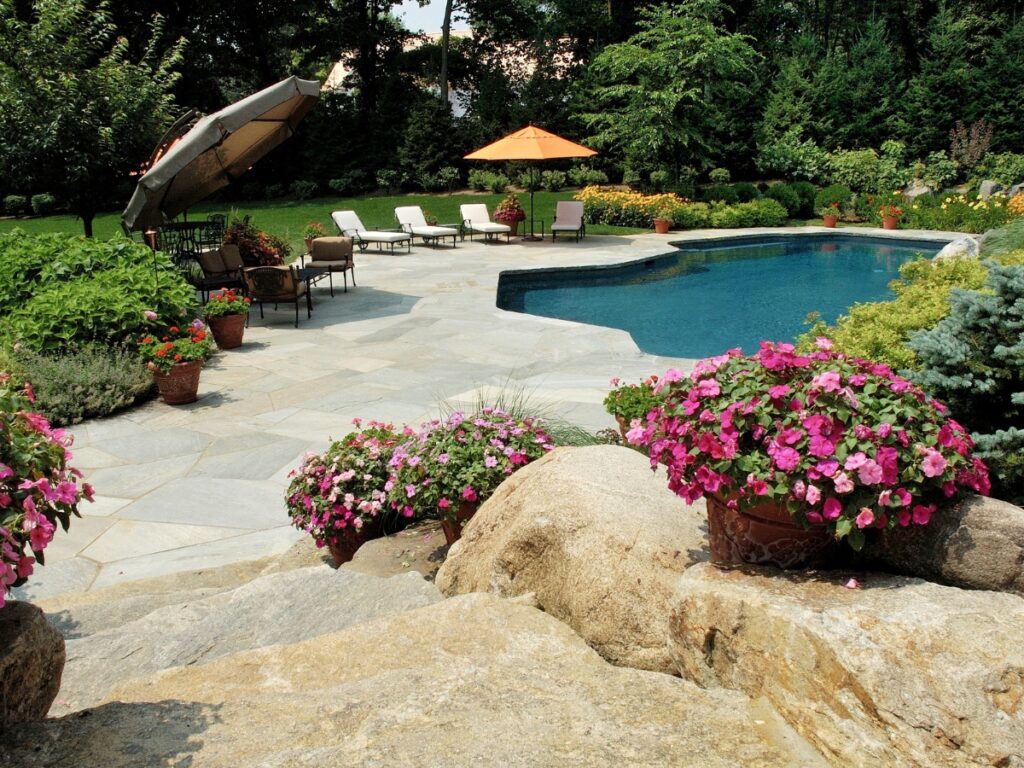
Keeping a zen garden looking calm and intentional is mostly about consistency, not constant work. A zen garden and poolside landscape can get messy fast if debris builds up, water splashes onto gravel, or plants start to crowd pathways.
The goal is to maintain clean lines, healthy plants, and a simple layout that feels easy on the eyes. A quick weekly reset usually goes further than an occasional deep clean. Skim leaves before they stain hard surfaces, rinse dust off stone borders, and keep gravel areas tidy so the space stays crisp even during busy weeks.
Maintenance also matters because pool environments are tougher on landscapes than other parts of the yard. Chlorine splash-out, reflected heat from decking, and heavier foot traffic can stress plants and discolor materials. Choosing durable finishes and sticking to a routine helps your zen garden hold its shape and stay inviting instead of looking worn by mid-season.
If you are building content around zen garden upkeep, it helps to frame maintenance as a simple rhythm. The garden stays peaceful when the basics stay handled, and those basics do not need to take over your weekend.
Which Seasonal Care Tips Ensure Longevity Of Garden And Pool Elements?
Seasonal care is easier when you focus on what changes most: temperature swings, rainfall patterns, and how much debris trees drop. In winter, protect the roots of more delicate plants with a light layer of mulch and avoid overwatering, since soggy soil can cause more problems than cold nights.
It is also a good time to check edging and stone placements. Freeze and thaw cycles can shift materials slightly, and small fixes are easier now than later.
Spring is your reset season. Refresh gravel areas, clean algae or buildup from water features, and trim back anything that grew unruly over winter. If you add new plants, place them with airflow in mind so they stay healthier during humid months.
Summer is usually the most demanding season because heat and evaporation increase. Water deeply but less often so roots grow stronger, and keep an eye on pooling near the pool deck since overspray can create soggy spots.
Fall is when a zen garden can lose its clean look quickly, especially if you have trees nearby. Regular leaf pickup prevents staining and keeps gravel from looking cluttered. It is also a smart time to prune, remove tired annuals, and cut back anything that could drop excessive debris into the pool.
This seasonal pattern helps your zen garden stay balanced and keeps the poolside landscape looking intentional year-round.
How Can Sustainable Maintenance Reduce Effort And Enhance Garden Health?
Sustainable maintenance is not just about being eco-friendly. It is one of the easiest ways to lower the amount of time you spend correcting problems.
When you choose plants that handle your climate and place them in spots that match their sun and water needs, you reduce stress, pests, and constant watering. Native or well-adapted plants also tend to recover better after heat waves, which matters near pool decks where temperatures can run hotter.
Efficient irrigation is another big win. Drip systems or targeted watering at the base of plants keep foliage drier and reduce disease risk, while also using less water than overhead sprinklers.
Mulch helps, too, but keep it neat and controlled so it does not spill into gravel areas or get kicked into the pool zone. Composting yard waste can improve soil structure over time, which means plants establish faster and need less input later.
A well-maintained zen garden should feel calm because it is designed to be manageable. When your maintenance plan supports the layout, the garden stays peaceful without turning into a project.
How Does Clearwater Pools Atlanta Provide Custom Pool And Zen Garden Design Services?
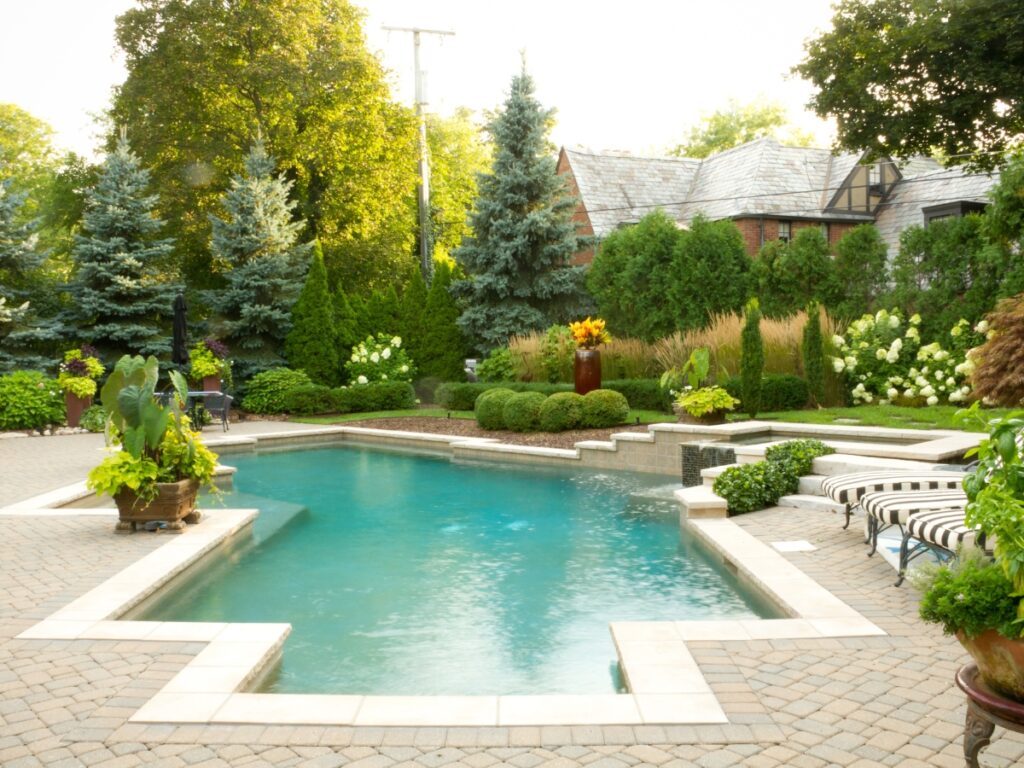
Clearwater Pools Atlanta focuses on creating custom outdoor spaces where the pool and surrounding landscape feel like one connected plan, not separate projects stitched together.
When homeowners want a zen garden alongside a pool, the details matter: sightlines from the patio, how sound travels across the water, where privacy is needed, and which materials will hold up around moisture and foot traffic. A thoughtful design keeps the space simple and calming while still working for real life, including entertaining, kids, pets, and seasonal weather.
A well-designed zen garden can also make a pool area feel more private and intentional. Gravel beds, stone borders, bamboo-style screening, and low-maintenance planting zones help soften hard edges and reduce visual clutter.
When these elements are planned around the pool shape and decking, the finished result looks cohesive and is easier to maintain. A zen garden should feel like a retreat, and that is easier to achieve when both the pool and landscaping are designed with the same priorities from the start.
What Is The Structured Process For Creating Integrated Backyard Oasis Solutions?
Most integrated projects start with a clear plan, not guesswork. The first step is a consultation where the homeowner shares goals, how they use the yard, and what “calm” means for their space.
Some people want a minimalist look with gravel and stone. Others want a greener zen garden with layered plants and a small water feature that does not compete with the pool.
From there, the design phase pulls the pieces together so the pool and garden support each other. This is where decisions like material selection, layout, drainage planning, and lighting placement get handled before construction begins. It also helps avoid common problems, like splash-out soaking planting beds, gravel migrating into walkways, or plants being installed too close to the pool equipment area.
Once the plan is finalized, construction and coordination follow. Pool work and landscape installation are sequenced so heavy work happens first, then the finishing details like stone placement, planting, and any decorative elements that bring the zen garden to life.
The end goal is a poolside space that feels consistent, functions well, and still looks clean and balanced months after installation.
How Can Homeowners Schedule Consultations For Tailored Pool And Garden Projects?
If a homeowner wants a custom pool with a matching zen garden, the best starting point is a design-focused consultation rather than jumping straight into products or materials.
Coming prepared with a few practical notes helps, such as how much shade the yard gets, whether privacy is a concern, and what level of maintenance feels realistic week to week. Even simple preferences, like wanting more stone and fewer plants, can shape the direction of the design.
During a consultation, homeowners can talk through the pool style, how the zen garden will be positioned, and what features will create the most impact without adding unnecessary upkeep. A clear plan makes it easier to stay on budget, avoid rework, and end up with a zen garden that actually supports the calming feel you are trying to create.
Conclusion
A Zen garden surrounding your pool transforms your backyard into a peaceful sanctuary where water, stone, and thoughtful plantings work in harmony to create a deeply relaxing retreat.
By incorporating elements like smooth river rocks, ornamental grasses, and minimalist design, you can achieve a space that promotes tranquility while complementing your pool’s natural beauty.
For expert design and installation of a Zen-inspired poolscape that nurtures your soul, trust Clear Water Pools Atlanta. Ready to create your personal oasis of calm? Call 770-406-8638 or request your free pool estimate today—and let’s build a backyard where serenity meets luxury.