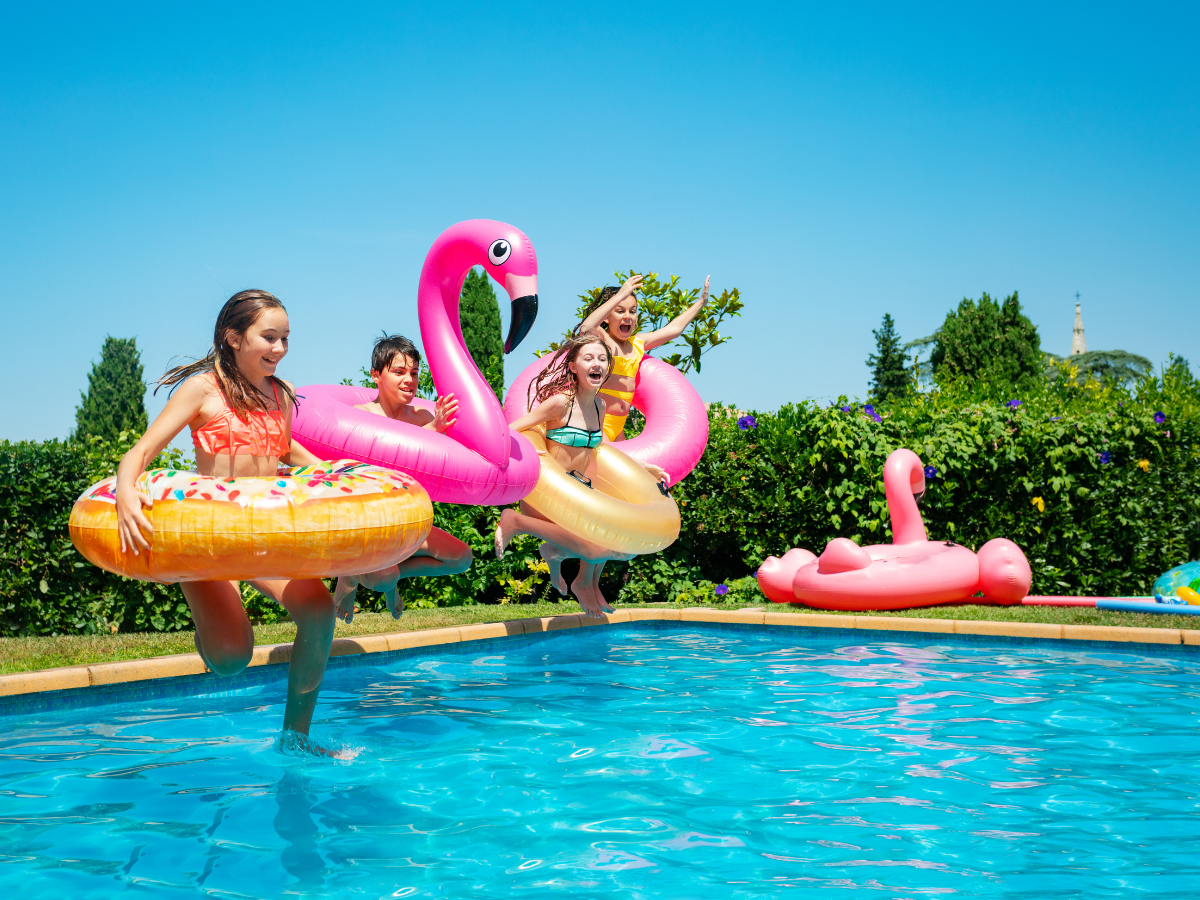
A pool brings people together, but the right games and activities are what turn a regular swim day into a memorable experience. Whether you’re hosting a family gathering, entertaining kids, or relaxing with friends, having a few engaging ideas ready can keep everyone involved and active in the water.
Fun pool games and activities for all ages help create a balance between entertainment, movement, and social interaction. From simple group challenges to more relaxed floating activities, there are plenty of ways to make pool time more interactive without needing complicated equipment.
With the right mix of activities, your pool can become more than a place to cool off. It can become the center of connection, laughter, and lasting summer memories.
Pool Games That Make Summer Swim Days Better
What Are the Best Pool Party Games for Kids and Families?
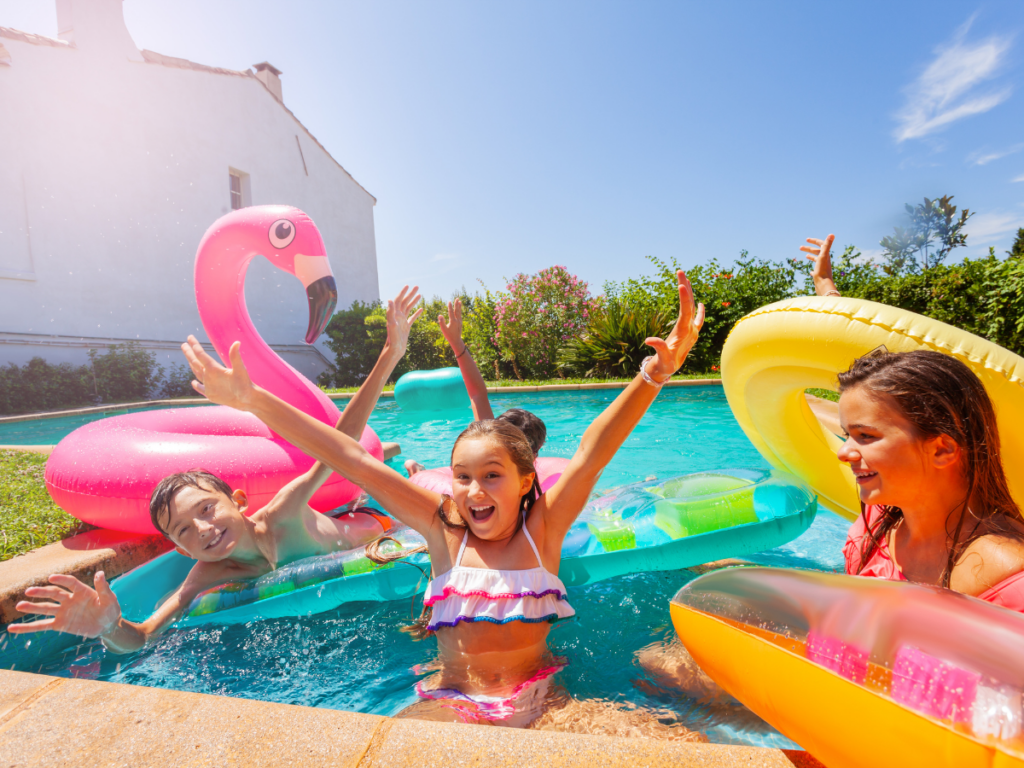
When it comes to pool party games, kids and families have a plethora of options that can keep everyone entertained. These games not only provide fun but also encourage teamwork and social interaction among participants. Age-appropriate games are essential to ensure that everyone can participate and enjoy themselves. Here are some of the best pool party games that are perfect for kids and families:
- Water Balloon Toss: A classic game that promotes teamwork and laughter as players toss water balloons back and forth, trying not to break them.
- Noodle Jousting: Using pool noodles, participants can engage in friendly competition, trying to knock each other off inflatable floats.
- Flip Flop Relay: A humorous relay race where players must balance flip flops on their feet while racing to the finish line.
- Inflatable Obstacle Course: Set up an inflatable course for a fun and challenging activity that encourages teamwork and physical activity.
- Diving for Treasure: Toss coins or small toys into the pool and have kids dive to retrieve them, adding an adventurous twist to pool play.
- Splash Volleyball: A mixed-age team game that combines volleyball with water fun, making it accessible for everyone.
Which Kids Swimming Pool Activities Are Easy And Fun?
Simple activities are often the easiest way to keep younger swimmers entertained. Games that require minimal setup tend to work best because they allow children to jump in quickly without waiting around for instructions.
Floating ring toss is a great example. Kids can aim rings at floating targets while practicing coordination and balance in the water.
Another favorite is “Shark and Minnows,” where one player acts as the shark while the others attempt to swim across the pool without being tagged.
The game keeps children moving and works especially well for larger groups. Poolside freeze tag is another easy option that combines traditional playground fun with swimming, making it ideal for mixed-age gatherings.
For families looking to add variety, diving games can create a more adventurous experience. Tossing weighted toys or coins into the shallow end encourages swimming confidence and underwater practice while still feeling like play.
These kinds of pool games work particularly well during long summer afternoons because they allow children to stay engaged without needing expensive equipment.
How Can Family Pool Games Encourage Inclusive Fun?
The best family pool games are designed so that everyone can participate comfortably, regardless of age or swimming ability. Games that rely heavily on speed or athletic skill can unintentionally leave some participants out, so many families prefer activities that focus more on teamwork and creativity.
Team-based pool games are especially effective for encouraging participation. Activities like splash volleyball or noodle relay races allow stronger swimmers to support younger children while still keeping the competition fun and lighthearted.
Using adjustable rules can also help make games more accessible. For example, younger kids can play from the shallow end while older participants take on more challenging roles.
Creating an inclusive atmosphere often matters more than the game itself. Families who encourage cheering, teamwork, and playful interaction tend to keep everyone involved longer. Even simple games become more memorable when the focus stays on shared experiences instead of winning.
What Pool Games Work Best For Larger Parties?
Larger gatherings benefit from pool games that keep multiple people active at the same time. Relay races are a strong choice because they create excitement without requiring a complicated setup. Teams can race across the pool using inflatable floats, pool noodles, or even beach balls for added challenge.
Inflatable obstacle courses are another popular option for bigger events. These setups give guests a rotating activity that keeps people engaged throughout the party. They also create natural opportunities for spectators to watch and cheer, which adds to the overall atmosphere.
For more relaxed gatherings, floating games can help maintain a calmer pace. Floating basketball hoops or volleyball nets give guests the freedom to participate casually without interrupting conversations or downtime.
Why Do Pool Games Improve The Overall Party Experience?
Well-planned pool games help create structure and energy throughout an event. They encourage guests to interact, keep children entertained, and prevent long periods where people lose interest or drift away from the activity.
Beyond entertainment, pool games also help build confidence in the water. Younger swimmers often become more comfortable swimming and participating when activities feel playful and pressure-free.
Families can use games as a way to encourage movement, teamwork, and social connection without making the experience feel overly competitive. By mixing active challenges with easygoing activities, hosts can create a pool environment that feels welcoming, energetic, and enjoyable for guests of all ages.
What Are Popular Water Games for Adults to Enjoy?
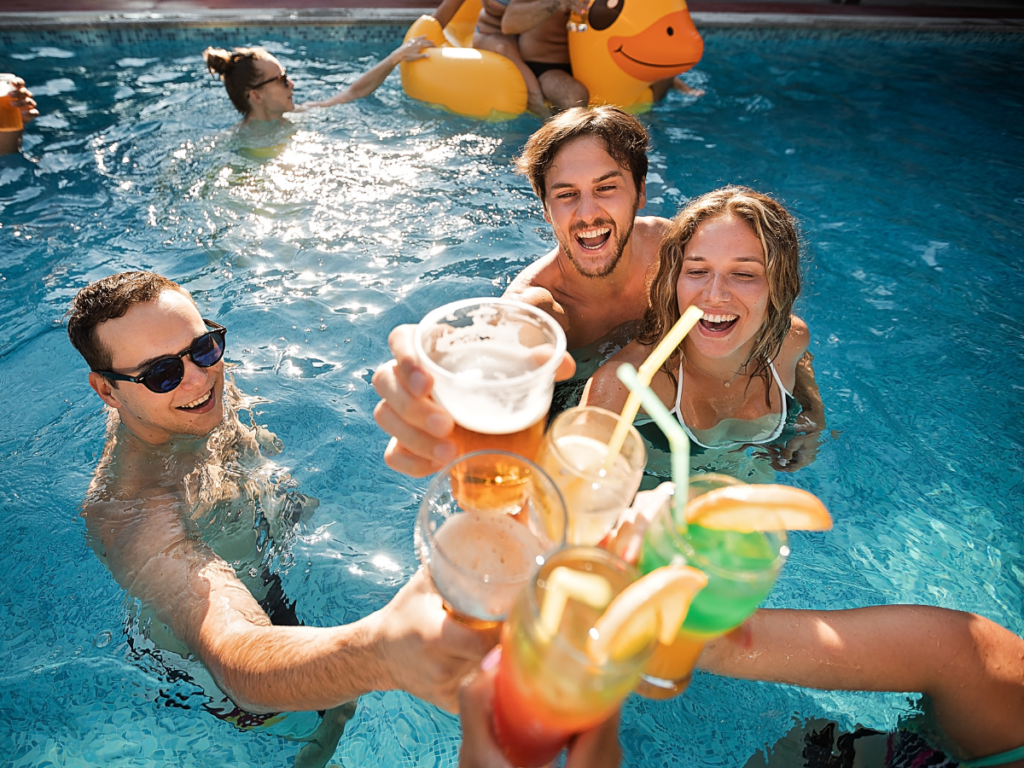
Pool parties are not just for kids. Many adults enjoy pool games that combine competition, relaxation, and social interaction in a way that keeps the atmosphere fun without feeling overly intense.
The best adult-friendly activities usually balance lighthearted entertainment with enough challenge to keep guests engaged throughout the event. Some pool games focus on teamwork and strategy, while others are designed purely for humor and casual fun.
Whether the gathering is a summer barbecue, birthday celebration, or weekend get-together, adding a few organized activities can help guests interact more naturally and keep the energy level consistent throughout the day.
How Do You Play Pool Volleyball And Other Competitive Games?
Pool volleyball remains one of the most popular options for adult pool gatherings because it is easy to set up and works well for both small and large groups.
A floating or fixed net divides the pool into two sides, and teams work together to volley the ball back and forth without letting it hit the water. Since players are moving through water instead of running across a court, the game feels competitive without becoming overly physically demanding.
Most groups keep the rules flexible depending on the size of the pool and the skill level of the players. Some allow unlimited touches for a more casual game, while others follow traditional volleyball rules for a more competitive experience.
The relaxed environment makes pool volleyball one of the easiest pool games to adapt for mixed-age adult groups. Water basketball is another favorite because it combines fast-paced movement with teamwork.
Floating basketball hoops are simple to install and can turn an ordinary swim session into an energetic competition. Unlike traditional basketball, the water adds resistance and unpredictability, which often makes the game more entertaining and less serious.
Relay races and floatie races also work well for adults who want something more playful. Racing across the pool on oversized inflatables creates an intentionally chaotic challenge that tends to generate laughter more than serious competition.
These types of pool games are especially effective at breaking the ice during larger parties where not everyone knows each other well.
Which Pool Games Work Best For Social Gatherings?
Not every adult pool activity needs to revolve around competition. Some of the most successful pool games are designed simply to encourage conversation and group interaction.
Floating trivia games, casual scavenger hunts, and team challenges give guests something to participate in without requiring constant physical activity.
For more laid-back gatherings, games that can be played while relaxing in the water often work best. Floating card tables, waterproof dice games, or simple group challenges can keep people entertained while still allowing time for conversation and socializing.
The atmosphere of the party should help determine the style of activities. A family cookout may benefit from simple team games everyone can join, while a larger adult-only gathering may lean more toward competitive volleyball or inflatable obstacle races.
What Inflatable Pool Toys Enhance Adult Pool Activities?
Inflatable accessories can completely change the energy of a pool party. Oversized loungers and floating islands create comfortable areas where guests can relax between games, while larger inflatable toys often become part of the entertainment themselves.
Inflatable slides and obstacle courses add movement and variety to the pool environment. They create rotating activities for guests and help prevent long periods of inactivity during extended gatherings. These setups are especially useful for larger parties because they give guests multiple ways to stay engaged.
Floating basketball hoops, volleyball nets, and inflatable goals can also make organized pool games easier to set up without requiring permanent equipment. Since many of these items are portable and easy to inflate, they allow hosts to quickly adjust activities throughout the day.
Floating waterproof speakers are another popular addition because music often helps tie the entire party atmosphere together. Combined with the right mix of pool games and lounge areas, these additions can make the space feel more interactive and welcoming.
Why Do Adult Pool Games Improve The Party Experience?
Well-planned pool games help create a more social and energetic environment. They encourage guests to interact naturally, reduce awkward downtime, and give people a reason to stay engaged throughout the event.
Adult gatherings often become more memorable when activities are included because they create shared experiences rather than just passive entertainment. Even simple games can turn into memorable moments when guests are laughing, competing, and participating together.
By combining competitive activities with more relaxed poolside entertainment, hosts can create a balanced atmosphere that appeals to different personalities and energy levels while keeping the event fun from beginning to end.
Which Pool Game Equipment Is Essential For Safe And Fun Play?
The right equipment can make a major difference in how enjoyable and safe pool games feel for guests of all ages. While many water activities require very little setup, having a few reliable pool accessories on hand helps create a more organized and entertaining experience.
Good equipment not only improves gameplay but also helps reduce unnecessary accidents and frustration during group activities.
For families hosting frequent swim parties or summer gatherings, investing in durable pool game equipment can keep activities running smoothly while encouraging more participation from both children and adults.
What Pool Game Equipment Works Best For Different Activities?
Different pool games require different types of equipment, so it helps to think about how the pool will be used before purchasing accessories.
Pool noodles remain one of the most versatile items because they can be used for relay races, floating challenges, mock jousting games, and beginner swim support. Their lightweight design also makes them safer for younger children compared to harder plastic equipment.
Inflatable floats are another essential addition because they work for both active games and relaxation. Larger floats can become part of relay races or obstacle challenges, while smaller loungers create comfortable spaces for guests who want to stay involved without constantly swimming.
For more competitive pool games, volleyball nets and floating basketball hoops are among the most popular choices. A volleyball setup instantly creates a structured group activity that works well for larger gatherings, while basketball hoops encourage fast-paced play without requiring advanced swimming skills.
Diving toys, floating rings, and waterproof balls are also useful because they provide quick entertainment options that can easily shift between casual play and organized games. Having a mix of equipment available allows hosts to adjust activities throughout the day without repeating the same games over and over.
What Pool Game Rules Help Keep Everyone Safe?
Safety should always remain part of any pool setup, especially during active group games. Excited participants can easily become distracted, so establishing a few basic rules before activities begin helps prevent unnecessary injuries and keeps the environment enjoyable for everyone.
One of the most important rules is avoiding running or rough play around the pool deck. Wet surfaces become slippery quickly, particularly during energetic games or relay races. Encouraging participants to move carefully outside the water helps reduce slips and falls.
Adult supervision is equally important whenever children are involved. Even strong swimmers benefit from having attentive adults nearby during organized pool games. Younger participants should also have access to flotation devices if needed, especially when games involve deeper areas of the pool.
Clear boundaries can also help improve safety during larger gatherings. Separating active game areas from quieter lounging spaces reduces collisions and makes the pool feel more organized. This becomes especially helpful when multiple age groups are sharing the space at the same time.
How Do You Choose The Right Pool Equipment?
Choosing the right equipment often depends on the size of the pool, the age range of participants, and the type of atmosphere you want to create.
Smaller pools may benefit more from compact games like floating ring toss or basketball hoops, while larger pools can comfortably accommodate volleyball matches or obstacle courses.
Age appropriateness is another important factor. Younger children usually do better with soft, lightweight equipment that is easy to hold and unlikely to cause injuries. Older kids and adults may prefer larger inflatables or more competitive game setups that require teamwork and strategy.
Durability also matters, particularly for equipment that will be used regularly during the summer. High-quality inflatables, reinforced volleyball nets, and sturdy floating accessories typically last longer and perform better over time.
Choosing equipment made specifically for pool use can also improve safety since these products are designed to handle constant water exposure and movement.
Why Does Good Pool Equipment Improve The Overall Experience?
Well-chosen equipment helps pool games feel more organized, engaging, and accessible. Instead of relying on the same activities every time guests swim, having multiple game options encourages people to participate longer and interact more naturally.
The right accessories also make it easier to adapt activities for different age groups and energy levels. Some guests may prefer competitive games, while others enjoy floating activities or relaxed social games in the water. A variety of equipment allows hosts to create a balanced experience that keeps everyone involved.
When safety, comfort, and entertainment are all considered together, pool games become more enjoyable for families, children, and adults alike.
How Can You Organize Family Pool Activities For Maximum Enjoyment?
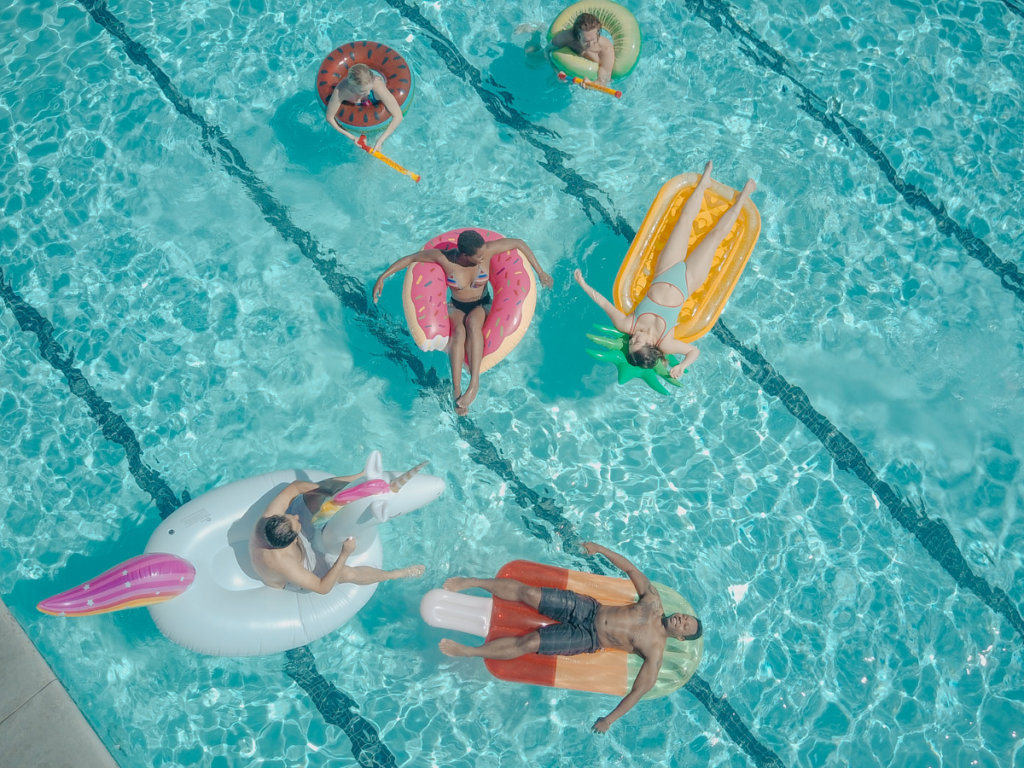
Planning family pool activities takes more than simply choosing a few pool games. The most successful gatherings usually have a good balance of structure, flexibility, and downtime so guests stay engaged without feeling overwhelmed.
Whether the event is a birthday party, holiday cookout, or casual summer afternoon, thoughtful planning can help keep the energy positive and make the experience more enjoyable for everyone involved.
A well-organized pool day creates opportunities for both active fun and relaxed social time. By mixing different types of activities throughout the event, families can keep children entertained while also giving adults space to participate comfortably.
Why Does A Schedule Improve Pool Activities?
Having a loose schedule helps pool games feel more organized without making the day feel overly rigid. Instead of trying to fit every activity into the same part of the afternoon, spacing games out naturally keeps guests interested longer.
Many families begin with lighter activities while guests settle in. Simple games like floating ring toss, diving challenges, or relay races are easy ways to break the ice and encourage participation early in the event.
As the party becomes more energetic, larger group pool games like volleyball or inflatable obstacle races can help maintain momentum.
Planning activities in stages also prevents burnout, especially for younger children. Constant swimming and high-energy games can become exhausting in hot weather, so alternating active games with quieter moments gives everyone time to recharge.
How Do Breaks Keep Guests Comfortable And Engaged?
Breaks are an important part of organizing successful family pool activities. Spending long periods in the sun can quickly become tiring, especially during peak summer temperatures. Short pauses between pool games give guests a chance to hydrate, cool down, and socialize outside the water.
Food and snack breaks also help create a more relaxed atmosphere. Casual poolside meals or refreshments naturally encourage conversation and give participants time to rest before the next activity begins. This pacing often makes the entire gathering feel more comfortable and less chaotic.
Providing shaded seating areas can also improve the overall experience. Guests who are not actively swimming still feel included when they have comfortable places to relax and watch the activities. This balance between movement and downtime helps keep the event enjoyable for different personalities and age groups.
Which Pool Games Work Best For Mixed Age Groups?
One challenge with family gatherings is finding pool games that appeal to both children and adults. Activities that rely too heavily on speed or athletic ability can unintentionally leave some people out. The best family pool games are usually the ones that can be adjusted easily based on age and comfort level.
Team-based games often work especially well because they allow stronger swimmers to support younger participants. Pool volleyball, noodle races, and scavenger hunts encourage cooperation instead of placing all the focus on competition. Families can also modify rules to keep games inclusive and prevent frustration.
For younger children, simpler games with clear objectives tend to hold attention longer. Older kids and adults may enjoy more competitive challenges or larger inflatable setups. Mixing these activity styles throughout the event helps maintain interest for everyone involved.
How Can You Keep Pool Activities Organized Without Feeling Overplanned?
The most enjoyable pool gatherings usually feel natural rather than tightly controlled. Instead of scheduling every minute, it often works better to prepare several activity options and introduce them gradually based on the group’s energy level.
Having equipment ready ahead of time can make transitions smoother. Pool noodles, inflatables, floating basketball hoops, and waterproof balls allow hosts to shift between different pool games quickly without interrupting the flow of the party.
Flexibility also matters because not every activity will appeal to every guest. Some people may prefer lounging and socializing, while others want continuous games and competition. Allowing guests to participate casually helps create a more welcoming environment.
Why Do Organized Pool Activities Create Better Family Experiences?
Well-planned pool activities encourage interaction, teamwork, and shared memories. Instead of guests separating into smaller groups or losing interest, organized pool games give people a reason to stay engaged and connected throughout the event.
Families often remember the moments of laughter and friendly competition long after the party ends. By combining structure, flexibility, and inclusive activities, hosts can create a pool environment that feels energetic, comfortable, and enjoyable for guests of all ages.
What Seasonal Pool Activities Are Best For Different Times Of Year?
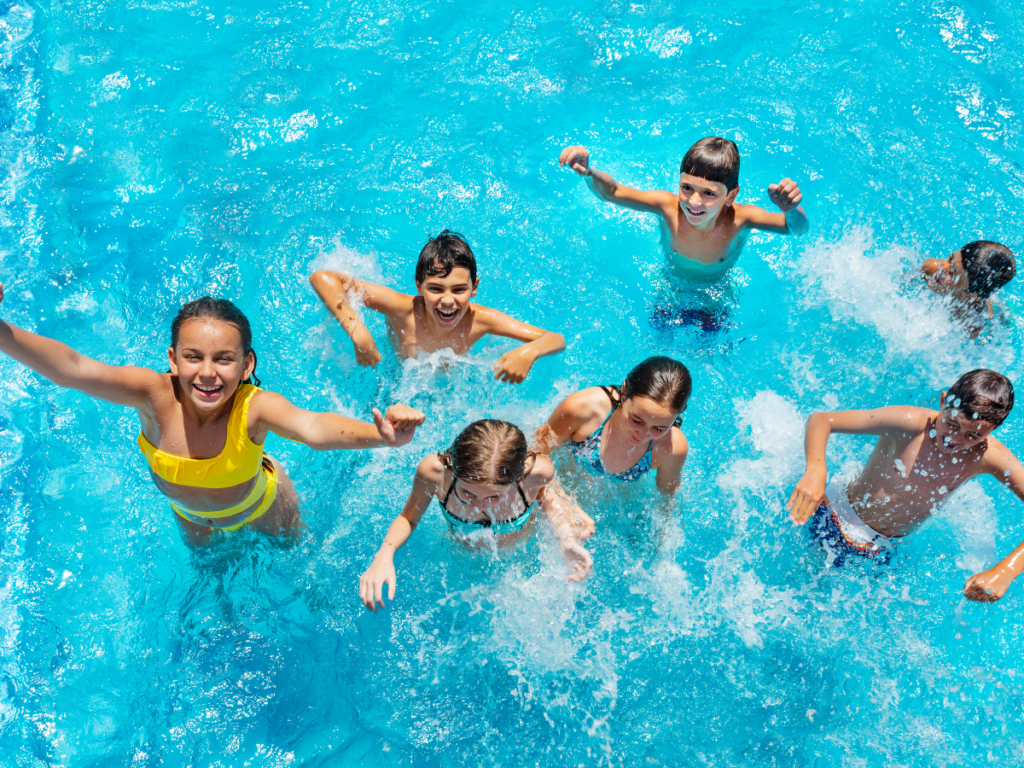
Pool games are often associated with summer, but a well-designed pool can be used creatively throughout much of the year. Adjusting activities to match the season helps keep gatherings fresh and gives families more ways to enjoy their outdoor space beyond the typical summer pool party.
Different weather conditions, temperatures, and holidays naturally create opportunities for different types of pool games and social events. By planning activities around the season, homeowners can make better use of their pool while creating unique experiences for guests and family members throughout the year.
Which Pool Games Work Best During Summer?
Summer is the peak season for pool games because warm temperatures make longer swimming sessions more comfortable. During this time of year, high-energy activities tend to work especially well since guests are looking for ways to stay cool while remaining active.
Classic pool games like volleyball, relay races, water basketball, and diving challenges are popular choices for summer gatherings. Inflatable obstacle courses and floatie races also become more practical during hotter months because guests are usually more willing to spend extended time in the water.
Large group activities often work best in summer because schools are out, family vacations are common, and outdoor entertaining becomes more frequent.
Pool parties during this season typically focus on creating an energetic atmosphere with music, inflatables, and rotating activities that keep people engaged throughout the day.
How Can Pool Activities Be Adapted For Fall?
Fall creates a different atmosphere around the pool, especially as temperatures begin to cool. Instead of focusing entirely on high-energy swimming, many families shift toward themed gatherings and more relaxed social activities.
Halloween-themed pool games are especially popular during early fall. Floating pumpkin decorating contests, glow-stick diving games, and evening pool parties with seasonal decorations can create a unique experience that feels different from traditional summer events.
Cooler weather also makes heated pools more appealing. Families with heated pools often continue using them for casual games and smaller gatherings long after summer ends. Poolside fire pits, warm drinks, and evening lighting can help transform the space into a more comfortable fall entertainment area.
What Pool Activities Work During Winter And Spring?
In warmer climates or homes with heated pools, winter pool activities can still be part of family gatherings. Instead of focusing on large competitive games, winter pool use often leans toward smaller group activities and more relaxed entertainment.
Indoor pools or heated outdoor pools are ideal for floating games, casual basketball, or low-impact water activities during colder months. Since winter gatherings are usually smaller, pool games often become more social and less focused on structured competition.
Spring, on the other hand, tends to mark the return of more active pool use. As temperatures rise again, families often use spring gatherings as an opportunity to reintroduce outdoor entertainment.
Lighthearted pool games, seasonal parties, and casual weekend swim events become more common as people prepare for summer. Spring is also a good time for introducing new pool equipment or inflatables since the weather is usually mild enough for longer outdoor activities without the extreme heat of midsummer.
How Do Pool Design Features Improve Seasonal Activities?
The design of the pool itself can influence which pool games and activities work best throughout the year.
Shallow lounging areas are especially useful for younger children and guests who prefer more relaxed activities. These spaces allow people to remain part of the gathering without fully participating in active games.
Tanning ledges and built-in seating areas help create more flexible entertainment spaces. During social gatherings, guests can comfortably relax near the activity instead of staying entirely outside the pool. This layout makes it easier to balance games with conversation and downtime.
Water features and lighting can also change the atmosphere depending on the season. Decorative lighting helps support evening pool games and nighttime gatherings, while fountains and waterfalls can make the environment feel more lively during daytime events.
Why Do Seasonal Pool Activities Keep Gatherings More Engaging?
Changing pool activities throughout the year helps prevent gatherings from feeling repetitive. Seasonal themes, weather adjustments, and different entertainment styles allow families to use their pool in more creative ways instead of relying on the same games every time.
Well-planned pool games also encourage guests to interact more naturally and create memorable experiences tied to specific seasons or holidays. By adapting activities to the time of year, homeowners can turn their pool into a more versatile and enjoyable space year-round.
What Are Easy Water Relay Races And Team Games For Pools?
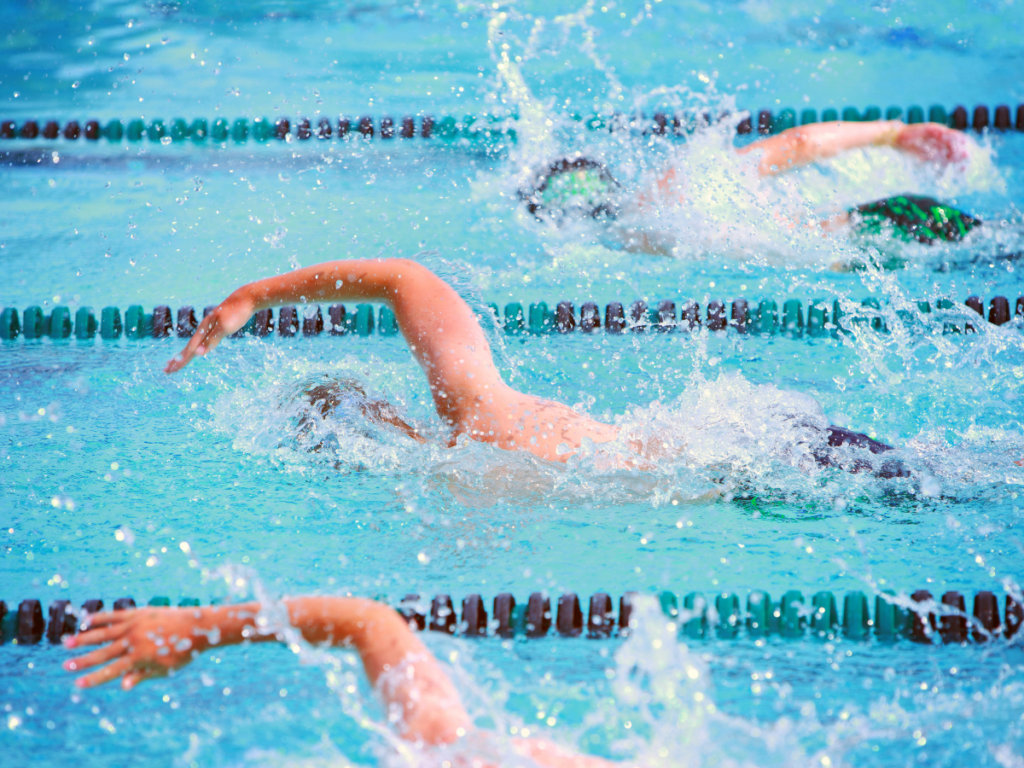
Water relay races and team-based pool games are some of the easiest ways to keep large groups entertained during pool parties and family gatherings. These activities encourage movement, teamwork, and friendly competition without requiring expensive equipment or complicated rules.
Since many relay-style pool games can be adjusted for different ages and skill levels, they work well for both casual backyard events and larger organized parties.
The appeal of relay races comes from their flexibility. Some games focus on speed, while others are designed more for laughter and cooperation. By mixing different styles of challenges, hosts can keep guests engaged throughout the event without repeating the same activity over and over.
How Do You Set Up Water Relay Races?
Setting up relay-style pool games is usually simple and requires very little preparation. Most races begin by dividing participants into evenly matched teams. Keeping teams balanced helps maintain fair competition and keeps everyone involved throughout the activity.
Once teams are formed, the next step is creating a clear course or challenge area. Depending on the size of the pool, this could involve swimming from one side to the other, navigating around floating obstacles, or completing small tasks before tagging the next teammate.
Simpler layouts often work best because they keep the pace moving and prevent confusion during the game. Clear instructions are also important before starting any relay race.
Since pool environments can become noisy and energetic, explaining the rules ahead of time helps avoid interruptions once the activity begins.
Many families find that keeping the rules flexible creates a more enjoyable experience, especially when younger children are participating alongside older kids or adults.
Which Relay-Style Pool Games Are Most Popular?
Classic swimming relays remain one of the most popular choices because they are easy to organize and require no additional equipment.
Teams simply race to a designated point and back while tagging the next swimmer in line. This style of game works well for nearly any age group and can easily be adapted for different swimming abilities.
Sponge relays are another favorite because they combine teamwork with humor. In this game, participants transfer water using soaked sponges from one container to another across the pool or deck area.
The challenge comes from trying to move as much water as possible before time runs out, which often leads to plenty of laughter and friendly competition.
Balloon-themed races also remain popular during summer gatherings. Water balloons can be incorporated into relay-style games where participants must carry, toss, or protect balloons while completing different challenges.
Since these activities focus more on coordination than athletic ability, they tend to work especially well for mixed-age groups.
Which Team Pool Games Encourage Group Interaction?
Some pool games are designed less around speed and more around cooperation. These activities help guests interact naturally and often create a more relaxed atmosphere during parties and family events.
Water balloon tosses are one of the simplest examples. Teammates gradually move farther apart while tossing balloons back and forth, trying to avoid breaking them. The game encourages communication and teamwork while keeping the mood lighthearted.
Noodle jousting is another popular option for group interaction. Players sit on inflatable floats and attempt to gently knock opponents into the water using pool noodles. Since the game is intentionally playful and difficult to take seriously, it often becomes a crowd favorite during larger gatherings.
Inflatable obstacle courses are also effective for encouraging teamwork. Teams can race through floating barriers, slides, and inflatable tunnels while supporting each other throughout the course. These larger setups create ongoing entertainment and work especially well during all-day pool parties.
Why Do Relay Races Work So Well At Pool Parties?
Relay races and team pool games naturally keep people engaged because they create constant movement and interaction. Unlike activities where only one or two people participate at a time, relay games involve entire groups working together toward a shared goal.
These types of pool games also help break up social barriers during gatherings where guests may not know each other well. Friendly competition gives people an easy way to interact without feeling awkward or pressured.
By combining teamwork, movement, and humor, relay-style pool activities create a more energetic and memorable atmosphere for guests of all ages.
What Are The Top Safety Tips For Pool Games And Activities?
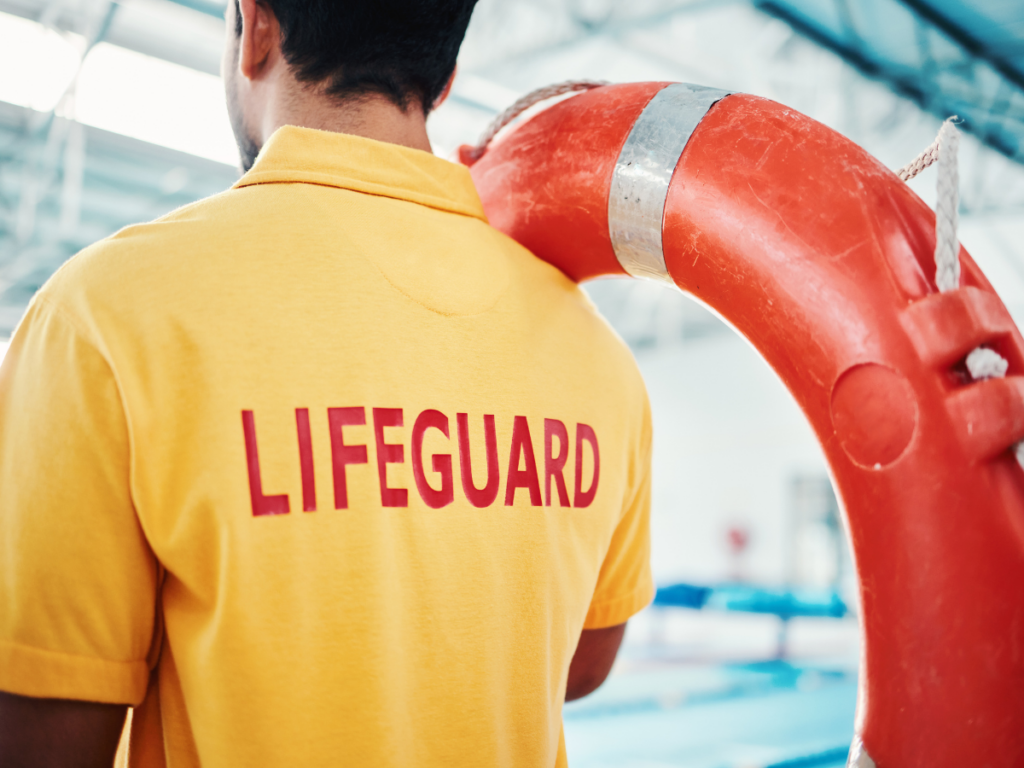
Pool games are meant to create fun, excitement, and memorable experiences, but safety should always remain part of the planning process. Active water games can quickly become chaotic if there are no clear rules or supervision in place, especially during large family gatherings or children’s parties.
Creating a safe environment does not mean limiting the fun. In most cases, simple precautions make pool games more enjoyable because guests can relax and participate with greater confidence.
Whether the activities involve competitive relay races, inflatable obstacle courses, or casual floating games, keeping safety in mind helps prevent avoidable accidents and keeps the event running smoothly.
Why Is Supervision Important During Pool Games?
Adult supervision is one of the most important safety factors during any pool activity. Even confident swimmers can become distracted or overly excited during games, which increases the risk of slips, collisions, or exhaustion.
Younger children especially benefit from having attentive adults nearby while participating in pool games. For smaller children or inexperienced swimmers, adults should remain close enough to provide immediate assistance if needed.
Staying within arm’s reach gives children more confidence while also allowing quick responses in unexpected situations. Larger gatherings often benefit from assigning a designated “water watcher.”
This person focuses entirely on supervising the pool area for a set period of time before another adult takes over. Rotating this responsibility helps ensure that supervision remains consistent throughout the event without relying on one person to monitor activities for hours.
Reducing distractions is equally important. Phones, conversations, and party responsibilities can easily pull attention away from the pool. During active games, staying focused on participants helps adults notice potential problems before they become serious.
How Can Swimming Ability Affect Pool Safety?
Not every participant will have the same level of swimming experience, and recognizing those differences is essential when organizing pool games. Activities should match the comfort and skill level of the group rather than assuming everyone can participate equally.
For younger children or weaker swimmers, flotation devices and shallow-water activities provide safer alternatives to deeper competitive games. Pool noodles, life jackets, and inflatable support devices can help participants feel more comfortable while still remaining involved in the activities.
Hosts should also avoid games that encourage risky behavior, such as holding breath contests or rough physical play in deeper areas of the pool. Keeping the focus on cooperative and age-appropriate games creates a safer environment without reducing the entertainment value.
What Are The Most Common Pool Game Hazards?
Slips and falls remain some of the most common pool-related accidents. Wet surfaces around the pool deck become extremely slippery during active games, especially when participants are running or moving quickly between activities. Encouraging guests to walk carefully around the pool can significantly reduce injuries.
Overexertion is another common issue, particularly during long summer gatherings. Active pool games combined with heat exposure can lead to fatigue, dehydration, or dizziness if participants are not taking regular breaks.
Providing shaded areas, water, and scheduled downtime helps guests recover between activities and stay comfortable throughout the event.
Crowded pool conditions can also create safety concerns. Too many simultaneous activities increase the risk of accidental collisions and make supervision more difficult. Dividing the pool into separate zones for active games and casual lounging can help maintain better organization and reduce confusion.
How Can Hosts Prepare For Emergencies?
Being prepared for emergencies is an important part of hosting any pool gathering. Basic safety equipment should always remain accessible near the pool area. First aid kits, flotation devices, and life jackets can help address smaller incidents quickly while waiting for additional assistance if necessary.
Hosts should also make sure adults know where emergency equipment is located before games begin. In larger gatherings, reviewing simple pool rules ahead of time can help establish expectations and improve overall awareness.
Good lighting becomes especially important for evening pool games. Well-lit pool decks and swimming areas improve visibility and help reduce accidents after sunset.
Why Do Safety Rules Improve The Overall Experience?
Clear safety rules actually make pool games more enjoyable because they create a more comfortable environment for everyone involved. Guests are more likely to participate confidently when the activities feel organized and well-supervised.
Simple precautions like adult supervision, hydration breaks, and age-appropriate games help reduce stress while allowing families and guests to focus on having fun together. By combining entertainment with thoughtful planning, pool games can remain exciting, social, and safe for participants of all ages.
Conclusion
A well-designed pool creates more than just a place to cool off. It becomes a space where families and friends can relax, stay active, and make lasting memories together.
From classic pool games to organized activities for kids and adults, the right pool setup can turn any backyard into the center of summer fun and entertainment. Clear Water Pools Atlanta specializes in creating custom pools designed for relaxation, recreation, and long-term enjoyment.
Whether you are planning a new pool installation or upgrading your outdoor living space, our experienced team can help bring your vision to life. Call 770-406-8638 or request your pool estimate today.