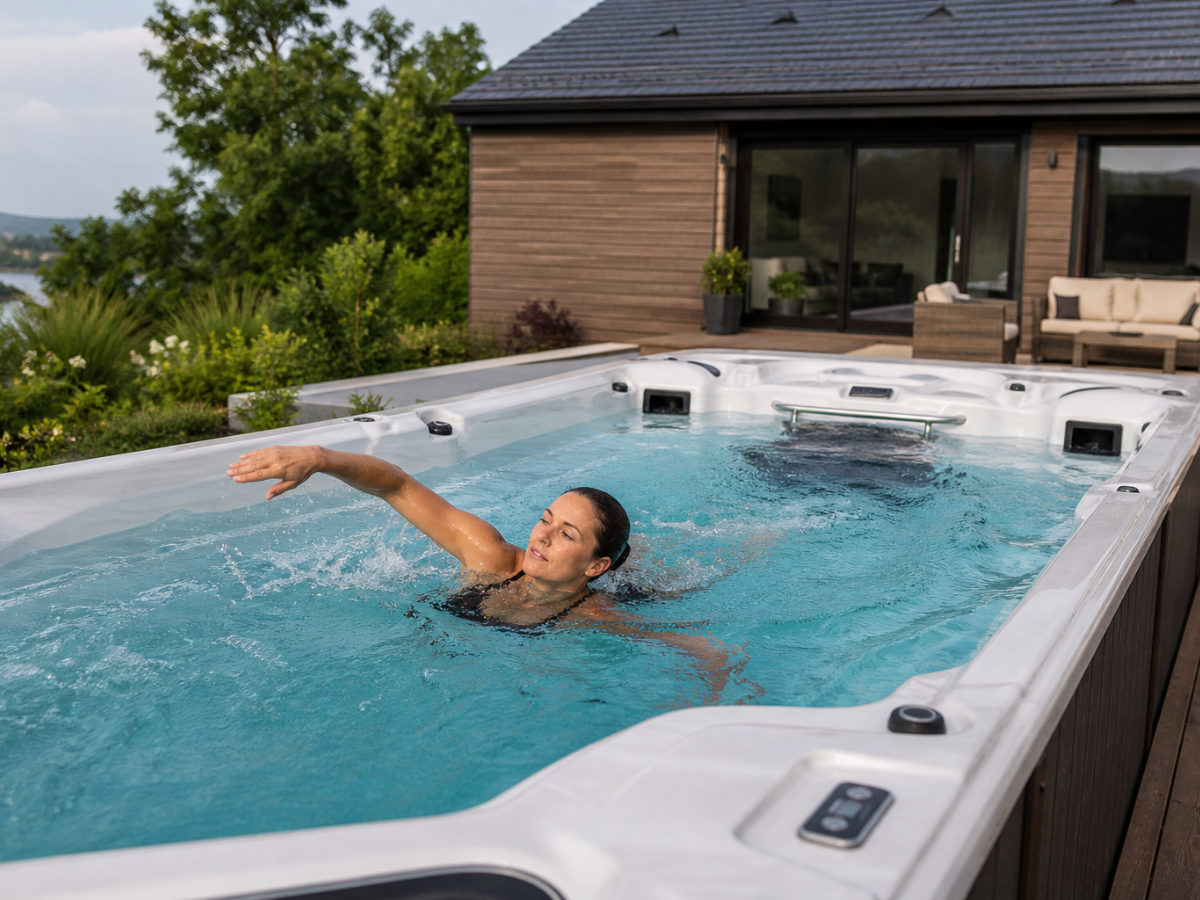
Staying active doesn’t have to put stress on your joints or require a full gym setup. Water-based exercise offers a different approach, combining resistance, support, and flexibility in one environment. Exercise pools and swim spas make it possible to train, recover, and relax in a space designed for both fitness and comfort.
The benefits of exercise pools and swim spas go beyond convenience. They support low-impact workouts, improve circulation, and provide hydrotherapy advantages that can help with muscle recovery and mobility.
Adjustable currents and temperature control also allow for a wide range of uses, from gentle rehabilitation to more intense training. With the right setup, aquatic fitness can become a practical, year-round option for improving overall health while reducing strain on the body.
Exercise Pools & Swim Spas for Hydrotherapy and Daily Movement
Who Benefits Most From Using Exercise Pools And Swim Spas?
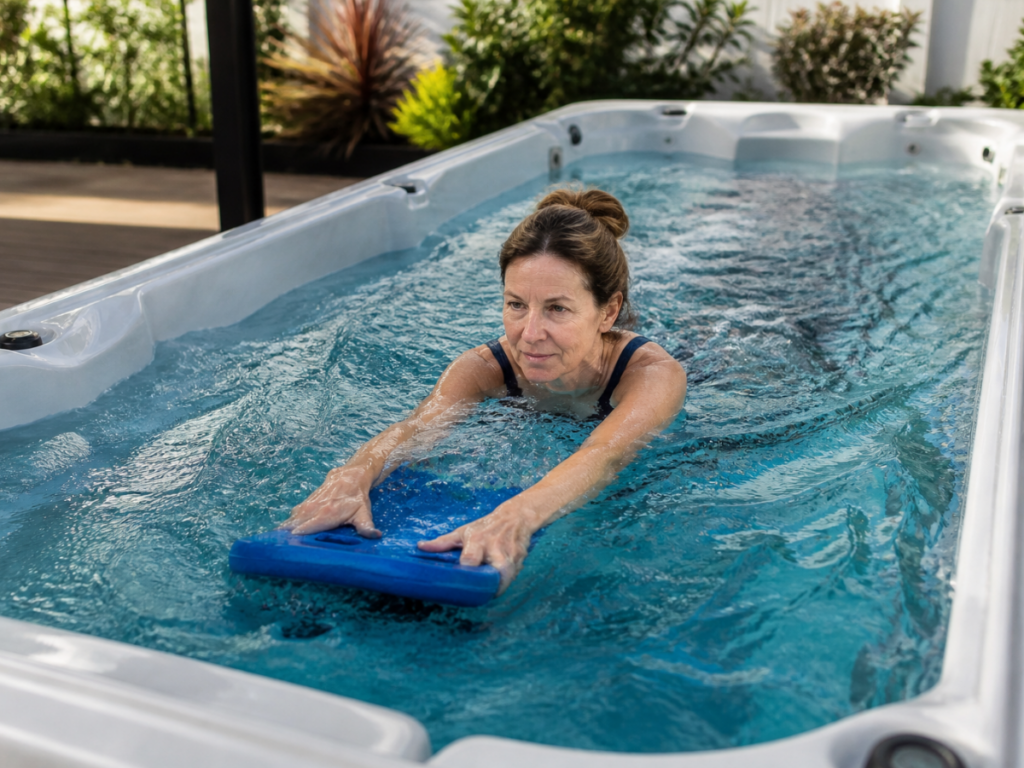
Exercise pools and swim spas are designed to be adaptable, which is why they appeal to such a wide range of users.
Rather than serving a single purpose, they create a flexible environment where people can focus on fitness, recovery, or general well-being depending on their needs. This versatility makes them a practical option for individuals at different stages of health and activity.
One group that benefits significantly includes those dealing with joint discomfort. Conditions like arthritis or chronic stiffness can make traditional workouts difficult to maintain.
In exercise pools, the buoyancy of water reduces pressure on joints, allowing for smoother, more comfortable movement. This makes it easier to stay active without increasing pain, which is often a key factor in long-term mobility.
People recovering from injuries also find value in aquatic environments. Rehabilitation often requires controlled movement and gradual progression, and water naturally supports both. Exercise pools provide a setting where individuals can rebuild strength and flexibility at their own pace.
The resistance of water adds a gentle challenge, while the reduced impact lowers the risk of re-injury. This balance makes recovery feel more manageable and less intimidating.
How Exercise Pools Support Active And Fitness-Focused Users
Beyond rehabilitation, exercise pools are also well-suited for individuals who want to maintain or improve their overall fitness. Water-based workouts can be surprisingly effective, especially when it comes to building endurance and strength without placing excess strain on the body.
For those focused on weight management, aquatic exercise offers a consistent way to burn calories while staying comfortable.
The resistance of water requires the body to work harder during movement, even when the exercises feel low intensity. This makes it possible to engage in longer sessions, which can support steady progress over time.
Fitness enthusiasts who are looking to vary their routines can also benefit from the versatility of exercise pools. Activities can range from swimming and resistance training to simple walking or stretching. This variety helps prevent burnout and keeps workouts engaging, which is an important part of maintaining consistency.
Why Exercise Pools Appeal To Different Age Groups
Another reason exercise pools have broad appeal is their accessibility across different age groups. Younger users may appreciate the ability to incorporate aquatic training into a fitness routine, while older individuals often value the reduced impact and increased comfort.
For older adults, maintaining strength and balance becomes increasingly important. Exercise pools provide a supportive environment where these goals can be addressed safely. Movements that might feel unstable on land can be performed with more confidence in the water, which encourages regular activity.
At the same time, families and households with mixed needs can benefit from having a shared space that accommodates everyone. One person may use the pool for exercise, while another focuses on recovery or relaxation. This flexibility makes exercise pools a practical addition to many homes.
A Versatile Solution For Long-Term Wellness
What sets exercise pools and swim spas apart is their ability to adapt to changing needs over time. Someone who starts using the pool for recovery may later transition into more active workouts, or vice versa. This kind of flexibility supports long-term use rather than short-term goals.
Because the environment is both supportive and challenging, it encourages consistency without placing unnecessary stress on the body. That combination is what makes exercise pools valuable for such a wide range of users.
Whether the goal is to stay active, recover from injury, or simply move more comfortably, they offer a balanced and sustainable way to support overall health.
How Do Aquatic Exercises Improve Cardiovascular Health?
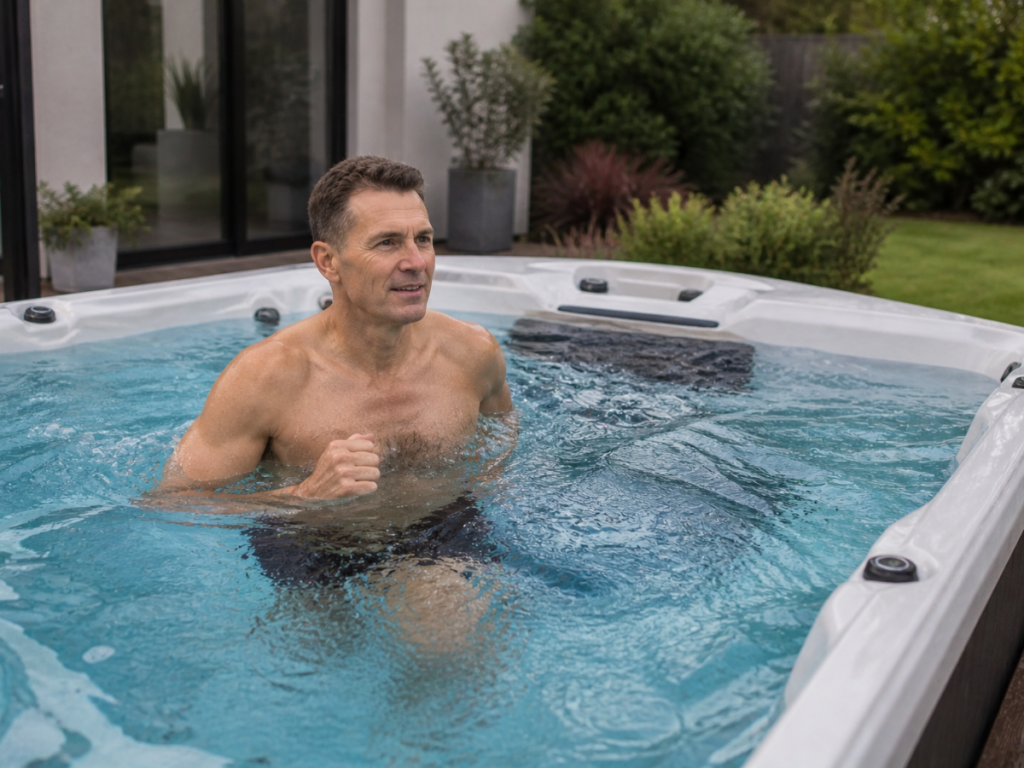
Aquatic workouts offer a practical way to build cardiovascular strength without putting unnecessary strain on the body.
In well-designed exercise pools, the natural resistance of water creates a steady challenge for the heart and lungs while still keeping movement controlled and supported. This balance makes water-based training accessible for a wide range of fitness levels.
One of the main advantages is the low-impact environment. Water buoyancy reduces pressure on joints, which allows for longer workout sessions without the same level of fatigue or discomfort you might experience on land.
This is especially helpful for people recovering from injury or those looking for a more sustainable way to stay active. Because movement feels easier on the body, it often becomes easier to stay consistent with exercise over time.
At the same time, water provides constant resistance in every direction. Even simple movements such as walking, jogging, or performing light aerobic routines require more effort than they would on land.
This added resistance encourages the heart to work a bit harder, gradually improving endurance and circulation. In exercise pools, this effect can be adjusted depending on water depth, speed, and the type of activity being performed.
Another benefit comes from how breathing adapts during aquatic exercise. The pressure of the water around the body encourages more controlled breathing patterns.
Over time, this can help improve lung efficiency and oxygen intake, both of which play a role in overall cardiovascular health. Activities like lap swimming or structured water aerobics naturally reinforce these patterns without requiring specialized training.
Consistency is where these benefits really add up. Regular use of exercise pools allows individuals to maintain an elevated heart rate in a way that feels manageable rather than overwhelming. This makes it easier to build stamina gradually, which is key to long-term cardiovascular improvement.
Instead of pushing through high-impact workouts that can lead to burnout or injury, aquatic exercise offers a steady and sustainable approach.
It is also worth noting how adaptable these workouts can be. Exercise pools support a wide range of activities, from gentle rehabilitation movements to more intense interval training. This flexibility allows people to adjust their routines as their fitness level changes, keeping workouts effective without becoming repetitive.
In the end, aquatic exercise stands out because it combines efficiency with comfort. By reducing strain on the body while still challenging the cardiovascular system, it creates an environment where people can stay active longer and recover more easily.
For anyone looking to improve heart health in a practical, low-impact way, exercise pools provide a reliable and versatile solution. enhance cardiovascular health.
In What Ways Do Swim Spas Aid Muscle Recovery And Hydrotherapy?
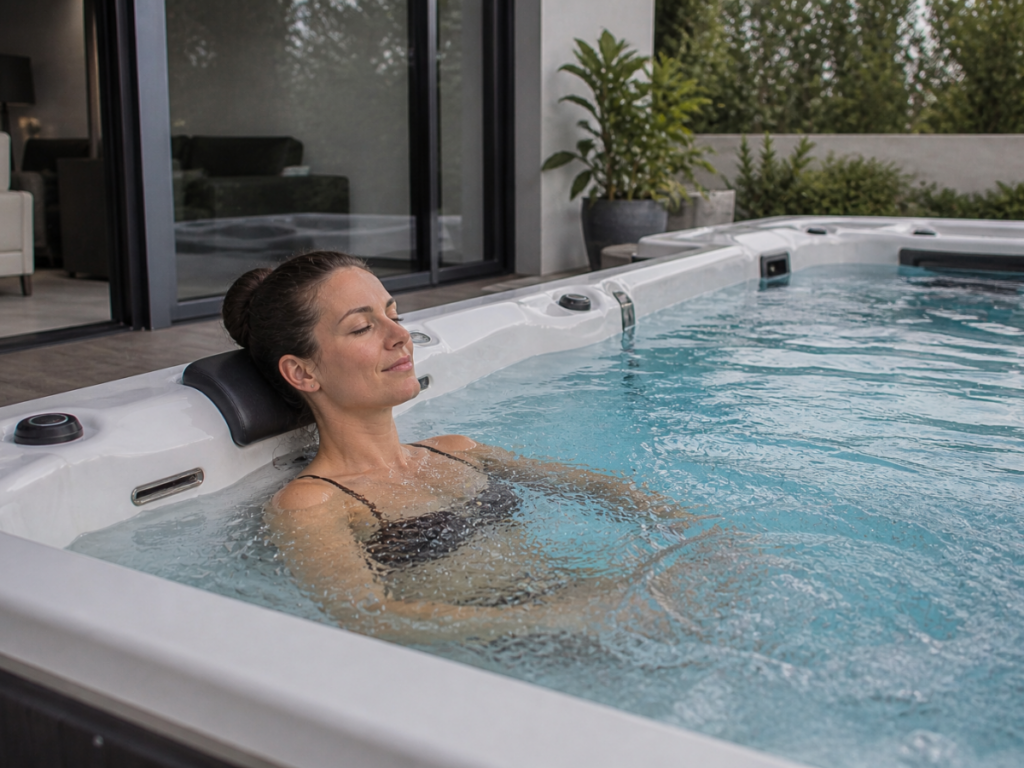
Swim spas are designed with recovery in mind, combining gentle movement with therapeutic water features that support the body after physical activity.
In many cases, they serve as a practical alternative to larger setups, offering the benefits of hydrotherapy in a more compact space. While exercise pools are often used for structured workouts, swim spas tend to focus more on recovery and relaxation.
One of the key advantages is buoyancy. When the body is submerged, weight is reduced, which makes it easier to move without putting strain on sore or fatigued muscles.
This allows for light stretching and controlled movement that can help maintain mobility during recovery. For individuals returning from injury or dealing with muscle tightness, this environment can feel more manageable than traditional exercise settings.
Water temperature also plays an important role. Warm water helps muscles relax, which can ease tension and reduce stiffness after intense activity.
Many swim spas include jets that provide targeted pressure, adding a massage-like effect that promotes circulation. Improved blood flow supports the body’s natural recovery process, helping muscles repair more efficiently.
How Do Exercise Pools Provide Low-Impact Workouts For Joint Health?
Exercise pools are especially effective for people who want to stay active while protecting their joints. Unlike traditional workouts that can place repeated stress on knees, hips, and ankles, water-based exercise allows for movement that feels controlled and supported.
The buoyancy of water reduces the load on joints, which makes it possible to perform exercises that might otherwise be uncomfortable on land. Activities such as walking, resistance movements, or light cardio can be done with less impact, making them suitable for a wide range of ages and fitness levels.
At the same time, water adds resistance in a way that feels steady rather than harsh. Every movement requires effort, but without the sharp impact associated with weights or hard surfaces.
This makes exercise pools a useful option for building strength around joints, which can improve stability and reduce the risk of injury over time.
Why Are Exercise Pools Ideal For Arthritis And Joint Pain Relief?
For individuals dealing with arthritis or ongoing joint discomfort, staying active can be challenging. Exercise pools offer a setting where movement feels less restrictive, allowing people to maintain mobility without increasing pain.
The supportive nature of water helps reduce pressure on sensitive joints, making even simple movements more comfortable.
This can encourage consistent activity, which is important for managing stiffness and maintaining range of motion. Unlike high-impact exercises, aquatic routines can be adjusted easily to match individual comfort levels.
Another benefit is the controlled environment. Exercise pools allow for gradual progression, so individuals can build strength and flexibility at their own pace. This makes them particularly useful for rehabilitation or long-term joint care, where steady improvement is more important than intensity.
What Scientific Evidence Supports Aquatic Exercise For Joint Stress Reduction?
Research has consistently shown that water-based exercise can reduce the strain placed on joints during physical activity. The buoyancy of water lowers the amount of weight the body has to support, which decreases joint loading and allows for smoother movement patterns.
Studies also suggest that regular aquatic exercise can improve joint function and reduce discomfort, particularly for those with conditions like arthritis. By combining low-impact movement with gentle resistance, exercise pools create a balanced form of activity that supports both strength and flexibility.
In addition to joint benefits, aquatic workouts can still contribute to cardiovascular health. This means individuals do not have to choose between protecting their joints and maintaining overall fitness.
Exercise pools make it possible to work toward both goals at the same time, offering a practical and sustainable approach to long-term health.
Which Swim Spa Features Enhance Fitness And Hydrotherapy Benefits?
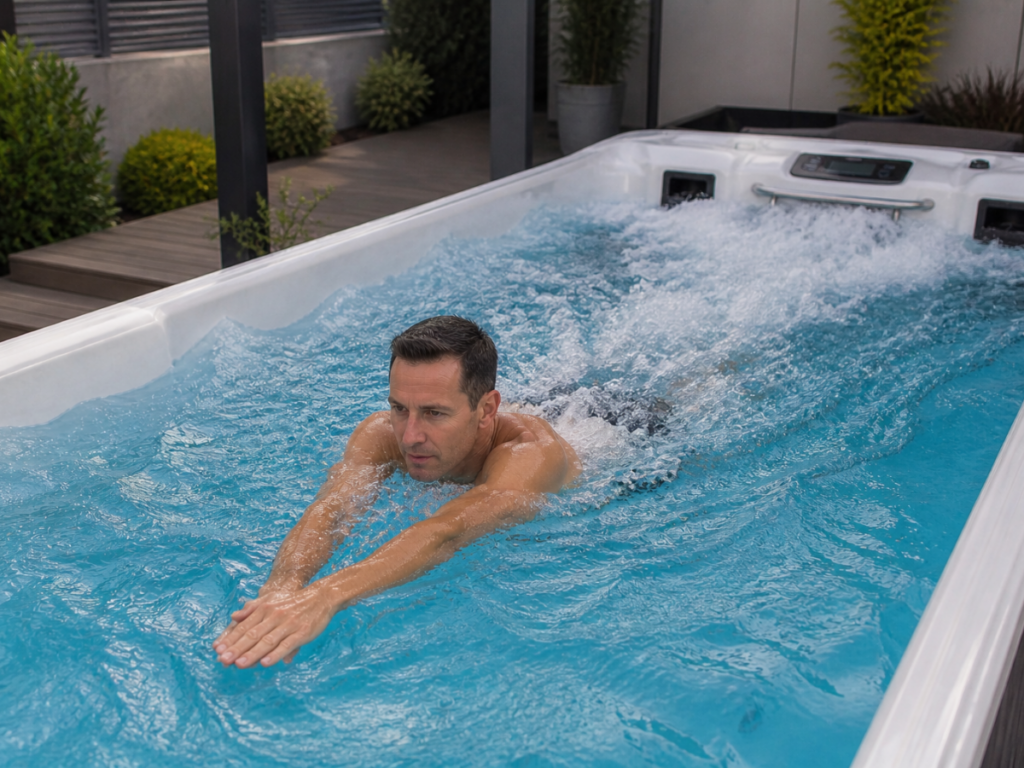
Swim spas are designed to do more than just provide a place to relax. They combine elements of fitness and recovery into one system, making them a practical option for people who want both in a single space.
While exercise pools are often focused on structured workouts, swim spas lean into versatility, offering features that support movement, recovery, and overall well-being.
One of the most noticeable features is the use of hydrotherapy jets. These jets create targeted water pressure that can help ease muscle tension after activity.
Instead of relying on static soaking, users can adjust the intensity and placement of the jets to focus on specific areas of the body. This adds a level of personalization that makes recovery feel more intentional and effective.
Another important aspect is how swim spas are built to support low-impact movement. The water current can be adjusted to create resistance, allowing for swimming in place or controlled exercises without the strain of traditional workouts.
This makes them suitable for a wide range of users, from beginners to those following more advanced routines. The design bridges the gap between relaxation and active use, which is what sets them apart from standard pools.
Temperature control also plays a role in how these systems function. Warm water helps relax muscles and encourages better circulation, which can improve how the body responds to both exercise and recovery.
Combined with the physical support of water, this creates an environment where movement feels easier and less stressful on the body.
How Exercise Pools Support Both Physical And Mental Wellness
Beyond the physical benefits, there is a growing understanding of how water-based exercise affects mental well-being. Exercise pools are not just about movement.
They also provide a setting that naturally encourages focus and relaxation. The combination of gentle resistance and a calm environment can make workouts feel less like a chore and more like a reset.
One reason for this is the rhythmic nature of aquatic exercise. Whether it is swimming, walking, or performing simple movements, the steady pace can help quiet distractions and bring attention back to the present moment. Over time, this can create a routine that supports both physical health and mental clarity.
There is also a connection between regular activity in exercise pools and improved mood. Physical movement in water can stimulate the release of endorphins, which are linked to reduced stress and a more positive outlook.
Because the workouts are low-impact, it is often easier to stay consistent, and that consistency plays a key role in long-term mental benefits.
Why Aquatic Environments Encourage Consistency And Recovery
Another advantage of both swim spas and exercise pools is how they make it easier to stick with a routine. High-impact workouts can sometimes lead to fatigue or discomfort, which can interrupt progress.
In contrast, water-based exercise allows for regular activity without the same level of strain, making it more sustainable over time.
The environment itself also contributes to this consistency. Being in the water tends to create a sense of separation from daily stress, which can make exercise feel more approachable. This is especially helpful for people balancing busy schedules or dealing with physical limitations.
Recovery is another area where these systems stand out. The combination of movement, warmth, and gentle resistance supports circulation and helps the body recover more efficiently. Instead of treating exercise and recovery as separate steps, swim spas and exercise pools allow both to happen within the same space.
Overall, these features highlight why aquatic systems have become a popular choice for those looking to improve both fitness and well-being.
By combining physical support with a calming environment, they offer a balanced approach that is easier to maintain and more adaptable to individual needs.
How Do Hydrotherapy Jets and Water Resistance Improve Workout Efficiency?
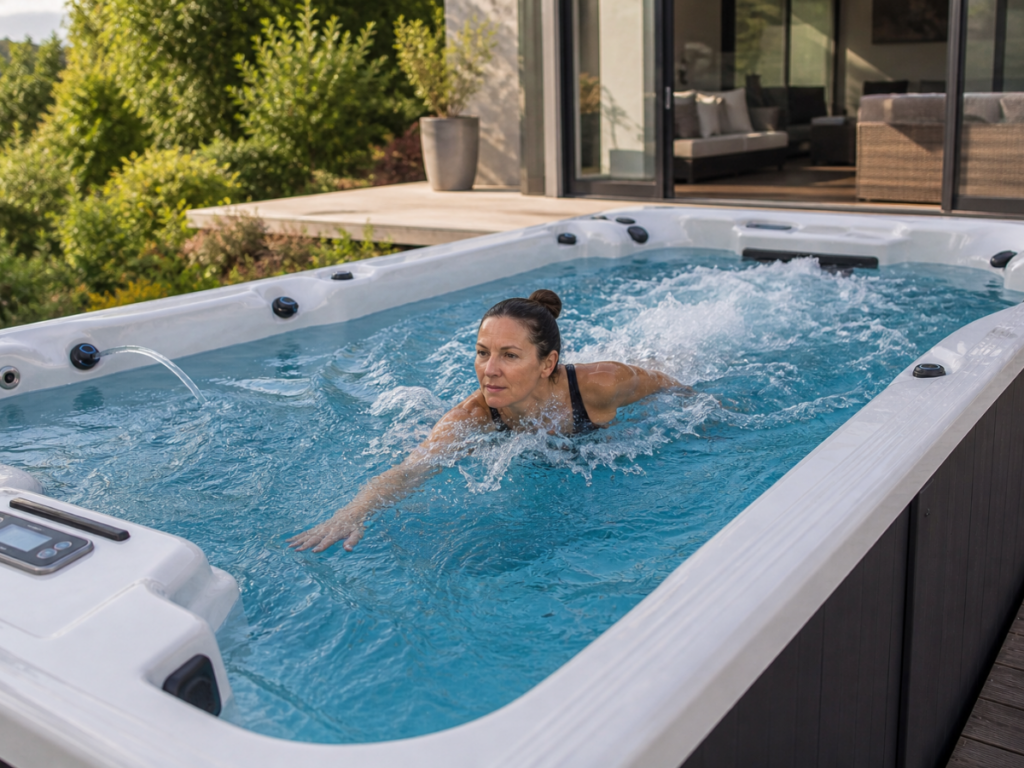
Hydrotherapy jets and natural water resistance work together to make aquatic workouts more effective without increasing strain on the body. In exercise pools and swim spas, these features are not just for comfort. They actively shape how the body moves, how muscles are engaged, and how efficiently a workout delivers results.
Water resistance is one of the most important factors. Unlike traditional exercise equipment that targets specific muscle groups, water provides resistance in every direction. This means even simple movements such as walking, lifting, or turning require more effort.
The result is a more balanced workout that engages multiple muscle groups at once. Because the resistance is consistent but not harsh, it allows for steady effort without the impact that comes with land-based training.
Hydrotherapy jets add another layer to this experience. When positioned strategically, they create targeted currents that challenge stability and control.
Instead of moving freely, the body has to work against the flow, which increases muscle activation in a controlled way. This can make shorter workouts feel more productive, since the body is working harder without the need for heavier intensity.
How Hydrotherapy Supports Recovery While You Train
One of the unique advantages of aquatic exercise is that recovery can happen at the same time as the workout. In many cases, exercise pools are used not just for building strength but also for reducing muscle fatigue during and after activity.
Warm water plays a key role in this process. It helps relax muscles and improve circulation, which supports the body’s natural recovery mechanisms.
When blood flow increases, oxygen and nutrients are delivered more efficiently to working muscles. This can reduce soreness and help the body recover more quickly between sessions.
Hydrotherapy jets also contribute by gently massaging muscle groups as you move. This continuous stimulation can ease tension while still allowing you to stay active. Instead of stopping completely after exercise, users can transition into slower movements that keep the body engaged while promoting recovery.
Why Exercise Pools Create A More Efficient Workout Environment
Efficiency in a workout is not just about intensity. It is about how much benefit you get from the time you spend exercising. Exercise pools are designed to maximize this by combining resistance, support, and recovery in one setting.
Because water reduces the impact on joints, users can often exercise for longer periods without discomfort. This allows for more consistent routines, which is one of the most important factors in long-term fitness.
At the same time, the added resistance ensures that the body is still being challenged, even during lower-intensity sessions.
Another advantage is adaptability. Exercise pools can support a wide range of movements, from gentle rehabilitation exercises to more dynamic routines. This flexibility means workouts can be adjusted based on energy levels, goals, or physical limitations without losing effectiveness.
The Combined Benefits Of Resistance And Relaxation
What sets aquatic workouts apart is how they balance effort with recovery. Traditional workouts often separate these two elements, but in exercise pools, they work together. Resistance builds strength and endurance, while buoyancy and warmth reduce strain and support recovery.
This combination makes it easier to stay consistent over time. Instead of dealing with the fatigue or discomfort that can follow high-impact exercise, users often leave the water feeling refreshed. That sense of ease encourages regular use, which is ultimately what leads to better results.
By bringing together hydrotherapy jets, water resistance, and a supportive environment, exercise pools offer a practical way to improve both fitness and recovery. It is an approach that focuses on sustainability, making it easier to maintain progress without putting unnecessary stress on the body.
How Exercise Pools Support Overall Lifestyle Improvements
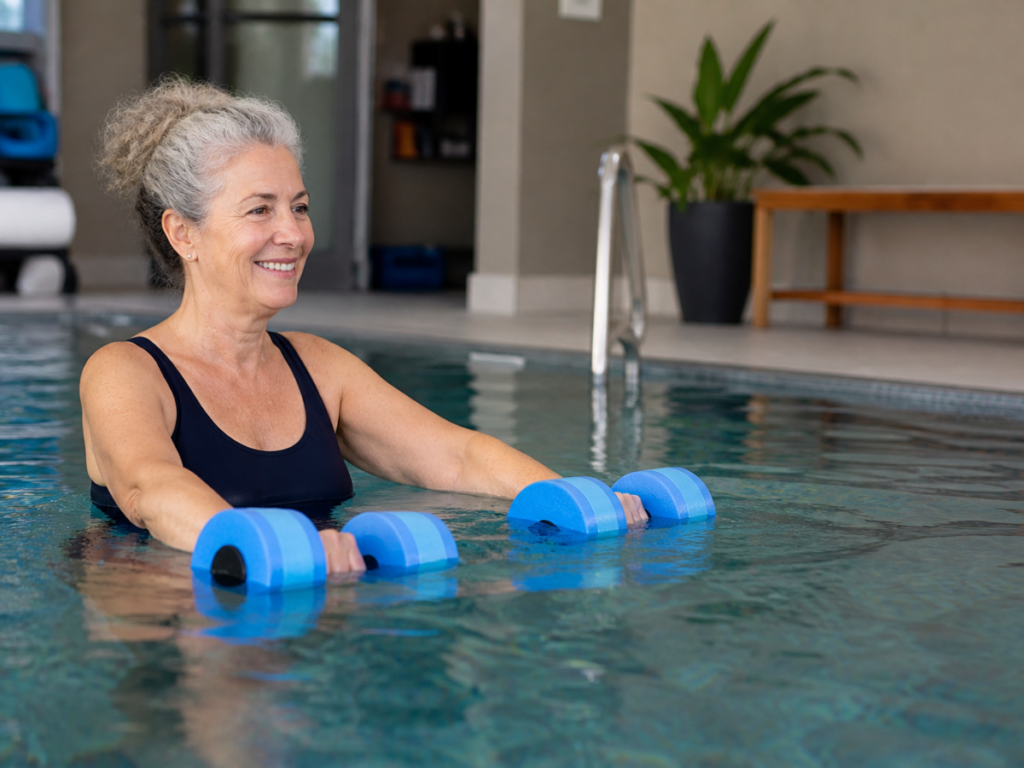
Exercise pools offer more than a place to work out. Over time, they can shape daily routines in ways that support both physical health and overall quality of life. By combining accessibility, comfort, and flexibility, they create an environment that fits naturally into a wide range of lifestyles.
One of the most noticeable benefits is convenience. Having access to exercise pools at home removes many of the common barriers to staying active. There is no need to travel, adjust to crowded schedules, or rely on external facilities.
This makes it easier to fit movement into the day, whether it is a short session in the morning or a longer routine in the evening. That level of accessibility often leads to more consistent habits, which is key for long-term results.
Another advantage is how easily these spaces shift between purposes. While they are designed for exercise, they also provide a place to relax and reset.
This dual function makes them useful even on days when a full workout is not the goal. A short session in the water can still offer benefits, helping maintain a routine without requiring the same level of effort every time.
Creating Opportunities For Social And Family Use
Exercise pools also bring a social element that is often missing from traditional fitness routines. Instead of being limited to individual use, they can become shared spaces where family members or friends spend time together.
This adds a different layer of value, turning exercise into something that feels more engaging and less isolated. For families, this can mean having a space where different needs are met at the same time. One person might be using the pool for structured exercise, while another is simply enjoying light movement or relaxation.
This flexibility encourages more frequent use and helps integrate the pool into everyday life rather than treating it as a separate activity. Social use also extends to casual gatherings.
Exercise pools can serve as a setting for informal get-togethers, offering a comfortable environment where people can move, relax, and interact at the same time. This makes them a practical addition for households that enjoy hosting or spending time with others.
Long-Term Value And Home Investment Benefits
Beyond daily use, there is also a long-term perspective to consider. Installing exercise pools can contribute to the overall value of a home, especially for buyers who prioritize wellness features. While the primary purpose is personal use, the added functionality and appeal can make the property more attractive in the future.
However, the value goes beyond financial considerations. A well-maintained pool becomes part of the home’s lifestyle, supporting habits that promote health and consistency.
Over time, this can lead to improvements in energy levels, mobility, and overall well-being. These benefits often outweigh the initial investment, particularly for those who plan to use the space regularly.
A Practical Addition To Everyday Living
What makes exercise pools stand out is how easily they fit into daily life. They do not require major adjustments to routines, yet they offer a wide range of benefits that extend beyond fitness. From improving accessibility to creating shared experiences, they support a more balanced approach to health and relaxation.
By combining convenience, adaptability, and long-term value, exercise pools become more than a feature. They turn into a reliable part of a lifestyle that prioritizes both activity and comfort, making it easier to maintain healthy habits over time.
What Installation And Maintenance Practices Optimize Exercise Pool Performance?
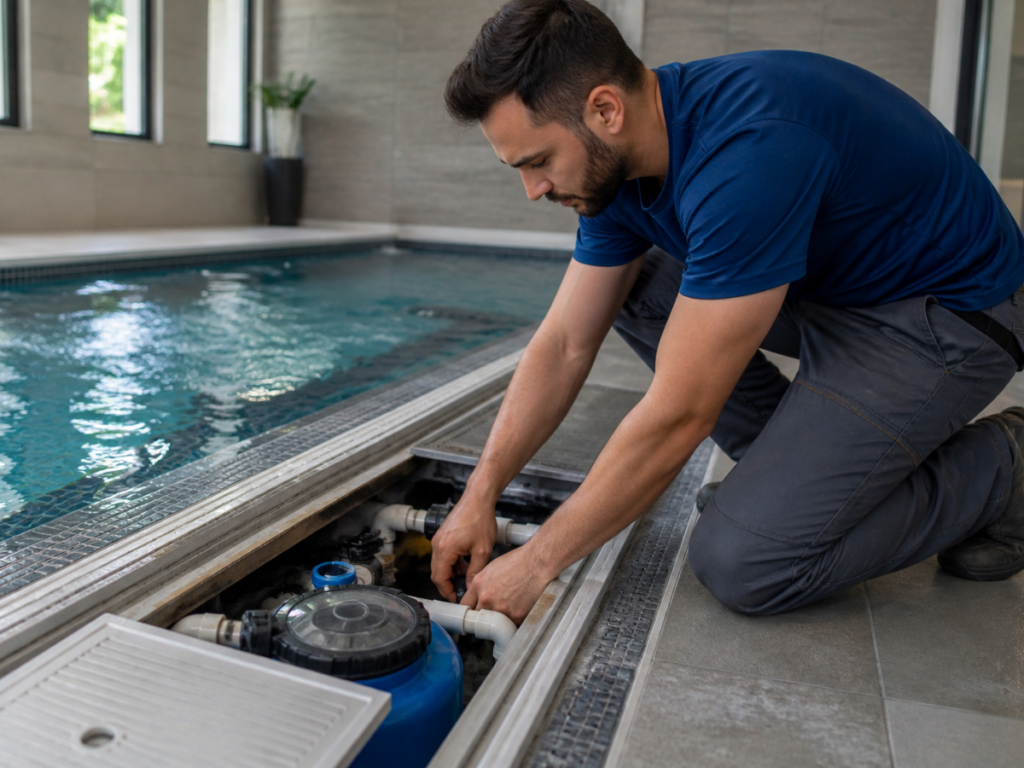
Getting the most out of exercise pools starts well before the first workout. Installation and ongoing care both play a major role in how well the system performs over time. When these steps are handled properly, the pool becomes a reliable space for consistent exercise, recovery, and overall wellness.
The installation process sets the foundation. Exercise pools need to be placed on a stable, level surface to ensure proper water distribution and system balance.
Even small shifts in leveling can affect water flow, jet performance, and overall efficiency. It is also important to make sure all electrical and plumbing connections are installed correctly, as these systems support heating, filtration, and circulation.
Placement is another detail that often gets overlooked. Choosing a location with easy access and enough surrounding space makes maintenance simpler and encourages regular use. Whether installed indoors or outdoors, the environment should support both functionality and convenience.
How Proper Setup Improves Long-Term Performance
A well-installed pool does more than just function correctly. It helps prevent issues that can develop over time. When exercise pools are installed with attention to detail, components such as pumps, heaters, and jets operate more efficiently. This not only improves the user experience but can also reduce wear on the system.
Water circulation is a good example of how setup impacts performance. Proper alignment and connection of equipment allow water to move evenly throughout the pool. This ensures that resistance remains consistent during workouts and that filtration systems can do their job effectively.
Another benefit of careful installation is energy efficiency. When systems are balanced and operating as intended, they require less effort to maintain temperature and water quality. Over time, this can make a noticeable difference in both performance and operating costs.
What Daily And Weekly Maintenance Really Looks Like
Once the pool is installed, regular maintenance becomes the key to keeping it running smoothly. Exercise pools are designed for frequent use, so keeping the water clean and balanced is essential for both safety and performance.
Routine cleaning helps prevent buildup that can affect water clarity and system function. Skimming debris, wiping surfaces, and checking filters are simple tasks that make a big difference when done consistently.
Clean filters, in particular, help maintain proper water flow and ensure the system does not have to work harder than necessary. Water quality is another important factor.
Regular testing helps keep chemical levels balanced, which protects both the equipment and the people using the pool. When water is properly maintained, it feels more comfortable and supports a better overall experience during workouts.
How Preventative Care Extends The Life Of Exercise Pools
Long-term performance depends on more than just routine cleaning. Preventative care helps identify small issues before they turn into larger problems. This includes checking components like pumps, heaters, and jets to make sure everything is functioning as expected.
Seasonal adjustments can also play a role, especially for outdoor setups. Changes in temperature or usage patterns may require slight modifications to maintenance routines. Staying attentive to these shifts helps keep the system stable throughout the year.
Another important aspect is consistency. Exercise pools perform best when they are used and maintained regularly. Letting maintenance slip for extended periods can lead to imbalances that are harder to correct later on. Keeping a steady routine makes it easier to avoid these issues altogether.
Creating A Reliable And Efficient Pool Experience
When installation and maintenance are handled thoughtfully, exercise pools become more than just a fitness feature. They turn into a dependable part of a daily routine. A well-maintained system supports smoother workouts, better water quality, and a more comfortable overall environment.
By focusing on proper setup, consistent care, and preventative maintenance, users can ensure their pool continues to perform at a high level. This approach not only protects the investment but also makes it easier to stay active and enjoy the full benefits of aquatic exercise over time.
Conclusion
Exercise pools and swim spas offer a unique blend of aquatic fitness and hydrotherapy benefits, providing a low-impact, year-round solution for cardiovascular health, muscle recovery, and stress relief.
From adjustable currents for swimming in place to warm water jet systems for soothing sore joints, these versatile options bring the benefits of a full aquatic center right into your own backyard.
For expert guidance in selecting and installing the perfect swim spa or exercise pool for your lifestyle, trust Clear Water Pools Atlanta.
Ready to transform your health and wellness routine with aquatic fitness? Call 770-406-8638 or request your free pool estimate today. Let our team help you create a backyard sanctuary that works out as hard as you do.