
Choosing a swimming pool isn’t just about size and shape. The material you select can influence installation time, maintenance demands, long-term costs, and how much work it takes to keep the water ready for swimming.
For homeowners comparing today’s pool options, fiberglass offers a compelling combination of convenience and durability. Among the most notable fiberglass pool benefits are a smooth, nonporous surface, relatively low maintenance requirements, and faster installation compared with many traditional pool types.
Modern fiberglass models also come in an expanding range of shapes, depths, colors, built-in seating, tanning ledges, and other features suited to contemporary outdoor spaces.
Understanding these advantages, along with potential limitations and site considerations, can help you decide whether a fiberglass pool is the right solution for your backyard and lifestyle.
Top Fiberglass Pool Benefits for Modern Backyards
How Fast Is Fiberglass Pool Installation?
A shorter construction timeline is one of the most practical fiberglass pool benefits for homeowners who want an in-ground pool without the extended on-site construction associated with some other pool types.
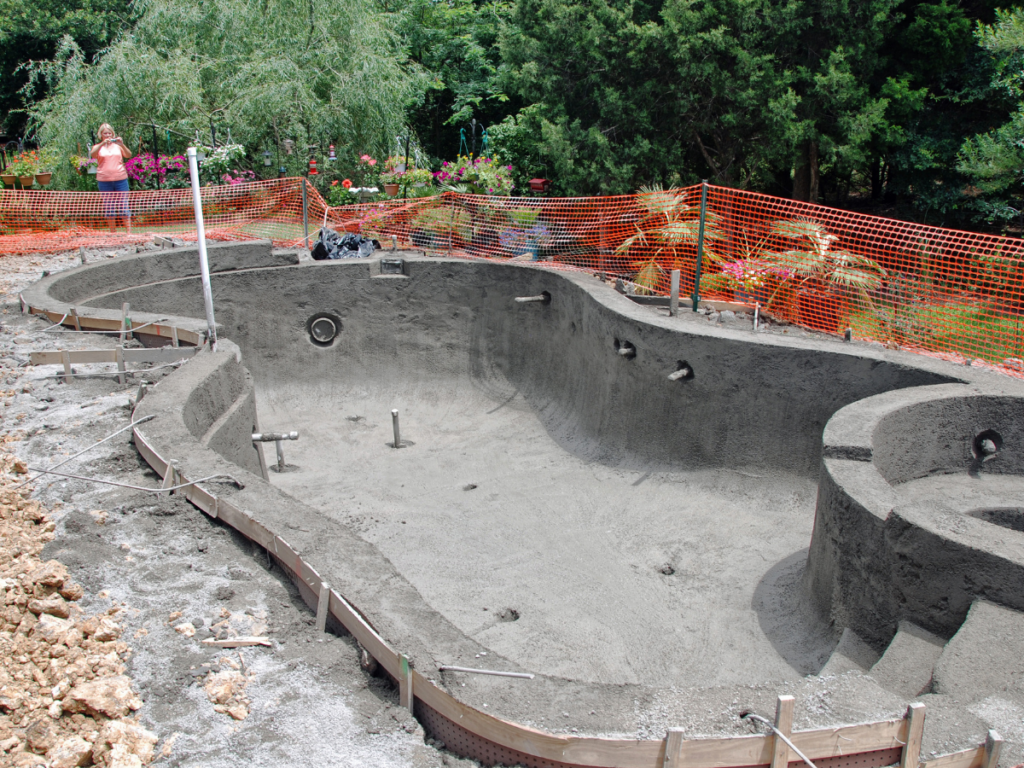
Fiberglass pools arrive as premanufactured shells rather than being formed and finished entirely in the backyard. Once excavation is complete and the site is properly prepared, the shell can be delivered and set into place relatively quickly.
The complete project still takes longer than simply lowering the pool into the ground because permitting, plumbing, electrical work, backfilling, decking, inspections, and other site improvements all need to be coordinated.
For homeowners in Metro Atlanta, the total timeline can range from several weeks upward depending on the property, project scope, weather, permitting, and delivery logistics. A fiberglass pool should therefore be viewed as a faster construction method, not an instant installation.
Why Fiberglass Pools Can Be Installed Faster
The shell itself is manufactured before it reaches the property. That removes several construction stages that are required when a pool structure must be built and finished on site.
With a fiberglass installation, the backyard work is largely focused on preparing the excavation, establishing the base, positioning the shell correctly, connecting the pool systems, backfilling around it, and completing the surrounding area.
This prefabricated approach creates a more predictable installation sequence and is one reason installation speed is frequently included among the fiberglass pool benefits homeowners consider when comparing pool types.
The advantage is most noticeable when comparing fiberglass with gunite or concrete pools, which involve additional structural and finishing stages before the pool is ready for use.
What Happens During Fiberglass Pool Installation?
Although individual projects vary, most installations follow the same general progression.
1. Site Planning and Layout
The pool location is established based on the property layout, access, utilities, drainage, setbacks, and the approved design. This planning happens before excavation begins and can prevent costly changes later.
Local requirements also need to be addressed before construction. Understanding pool permits and regulations in Metro Atlanta early in the planning process can help homeowners account for zoning, setbacks, inspections, and other requirements that may affect the schedule.
2. Excavation and Base Preparation
The installation area is excavated according to the dimensions of the selected shell. A properly prepared base is then created to support the pool.
Excavation can move quickly on a straightforward site, but soil conditions, groundwater, buried obstacles, slopes, and limited equipment access may add time.
3. Pool Shell Delivery and Placement
The finished fiberglass shell is transported to the property and carefully lowered into the excavation, often using lifting equipment.
Access matters considerably at this stage. Overhead power lines, trees, narrow side yards, fences, neighboring structures, and other obstructions may affect how the shell reaches the backyard.
4. Plumbing, Backfilling, and Filling
Once the shell is positioned and leveled, plumbing connections are completed and the area around the pool is backfilled according to the installation method specified for the shell.
Backfilling and filling the pool are typically coordinated so pressure remains balanced as the installation progresses. This is a technical stage of construction, not simply a matter of filling the excavation with soil after the shell is placed.
5. Equipment, Electrical Work, and Surrounding Features
Pumps, filtration equipment, lighting, electrical systems, and other selected features are connected and tested. Decking, coping, drainage improvements, landscaping, retaining walls, or other outdoor features may continue after the main pool structure is in place.
A broader pool construction plan helps coordinate these elements so the finished backyard functions as one complete space rather than a pool surrounded by unfinished construction.
What Can Delay a Fiberglass Pool Installation?
A prefabricated shell simplifies part of the construction process, but the backyard itself remains a major variable. Weather is one of the most common schedule concerns. Heavy rain can interfere with excavation, create muddy site conditions, affect soil stability, and slow surrounding hardscape work.
Permitting can also affect when construction actually begins. Approval times vary by jurisdiction, and a project may require additional information before a permit is issued.
Site-specific complications include:
- Difficult access for excavation or lifting equipment
- Sloped properties that require additional grading
- Poor drainage or groundwater conditions
- Unexpected rock or unsuitable soil
- Utility conflicts
- Retaining wall requirements
- Complex decking or hardscape designs
- Changes to the project after construction has begun
These factors explain why installation timelines should be based on the individual property rather than a universal promise that every fiberglass pool can be completed within a specific number of days.
The Pool Shell Is Only Part of the Project Timeline
Homeowners sometimes hear that a fiberglass shell can be installed very quickly and assume the entire backyard will be finished on the same schedule. The shell placement may indeed happen within a short window. The complete project includes much more.
Permitting may occur before excavation, while decking, fencing, inspections, landscaping, equipment setup, and other finishing work can continue afterward.
Features such as retaining walls, extensive patios, outdoor kitchens, or major drainage improvements can extend the construction calendar even when the pool itself is progressing normally.
For that reason, ask for two timelines when planning the project: when the fiberglass pool is expected to be structurally installed and when the entire contracted outdoor space is expected to be complete.
That distinction gives homeowners a more realistic picture of one of the strongest fiberglass pool benefits.
Fiberglass can reduce the amount of time required to construct the pool structure on site, but thoughtful planning, proper site preparation, and coordination of the surrounding work are still essential to an efficient installation.
What Are the Main Fiberglass Pool Benefits?
Fiberglass pools appeal to homeowners who want an in-ground pool with a relatively simple ownership experience. Their factory-manufactured shells, smooth interior finish, and shorter installation process distinguish them from concrete and vinyl-liner pools, but the advantages go beyond construction speed.
The most meaningful fiberglass pool benefits are easier surface maintenance, fewer finish-related maintenance requirements, a comfortable interior surface, and predictable design options.
Those advantages should still be weighed against factors such as upfront cost, site access, available shell dimensions, and the amount of customization a homeowner wants.
A Smooth Surface Can Make Routine Maintenance Easier
Fiberglass pools have a smooth, nonporous gelcoat surface. Compared with rougher plaster or concrete finishes, that surface provides fewer irregular areas where dirt and algae can take hold.
That does not make a fiberglass pool maintenance-free. Owners still need to maintain proper water chemistry, filtration, circulation, skimming, and routine cleaning. Algae can develop in any poorly maintained swimming pool.
The difference is that fiberglass surfaces generally require less aggressive brushing than rougher pool finishes. A soft nylon brush is typically appropriate for fiberglass, while harsher brushes can damage the surface. Following a consistent pool maintenance routine remains important regardless of the pool material.
Chemical use also depends on far more than the shell itself. Pool size, weather, swimmer load, sanitation system, circulation, and water balance all affect how much treatment is necessary, so homeowners should be cautious of promises that fiberglass will automatically produce a specific level of chemical savings.
Fiberglass Eliminates Some Maintenance Associated With Other Pool Types
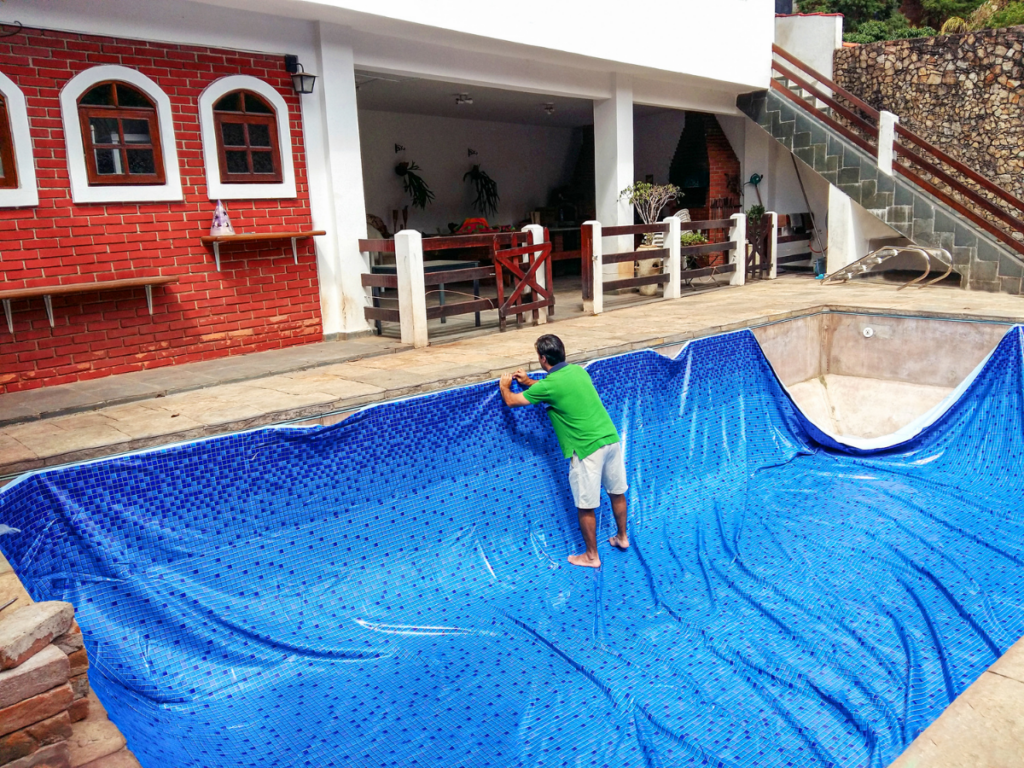
Each in-ground pool material comes with its own long-term maintenance considerations. Concrete and gunite pools have interior finishes that can eventually require repair or resurfacing. Vinyl pools rely on a liner that may eventually need replacement if it wears, tears, or reaches the end of its service life.
A fiberglass pool does not use a removable vinyl liner or a traditional plaster interior. That eliminates those particular ownership tasks.
The fiberglass finish can still experience staining, fading, scratches, cracks, or other damage over time, especially when water chemistry is poorly maintained or the shell was not installed correctly.
Choosing fiberglass therefore reduces certain maintenance demands rather than eliminating the possibility of future repairs.
The Surface Is Comfortable Underfoot
The smooth interior is also a practical comfort advantage. Rough plaster surfaces can sometimes feel abrasive against feet and skin, particularly on steps, benches, or areas where swimmers spend more time in contact with the pool surface. Fiberglass typically has a smoother feel.
That same smoothness means homeowners should consider traction on steps and shallow areas when evaluating individual shell designs. Surface texture and safety features can vary among manufacturers and models, so these details are worth examining before selecting a pool.
Factory-Made Designs Provide Variety Without Unlimited Customization
Fiberglass pools are available in many shapes, sizes, colors, depths, and configurations. Depending on the manufacturer, shells may include built-in steps, benches, tanning ledges, or other integrated features.
The trade-off is that the shell is produced from an existing mold. Homeowners choose from the manufacturer’s available designs rather than creating virtually any dimensions or shape on site.
For many properties, that still provides more than enough flexibility. The right choice depends on how the pool will be used, how much backyard space is available, and how the shell needs to relate to patios, landscaping, and entertaining areas.
Comparing pool shapes and sizes early in the planning process can help determine whether an available fiberglass model fits both the property and the intended use. Highly unusual dimensions, very specific depths, or a completely custom shape may make another construction method more suitable.
Long-Term Cost Depends on More Than the Purchase Price
Cost-effectiveness is often presented as one of the fiberglass pool benefits, but the comparison requires more nuance than simply labeling one material cheaper than another.
The initial project cost depends on the shell, transportation, excavation, equipment, access, decking, electrical work, drainage, landscaping, and selected features. Fiberglass may cost more upfront than some vinyl-liner options, while a highly customized concrete or gunite project may cost considerably more.
Long-term expenses also differ. Fiberglass owners avoid liner replacement and traditional plaster resurfacing, but they still have operating costs for electricity, water treatment, equipment servicing, cleaning, and eventual repairs.
A useful comparison therefore looks at total ownership rather than the initial installation quote alone.
| Consideration | Fiberglass | Concrete/Gunite | Vinyl Liner |
|---|---|---|---|
| Interior surface | Smooth gelcoat | Plaster or other finish | Flexible liner |
| Customization | Limited to available molds | Highly customizable | Broad shape options, with some limitations |
| Routine surface cleaning | Generally straightforward | Rougher finishes may require more brushing | Smooth surface |
| Periodic surface work | Finish can eventually need repair | Resurfacing may eventually be required | Liner eventually requires replacement |
| Installation | Typically faster | Usually longer | Typically relatively fast |
Fiberglass Is Best When Its Advantages Match the Property
No pool material is automatically the best choice for every homeowner. Fiberglass tends to make the most sense when a suitable factory-made shell fits the yard, and the homeowner prioritizes a smooth finish, shorter construction timeline, and simpler surface maintenance.
Concrete may be preferable when extensive customization is the priority, while vinyl can offer its own advantages for certain budgets and designs.
Those tradeoffs are more useful than broad claims about durability or resale value. A pool’s value to the homeowner depends on how well the design fits the property, how consistently it is maintained, and whether its long-term ownership requirements align with the household’s expectations.
Which Fiberglass Pool Shapes and Designs Are Available?
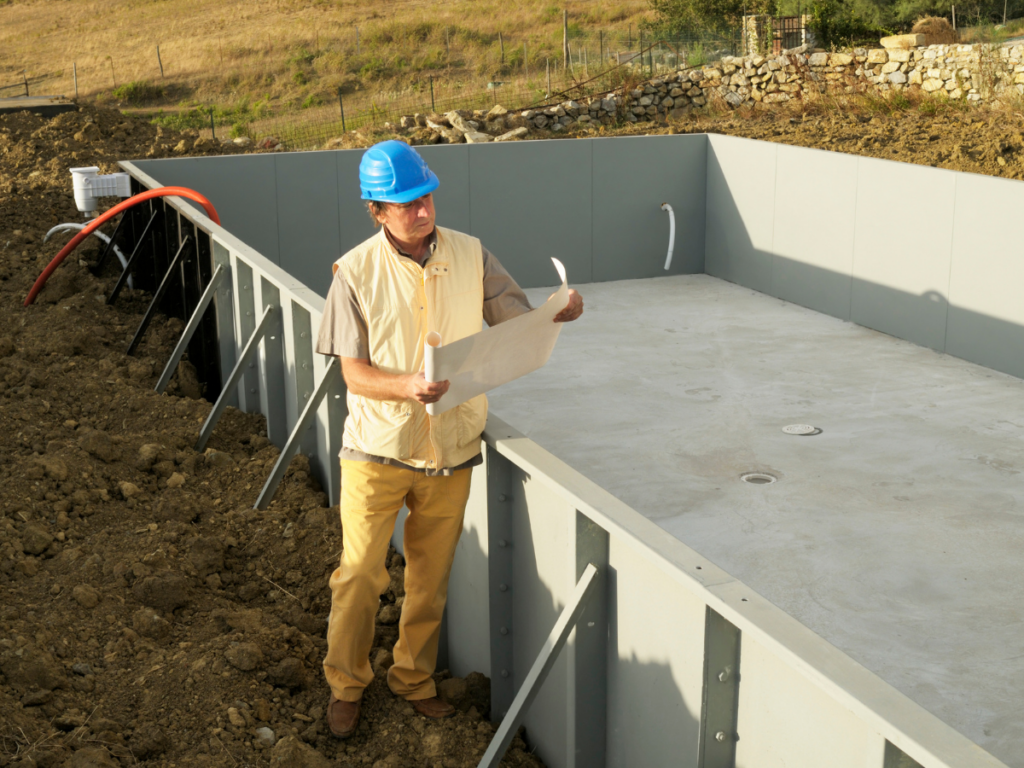
Fiberglass pools are manufactured in molds, so homeowners choose from a catalog of established shell designs rather than creating every dimension from scratch.
That limitation is also part of what makes the buying process more predictable. Each model has defined dimensions, depths, entry points, and built-in features that can be evaluated before construction begins.
The available range is broader than the term “prefabricated” may suggest. Manufacturers offer everything from compact plunge pools to long rectangular layouts, family-oriented freeform pools, and models with integrated lounging areas.
Understanding how these designs differ is important because one of the most practical fiberglass pool benefits is being able to select a finished layout with many functional features already built into the shell.
Rectangular Pools Work Well for Swimming and Structured Spaces
Rectangular fiberglass pools are a natural fit for contemporary backyards and homeowners who want clearly defined swimming space.
Their straight edges work particularly well alongside geometric patios, modern landscaping, and narrow lots. Longer rectangular models can support lap swimming, while shorter versions may emphasize lounging and recreation instead.
The simple geometry can also make it easier to organize furniture, decking, and walkways around the pool. For homeowners planning a clean, symmetrical outdoor layout, a rectangular shell often provides a straightforward starting point.
Freeform Designs Create a Softer Backyard Layout
Freeform pools use curved edges and irregular contours to create a more relaxed appearance. They can work well in landscapes with organic planting beds, natural stone, or other less formal design elements.
The curves may also create distinct areas for steps, seating, or shallow lounging without making the pool feel rigidly divided.
Freeform does not mean fully custom, however. The shape still comes from a manufacturer’s existing mold. Homeowners should compare the actual dimensions of each model with the available yard space rather than assuming the curves can be adjusted during installation.
Plunge Pools Fit Smaller Properties and Relaxation-Focused Designs
A plunge pool is generally smaller than a conventional family pool and prioritizes cooling off, relaxing, or light recreation rather than long-distance swimming.
For properties where yard space is limited, a compact fiberglass shell can preserve more room for patios, landscaping, dining areas, or other outdoor uses. Smaller pools may also suit homeowners who know they will use the water primarily for sitting, soaking, or casual relaxation.
Pool size should still be chosen around how many people are likely to use it at once. A compact pool that works well for two adults may feel restrictive for a household that regularly hosts large gatherings.
Built-In Features Can Add Function Without Changing the Shell
Many fiberglass models incorporate features directly into the molded design. Depending on the manufacturer and shell, these may include:
- Entry steps
- Integrated benches
- Tanning ledges or sun shelves
- Shallow lounging areas
- Deeper swimming zones
- Built-in spa configurations
These features should be evaluated as part of the pool layout rather than treated as decorative extras. A large tanning ledge, for example, creates valuable lounging space but also occupies room that could otherwise be used for swimming.
Homeowners interested in shallow relaxation areas can compare how tanning ledges and Baja shelves affect usable space, depth, seating, and circulation before selecting a shell.
Depth Matters as Much as Shape
Two pools with similar footprints can function very differently if their depth profiles are not the same.
Some fiberglass models maintain a relatively consistent depth, while others transition from shallow to deeper water. A household focused on children, lounging, or water games may prefer generous shallow areas. Someone who wants more swimming space may prioritize length and usable depth instead.
Before choosing a model, think about how the pool will actually be used:
| Primary Use | Design Features Worth Prioritizing |
|---|---|
| Lap swimming | Longer, straighter layout |
| Family recreation | Mixed depths and open swimming area |
| Relaxation | Benches, ledges, or shallow lounging space |
| Small backyard | Compact footprint |
| Entertaining | Wide steps, seating, and room around the pool |
This use-first approach is more reliable than choosing a shell purely from a photo.
Color and Finish Choices Affect the Overall Look
Fiberglass manufacturers typically offer several gelcoat colors and finish options. The interior color influences how the water appears, from lighter blue and aqua tones to deeper shades.
The surrounding materials matter just as much. Coping, decking, landscaping, furniture, and nearby structures all affect how the pool fits into the property.
A fiberglass shell therefore does not need to look standardized simply because its basic shape comes from a mold. The surrounding design can create a very different finished result from one backyard to another.
Fiberglass Offers Choice Within Defined Limits
One of the fiberglass pool benefits is that homeowners can compare finished shell designs before installation, including their dimensions, depths, steps, benches, and other built-in elements. The tradeoff is that major structural changes are limited once a particular model has been selected.
That makes early planning especially important. Rather than starting with a preferred shape alone, consider the property’s available space, access, intended activities, desired depth, and surrounding outdoor features.
A shell that fits those practical requirements will usually provide more long-term value than the design that simply looks best in a catalog.
The strongest fiberglass pool design is not necessarily the largest or most feature-rich option. It is the one whose fixed dimensions and built-in features match how the backyard will actually be used.
How Does Fiberglass Pool Maintenance Compare With Other Pool Types?
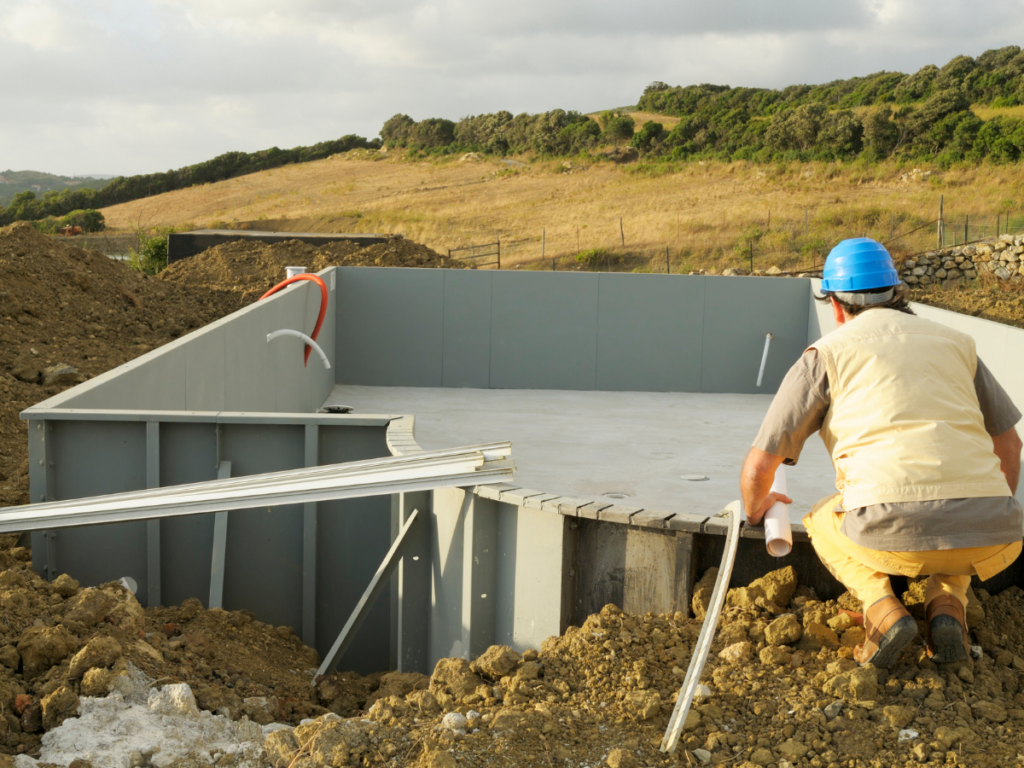
Fiberglass pools still require regular care, but their maintenance profile differs from concrete and vinyl-liner pools.
The main distinction is the smooth gelcoat interior, which generally makes routine surface cleaning simpler and eliminates certain long-term maintenance tasks associated with plaster finishes or replaceable liners.
That easier upkeep is one of the fiberglass pool benefits homeowners often consider, but it should not be mistaken for maintenance-free ownership. Water chemistry, circulation, filtration, debris removal, and equipment care remain important regardless of the pool material.
Routine Water Care Is Required for Every Pool Type
A fiberglass shell does not change the basic requirements of maintaining safe, clear pool water.
Homeowners still need to test and balance water chemistry, maintain an appropriate sanitizer level, keep water circulating properly, remove leaves and other debris, and clean or service the filtration system as needed.
The exact maintenance schedule depends on factors such as weather, swimmer activity, surrounding vegetation, pool equipment, and water conditions. In wooded Atlanta-area yards, for example, skimmer baskets may need attention more frequently during periods of heavy leaf or pollen accumulation.
Routine pool skimmer care helps maintain circulation by preventing baskets from becoming overloaded with debris.
The Fiberglass Surface Usually Requires Gentler Cleaning
The gelcoat finish on a fiberglass pool is smoother than many traditional plaster surfaces. Dirt and algae can still accumulate, but the surface generally does not require the aggressive brushing sometimes associated with rougher concrete finishes.
Use pool-cleaning tools that are appropriate for fiberglass. Soft nylon brushes are typically preferred because excessively abrasive brushes, pads, or cleaners can scratch or dull the finish.
Stains should also be addressed based on their cause rather than attacked with increasingly harsh chemicals. Metal content, organic debris, unbalanced water, or other conditions can produce discoloration, and the appropriate treatment varies.
Maintaining balanced water is particularly important because improper chemistry can affect both the pool surface and equipment over time.
Fiberglass Avoids Resurfacing and Liner Replacement
Long-term surface care is where the differences between pool types become more noticeable.
Concrete and gunite pools commonly use plaster or another applied interior finish that can eventually require resurfacing. Vinyl pools use a flexible liner that may need replacement after wear, damage, or deterioration.
Fiberglass pools use neither of those systems. The shell and gelcoat surface remain in place, eliminating traditional plaster resurfacing and periodic vinyl-liner replacement from the ownership schedule.
That does not mean the fiberglass finish lasts indefinitely without attention. Scratches, staining, fading, blistering, cracks, or other surface damage can occur. Installation quality, ground conditions, water chemistry, age, and physical damage can all influence how a fiberglass pool performs over time.
Pool Equipment Requires Similar Care Regardless of Shell Material
Many ongoing maintenance expenses have little to do with whether the pool is fiberglass, concrete, or vinyl.
Pumps, filters, heaters, chlorination systems, lights, plumbing, automation equipment, and other components require inspection and eventual servicing in any pool.
That distinction matters when evaluating claims about lower maintenance costs. The shell may simplify certain aspects of ownership, but it does not eliminate equipment repairs, electricity use, water treatment, or routine cleaning.
A more useful comparison looks at which maintenance tasks differ by construction type:
| Maintenance Area | Fiberglass | Concrete/Gunite | Vinyl Liner |
|---|---|---|---|
| Routine water testing | Required | Required | Required |
| Filtration and circulation care | Required | Required | Required |
| Surface brushing | Usually gentler | Often more intensive | Generally gentle |
| Plaster resurfacing | Not applicable | May eventually be needed | Not applicable |
| Liner replacement | Not applicable | Not applicable | Eventually required |
| Surface repairs | Possible | Possible | Possible |
Watch for Changes Rather Than Waiting for Major Damage
Preventive maintenance is also about noticing when something changes.
Water loss that exceeds normal evaporation, recurring cloudy water, unusual pump noises, weak circulation, new stains, cracking, persistent algae, or changes in the surface finish are worth investigating rather than repeatedly treating as routine cleaning problems.
Small surface marks may be cosmetic, while structural movement, plumbing leaks, or equipment problems can require professional evaluation. The location, severity, and cause matter more than the fact that the pool is fiberglass.
Keeping records of water-test results, equipment service, and recurring issues can make patterns easier to identify.
Lower Maintenance Does Not Mean No Maintenance
One of the more realistic fiberglass pool benefits is reduced surface-related upkeep compared with pool types that use rough plaster finishes or replaceable liners.
The smoother shell can simplify brushing and cleaning, while the absence of plaster resurfacing and liner replacement removes two significant long-term maintenance categories.
Homeowners should still expect an ongoing routine centered on balanced water, effective circulation, clean filters and skimmers, equipment care, and periodic inspection of the shell.
That combination is what makes fiberglass appealing to many pool owners. The maintenance burden can be simpler in specific areas, but consistent care is still what protects the appearance, equipment, and long-term condition of the pool.
What Do Fiberglass Pools Cost, and What Should the Warranty Cover?
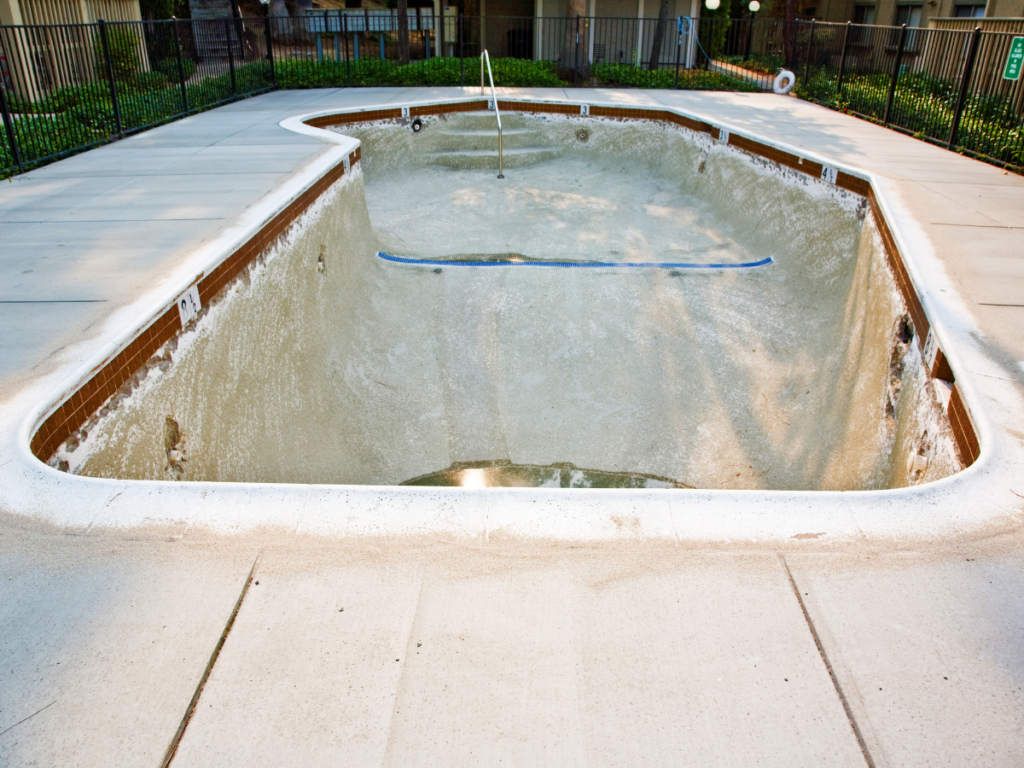
The cost of a fiberglass pool cannot be reduced to a reliable flat national range. The shell is only one part of the project, and the final price depends on the pool model, property conditions, equipment, access, decking, electrical work, drainage, landscaping, and any additional features included in the design.
For homeowners comparing fiberglass pool benefits, the more useful question is not simply, “What does the pool cost?” It is, “What is included in the total project price, and what expenses could still be added later?”
What Goes Into the Cost of a Fiberglass Pool?
A complete fiberglass pool project can involve considerably more than purchasing and placing the shell.
Common cost components include:
- Fiberglass shell and transportation
- Excavation and site preparation
- Crane or other placement equipment when required
- Base preparation and backfilling
- Plumbing and circulation equipment
- Electrical installation
- Permits and inspections
- Coping and surrounding decking
- Drainage or grading improvements
- Fencing or other required safety features
- Landscaping and restoration after construction
- Optional lighting, automation, heating, spas, or water features
Site conditions can make two otherwise similar pools cost very different amounts. A level property with straightforward equipment access may require less preparation than a sloped backyard that needs retaining walls, extensive grading, drainage work, or specialized shell delivery.
A realistic pool construction budget should account for the entire installation rather than treating the shell price as the finished project cost.
Compare Fiberglass With Concrete and Vinyl by Total Ownership Cost
Fiberglass does not automatically have the lowest upfront price.
Vinyl-liner pools may have a lower starting cost in some situations, while highly customized concrete or gunite pools can become significantly more expensive depending on their size, finishes, and features.
The comparison changes when long-term ownership is considered. Fiberglass does not use a replaceable vinyl liner or traditional plaster finish, which removes two major maintenance categories associated with other pool types.
That does not mean ongoing costs disappear. Every pool still requires water treatment, electricity, cleaning, filtration, equipment servicing, and occasional repairs.
This is why one of the more meaningful fiberglass pool benefits is not necessarily a dramatically cheaper purchase price. It is a different long-term cost structure with fewer recurring surface-related maintenance requirements.
Ask for a Detailed Proposal Before Comparing Prices
Two pool quotes can look similar at first glance while including very different scopes of work.
A useful proposal should make clear what is included in the base price and which items are allowances, upgrades, or additional charges.
Before signing, clarify:
- What site work is included? Find out whether grading, drainage, difficult excavation, soil removal, or retaining structures could result in additional charges.
- What equipment comes with the pool? Confirm the pump, filter, sanitation system, lighting, controls, and other major components.
- How much decking is included? An attractive package price may include only a limited amount of surrounding deck area.
- Are permits and inspections included? Clarify whether these costs and administrative responsibilities are part of the contract.
- What happens if unexpected site conditions are discovered? The proposal should explain how change orders or additional work will be priced and approved.
Planning for these details before construction is one of the most useful lessons in budgeting for a new pool.
Fiberglass Pool Warranties Are Not All the Same
Warranty language deserves the same attention as the project price.
Fiberglass shells are generally sold with manufacturer warranties, but coverage periods, limitations, and definitions vary significantly. A long advertised warranty does not necessarily mean every component or cosmetic issue is covered for the same length of time.
Homeowners should separate three different types of protection:
Structural shell coverage: This may address qualifying structural failures of the fiberglass shell.
Surface or gelcoat coverage: Some manufacturers provide separate terms for the interior finish, which may have different exclusions or coverage periods.
Installation and workmanship coverage: This is typically provided by the installer rather than the shell manufacturer and may address problems related to the installation work itself.
Pool equipment such as pumps, heaters, lights, filters, and automation systems may also carry separate manufacturer warranties.
Read the Warranty Conditions Before Installation
The length of the warranty is only one detail.
Review what the manufacturer defines as a covered defect, what is considered cosmetic, and what circumstances could void or limit coverage.
Questions worth asking include:
- Is the warranty transferable to a future homeowner?
- Are labor costs included if a covered repair is needed?
- Who is responsible for removing decking or accessing the shell?
- Are transportation or replacement costs covered?
- Does improper water chemistry affect coverage?
- Are fading, discoloration, blistering, or surface cracks covered?
- Does the installer provide a separate workmanship warranty?
- How must a warranty claim be documented?
Get the complete warranty documents rather than relying on a summarized sales description.
Price and Warranty Should Be Evaluated Together
A lower installation quote may not represent better value if it leaves out major site work, provides limited warranty protection, or relies on equipment that will need to be upgraded separately. Likewise, a long shell warranty should not outweigh poor installation planning or an unclear contract.
The strongest financial case for fiberglass comes from understanding the entire ownership picture: initial construction, included features, expected maintenance, equipment costs, repair exposure, and warranty protection.
Those details provide a much clearer view of fiberglass pool benefits than a single advertised price or warranty length ever could.
How Do Fiberglass Pools Compare With Concrete Pools?
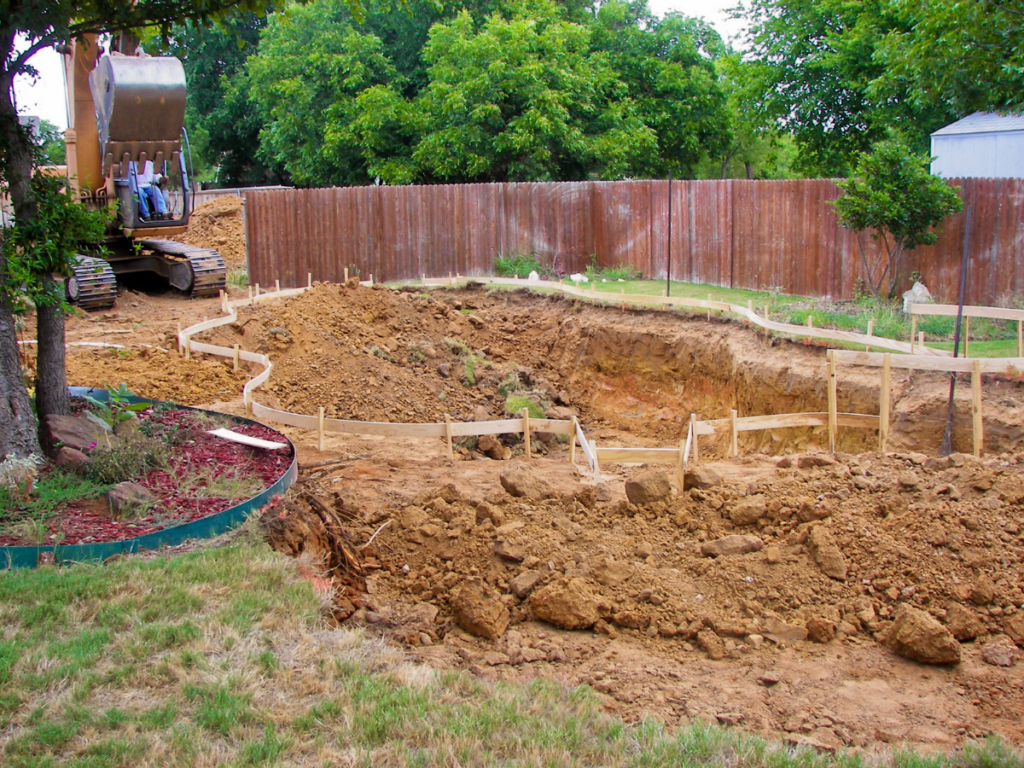
Fiberglass and concrete pools can both create durable, attractive inground swimming spaces, but they differ substantially in construction, design flexibility, surface care, and long-term ownership.
For homeowners weighing fiberglass pool benefits against the advantages of concrete, the decision usually comes down to priorities.
Fiberglass tends to favor a faster, more standardized construction process and simpler surface maintenance. Concrete offers much greater freedom over shape, depth, dimensions, and integrated features.
Neither material is universally better. The right choice depends on the property, budget, design goals, and how much ongoing maintenance the homeowner is comfortable managing.
Fiberglass Requires Less On-Site Construction
A fiberglass pool arrives as a completed shell that was manufactured off site. Once the excavation and base are prepared, the shell can be delivered, positioned, leveled, connected, and backfilled.
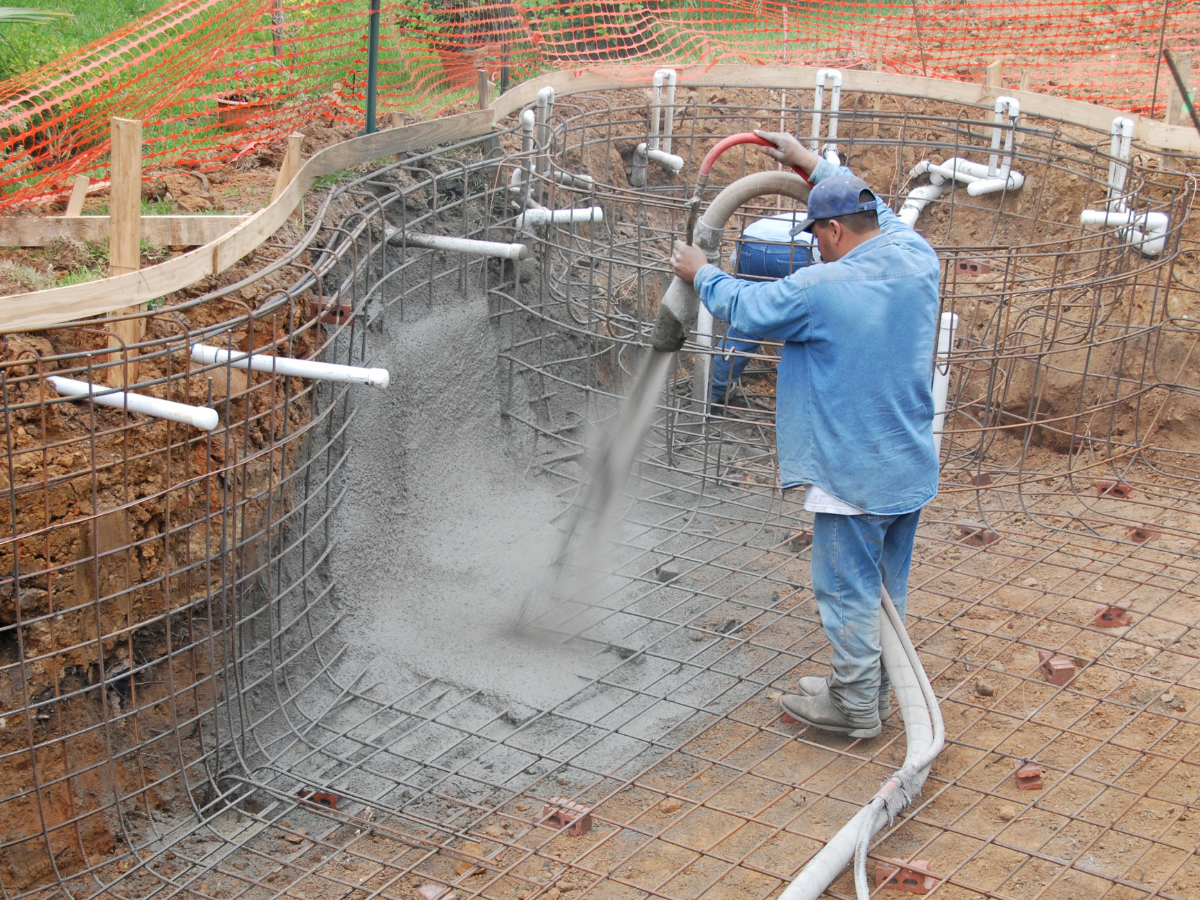
Concrete pools are built at the property. Construction generally involves excavation, structural reinforcement, plumbing, application of gunite or shotcrete, curing, waterproofing or finishing work, tile, coping, and additional site work.
That difference gives fiberglass an advantage when reducing the amount of pool construction performed in the backyard is a priority.
It does not mean every fiberglass project will be completed within a fixed number of weeks. Permitting, weather, difficult access, grading, drainage, decking, inspections, and landscaping can extend either type of project.
A realistic pool planning process should account for the entire backyard project rather than the pool shell alone.
Concrete Provides Greater Design Freedom
Customization is one of concrete’s clearest advantages. Because the structure is formed on site, concrete pools can accommodate highly specific dimensions, unusual shapes, varied depths, integrated spas, shelves, benches, and other architectural features.
That flexibility can be valuable on properties where a standard manufactured shell will not fit or where the pool itself is intended to be a highly customized design element.
Fiberglass offers less structural flexibility because homeowners select from existing molds. Manufacturers may provide many models, but the length, width, depth profile, steps, benches, and other molded features cannot simply be redesigned during installation.
For many homeowners, the available fiberglass designs are more than sufficient. For others, the ability to create a pool around a very specific vision makes concrete worth the additional construction.
Surface Maintenance Is Different
Fiberglass uses a smooth gelcoat interior, while concrete and gunite pools commonly receive plaster or another applied finish.
That distinction affects ongoing care. Fiberglass generally requires gentler brushing and does not require traditional plaster resurfacing. Concrete finishes are usually rougher and may demand more intensive surface cleaning, depending on the finish and water conditions.
Both pool types still need balanced water chemistry, circulation, filtration, cleaning, equipment maintenance, and repairs when necessary.
A useful comparison is therefore not “fiberglass requires maintenance and concrete does not” or vice versa. It is that the two materials create different maintenance responsibilities over the life of the pool.
Upfront Price Alone Does Not Tell the Whole Story
There is no dependable rule that one pool material will always cost a specific amount more than another.
Project price depends on dimensions, excavation, site conditions, equipment, finishes, decking, drainage, access, landscaping, and optional features. Concrete’s greater customization can increase labor and finishing costs, while fiberglass projects can involve transportation and crane access that affect the estimate.
Long-term costs differ as well. Concrete owners may eventually face finish repair or resurfacing, while fiberglass avoids that particular maintenance category. Both types still carry operating expenses for electricity, water treatment, equipment service, and routine upkeep.
Homeowners comparing different inground pool materials should therefore consider both the construction proposal and the expected ownership requirements.
| Consideration | Fiberglass | Concrete/Gunite |
|---|---|---|
| Construction method | Prefabricated shell | Built on site |
| Installation | Usually less on-site construction | More construction stages |
| Shape and dimensions | Limited to available molds | Highly customizable |
| Interior | Smooth gelcoat | Plaster or another applied finish |
| Surface upkeep | Generally simpler | Varies by finish and may require more brushing |
| Future resurfacing | Traditional plaster resurfacing not required | Finish may eventually need resurfacing |
| Best suited for | Homeowners prioritizing convenience and established designs | Homeowners prioritizing extensive customization |
How Should You Choose a Fiberglass Pool Installer?
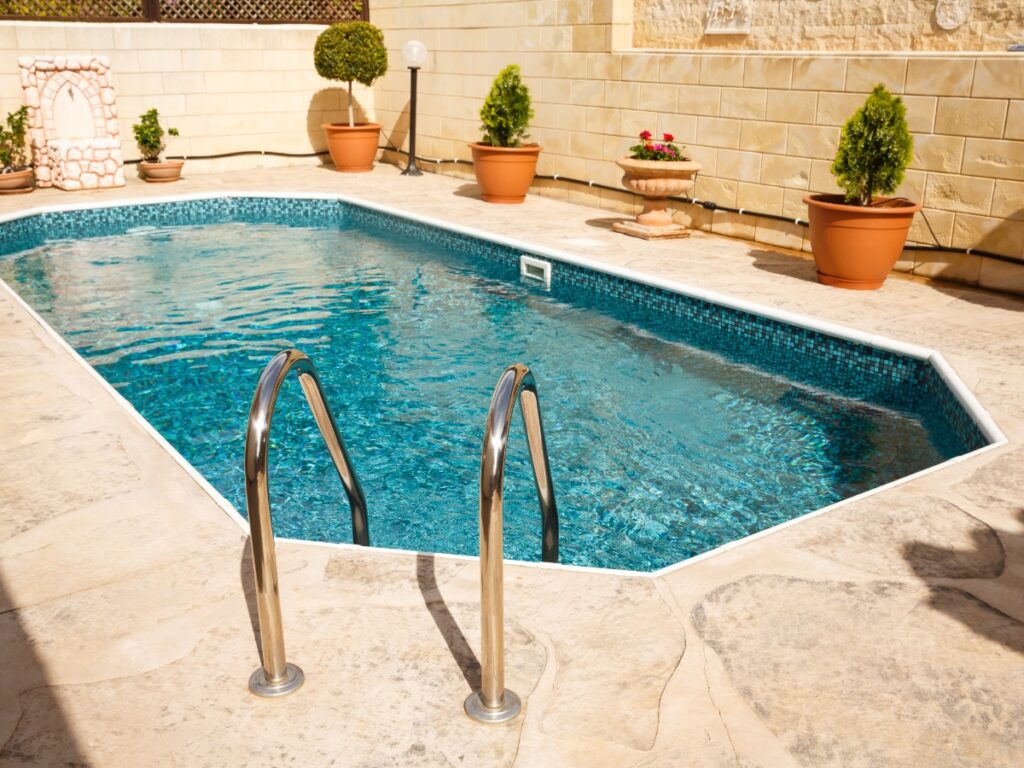
Once fiberglass is selected, the quality of the installation becomes as important as the shell itself.
A fiberglass pool must be excavated, supported, leveled, backfilled, plumbed, and integrated with the surrounding property correctly. Homeowners should therefore evaluate contractors based on relevant installation experience rather than relying primarily on advertising claims or star ratings.
Ask About Fiberglass-Specific Experience
Not every pool builder has the same level of experience with every construction method.
Ask prospective installers how frequently they work with fiberglass pools and whether they have experience with the manufacturer or shell being considered. They should also be able to discuss site access, excavation, drainage, backfill, equipment placement, and how installation requirements will be handled on the property.
Compare the Full Scope of Each Proposal
A lower quote may simply include less work.
Before comparing prices, determine whether each proposal covers excavation, hauling, shell delivery, placement equipment, plumbing, electrical work, decking, permits, drainage, cleanup, and other project components.
Also ask how unexpected conditions will be handled. Rock, groundwater, poor soil, or access problems can change the scope after excavation begins.
Look for Detailed Reviews Rather Than Ratings Alone
Customer reviews can provide useful context, but the average rating should not be the only consideration.
Look for comments that describe the actual construction experience. Communication, schedule management, workmanship, problem resolution, cleanup, and responsiveness after installation are more informative than generic praise.
The strongest fiberglass pool benefits depend partly on proper installation. A smooth surface, prefabricated shell, and streamlined construction process offer real advantages, but those advantages are most valuable when the pool type fits the property and the installation is handled correctly.
Conclusion
Fiberglass pools offer a practical combination of durability, low maintenance, and streamlined installation, making them an appealing choice for many modern backyards.
Their smooth, nonporous surfaces can simplify routine care, while the variety of available shapes, sizes, and built-in features makes it easier to find a design that complements your outdoor space.
Careful planning and professional installation can help ensure your new pool fits your property, lifestyle, and long-term maintenance expectations.
For professional fiberglass pool installation and customized backyard pool solutions, choose Clear Water Pools Atlanta. If you’re ready to explore the right fiberglass pool for your backyard, call 770-406-8638 to speak with the team at Clear Water Pools Atlanta or request your pool estimate today.