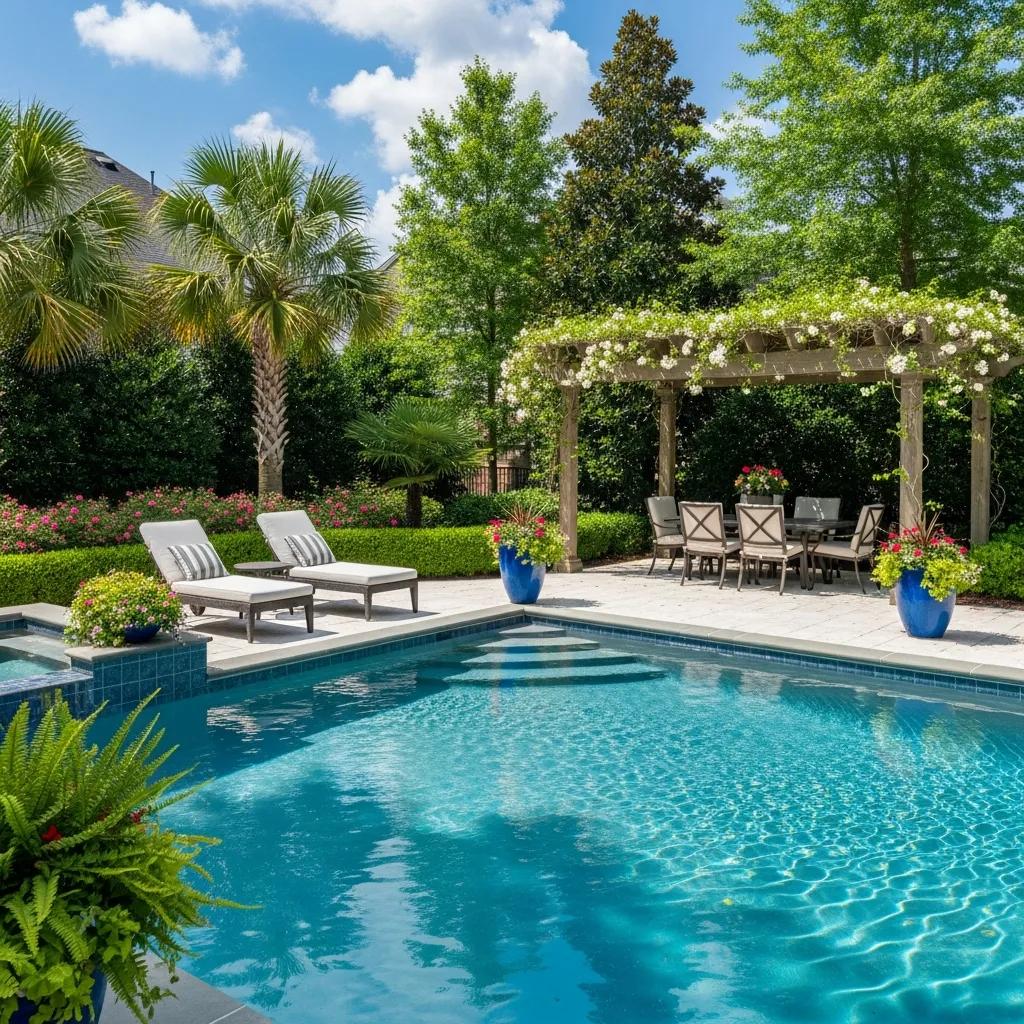
Successfully navigating the permit and regulatory landscape is a crucial, and often complex, first step in any new pool construction or major renovation project in Metro Atlanta. From county-specific zoning laws and setback requirements to health department approvals and drainage plans, understanding and complying with local codes is essential to avoid costly delays, fines, or mandated rework.
This blog breaks down the key pool permits and regulation considerations for pool projects in the Metro Atlanta area, providing a clear roadmap to help you plan efficiently and ensure your dream pool is built legally and safely.
How to Navigate Metro Atlanta Pool Permit Regulations
What Are the Key Steps to Obtain a Pool Permit in Metro Atlanta?
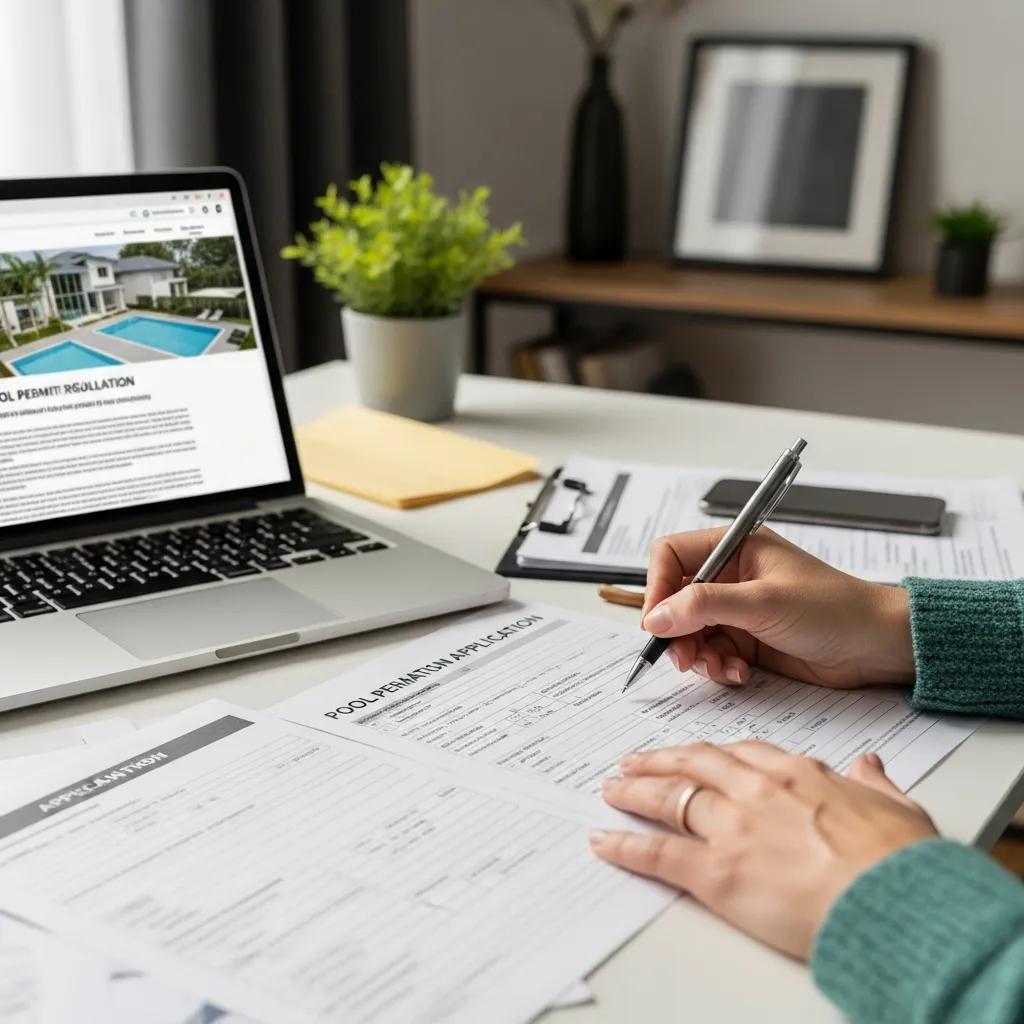
Getting a pool permit in Metro Atlanta is not just paperwork. It is the step that confirms your project meets permits regulations tied to zoning, safety, and construction standards. Most cities and counties in the area require you to submit an application to the local building department before any work begins. The goal is to make sure the pool is placed legally on the property, built to code, and designed with the required safety features.
In most cases, the process starts with a permit application and a set of plans. Those plans are reviewed to confirm they match local requirements, including setbacks from property lines, limits on where structures can go, and rules around barriers and drainage. Once the plans meet local standards, the permit is issued and construction can move forward. Keep in mind that permits regulations can vary by jurisdiction, so the exact steps and required forms may change depending on whether you are in the City of Atlanta or a surrounding county.
How Do You Apply For A Residential Pool Permit In Atlanta?
Applying for a residential pool permit usually follows a similar path, even though details can differ by area. You begin by completing the residential pool permit application, which is often available through the local government website or in person at the building department. The application generally asks for basic property information, details about the pool type, and information tied to where the pool will be located on the lot.
After the application is complete, you submit the required documentation along with it. Many homeowners find that the plans and supporting documents take the most time, since they must clearly show placement, dimensions, and construction details. Fees are typically paid at submission, and the building department will confirm the application is complete before it moves into review. If something is missing, the review process may pause until you provide the additional details. Staying organized at the beginning helps the permits regulations process move more smoothly and can prevent delays.
What Documents And Requirements Are Needed For Pool Permit Approval?
The building department will typically require documents that show what you plan to build and how it fits within local rules. A site plan is one of the most important items. It should show the proposed location of the pool, the dimensions, and the distances from property lines. It also helps to include easements, existing structures, and any relevant features that could affect placement.
Proof of property ownership is also commonly required. This may be a deed record, closing paperwork, or other official documentation that confirms the applicant has the legal right to request the permit. Zoning compliance is another key part of the approval process. The building department will want to see that the pool meets setback requirements and does not interfere with easements or restricted areas. Depending on the project, you may also need details related to safety barriers, such as fencing, gates, and alarms, since these features are often part of permits regulations for residential pools.
Preparing these materials carefully can make the plan review easier and reduce back-and-forth. When the documents clearly show compliance, the permitting process is more likely to stay on track and get approved without unnecessary delays.me infrastructure, and coordinating those details early, including any boiler services that may be part of the plan, can help keep the project moving smoothly from approval to final inspection.
How Do Metro Atlanta Building Codes Affect Pool Construction?
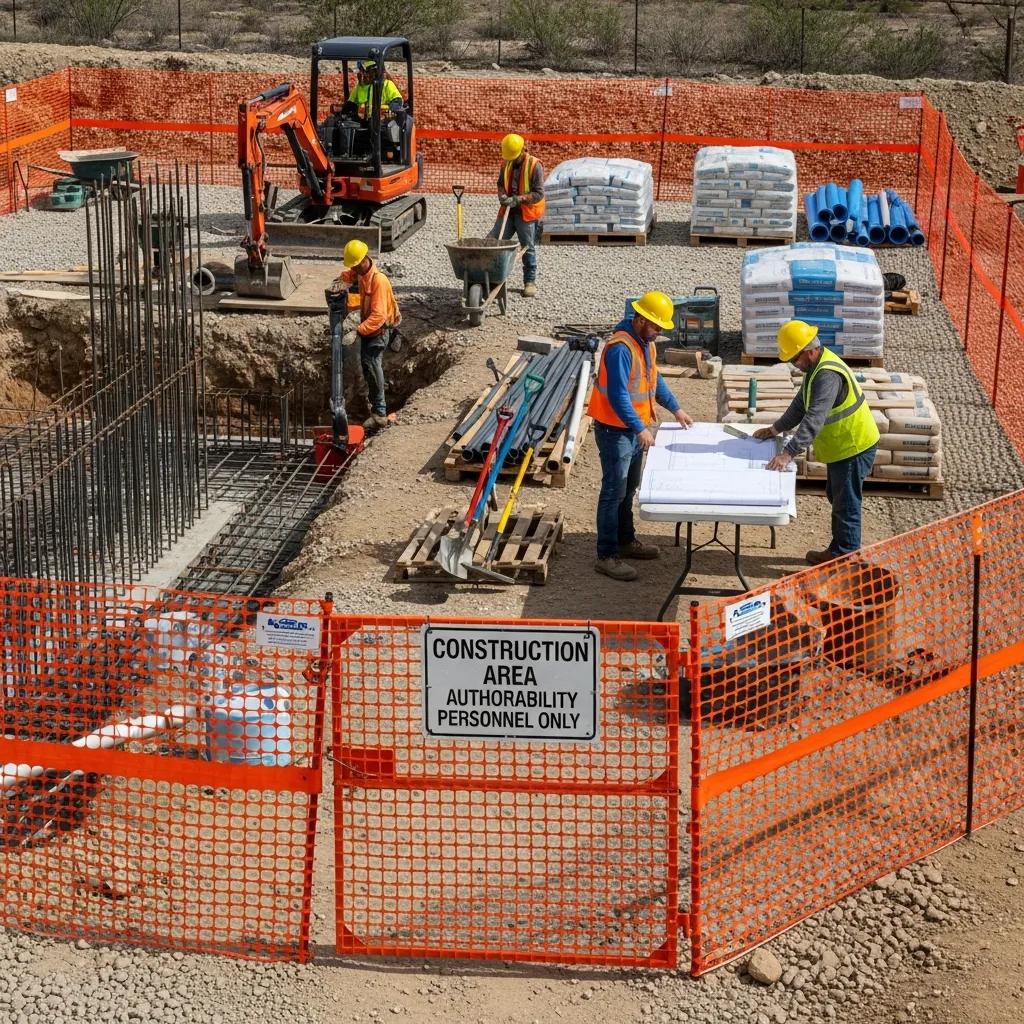
Building codes shape nearly every part of pool construction in Metro Atlanta, from where a pool can sit on a lot to the safety features required before it can be approved for use. These rules exist to reduce risk and create consistent standards for homeowners, neighbors, and inspectors. If you are planning a pool, it helps to think of permits regulations as part of the design process, not something you deal with at the very end. When a pool is designed with local requirements in mind, the permitting and inspection process tends to move more smoothly.
Local codes often focus on two big areas: safety and structural compliance. Safety rules commonly address barriers, gates, and access control to help prevent accidents, especially involving children. Structural and construction standards may include requirements for excavation, drainage, plumbing, electrical work, and equipment placement. While the exact rules can vary by city or county, permits regulations across Metro Atlanta generally aim for the same outcome: a pool that is safe, properly built, and appropriately placed on the property.
What Are The Essential Pool Construction Regulations In Atlanta?
One of the most consistent requirements you will see is the need for a compliant barrier around the pool. In many areas, residential pools must be enclosed by a fence at least forty eight inches high, and the gate typically needs to be self-closing and self-latching. The point is to reduce unsupervised access and create a clear physical boundary around the pool area. Inspectors often pay close attention to this because it is one of the most direct safety protections built into permits regulations.
Beyond fencing, building codes can also influence how equipment is installed and how the pool interacts with the rest of the property. For example, you may need to plan for proper drainage so water does not run toward a neighbor’s yard or into an area that causes erosion. Electrical work for pumps, lighting, and bonding is also commonly regulated, since water and electricity require careful installation. Even if you are focused mainly on the pool shape and finishes, these behind-the-scenes requirements can affect the final layout and timeline.
How Do Safety Standards And Zoning Laws Impact Pool Design?
Zoning rules affect pool placement more than many homeowners expect. Local zoning laws often include setbacks, which are minimum distances the pool must be from property lines, structures, or easements. If you have a smaller yard, a corner lot, or utility easements running through the property, these zoning limits can shape what type of pool is realistic. In some cases, the size of the pool, the location of decking, or the placement of equipment may need to be adjusted to meet permits regulations.
Safety standards also influence design choices, particularly for families with children. Fencing, gate placement, and access points are not just compliance items. They change how you enter the pool area and how the space functions day to day. Some homeowners also build the pool area around sightlines from the house so it is easier to supervise. These practical choices work hand in hand with the code requirements and can make the final space feel more usable while still meeting local rules.
When you understand how building codes, zoning, and safety standards work together, it becomes easier to plan a pool that looks the way you want and still passes inspections without delays.
What Are the Inspection and Compliance Requirements for New Pools?
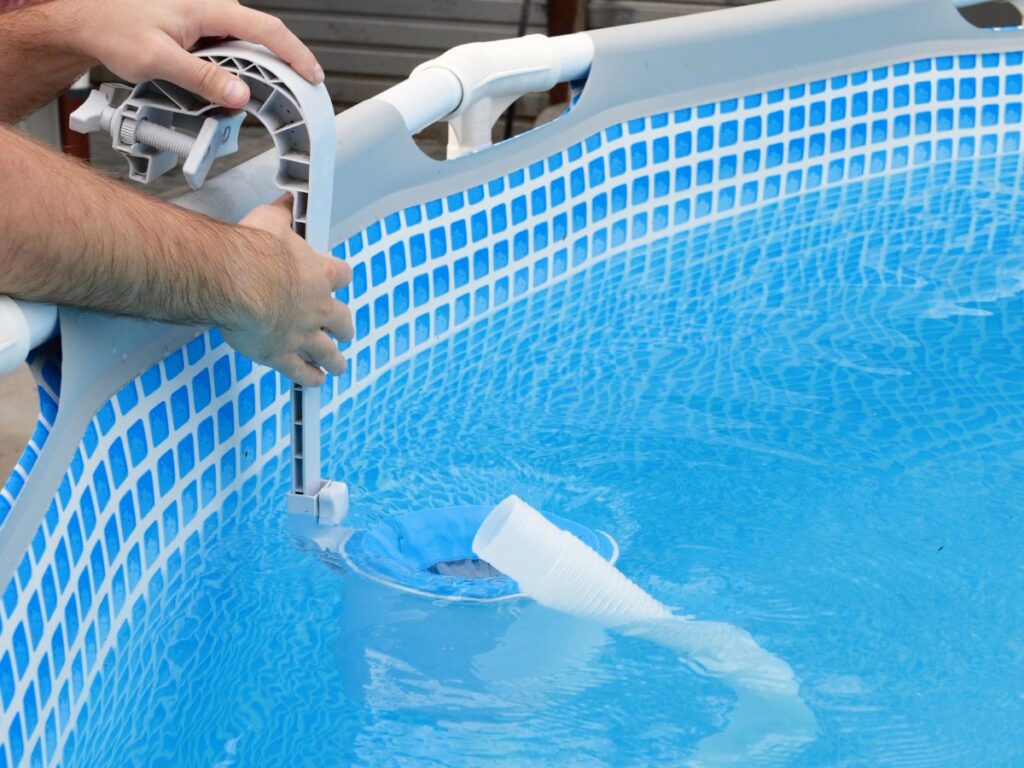
After a pool permit is approved and construction begins, inspections become the main way local officials confirm the project matches the plans on file and meets current safety standards. These checkpoints are not just formalities. They help verify that the pool is being built correctly, that key safety elements are in place, and that the finished project complies with permits regulations in your city or county. In Metro Atlanta, inspection steps can vary by jurisdiction, but the overall goal stays the same: make sure the pool is safe, code-compliant, and ready for use.
Most inspection schedules follow the construction timeline. Certain stages must be signed off before the builder can move forward to the next phase. If an issue is found, corrections are typically required before the project can continue. Planning for inspections early, and building to the approved plans, helps avoid delays and last-minute revisions.
Pre-Construction And Final Inspections You Should Expect
Some jurisdictions require an initial inspection before major work begins. This is often tied to verifying the site conditions and confirming the pool location matches zoning requirements, setbacks, easements, and any other placement rules. This step matters because changing the pool location after excavation starts can be expensive and time-consuming. It is one of the easiest points to confirm that the project is aligned with permits regulations before the work becomes hard to undo.
Once construction is complete, a final inspection is typically required before the pool can be used. The final inspection focuses on whether the pool matches the approved plans and whether required safety features are installed properly. Inspectors may review barrier placement, gate operation, safety equipment, and general construction compliance. A pool may look finished, but it still needs that final approval to confirm it meets local requirements.
Which Inspections Are Required During And After Pool Construction?
During construction, a structural inspection is commonly required to confirm the pool shell and supporting structure follow the approved design. This can include checks related to reinforcement, formwork, and overall build quality, depending on the type of pool being installed. The goal is to make sure the foundation of the pool is sound before it is covered up by the next steps in the project.
A safety inspection is also typical and often focuses on the barrier system. Inspectors usually verify that the fencing height meets local minimums, that gates are self-closing and self-latching when required, and that access points are secured. This inspection is one of the more closely enforced parts of permits regulations because it is directly tied to accident prevention. Some areas may also require electrical and plumbing inspections, especially for bonding, grounding, and equipment installation, since these items are safety-critical around water.
How Can Homeowners Avoid Common Permit Application Mistakes?
Many permit delays come from missing or unclear documentation. Before submitting your application, make sure your site plan is easy to read, includes accurate measurements, and clearly shows distances from property lines and structures. Incomplete plans or mismatched details are a common reason applications get kicked back for revision.
It also helps to understand which local office has jurisdiction over your property, since permits regulations can differ across Metro Atlanta. Setback rules, barrier requirements, and inspection procedures may not be identical from one area to the next. Reviewing local guidelines before submitting can prevent avoidable compliance issues.
Finally, many homeowners reduce mistakes by working with licensed professionals who regularly handle permitting. Even if you are managing the project yourself, having an experienced builder or contractor involved can help ensure the plans, documents, and inspection schedule align with local requirements from the start.
Who Must Be Licensed to Build Pools in Georgia?

In Georgia, pool construction is not a casual DIY-friendly project. It typically involves excavation, structural work, plumbing, and electrical components, all of which are closely tied to permits regulations and safety codes. Because of that, homeowners should understand who is legally allowed to take on pool work and what credentials to look for before signing a contract. Hiring someone who is properly licensed helps protect you if something goes wrong and reduces the risk of code issues that can slow down inspections or prevent final approval.
For many residential projects, contractors need to meet state licensing requirements through the Georgia State Licensing Board for Residential and General Contractors. A common threshold is the total contract value. If the project exceeds $2,500, a state license is typically required for the contractor to perform the work legally. Even if a project seems straightforward, this licensing rule matters because pool construction usually adds up quickly once labor, materials, and equipment are included.
What Are The Pool Contractor Licensing Requirements In Metro Atlanta?
In Metro Atlanta, licensing expectations follow Georgia’s statewide standards, but local permitting offices may also require contractors to provide proof of credentials as part of the application process. At a baseline, you want to confirm the contractor holds a valid Georgia license when the contract amount crosses the $2,500 threshold. This is not just a formality. Licensing is one of the ways the state sets minimum requirements for experience and accountability.
Insurance is another major piece of the puzzle. Licensed contractors are typically expected to carry liability insurance, and in many situations, they should be able to provide proof before work begins. That coverage matters because pool construction involves heavy equipment, property disruption, and risk. Insurance helps protect homeowners if there is accidental damage to the home, surrounding structures, or neighboring property during the build.
While licensing and insurance are separate requirements, they work together in practice. Licensing supports legal compliance and professional standards, while insurance adds a layer of protection if something unexpected happens on site. Both also tie back to permits regulations because many jurisdictions want reassurance that the builder is qualified before approving plans or moving forward with inspections.
How Does Hiring A Licensed Contractor Benefit Your Pool Project?
A licensed contractor brings practical advantages that often show up in the smoothness of the project. Pool builds involve multiple phases, and each phase may require an inspection or sign-off before the next step can happen. Contractors who regularly build pools understand how to schedule work so it aligns with inspection timing, which helps prevent delays and rework. They also tend to be more familiar with the documents needed to satisfy permits regulations, such as site plans, equipment layouts, and barrier details.
Licensed contractors also help reduce the risk of costly mistakes. Pools must meet safety standards related to barriers, access points, and, in many cases, electrical bonding and grounding. If any of that work is done incorrectly, the final inspection may fail, which can delay approval and create additional expense. A contractor who understands local building codes is more likely to install the pool in a way that meets requirements the first time.
Keeping Compliance Simple From Start To Finish
For homeowners, the key takeaway is that licensing is not just a box to check. It is part of keeping the project aligned with permits regulations from the first application through the final inspection. Before hiring a pool builder, confirm the contractor’s license status for projects exceeding $2,500 and ask for proof of liability insurance. These steps help you start the project with clear expectations and reduce the chances of avoidable complications as construction moves forward.
Where Can Homeowners Find Resources And Support For Pool Permits?
If you are planning a new pool in Metro Atlanta, the permitting step can feel like the hardest part, especially if you are not sure where to start. The good news is that most of the information you need is publicly available. The challenge is knowing which source applies to your address and how local permits regulations connect to state-level building standards. When you use the right resources early, you can avoid delays caused by missing paperwork, outdated forms, or design details that do not match local code expectations.
In most cases, your best starting point is the local permitting authority for your city or county, since that is where applications are submitted and inspections are scheduled. State agencies can also be helpful for understanding the bigger picture, such as which building codes are adopted and how they are maintained across Georgia.
What Official Metro Atlanta And Georgia State Resources Provide Permit Information?
Local government websites are often the most practical resource because they typically explain the application process in plain terms and include the forms you need. Many city and county sites have a building permits section where you can find instructions, fee schedules, required documents, and notes on common requirements like setbacks, easements, and barrier standards. Since Metro Atlanta includes multiple jurisdictions, this matters more than people expect. Permits regulations can differ depending on whether you are inside a city limit or in an unincorporated county area, so the website for the office that serves your property is usually the most accurate reference for your specific project.
At the state level, the Georgia Department of Community Affairs is a common reference point for broader guidance on building codes and construction standards. While the state does not issue every local permit, state resources can clarify what codes are in place and why local rules exist. This can be helpful if you are trying to understand the logic behind requirements or confirm the baseline standards that local offices build on. When you use both local and state resources together, you get a clearer picture of how permits regulations affect your pool design, your documentation, and your inspection timeline.
How Does Clear Water Pools Assist With Navigating Permits And Regulations?
Some homeowners prefer additional support, especially if they are balancing design choices, contractor scheduling, and inspection timing all at once. Clear Water Pools is one example of a pool builder that helps homeowners navigate permits regulations as part of the overall planning process. This kind of guidance can be useful when you want to confirm that the site plan reflects correct setbacks, that the pool layout accounts for zoning limits, and that safety requirements like barriers and gate details are addressed in the design before submission.
Support can also help with the practical side of permitting, such as organizing the documents needed for review and anticipating what inspectors typically focus on during construction. A smoother process often comes down to preparation. If the application includes complete plans, clear measurements, and details that align with local rules, approvals tend to move faster and fewer revisions are needed. Whether you use a builder for consultation or you manage the project independently, the goal is the same: understand permits regulations early enough that they guide your decisions instead of disrupting them later.
Keeping Your Permit Process Simple And Predictable
Permitting is usually easier when you treat it like a checklist you build into the project from the start. Begin with the local government site that serves your address, then use state resources to understand the code framework behind the requirements. If you want help interpreting permits regulations or preparing documents, working with an experienced pool builder can reduce guesswork and keep the project aligned with local expectations from application through final inspection.
Conclusion
Successfully navigating the permit and regulation process is a critical, non-negotiable step in building your Metro Atlanta pool. While it can seem complex, partnering with an experienced builder ensures your project meets all local codes, avoids costly delays, and proceeds smoothly from concept to completion. At Clear Water Pools Atlanta, we handle the intricacies of permits and pool inspections, providing you with clarity and confidence every step of the way. Ready to dive into your pool project with peace of mind? Call 770-406-8638 or request your free pool estimate today—and let us guide you through the process to your dream backyard oasis.