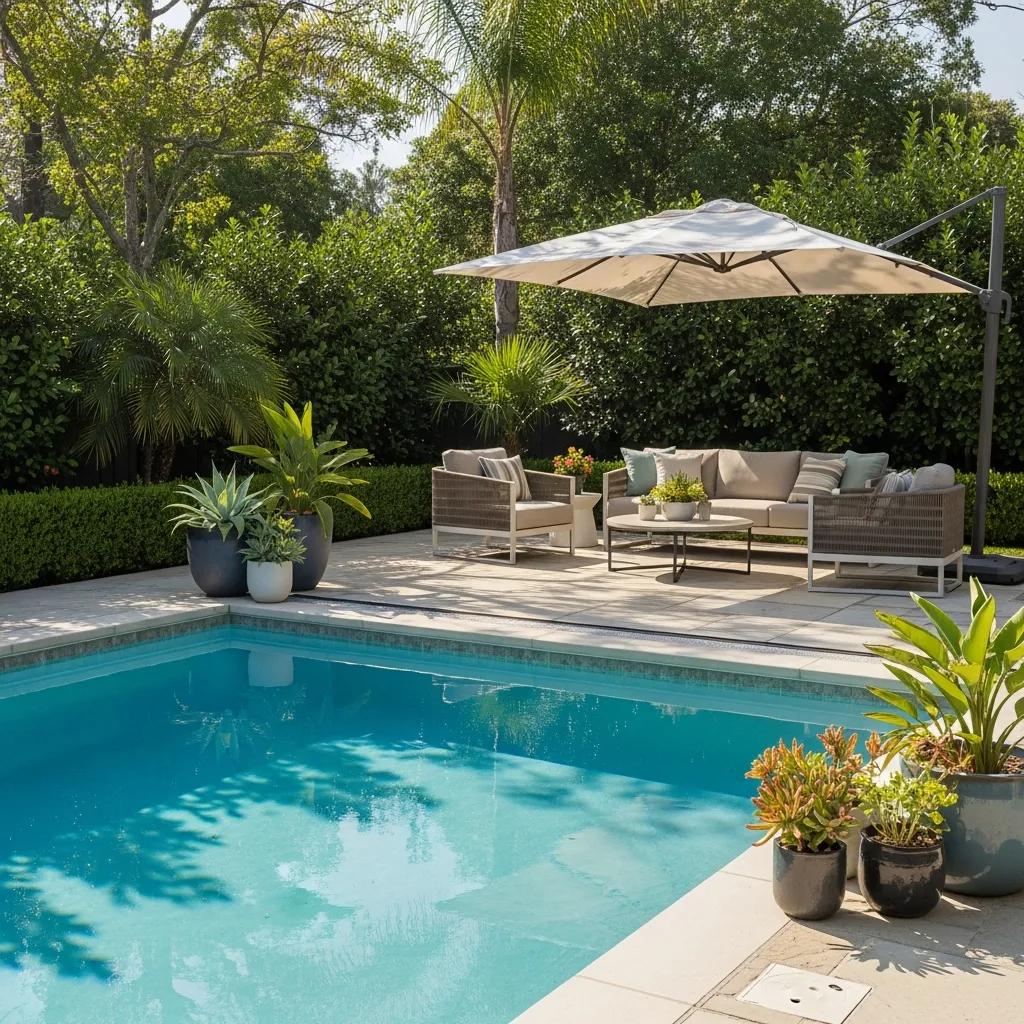
Saltwater pools are gaining popularity among Atlanta homeowners for offering a gentler, more natural swimming experience with significantly reduced reliance on harsh traditional chemicals. While the upfront investment differs from a chlorine system, the long-term benefits—including softer-feeling water, lower maintenance, and less skin and eye irritation—make it a compelling choice for modern backyards.
This guide covers saltwater pool benefits and outlines the installation process in Atlanta, helping you decide if this innovative system is right for your home.
Saltwater Pool Benefits Compared to Traditional Chlorine
What Are Saltwater Pools and How Do They Work?
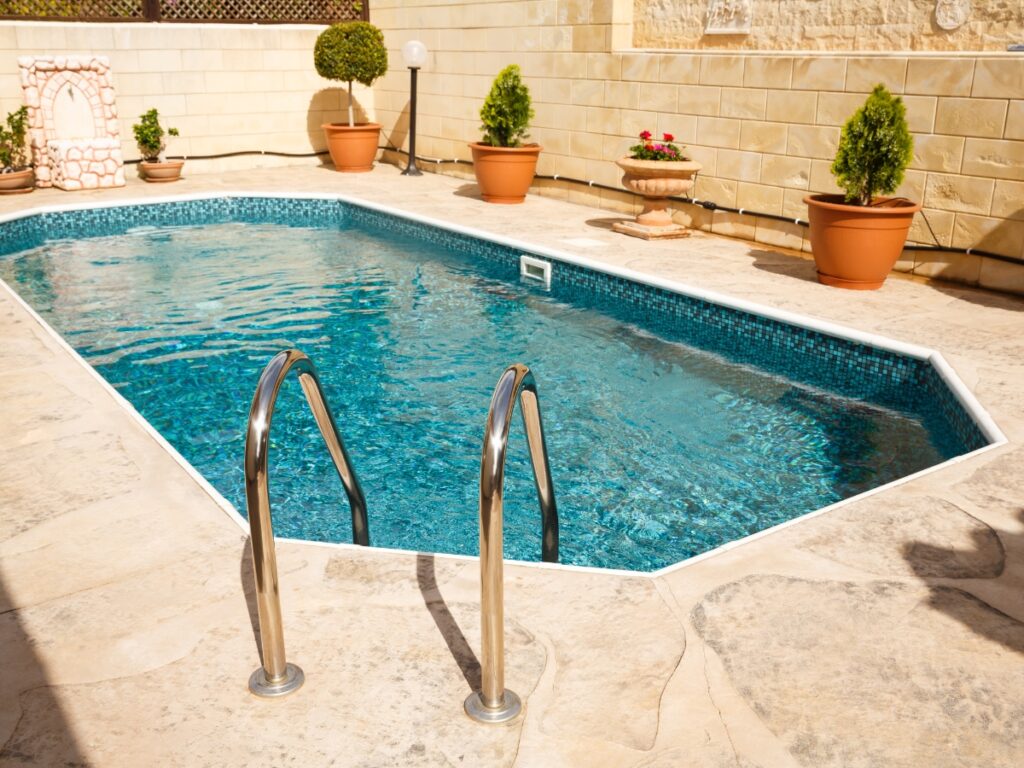
Saltwater pools are swimming pools that use a salt chlorine generator to create chlorine from dissolved salt. Instead of adding chlorine tablets or liquid chlorine on a regular basis, the pool water passes through the generator, which produces the chlorine needed to sanitize the water. The goal is the same as a traditional pool: keep the water clean and safe. The difference is how that chlorine gets there and how the water tends to feel day to day.
Many homeowners are drawn to saltwater systems because the water often feels softer, and the chlorine level tends to stay more consistent when the system is working properly. That consistency is one of the saltwater pool benefits people notice first, especially when compared to pools that swing between strong chlorine smell and low sanitizer levels. It is still a chlorinated pool, but the experience can feel less harsh for regular swimmers.
Understanding Salt Chlorine Generators And The Electrolysis Process
A salt chlorine generator works through electrolysis. In simple terms, the pool has a measured amount of salt dissolved in the water. As water circulates through the filtration system, it flows through the generator cell. Inside that cell, an electric current triggers a reaction that converts salt into chlorine compounds that sanitize the pool. The chlorine then does its job in the water and eventually converts back into salt, so the process continues as long as the system is running.
This is one reason saltwater systems are often seen as more convenient. The generator produces chlorine continuously during circulation, which can reduce the need for frequent manual dosing. It does not eliminate all pool care, but it can streamline the routine, since you are typically adjusting output levels rather than constantly adding chlorine by hand. Another of the saltwater pool benefits is that many systems help maintain a steadier sanitizer level, which can support clearer water when the pool chemistry is balanced.
It is worth noting that salt levels still need to be monitored. Rain, splash-out, and backwashing can lower salt concentration over time, and the generator cell itself needs periodic inspection and cleaning to prevent scale buildup. Still, compared to daily or weekly chlorine additions, many homeowners find the process simpler.
How Saltwater Pools Differ From Traditional Chlorine Pools
Traditional chlorine pools rely on adding chlorine manually, either through tablets, granular chlorine, or liquid. That approach can work well, but chlorine levels can fluctuate depending on weather, bather load, sunlight, and how consistently chemicals are added. Those swings are often what cause the strong chlorine smell, irritated eyes, or dry skin people associate with pool water.
Saltwater pools still use chlorine, but because it is generated steadily, the water often feels less irritating for many swimmers. That does not mean saltwater pools are chemical-free. They still require balanced pH, alkalinity, and stabilizer levels. However, the overall feel can be different, and many people find it more comfortable for frequent swimming.
Maintenance also tends to look different. With a traditional pool, the focus is often on adding chlorine and adjusting as needed. With a saltwater system, you are managing generator output, checking salt levels, and keeping an eye on the condition of the generator cell. For homeowners who want more consistent sanitation with fewer manual chemical additions, that shift in routine is a key reason saltwater pool benefits are often highlighted when comparing pool types.
Why Choose Saltwater Pool Installation in Atlanta?

Atlanta’s long swim season makes pool comfort and maintenance a bigger deal than it might be in cooler regions. When you are using a pool frequently, the day-to-day feel of the water matters, and so does the amount of work it takes to keep things balanced. That is where saltwater systems tend to stand out. A saltwater pool still uses chlorine, but it generates it from salt through a salt chlorine generator, which can lead to more consistent sanitation and a different swimming experience overall. For many homeowners, the decision comes down to comfort, routine upkeep, and how the pool fits into a more practical, lower-fuss lifestyle.
Saltwater pool benefits are often most noticeable for families and frequent swimmers. People who spend a lot of time in the water may be more sensitive to swings in chlorine levels, and traditional pools can sometimes feel harsh when the balance is off. With a saltwater system, the chlorine is produced steadily while the pool circulates, which can help avoid the sharp highs and lows that cause strong odors or discomfort.
Health And Comfort Benefits For Atlanta Homeowners
One of the biggest reasons homeowners consider saltwater is how the water tends to feel. Many swimmers describe it as softer, and it is often less irritating to eyes and skin than a traditionally chlorinated pool, especially when chemistry is maintained properly. This can be a plus for kids who swim often, people with sensitive skin, or anyone who is tired of getting out of the pool with red eyes and dry, tight skin.
Another comfort factor is the smell. The strong “chlorine” odor people associate with pools is often linked to chloramines, which can build up when chlorine combines with contaminants. Because saltwater systems can support steadier chlorine levels, some homeowners find the pool area smells cleaner and feels more pleasant. It is not a guarantee, since water balance still matters, but it is one of the saltwater pool benefits people notice when comparing systems.
That said, saltwater pools are not chemical-free. You still need to monitor pH, alkalinity, and stabilizer, and salt levels must be kept in the proper range for the generator to work. The difference is that many owners spend less time manually adding chlorine and more time making smaller adjustments to keep the system running smoothly.
Eco-Friendly Advantages In Atlanta’s Climate
Atlanta’s warm weather means pools can be open and running for a long stretch each year, which can increase chemical use and maintenance demands over time. With a saltwater system, chlorine is generated on-site rather than added in large doses, which can reduce how often you handle and store pool chemicals. Many homeowners like that the process feels more controlled and less dependent on frequent chemical additions.
Water use is another consideration. A well-maintained saltwater pool does not automatically use less water, but the stability of the system can help owners avoid extreme chemical swings that lead to draining and refilling as a quick fix. In a climate where storms, heat, and heavy pool use can push water chemistry around, a system that supports consistency can make responsible maintenance easier to stick with.
The bigger picture is that saltwater pool benefits often align with how many Atlanta homeowners want to use their outdoor space. They want a pool that feels comfortable, stays clear, and does not require constant intervention. When the system is sized correctly and maintained properly, a saltwater pool can support that goal with a routine that feels simpler and a swim experience that feels easier on the body.
What Is The Cost Of Saltwater Pool Installation In Atlanta?
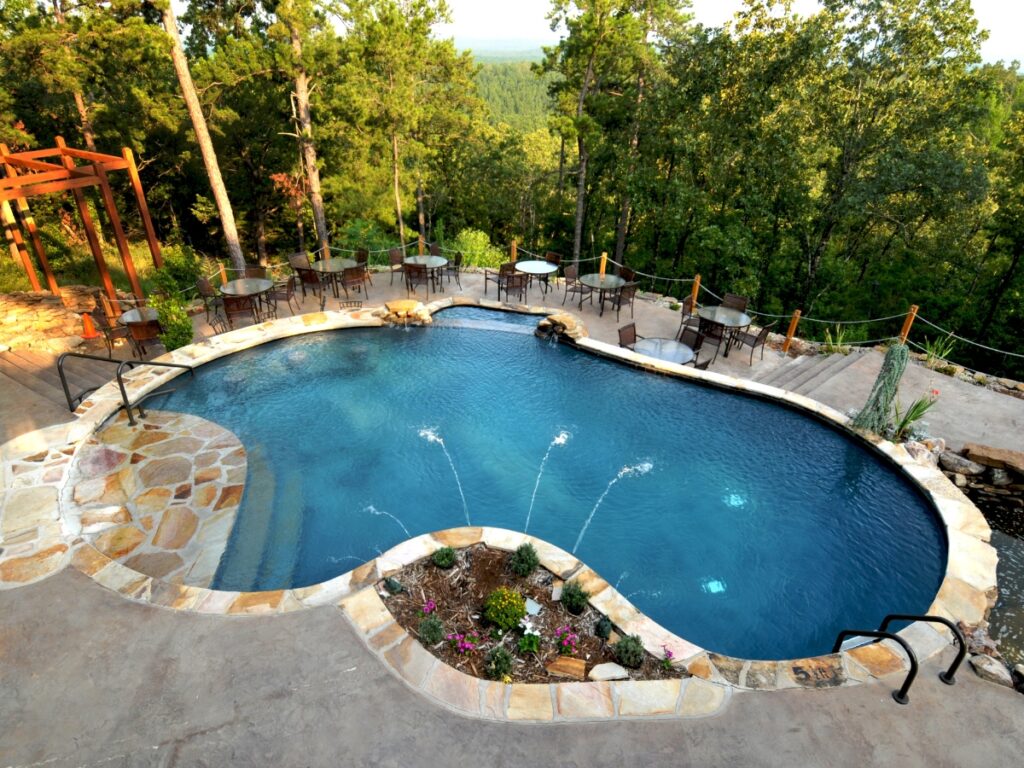
The cost of installing a saltwater pool in Atlanta depends on the same core factors that shape any pool build, plus the equipment needed for saltwater chlorination. The biggest driver is the pool itself, including its size, shape, and construction type. A simple design with standard features is usually more predictable to price than a custom layout with complex finishes, built-in water features, or a fully redesigned backyard. Saltwater systems then add another layer to the budget, since you will need a salt chlorine generator and supporting components sized correctly for the pool.
It is also worth separating two common scenarios: building a new pool as a saltwater system from the start, or converting an existing chlorine pool to saltwater. Both can be good options, but they affect the budget differently. New builds roll the salt system into the overall equipment package, while conversions may include replacing certain parts that were not designed with saltwater in mind.
Factors Influencing Installation And Conversion Costs
Pool size and volume matter because they affect everything from excavation and materials to pump sizing and the salt system capacity. Larger pools typically need more powerful equipment and more salt to reach the correct concentration. Construction type also plays a role. Concrete, fiberglass, and vinyl pools each come with different build requirements and long-term maintenance considerations, which influences the overall project cost.
Design complexity adds cost in predictable ways. Freeform shapes, raised walls, intricate tile, and added features like lighting, heating, or automation can increase the budget because they require more labor, materials, and coordination. Backyard conditions can also shift pricing. Limited access for equipment, sloped yards that need grading, or soil and drainage challenges often add site work before the pool build can even begin.
For conversions, cost depends on the existing pool setup. Some pools are ready for a straightforward salt system install, while others need upgrades to improve circulation or update older equipment. In many cases, the salt chlorine generator is the main addition, but the condition of the pump, filter, plumbing, and electrical setup can affect how smooth the conversion is. Surface materials and metal components are another consideration, since salt can be more demanding on certain finishes and fixtures if they are already worn.
When weighing the investment, homeowners often consider saltwater pool benefits beyond the upfront number. Many people value the feel of the water and the convenience of steady chlorine generation as much as the equipment itself.
Financing Options And Long-Term Savings
Because pool projects can be a major expense, many homeowners explore financing to spread costs over time rather than paying everything upfront. Financing structures vary, but the practical takeaway is that budgeting becomes easier when the project is broken into predictable monthly payments. The key is to understand what is included, what the timeline looks like, and how changes to the design can affect the final cost.
Long-term savings are part of the decision for some homeowners, but they are usually best viewed as gradual offsets rather than an instant return. Saltwater pools can reduce how often you buy and handle traditional chlorine products because the system generates chlorine during circulation. That can simplify routine maintenance, and it may lower certain ongoing chemical costs, depending on how the pool is managed. At the same time, salt systems still require testing, balancing, and occasional equipment upkeep, including maintaining the generator cell.
For many Atlanta homeowners, saltwater pool benefits come down to a mix of comfort and consistency. If you swim often, prefer steadier sanitation, and want to reduce the frequency of manual chlorine additions, a saltwater system can be a practical upgrade that also supports a more enjoyable day-to-day pool experience.
How to Maintain Your Saltwater Pool for Optimal Performance?
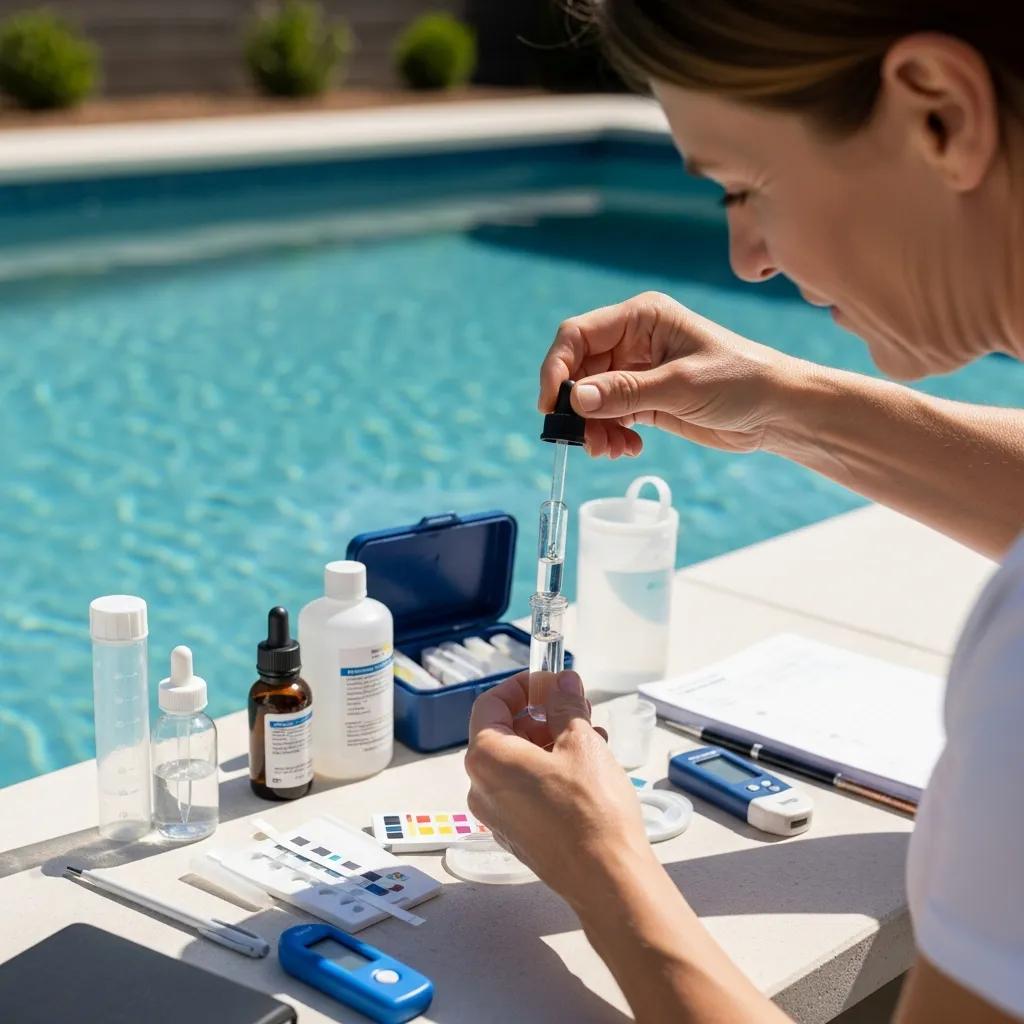
Saltwater pools are often chosen because they can feel easier to manage day to day, but they still need regular upkeep to stay clear and comfortable. The main difference is that a salt chlorine generator produces chlorine from dissolved salt while the pool circulates, which can help keep sanitizer levels steadier. To get the full value of the system, you want to focus on consistent testing, protecting the salt cell from buildup, and keeping water balance in the right range. When those basics are handled, the saltwater pool benefits are easier to notice, especially softer-feeling water and fewer chlorine swings.
Maintenance also helps protect equipment. Salt systems involve electrical components and a generator cell, and both work best when water chemistry is stable. If pH runs high for long periods, scale can build up faster. If sanitizer levels drop too low, water quality can slip quickly during hot weeks and heavy pool use. A simple routine prevents most of the problems homeowners associate with “high maintenance” pools.
Essential Saltwater Pool Maintenance Tips
Start with routine water testing. Even though the generator produces chlorine automatically, the pool still needs balanced chemistry to stay comfortable and to keep the system running efficiently. Testing weekly is a good baseline for many households, but during peak summer heat or after heavy rain, checking more often can help you catch changes early. Pay attention to salt level, free chlorine, pH, total alkalinity, and stabilizer. If salt drops too low, the generator may struggle to produce chlorine consistently, and the system may alert you to the issue.
pH control is one of the most important habits for saltwater pools. Many salt systems tend to drift upward in pH over time, and high pH can reduce chlorine effectiveness while encouraging scale buildup. Keeping pH in a comfortable range also helps protect surfaces, equipment, and swimmer comfort. When pH is maintained, it supports the steady sanitation that people expect when they talk about saltwater pool benefits.
The salt cell also needs attention. Over time, calcium and mineral deposits can collect on the cell plates, especially in areas with harder water. A dirty cell cannot produce chlorine as effectively, and it can shorten the life of the component. Most systems allow for visual inspection, and cleaning is typically needed only when you see buildup, not on a strict schedule. The key is not to ignore it until the generator starts struggling.
Beyond chemistry, the usual pool basics still apply. Skim debris regularly, brush surfaces to reduce algae risk, and keep filters clean so circulation stays strong. Saltwater pools are not immune to algae. They just make it easier to keep sanitizer levels steady when the system is running well.
Clear Water Pools Maintenance Support
Some homeowners prefer to handle testing and cleaning themselves, while others want maintenance handled on a set schedule. Clear Water Pools supports saltwater pool care with routine checks that focus on water balance, equipment performance, and overall cleanliness. Regular service can be especially helpful during the busiest parts of the year, when rain, heat, and heavy use can shift chemistry quickly.
Whether you maintain the pool yourself or use a regular service plan, the goal is the same. Keep the water balanced, keep the generator cell clean, and stay consistent with filtration and circulation. When that happens, saltwater pool benefits show up in the ways people care about most: clearer water, a more comfortable swim, and fewer surprises from week to week.owners to relax and enjoy their pools without the hassle of maintenance.
Comparing Saltwater Pool Installation with Other Chlorine Alternatives
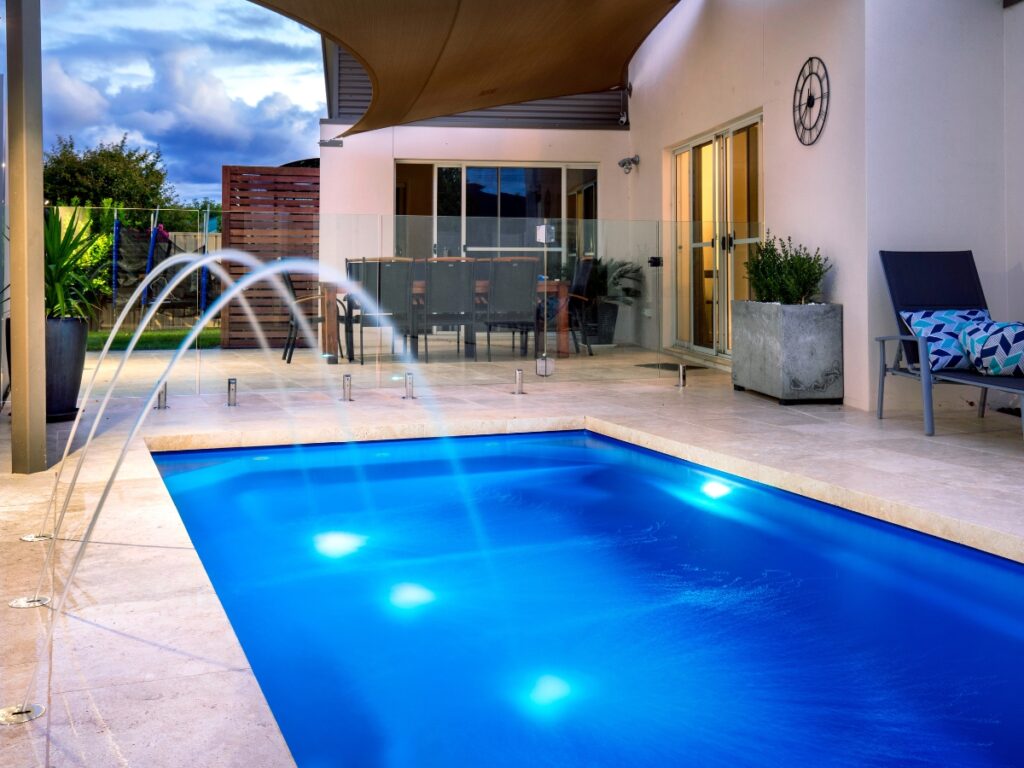
If you are looking beyond traditional chlorine, saltwater pools are usually the first option people consider, but they are not the only alternative. Mineral systems and ozone systems are also common, and each one has a different approach to sanitation and ongoing care. Comparing them side by side is helpful because “less chlorine” can mean very different things in practice. Most pools still rely on some form of chlorine to stay safe, even if another system is doing part of the work.
Saltwater pools use a salt chlorine generator to produce chlorine from dissolved salt as water circulates. Mineral pools typically add minerals to help control algae and improve water feel, but they usually still need a chlorine residual to sanitize properly. Ozone systems use ozone gas to oxidize contaminants, which can improve water clarity, but they often need a backup sanitizer because ozone does not remain in the pool water for long. When homeowners talk about saltwater pool benefits, they are often describing the combination of steady sanitation and a more comfortable swim experience rather than a pool with zero chlorine.
Comparing Saltwater Pools With Other Eco-Friendly Pool Options
Saltwater systems are often considered more straightforward because the chlorine production happens automatically during circulation. That can reduce the need to manually add chlorine, and it can help keep sanitizer levels more consistent throughout the week. Many owners also like that the water tends to feel softer and less irritating when chemistry is balanced.
Mineral systems are appealing for similar reasons, especially comfort. The minerals can support water clarity and may reduce how quickly chlorine is consumed, but they do not usually replace chlorine entirely. In many cases, mineral pools still require chlorine to meet sanitation needs, so you may still be dosing chlorine regularly, just at lower levels than a standard pool.
Ozone systems can be great at breaking down contaminants, which can help with smell and clarity. The main drawback is that ozone works in the circulation system and dissipates quickly, so it does not provide lasting protection in the pool the same way chlorine does. Because of that, many ozone pools still rely on chlorine or another sanitizer to maintain safe water between circulation cycles.
For homeowners who want a system that feels simpler to manage while still delivering consistent sanitation, saltwater pools often stand out. That ease of routine care is one of the saltwater pool benefits that tends to matter most during the busiest swimming months.
Benefits Of Converting Existing Pools To Saltwater Systems
Converting a traditional pool to saltwater can be a practical option if the pool structure is in good shape and the equipment setup can support the upgrade. The conversion typically involves installing a salt chlorine generator, adding salt to reach the correct concentration, and balancing water chemistry so the system can produce chlorine efficiently. For many owners, the appeal is getting the comfort and consistency associated with saltwater pool benefits without rebuilding the pool itself.
Conversion can also change the maintenance routine in a helpful way. Instead of frequently adding chlorine, you are mainly monitoring salt level, adjusting generator output, and keeping pH and alkalinity in range. That said, conversion is not always plug-and-play. Some older equipment may need updates, and certain fixtures or surfaces may need closer attention, since saltwater can be more demanding when metals are already worn or unprotected.
Understanding Installation Factors Without Getting Lost In Price Ranges
When comparing options, focus on what drives cost rather than getting attached to broad price ranges. Pool size affects everything, including equipment capacity and chemical demand. Construction type and finish choices influence both build cost and long-term upkeep. Design features, like heating, lighting, automation, and water features, can shift the budget quickly regardless of whether the pool is saltwater, mineral, or ozone-supported.
If your priority is steady water quality, a comfortable swim feel, and a simpler chlorine routine, saltwater systems are often a strong fit. If you like the idea of supplemental sanitation and are comfortable managing a backup chlorine plan, mineral or ozone systems may also make sense. The best choice is the one that matches how you want to maintain the pool and how you plan to use it throughout the season.
Conclusion
Choosing a saltwater pool offers Atlanta homeowners a luxurious swimming experience with softer-feeling water, reduced reliance on harsh chemicals, and easier long-term maintenance. It’s a modern, health-conscious upgrade that enhances your backyard oasis. For expert guidance on the benefits and seamless installation of a saltwater system, trust the professionals at Clear Water Pools Atlanta. Ready to make the switch to a more enjoyable pool? Call 770-406-8638 or request your free pool estimate today—and dive into the clear, comfortable difference of saltwater.