
For Dawson County homeowners, proactive winter pool maintenance is not optional—it’s essential for preventing costly damage from freezing temperatures, maintaining water chemistry balance, and ensuring a smooth reopening when warmer weather returns. Neglecting proper off-season care can lead to cracked pipes, surface staining, algae blooms, and equipment failure that turn your backyard oasis into a springtime headache.
In this article, we’ll walk through the essential steps to winterize and maintain your pool, from balancing chemicals and lowering water levels to covering and protecting equipment, so you can safeguard your investment and enjoy peace of mind all season long.
Winter Pool Maintenance Made Simple for Stress-Free Care
Why Winter Pool Maintenance Matters for Dawson County Homeowners
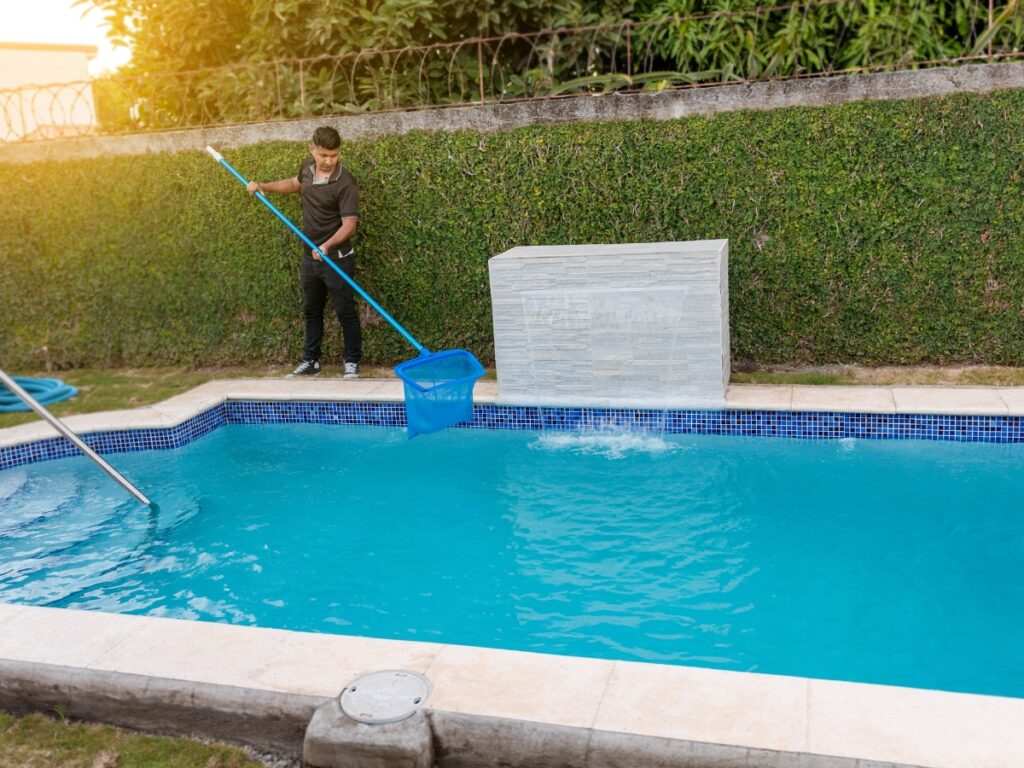
Winter maintenance is the proactive work that keeps surfaces, water chemistry, and mechanical systems intact during colder months. In Dawson County, cooler nights and occasional freezes increase the chance that trapped water in plumbing or equipment will expand and crack parts. Less sunlight and lower water temperatures also create conditions where algae and staining can begin. Timely winter care keeps your water balanced, reduces biological growth, and lowers the odds of costly spring repairs. It also speeds up spring opening—fewer corrective chemicals and mechanical fixes mean a faster return to swim-ready condition.
Use seasonal cues to decide when to act: when daytime highs and nighttime lows trend below roughly 65°F, start planning closing tasks; if a sudden cold snap appears, protect equipment immediately. Reading these local signals helps you pick the right approach—full winterization, extended maintenance, or temporary freeze protection—based on pool type and how you use it. The section below explains what a professional winterization service typically covers and why each step matters.
What Happens If You Skip Winter Pool Care in Georgia?
Skipping winter care leaves you vulnerable to four common problems: freeze damage to plumbing and equipment, algae outbreaks, surface staining and scale buildup, and a spring opening that takes far longer and costs more. Freeze damage happens when water trapped in pumps, filters, or lines freezes and expands—resulting in cracked housings, ruptured pipes, and failed valves that are expensive to fix. Algae can settle in cooler, poorly sanitized water, increasing spring cleanup and chemical costs.
Stains and scale form when calcium and metals precipitate out of unbalanced water during periods of low circulation, leaving lasting marks on plaster, tile, or liners. Finally, neglect often turns a quick spring opening into a multi-day restoration with extra chemicals and labor. The cure is targeted winterization—whether DIY or professional—that addresses both chemistry and equipment protection.
How Georgia’s Climate Affects Winter Pool Care
Georgia’s seasonal pattern—mild autumns and variable winters—means winterization must be flexible. Some years require only light protection; other years need full equipment winterization and a secure cover. The practical trigger is sustained cooling: when both evening and daytime temperatures sit around or below 65°F, biological activity slows, and chemistry becomes harder to keep in range. Microclimates in Dawson County—heavily shaded yards, wooded lots, or higher elevations—can run cooler and may call for earlier action.
Because freezes here are often intermittent, many owners choose between a full close (drain, blown lines, cover) and a reduced winter service that keeps systems running on a lighter schedule. The best choice depends on your pool type, cover selection, and how much swing in water balance you can tolerate. The next section details what professional winterization usually includes so you can compare DIY tradeoffs with contractor expertise.
What Professional Pool Winterization in Dawson County Covers
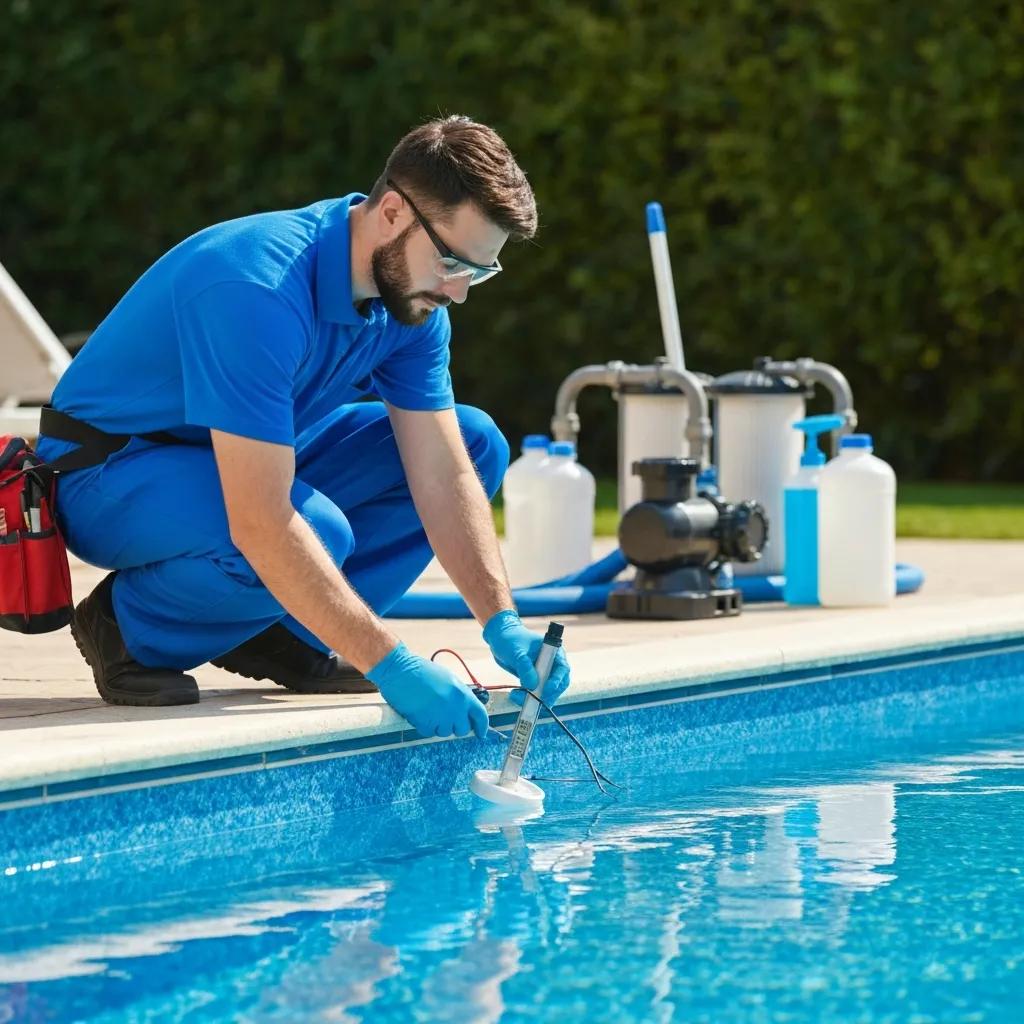
Professional winterization in Dawson County is really a focused form of winter pool maintenance that bundles cleaning, chemistry, mechanical protection, and cover work into one process. The goal is to lower both freeze risk and algae growth through the colder months so the pool is protected while it is not in use. A trained technician defines the scope for your specific pool, tests and balances the water, applies closing chemicals, adjusts the water level to match your cover, winterizes pumps and filters, and installs or secures the cover with the right anchors and supports. When this is done correctly and documented, spring opening is usually faster, cleaner, and less expensive.
Here is a straightforward comparison of typical professional winterization tasks, what each one does, and why it matters for long term winter pool maintenance:
| Service Item | What It Does | Why It Matters |
|---|---|---|
| Thorough cleaning and debris removal | Clears leaves and organic material that feed algae | Reduces chemical demand and cuts spring cleanup time |
| Water testing and balance adjustment | Sets pH, alkalinity, and sanitizer to safe ranges | Helps prevent corrosion, scale, and stains over winter |
| Winter shock and algaecide application | Eliminates active contaminants and slows regrowth | Lowers the chance of algae and limits extra treatments at reopening |
| Lowering water and cover prep | Positions the waterline for the cover type and secures fittings | Protects coping, eases cover fit, and helps prevent overflow or ice load |
| Equipment winterization (drain/blow/insulate) | Empties or protects pumps, heaters, filters, and lines | Reduces freeze damage and costly component replacement |
| Cover installation and anchoring | Installs mesh or solid covers with proper support | Keeps debris out and limits sunlight that can drive algae growth |
Together, these steps shift most of the winter risk away from the homeowner and into a clear, repeatable procedure that supports the pool through the entire off-season.
Which Closing Services Does Clear Water Pools Provide?
Clear Water Pools offers winterization services tailored to Metro Atlanta and Dawson County conditions, with an emphasis on correct water chemistry, equipment protection, and appropriate cover selection. Technicians typically begin with a full cleaning and water analysis so they can dose shock, algaecide, and any needed stain or scale preventatives based on actual readings rather than guesswork. Once chemistry is in range, they prepare the system for winter by draining and protecting pumps, filters, heaters, and exposed plumbing, using professional blow-out techniques or other manufacturer-approved methods to move standing water out of vulnerable spots.
The closing visit also includes setting the water level for the chosen cover, checking fittings and return lines, and installing or tensioning the cover so it sits securely through wind and rain. Work is scheduled within local closing windows so temperatures, leaf drop, and rainfall patterns are taken into account. Detailed notes from the closing visit can then be used as a spring opening checklist, which makes the next season’s winter pool maintenance plan easier to refine.
How Professional Winterization Prevents Freeze Damage And Algae
Professional winterization is designed around the two issues that cause most cold-season damage: trapped water inside equipment and untreated water chemistry that lets algae and bacteria thrive. On the mechanical side, technicians drain pumps and filters, remove drain plugs where required, and use controlled air blow-outs to clear lines, fittings, and low points before capping or insulating them. This reduces the likelihood that expanding ice will crack housings or underground plumbing.
On the chemistry side, accurate testing and dosing of shock, algaecide, and balance chemicals reduce organic load and keep pH and alkalinity within protective ranges. That makes it harder for algae to take hold and helps guard against etching, scaling, or discoloration while the pool is covered. Proper cover installation ties it all together: correctly tensioned mesh covers or solid covers supported with pillows or other devices limit debris, prevent standing water from accumulating, and reduce the amount of light that reaches the pool.
For homeowners in Dawson County, combining professional winterization with simple mid-season checks creates a winter pool maintenance routine that protects equipment, keeps water in better condition, and makes the return to swimming weather much smoother.
How Dawson County Homeowners Can Winterize Their Pools Themselves

DIY winterization is doable for confident homeowners and can lower upfront costs—but it requires the right tools, chemicals, and timing. A proper DIY close includes cleaning, balancing water, shocking, lowering the water for your cover, winterizing equipment, and securely installing the cover. The checklist below lists the core steps and common supplies you’ll need to complete each task safely.
- Clean the pool: Remove leaves and debris, brush walls, and vacuum to cut organic load.
- Balance water chemistry: Test and set pH, total alkalinity, and calcium hardness to recommended ranges.
- Shock the pool: Apply the correct chlorine or non-chlorine shock per label to oxidize contaminants.
- Add winter chemicals: Apply winter-grade algaecide and stain/scale preventers as directed.
- Lower the water level: Drop water to the correct height for your cover type and allow for possible rain.
- Winterize equipment: Drain pumps, filters, and heaters; remove small parts and cap skimmers.
- Install cover: Fit and tension the cover, use an air pillow for solid covers, and secure anchors per manufacturer instructions.
You’ll need a reliable test kit, shock and algaecide, a submersible pump or hose, cover tools, and—if blowing lines—an appropriate compressor and pool plugs. If you lack tools, experience with plumbing blow-outs, or comfort handling chemicals, consider hiring a professional to avoid accidental damage. Below are more details for the most equipment-sensitive steps.
Essential Steps for DIY Winter Pool Maintenance in Georgia
Start with complete debris removal and water chemistry correction to limit food sources for algae, then move to shock treatment and protective chemicals. Remove leaves and scrub surfaces to find problem spots; bring pH to the neutral range and set total alkalinity to the recommended band so your sanitizer works efficiently. After balancing, shock the pool and wait the proper contact time before adding algaecide—this order reduces unwanted chemical interactions and ensures each product performs as intended.
Timing is important: perform these steps while daytime temperatures are still mild but before sustained cold arrives so chemicals circulate and stabilize. Keep a record of every chemical dose and date so you or a technician can see what was applied at close and repeat or adjust steps at spring opening. The next section covers protecting pumps, filters, and plumbing lines.
How to Winterize Equipment and Install Covers Correctly
Equipment winterization and correct cover installation protect the most costly and failure-prone parts of your pool and must be done carefully. For pumps and filters: shut off power, drain housings, and remove drain plugs; clean and remove cartridge elements if present and store them indoors. When blowing out plumbing lines, use a pressure-regulated compressor with a blow-out adapter and pool plugs—push water toward skimmers and returns, then cap lines; never over-pressurize plastic pipe.
Cover installation varies by type: solid covers benefit from an air pillow under the cover to prevent hydrostatic lift, while mesh covers need proper tensioning and anchor spacing to limit sag and debris buildup. After installing the cover, store accessories neatly and label parts so spring opening is straightforward. If you’re unsure about the correct sequence—especially with saltwater systems—consult a professional to avoid costly mistakes.
Which Chemicals Do You Need for Winter Pool Care in Georgia?
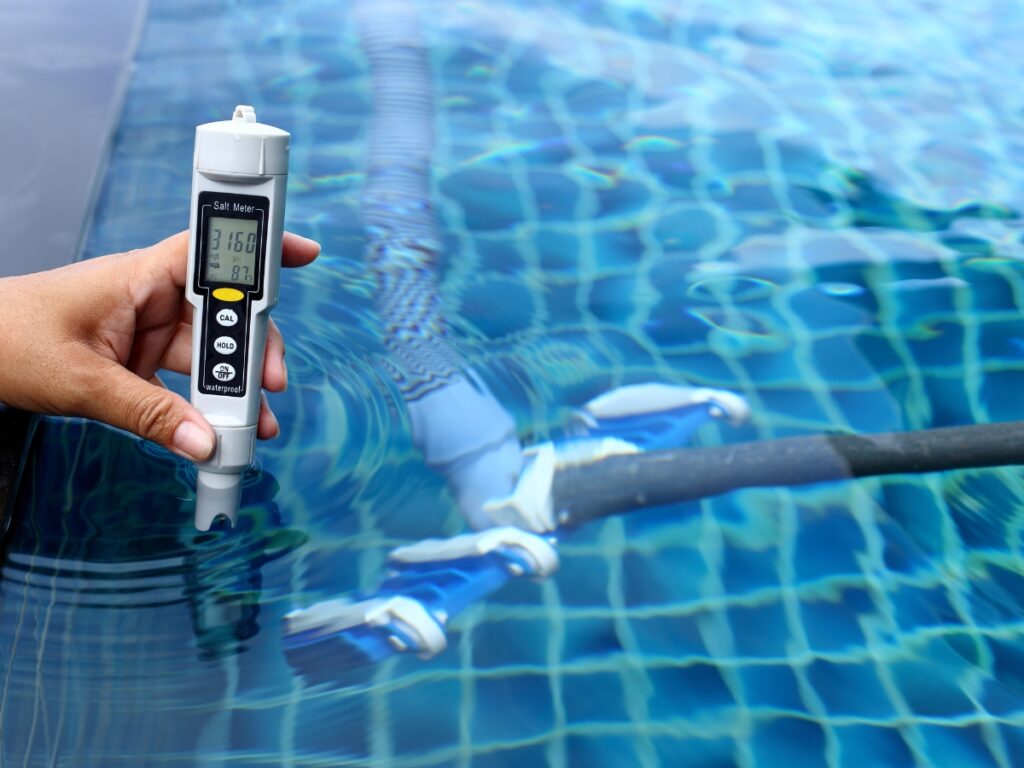
Effective winter care relies on a short list of products used in the right order and amounts to control algae, stabilize water, and prevent staining or corrosion. Core categories are shock oxidizers, winter-grade algaecides, stain and scale preventers, and pH/alkalinity adjusters—each plays a clear role. The table below summarizes common chemicals, their purpose, and typical timing for a Georgia winter close.
| Chemical | Purpose | Typical application / timing |
|---|---|---|
| Pool shock (chlorine or non-chlorine) | Oxidizes organics and reduces combined chlorine | Apply after balancing; allow full circulation 12–24 hours before next step |
| Algaecide (winter-grade) | Prevents algae growth during cooler months | Apply after shock residual drops; follow label dosing |
| Stain and scale preventer | Sequesters metals and prevents calcium deposits | Add at close after shock; consider monthly doses if cover stays on long |
| pH and alkalinity adjusters | Keep chemistry within target ranges for stability | Balance before shocking; recheck and adjust as needed |
| Metal sequestrant | Keeps metals dissolved to avoid staining | Use at close and again in spring if your fill water is metal-rich |
This chemical plan pairs mechanical cleaning with targeted treatments to reduce nutrients, stabilize water, and limit biological growth. Always follow product labels, store chemicals in a cool, dry place away from children, and never mix incompatible products.
Which Chemicals Best Prevent Algae and Keep Water Balanced?
Algae prevention depends on two steps: remove existing contaminants with a shock treatment, then apply an effective algaecide to suppress regrowth. Chlorine shock destroys organic matter and lowers combined chlorine; non-chlorine oxidizers are useful when you need quick stabilization without a lasting chlorine residual. Winter-grade algaecides stay active at lower temperatures and provide longer protection when circulation is reduced.
Keeping pH and total alkalinity in recommended bands ensures sanitizers work and reduces corrosion or scale risks. Applying a stain-and-scale product before covering helps keep metals in solution and prevents winter staining. Track doses and timing so spring opening is predictable and avoid overlapping chemicals that can interact.
When and How to Apply Chemicals During a Pool Close
Follow this order when closing: test and balance pH/alkalinity → shock the pool → allow full circulation and retest → add algaecide → apply stain/scale preventer → record treatments. Waiting 12–24 hours (or per product instructions) after shock lets disinfectant levels drop to the range needed for the next product to work. Dose based on your pool’s gallonage and use calibrated measuring tools—overdosing wastes product and can harm surfaces.
Label containers and note application dates to prevent accidental double-dosing and simplify spring assessment. For saltwater pools, check manufacturer guidance—salt systems behave differently in cold water and may need special handling. When in doubt, a professional winterization estimate can clarify product choices and safe timing for your system.
How to Protect Pool Equipment from Winter Freeze in Dawson County
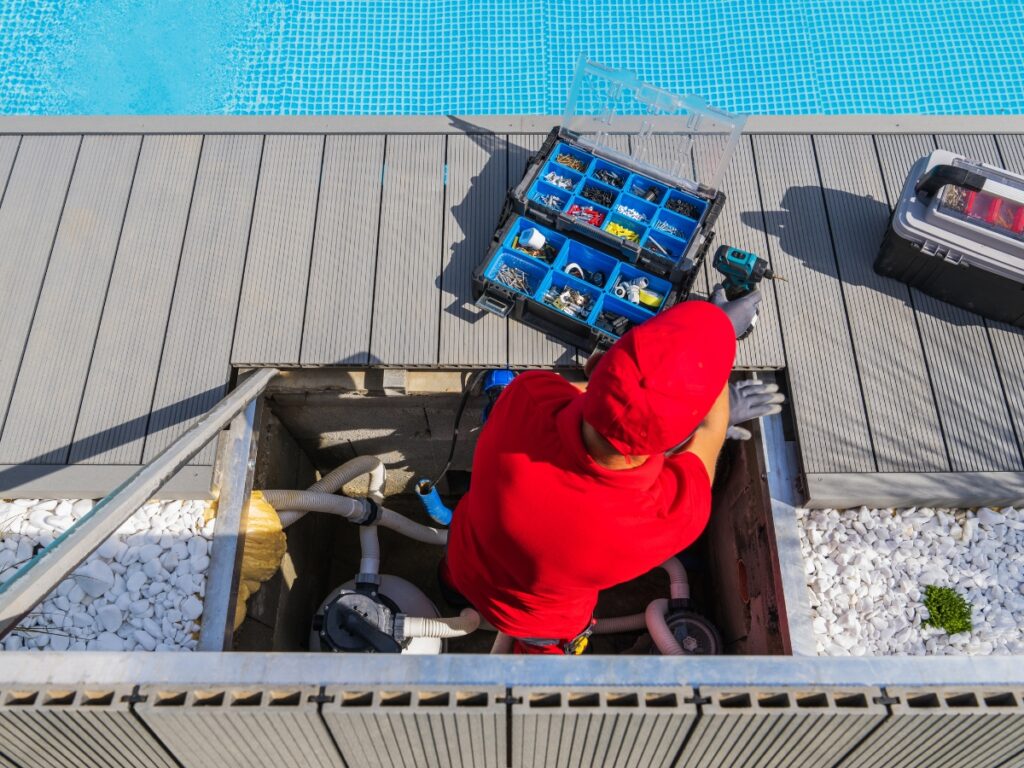
Effective winter pool maintenance is not only about keeping the water clear; it is also about protecting pumps, filters, heaters, and plumbing from freeze damage. In Metro Atlanta and Dawson County, temperatures may fluctuate, but a hard cold snap can still cause trapped water to expand and crack expensive components. Good protection focuses on removing water from vulnerable areas, using mechanical methods to keep lines clear, and pairing that work with a cover setup that keeps debris and excess water under control. When this routine is built into your winter pool maintenance plan, spring startup is usually smoother and less costly.
The table below outlines common equipment, key winterization steps, and the risk each step is designed to reduce:
| Equipment | Winterization Step | Risk Mitigated |
|---|---|---|
| Pool pump | Drain housing, remove plugs, store small parts indoors | Cracked pump casings and seized bearings |
| Filter (cartridge/DE) | Backwash if needed, drain, remove cartridges or gauge | Burst tanks, clogged media, and reduced filtration |
| Heater | Shut down per manufacturer and drain internal water | Cracked heat exchangers and internal corrosion |
| Plumbing lines | Blow out lines and cap returns and skimmers | Pipe bursts and joint failures |
| Skimmers/baskets | Remove parts and dry housings | Skimmer throat cracking and debris-related damage |
Understanding why each step matters makes it easier to decide what you can handle yourself and where professional help may be worth the investment.
Best Practices For Draining Pumps And Blowing Out Lines
The process should always start with safely shutting off power to pumps and related equipment. Once everything is off, drain pump housings, remove any winterizing plugs, and store small parts in a labeled container so they are easy to find at opening time. Filters need similar attention: drain the tank, open air-relief valves, and remove cartridges or DE grids so they can be cleaned and stored in a dry place. This prevents freeze damage and makes it easier to restart filtration in the spring.
Clearing water from plumbing lines is just as important. A pressure-regulated compressor and the correct adapters allow you to push water from returns and suction lines toward drains and skimmers without overstressing the pipes. Once air is coming through consistently, cap or plug the openings to keep lines dry. Mechanical drainage and blow-outs are usually more dependable than relying on chemicals alone. If antifreeze is used, it should always be a pool-specific product, clearly labeled and approved for that purpose. Automotive antifreeze does not belong anywhere near a pool system.
Labeling closed valves, capped returns, and winterized equipment is a small step that pays off during spring opening, when it is easy to forget exactly what was done.
How A Proper Cover Helps Protect Equipment
A well chosen and correctly installed cover supports equipment protection by controlling what reaches the water and the coping during winter. Solid covers paired with an air pillow help manage water load, reduce wall stress, and keep skimmers from bearing the brunt of expanding ice or heavy surface water. Mesh covers allow rain to pass through and are easier to handle, but they still limit large debris and reduce the amount of light that can support algae growth.
Tight, even tension across the cover prevents sagging that can channel water toward skimmers, fittings, or coping. Secure anchors keep the cover from shifting in wind, which protects both the pool structure and nearby hardware. When the cover is working properly, there is less mid-winter intervention needed and less strain on equipment that has already been drained and shut down.
For homeowners in Metro Atlanta and Dawson County, combining careful equipment protection with a thoughtful cover strategy creates a winter pool maintenance routine that guards against freeze damage, controls algae risk, and sets the stage for a much easier spring opening.
Why Choose Professional Winter Pool Maintenance Over DIY?

For many homeowners, winter pool maintenance looks simple on the surface: add a few chemicals, throw on the cover, and call it done. In reality, closing a pool correctly involves precise water chemistry, careful protection of equipment, and an understanding of how local weather patterns affect freeze risk. When you hire a professional for winter pool maintenance, you are paying for technical skill, specialized tools, and a process that has been refined over many seasons. That experience lowers the chance of expensive mistakes and usually makes spring opening much easier.
Professional technicians handle tasks that often trip up DIY closings. They know how to calculate the right closing doses based on pool volume and current water balance, which helps prevent stains, scale, and algae growth over the winter. They also have the equipment and training to blow out lines safely without exceeding pressure limits, and they understand how valves, heaters, and filters work together as a system. Instead of spending several weekends researching, buying chemicals, and renting tools, homeowners can rely on a scheduled visit that addresses everything at once.
In Dawson County and across Metro Atlanta, local knowledge is another major advantage. A contractor who works in this region every season understands when temperatures usually drop, how often surprise cold snaps hit, and which products hold up best in Georgia water. That familiarity shapes choices about closing dates, cover types, and how aggressively to protect vulnerable components. For pools with complex plumbing, attached spas, water features, or expensive equipment, the margin for error is small, and a professional approach to winter pool maintenance can protect years of investment.
How Professional Service Saves Time, Money, And Stress
A professional closing service brings structure and predictability to a task that many homeowners find stressful. Instead of tackling long checklists on your own, the work is consolidated into one or two organized visits. Technicians arrive with the right tools for line blow outs, specialized test kits, and cover installation hardware, and they follow a closing sequence that has been proven over time. This reduces the trial and error that often comes with DIY attempts and helps ensure each step is done in the correct order.
Financially, professional winterization often pays for itself by preventing even a single major failure. A cracked heater, broken pump housing, or ruptured underground line can cost far more than a season of service. When a pool is closed correctly, equipment is drained and protected, lines are cleared or treated appropriately, and the water is balanced so surfaces and fittings are less likely to be damaged. That means fewer emergency calls in late winter and less money spent on corrective work in the spring.
There is also value in documentation and peace of mind. Reputable companies record what was done, which chemicals were added, and how equipment was prepared. When opening season arrives, that record makes troubleshooting simpler and gives you a clear starting point. In Dawson County, homeowners who use local professionals often report cleaner water, fewer surprise repairs, and a faster transition to swimming season. For anyone short on time or managing a more complex setup, partnering with a trusted local company for winter pool maintenance can turn the off-season from a worry into a routine.
Frequently Asked Questions
1. What signs show it’s time to winterize my pool?
Look for sustained daytime highs and nighttime lows below about 65°F, a noticeable drop in water temperature, and less direct sunlight on the pool. Sudden cold snaps are a cue to act quickly to protect equipment and chemistry.
2. Can I winterize my pool without a professional?
Yes—if you have the right tools, chemicals, and know-how. A safe DIY close covers cleaning, balancing, shocking, lowering water, and installing the cover. If you’re unsure about plumbing blow-outs or chemical handling, a professional is the safer choice.
3. How do I decide between DIY and professional winterization?
Choose DIY if you’re experienced, have the tools, and want to save money. Choose a professional if your system is complex, you lack tools or time, or you want the confidence that comes with documented service and reduced repair risk.
4. What if I missed the ideal time to winterize my pool?
If you missed the window, act now: drain equipment, add winter chemicals, and cover the pool as soon as possible. If temperatures will drop sharply, consider calling a professional for urgent protection.
5. How do I make sure my pool cover is installed correctly?
Follow the manufacturer’s instructions closely. Use an air pillow under solid covers to prevent hydrostatic lift, and make sure mesh covers are properly tensioned with correctly spaced anchors. Check the cover periodically through winter and adjust as needed.
6. What long-term benefits come from professional winterization?
Professionally done winterization lowers freeze risk, reduces spring repairs, and streamlines reopening. Pros provide consistent chemistry, proper equipment protection, and documentation that helps with future maintenance.
7. Which chemicals are essential for winterizing?
Core products include shock oxidizers, winter-grade algaecides, stain and scale preventers, and pH/alkalinity adjusters. Used in the right order and doses, they keep water balanced and prevent algae and staining over winter. Always follow label instructions.
Conclusion
Proper winter pool maintenance is the key to protecting your investment from Dawson County’s colder temperatures and ensuring a smooth, cost-effective opening when spring arrives. At Clear Water Pools Atlanta, we make winterizing simple with expert pool services and tailored advice to keep your pool in pristine condition. Ready to secure your pool for the season? Call 770-406-8638 or request your free pool estimate today—and enjoy complete peace of mind all winter long.