
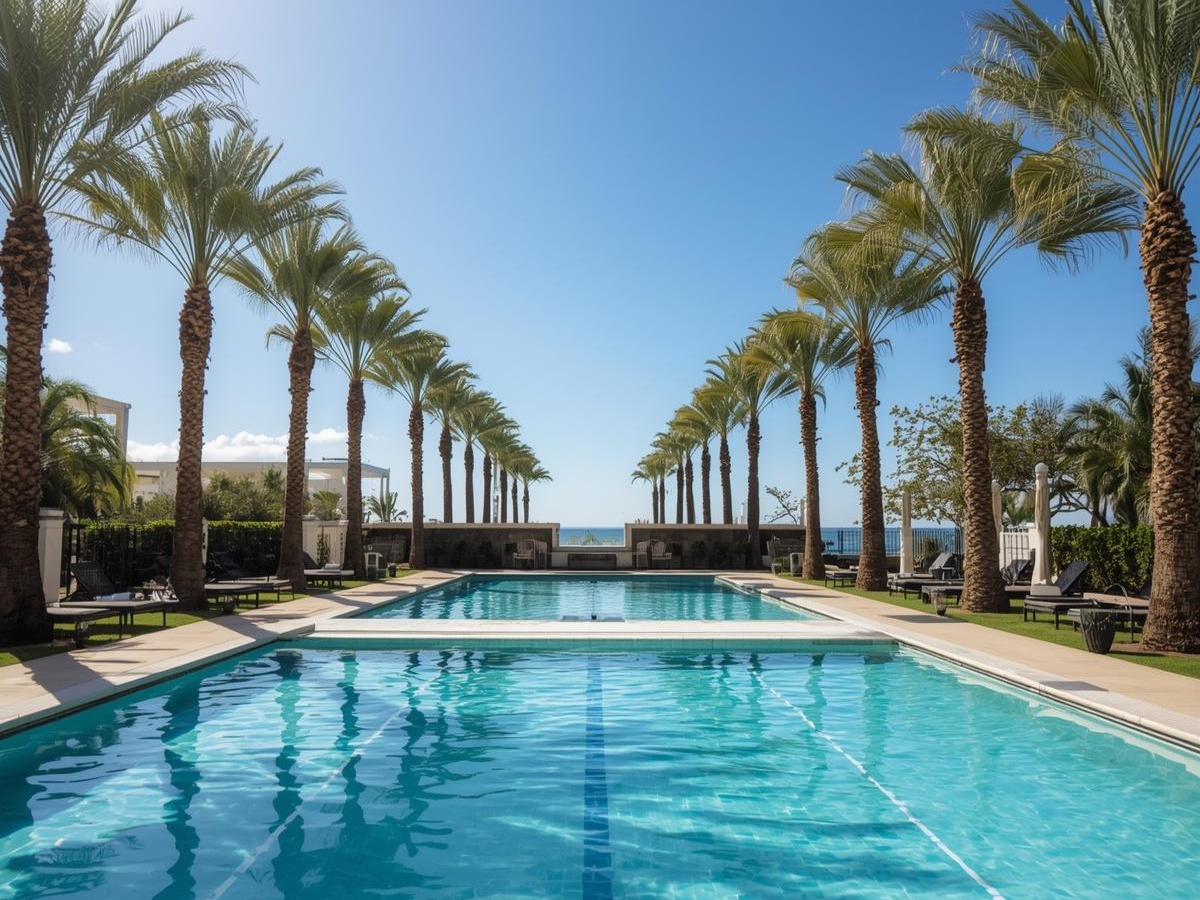
A pool cover does more than just keep debris out of the water. The right choice can improve safety, reduce maintenance, conserve energy, and even extend your swimming season. With several options available, understanding the different types of pool covers is key to choosing one that fits your needs, budget, and climate.
From lightweight solar covers that help retain heat to durable safety covers designed to support weight, each type offers distinct benefits and trade-offs. Factors like ease of use, durability, and level of protection all play a role in determining the best fit for your pool.
By comparing the most common pool cover options, you can make a more informed decision that keeps your pool cleaner, safer, and easier to maintain throughout the year.
What to Know Before Choosing Between Types of Pool Covers
What Are Automatic Pool Covers And How Do They Work?
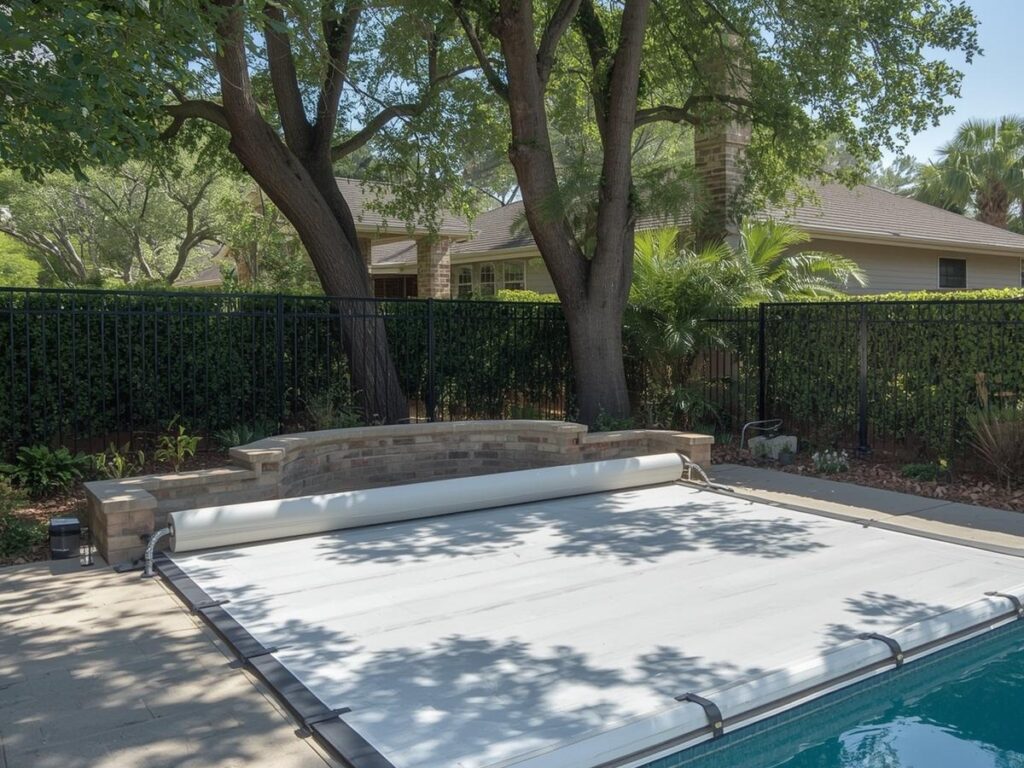
Automatic pool covers are designed to make protecting your pool simple and consistent. Instead of manually placing and removing a cover, these systems use a motorized track that allows the cover to open and close with minimal effort. With the push of a button or a simple control mechanism, the cover glides smoothly across the pool, creating a secure barrier when not in use.
This convenience is one of the main reasons many homeowners consider automatic pool covers. When a cover is easy to use, it is more likely to be used regularly. Consistent use plays a key role in maintaining water quality and reducing maintenance over time.
The system itself is typically built into the pool structure or installed along its edges. Tracks guide the cover as it moves, keeping it aligned and preventing gaps. The material is strong enough to support weight and resist wear, which adds an extra layer of safety.
Why Are Automatic Pool Covers A Practical Choice For Homeowners?
One of the biggest advantages of automatic pool covers is how they simplify routine pool care. Covering a pool manually can be time-consuming, especially after a long day or during colder months. An automatic system removes that barrier, making it easier to protect the pool whenever it is not in use.
These covers also help manage energy use. By keeping heat in and limiting evaporation, they reduce the need for constant heating and refilling. Over time, this can lead to more stable water temperatures and lower overall maintenance demands. This practical benefit often makes automatic pool covers a long-term investment rather than just a convenience feature.
Safety is another important factor. A properly installed cover creates a secure surface that can help prevent accidental falls into the pool. While no system replaces supervision, this added protection can provide peace of mind, especially in households with children or pets.
A few key benefits stand out when considering automatic pool covers:
- Easier daily use compared to manual covers
- Better heat retention and reduced evaporation
- Added layer of safety when the pool is not in use
These features work together to make pool ownership more manageable without requiring extra effort.
How Do Automatic Pool Covers Support Long-Term Pool Maintenance?
Maintaining a clean and balanced pool often depends on consistency. Automatic pool covers help support that consistency by limiting debris, reducing chemical loss, and protecting the water from environmental exposure.
Leaves, dirt, and other debris are less likely to enter the pool when it is covered regularly. This reduces the need for frequent cleaning and helps keep filtration systems working efficiently. At the same time, reduced evaporation means that pool chemicals stay more stable, which can simplify water treatment.
Over time, these small advantages add up. Less debris and more stable water conditions can extend the lifespan of pool equipment and surfaces. This makes automatic pool covers not just a convenience, but also a practical part of long-term pool care.
What Are Safety Pool Covers And Why Are They Important?
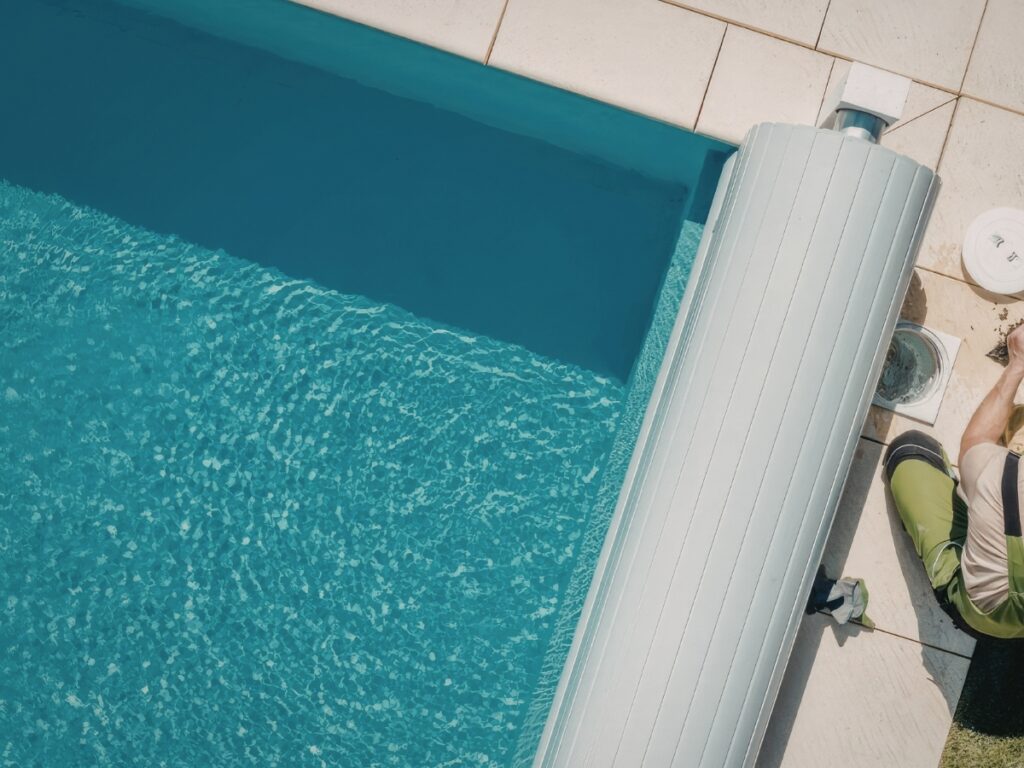
Safety pool covers are designed to create a secure barrier over your pool when it is not in use. Unlike basic covers that focus mainly on keeping debris out, these covers are built with durability and protection in mind. They are made from strong materials and anchored tightly around the pool, helping prevent accidental entry.
For many homeowners, safety is the primary reason for choosing this type of cover. Pools can present risks, especially for households with children or pets. Safety pool covers add a layer of protection that helps reduce those risks while still supporting everyday pool maintenance.
Because they are designed for both strength and stability, these covers can hold weight and stay in place even in changing weather conditions. This makes them a reliable option for year-round use, not just during off-seasons.
How Do Safety Pool Covers Work To Prevent Accidents?
The effectiveness of safety pool covers comes from how they are installed and secured. These covers are stretched tightly across the pool and attached to anchors that are set into the surrounding surface. This creates a firm, stable surface that limits the chance of someone falling into the water.
The materials used are typically reinforced to handle tension and resist wear over time. When installed correctly, the cover remains taut and does not sag significantly, which helps maintain its protective function. This structure is what allows safety pool covers to act as a physical barrier rather than just a surface covering.
It is important to note that while these covers improve safety, they are most effective when used consistently. Keeping the pool covered when it is not in use helps maintain that protective layer and reduces exposure to potential hazards.
Why Are Safety Pool Covers A Practical Choice For Families?
For families, safety pool covers offer both peace of mind and practical benefits. Knowing that the pool is securely covered can make a noticeable difference in how the space is used and managed.
It allows homeowners to focus less on constant supervision when the pool is not in use and more on enjoying the space when it is open.
In addition to safety, these covers also support general pool care. By keeping out leaves, dirt, and other debris, they help maintain cleaner water and reduce the need for frequent cleaning. This can make routine maintenance more manageable over time.
Some of the key advantages include:
- A secure barrier that helps reduce accidental entry
- Durable materials that withstand regular use and weather exposure
- Reduced debris, which supports easier maintenance
These combined benefits make safety pool covers a practical choice for households looking to balance protection with convenience.
How Do Safety Pool Covers Support Long-Term Pool Maintenance?
Beyond safety, these covers play an important role in preserving the overall condition of your pool. When a pool is consistently covered, it is less exposed to environmental factors that can affect water quality. This includes debris buildup, evaporation, and exposure to sunlight, all of which can impact maintenance needs.
By limiting debris, safety pool covers reduce the strain on filtration systems and help keep water clearer. This can lead to more stable chemical levels and less frequent adjustments. Over time, this contributes to a more consistent and manageable maintenance routine.
These covers also help protect pool surfaces and equipment by reducing unnecessary exposure. While their primary function is safety, their impact on maintenance should not be overlooked.
What Are Solar Pool Covers And How Do They Work?
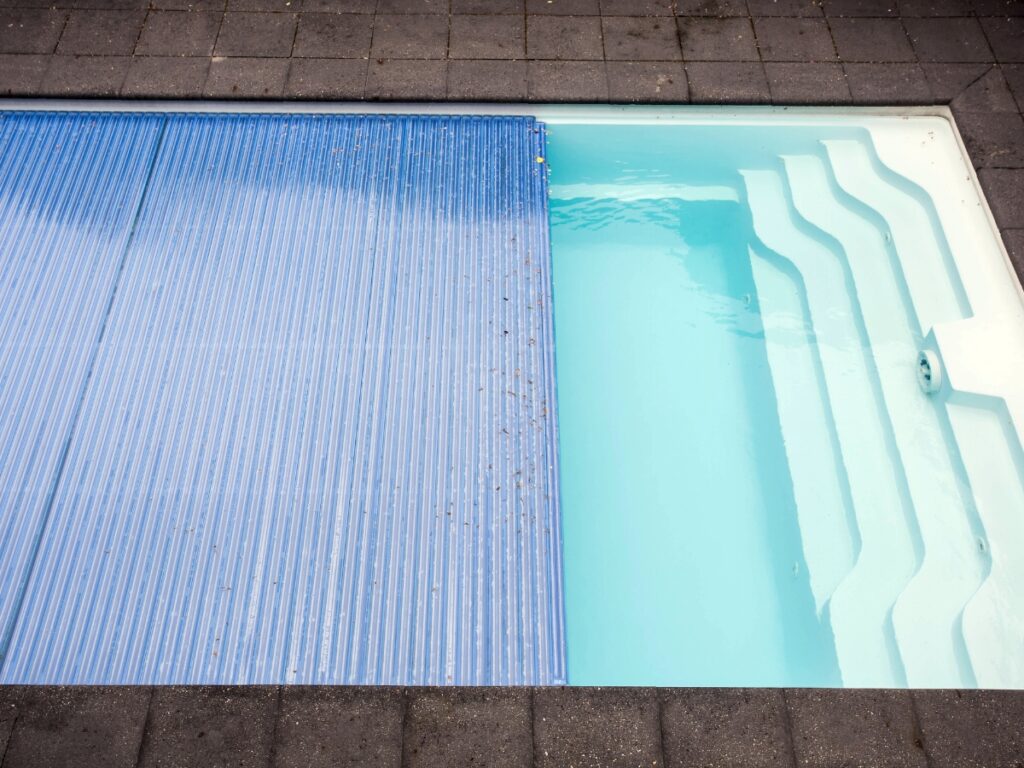
Solar pool covers are designed to improve energy efficiency while helping maintain a comfortable water temperature. These covers use a simple but effective approach by capturing sunlight and transferring that heat into the pool. At the same time, they act as a barrier that slows evaporation, which helps retain both heat and water.
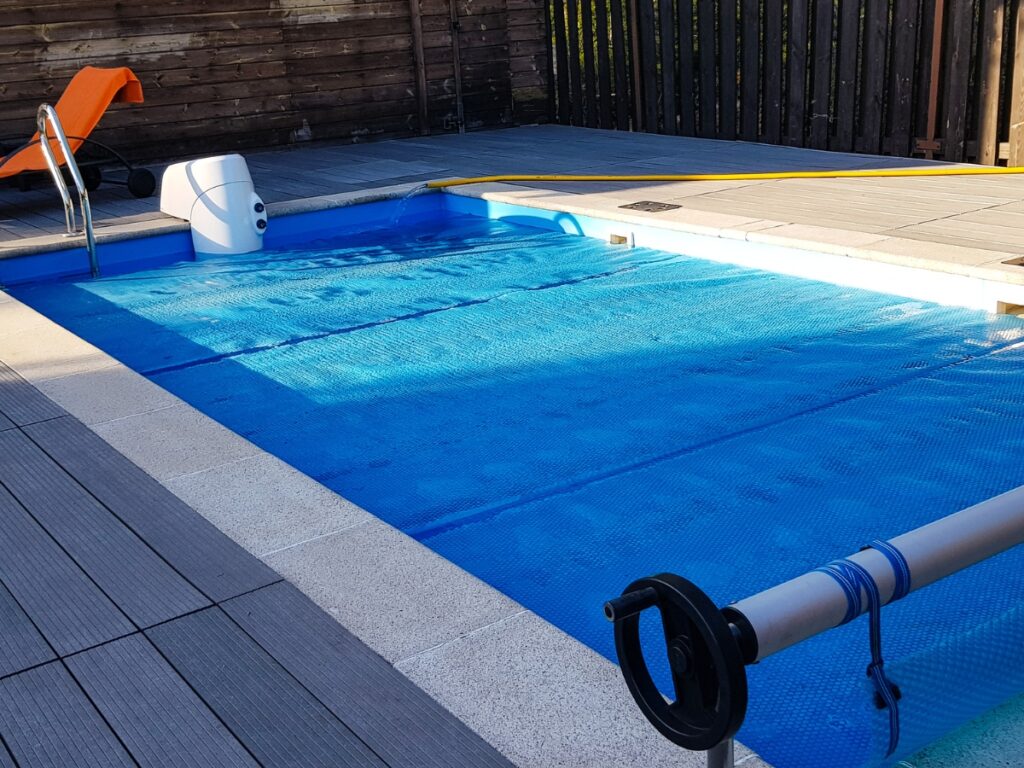
Most solar pool covers are made from lightweight materials that float directly on the surface of the water. The design often includes small air pockets that trap heat and allow sunlight to pass through. This combination helps warm the pool during the day and reduces heat loss overnight.
Because they are easy to place and remove, solar pool covers are often used as part of a daily routine rather than just for long-term storage. This consistent use plays a key role in how effective they are.
Why Are Solar Pool Covers A Cost-Effective Option?
One of the main advantages of solar pool covers is their ability to reduce ongoing costs without requiring complex systems.
By using sunlight as a natural heat source, they help limit the need for additional heating. Over time, this can lead to noticeable savings, especially in areas where pools are used frequently.
In addition to heating benefits, solar pool covers also reduce water loss from evaporation. Less evaporation means fewer refills and more stable chemical levels. This can simplify maintenance and help avoid frequent adjustments to water balance.
Another factor that makes these pool covers appealing is their affordability compared to more advanced systems. They provide practical benefits without requiring a large upfront investment, which makes them accessible for many homeowners.
Some of the key advantages include:
- Reduced heat loss, especially during cooler evenings
- Lower water evaporation, which supports consistent water levels
- Lightweight design that makes daily use easier
These features make solar pool covers a practical option for those looking to balance comfort and efficiency.
How Do Solar Pool Covers Support Water Temperature And Maintenance?
Maintaining a consistent water temperature can make a pool more enjoyable to use, and solar pool covers help support that goal. By capturing heat during the day and reducing heat loss at night, they create a more stable temperature range. This can extend the usability of the pool without relying heavily on external heating systems.
At the same time, these pool covers help keep debris out of the water. While they are not as heavy-duty as some other types, they still provide a level of protection against leaves, dirt, and insects. This can reduce the amount of cleaning needed and help keep filtration systems working efficiently.
Because evaporation is reduced, chemical levels also tend to remain more stable. This means fewer adjustments are needed to maintain proper balance, which can simplify overall pool care.
When Should You Use Solar Pool Covers For Best Results?
To get the most out of solar pool covers, consistency is key. Using them regularly, especially overnight or when the pool is not in use, helps maximize heat retention and minimize evaporation. Even short periods without coverage can lead to noticeable heat loss.
It is also helpful to use these pool covers during sunny days when heat absorption is most effective. Allowing sunlight to pass through the cover while it rests on the water helps increase the warming effect.
Over time, developing a routine around using solar pool covers can make pool maintenance more predictable. With less heat loss and reduced evaporation, the pool becomes easier to manage and more comfortable to use.
What Are Manual Pool Covers And How Do They Work?
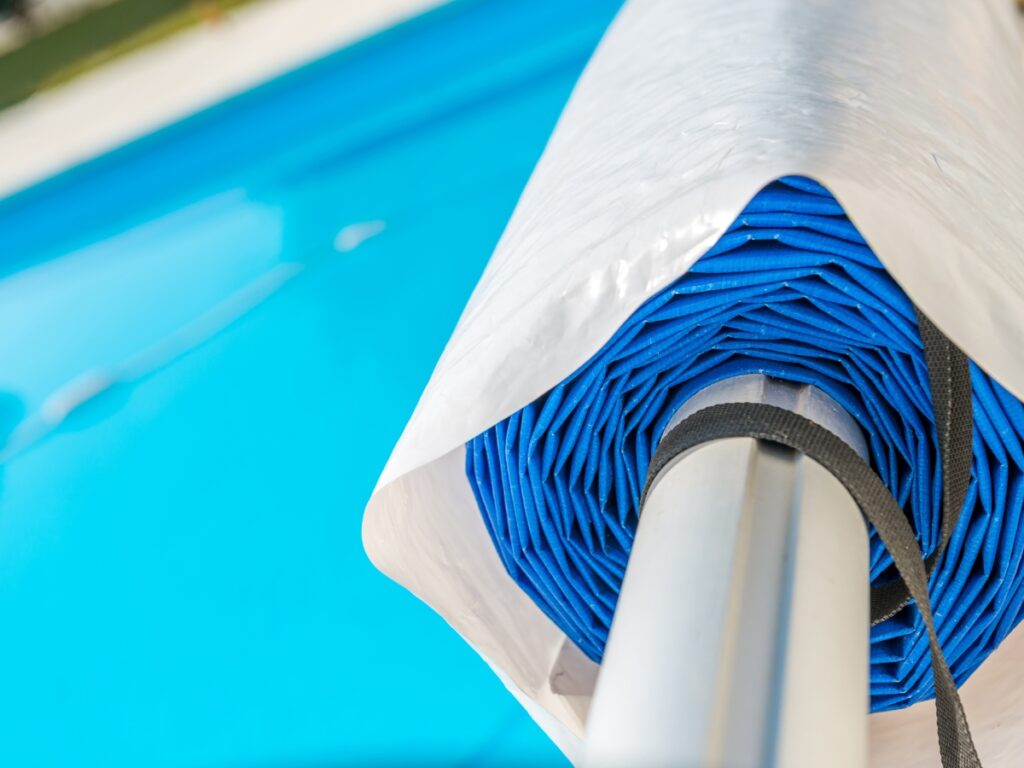
Manual pool covers are a simple and widely used option for protecting residential pools. Unlike automated systems, these covers are installed and removed by hand, which gives homeowners more control over when and how they are used. While they require more effort, they are straightforward and do not rely on motors or built-in tracks.
These pool covers are available in different materials, including solid vinyl and mesh. Each type offers a slightly different benefit.
Solid covers are better at blocking sunlight and preventing evaporation, while mesh covers allow water to drain through while still keeping debris out. The choice often depends on how the pool is used and the level of maintenance preferred.
Because they are not fixed in place, manual pool covers can be folded or rolled when not in use. This flexibility makes them easy to store, although it also means they must be handled carefully to avoid damage over time.
Why Are Manual Pool Covers A Budget-Friendly Option?
One of the main reasons homeowners choose manual pool covers is cost. Compared to automatic systems, they are generally more affordable upfront. This makes them a practical choice for those who want reliable coverage without investing in more complex equipment.
Maintenance is also relatively simple. Since there are no mechanical parts involved, there is less risk of system failure. Cleaning and storing the cover properly is usually enough to keep it in good condition.
This simplicity can make manual pool covers appealing for homeowners who prefer a low-maintenance approach.
However, it is important to consider how often the cover will be used. Because it must be handled manually, some people may find it less convenient, especially for larger pools. Consistent use is what makes pool covers effective, so ease of use should always be part of the decision.
A few advantages stand out when considering manual pool covers:
- Lower upfront cost compared to automated options
- Fewer components, which simplifies maintenance
- Flexible storage when the cover is not in use
These benefits make them a practical option for many pool owners, especially those looking for a straightforward solution.
How Do Manual Pool Covers Help With Pool Maintenance?
Even without advanced features, manual pool covers can still play an important role in keeping a pool clean and balanced. When used regularly, they help reduce the amount of debris that enters the water. Leaves, dirt, and insects are less likely to accumulate, which can save time on cleaning and improve overall water clarity.
They also help limit evaporation. While they may not retain heat as efficiently as some specialized covers, they still reduce water loss and help maintain more stable chemical levels. This can make it easier to manage water balance and avoid frequent adjustments.
Another benefit is protection from environmental exposure. Sunlight, wind, and debris all affect water quality over time, and covering the pool helps reduce those effects. With consistent use, manual pool covers can support a more predictable maintenance routine.
What Should You Consider Before Choosing Manual Pool Covers?
Before selecting manual pool covers, it is important to think about how they will fit into your daily routine.
Because they require physical effort to use, they are best suited for homeowners who are comfortable placing and removing the cover regularly. If the process feels inconvenient, the cover may not be used as often, which reduces its effectiveness.
Pool size is another factor to consider. Larger pools may require more time and effort to cover properly. Storage space should also be taken into account, as the cover will need to be kept somewhere when it is not in use.
Which Safety Pool Covers Meet Atlanta’s Compliance Standards?
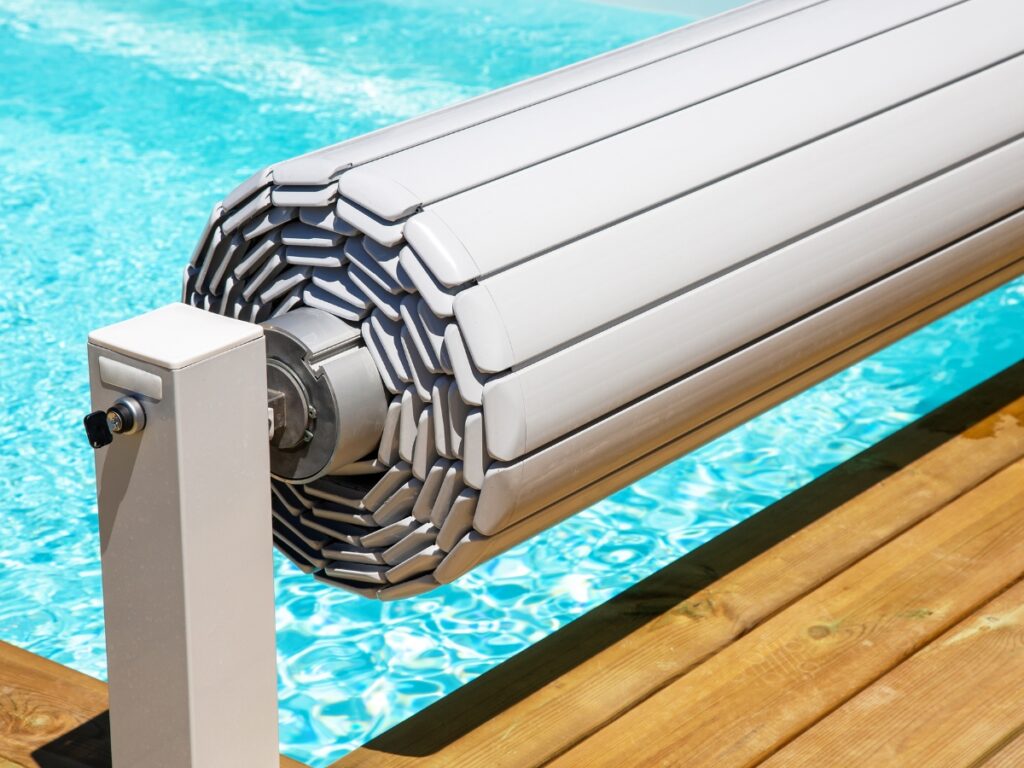
When selecting safety pool covers in Atlanta, it is important to understand the standards that guide their design and performance.
Local expectations often align with ASTM F1346-91 guidelines, which focus on preventing accidental access to the pool and improving overall safety. These standards are not just technical requirements. They help ensure that pool covers provide real, reliable protection in everyday situations.
For homeowners, choosing compliant pool covers means looking beyond appearance or price. The focus should be on how well the cover performs when it is in place. A properly designed safety cover creates a secure barrier that stays stable under pressure and holds up over time.
Understanding these standards can make the selection process clearer and help ensure that the cover you choose supports both safety and long-term use.
What Features Define Compliant Safety Pool Covers?
Safety pool covers that meet recognized standards are built with specific features that support strength and reliability. One of the most important elements is secure anchoring.
The cover should be firmly attached to the surrounding deck or surface so it remains in place, even during strong weather or repeated use.
Durability is another key factor. These pool covers are made from materials that can handle exposure to sunlight, moisture, and temperature changes without weakening. Over time, this helps maintain their protective function and reduces the need for frequent replacement.
Load-bearing strength is also essential. A compliant safety cover is designed to support weight, which helps prevent accidents if someone steps or falls onto it. This feature is especially important for households with children or pets, where an extra layer of protection can make a significant difference.
Some of the most important characteristics include:
- Secure anchoring that keeps the cover firmly in place
- Strong materials that resist wear and environmental exposure
- Weight support that adds an extra level of safety
These features work together to ensure that safety pool covers provide dependable protection.
Why Do Compliance Standards Matter For Pool Safety?
Compliance standards are important because they provide a consistent level of performance that homeowners can rely on. Without these guidelines, it would be difficult to compare different pool covers or understand how well they will perform in real conditions.
When a cover meets established standards, it has been designed to handle common safety concerns such as accidental entry or structural failure. This reduces uncertainty and helps homeowners feel more confident in their choice.
In addition to safety, compliant pool covers can also support responsible pool ownership. Following recognized standards helps ensure that your pool setup aligns with local expectations and reduces potential risks associated with improper coverage.
How Do Safety Pool Covers Support Long-Term Protection?
Beyond meeting initial requirements, safety pool covers play an ongoing role in protecting your pool. When used consistently, they help maintain a secure environment while also supporting general maintenance. By keeping debris out and reducing exposure to the elements, they contribute to cleaner water and more stable conditions.
Over time, this can lead to fewer maintenance issues and a more predictable routine. While their primary purpose is safety, their impact on overall pool care should not be overlooked.
Consistency is key. A safety cover that is used regularly will always provide more value than one that is only used occasionally. Making it part of your routine helps reinforce both safety and maintenance benefits.
What Are The Best Pool Cover Materials For Durability And Performance?
The material you choose plays a major role in how well pool covers perform over time. It affects everything from durability and maintenance to how easy the cover is to handle. While many options are available, most pool covers are made from a few common materials that each offer distinct advantages.
Understanding how these materials function can help you match the right type of cover to your needs. Some are better suited for keeping debris out, while others focus on heat retention or long-term protection. The best choice often depends on how frequently the pool is used and what level of maintenance you are comfortable with.
How Do Mesh Pool Covers Compare In Everyday Use?
Mesh pool covers are designed to allow water to pass through while blocking leaves and larger debris. This makes them a practical option for areas where rain is common, since water will not collect on top of the cover. Because of their lighter weight, they are also easier to handle during installation and removal.
One of the main benefits of mesh pool covers is reduced maintenance related to standing water. Since water drains through naturally, there is less need to pump or remove buildup. This can make them more convenient during certain seasons.
However, mesh covers do not block sunlight as effectively as solid options. This means smaller particles and some light can still reach the water, which may require more attention to water balance over time. Even so, they remain a reliable and easy-to-use option for many homeowners.
Why Are Solid Vinyl Pool Covers Known For Durability?
Solid vinyl pool covers are often chosen for their strength and ability to provide full coverage. Unlike mesh, they create a complete barrier that blocks debris, sunlight, and contaminants from entering the pool. This can help maintain cleaner water and reduce the need for frequent adjustments.
Because of their heavier construction, these pool covers are especially useful during colder months or extended periods when the pool is not in use.
They offer a higher level of protection, but they also require more effort to manage. Water can collect on top, so proper drainage is necessary to prevent buildup.
The added weight and durability can make solid vinyl a dependable choice for long-term use. When handled correctly, they provide consistent performance and help protect the pool from environmental exposure.
How Does Polyethylene Support Energy Efficiency?
Polyethylene is commonly used in solar-style pool covers, which focus on heat retention. These covers are lightweight and designed to float directly on the water’s surface. Their structure allows them to capture and hold heat, helping maintain a more stable water temperature.
One of the main advantages of polyethylene pool covers is their role in reducing evaporation. By limiting water loss, they help keep chemical levels more consistent and reduce the need for frequent refilling. This can make routine maintenance more manageable over time.
Because they are easy to handle, these covers are often used regularly rather than just seasonally. Consistent use is what allows them to deliver the best results in terms of temperature control and efficiency.
A few key benefits of polyethylene covers include:
- Lightweight design that supports daily use
- Improved heat retention for more comfortable water temperatures
- Reduced evaporation, which helps maintain water balance
These features make them a practical option for homeowners focused on efficiency.
Choosing The Right Material For Your Pool Covers
Selecting the right material comes down to how you plan to use your pool and what level of protection you need. Each type of material offers its own balance of durability, convenience, and performance.
Mesh options are easier to handle and manage water drainage, while solid vinyl provides more complete protection. Polyethylene focuses on energy efficiency and ease of use. By understanding how each material performs, you can choose pool covers that align with your routine and long-term maintenance goals.
Making the right choice helps ensure that your pool covers not only last longer but also support a more consistent and manageable pool care routine.
What Is The Installation Process For Pool Covers?
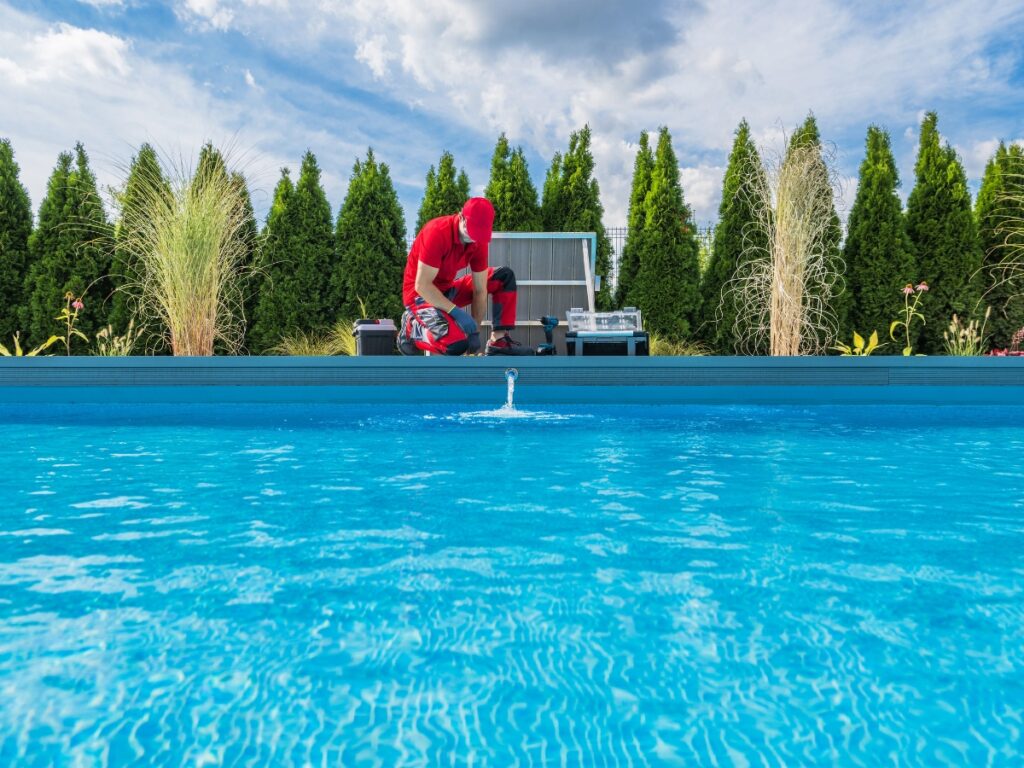
Installing pool covers involves more than simply placing a cover over the water. A proper installation ensures that the cover fits correctly, functions as intended, and provides the level of safety or efficiency you expect. While the exact process can vary depending on the type of cover, most installations follow a similar structure.
The first step is a site assessment. This involves reviewing the pool’s size, shape, and surrounding surface. Details such as deck material, drainage, and access points all influence how pool covers will be installed. Taking the time to evaluate these factors helps avoid issues later and ensures a better fit.
Once the assessment is complete, preparation begins. The area around the pool is cleared and cleaned so that anchors or tracks can be installed without interference. A clean surface is important because even small obstructions can affect how well the cover sits and functions over time.
The installation itself depends on the type of pool covers being used. Safety covers are typically anchored into the surrounding deck, while automatic systems require track placement and motor alignment. Each step is completed according to manufacturer guidelines to ensure stability and long-term performance.
After installation, a final inspection is carried out. This step confirms that the cover is secure, operates smoothly, and meets safety expectations. It also allows for adjustments if needed, ensuring that everything is working as intended before regular use begins.
How Does Professional Installation Improve Performance?
While some pool covers can be installed with basic tools, professional installation often leads to better results. A properly installed cover fits more securely, which improves both safety and durability. Small misalignments can lead to gaps or uneven tension, which may affect performance over time.
Professionals also understand how different pool covers behave under regular use. They take into account factors such as weather exposure, weight distribution, and long-term wear. This attention to detail helps ensure that the cover continues to function properly through different conditions.
Another advantage is efficiency. An installation that might take a homeowner several attempts can often be completed more quickly and accurately by someone with experience. This reduces the chance of errors and helps avoid unnecessary adjustments later.
How Do Different Pool Covers Compare During Installation?
Not all pool covers are installed in the same way, and understanding the differences can help set expectations. Some require more preparation and structural work, while others are more flexible.
Automatic pool covers involve a more complex installation because they include moving parts and a track system. Safety covers require secure anchoring points to maintain tension and support weight. Solar and manual options are generally simpler, but they still need proper sizing and placement to work effectively.
A simple comparison can help clarify how these pool covers differ:
- Automatic systems focus on precision and alignment for smooth operation
- Safety covers rely on secure anchoring and tension for protection
- Solar covers prioritize surface coverage and ease of use
- Manual covers offer flexibility but depend on consistent handling
Each type serves a different purpose, so the installation process reflects those priorities.
Why Proper Installation Matters For Long-Term Use
The way pool covers are installed directly affects how well they perform over time. A cover that fits properly will stay in place, resist wear, and provide consistent results. On the other hand, poor installation can lead to gaps, uneven stress, and reduced effectiveness.
Proper installation also supports regular use. When a cover opens, closes, or fits as expected, it is more likely to be used consistently. This consistency is what allows pool covers to deliver their full benefits, whether that involves safety, cleanliness, or energy efficiency.
Choosing The Right Approach For Pool Covers
Selecting the right pool covers is only part of the process. Installation plays an equally important role in how well the cover performs. By understanding what is involved and why each step matters, homeowners can make more informed decisions.
A well-installed cover provides more than just surface protection. It supports safety, simplifies maintenance, and helps maintain the overall condition of the pool. With the right approach, pool covers become a reliable part of everyday pool care rather than an occasional add-on.
Conclusion
Selecting the right pool cover is an important decision that balances safety, energy efficiency, maintenance reduction, and budget.
From automatic safety covers that provide peace of mind to solar covers that extend your swimming season and options that handle heavy debris, each type offers distinct advantages for your Atlanta home.
For expert guidance for your pool, trust the pool installation experts at Clear Water Pools Atlanta. Ready to protect your investment and simplify pool ownership? Call 770-406-8638 or request your free pool estimate today—and let us help you find the ideal cover solution for your lifestyle.