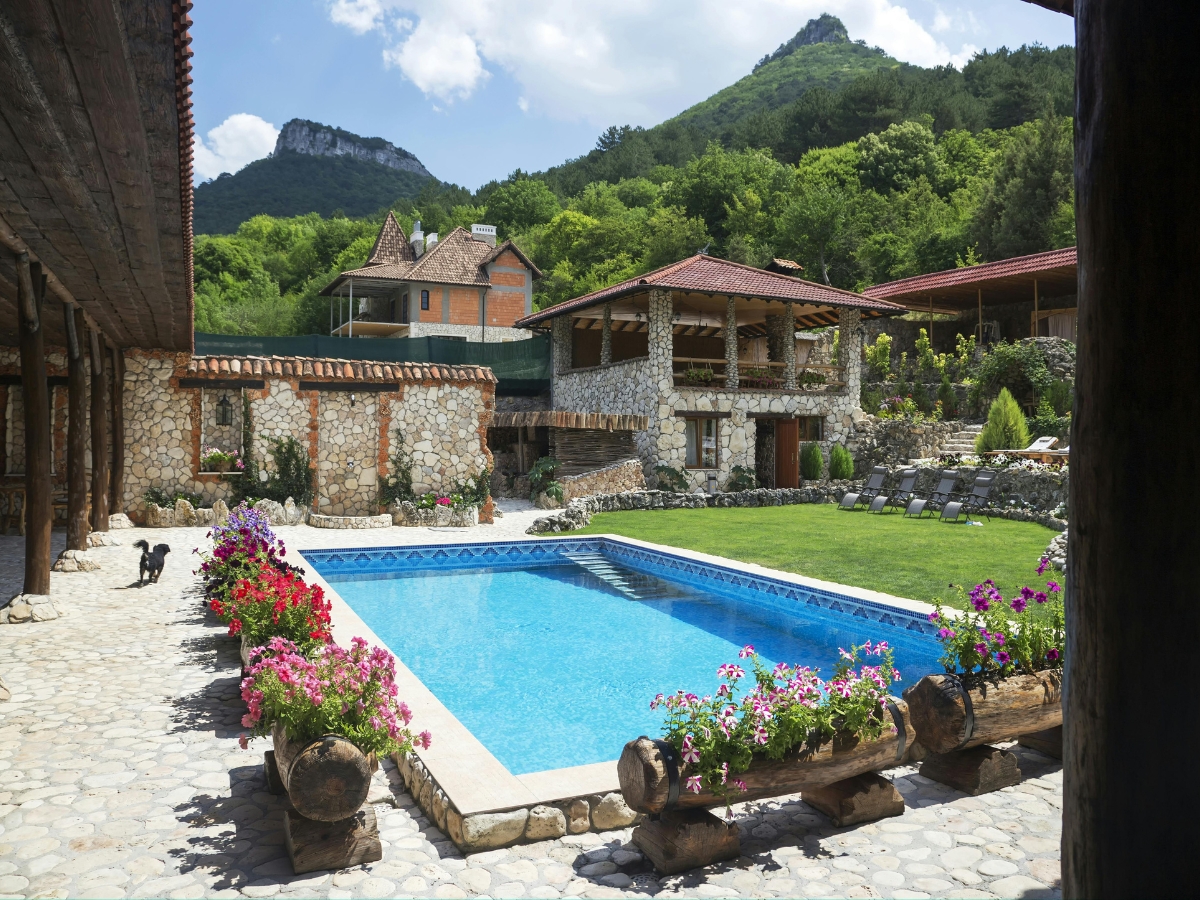
A pool should be a place to relax, not another area that demands constant upkeep. The wrong landscaping choices can lead to falling debris, muddy edges, excessive pruning, and ongoing maintenance that takes away from enjoying the space.
Low maintenance landscaping for pools focuses on creating a clean, durable, and visually appealing environment without the extra work.
Selecting the right plants, materials, and layout can help reduce cleanup, limit water contamination, and keep surrounding areas looking neat. Hardscape features, strategic plant placement, and drought-tolerant options all play a role in simplifying care.
With a well-planned approach, you can create a poolside landscape that stays attractive, functional, and easy to manage so you can spend more time enjoying it and less time maintaining it.
Low Maintenance Landscaping Solutions for Poolside Beauty
Which Drought-Tolerant Plants Are Best Suited For Pool Areas?
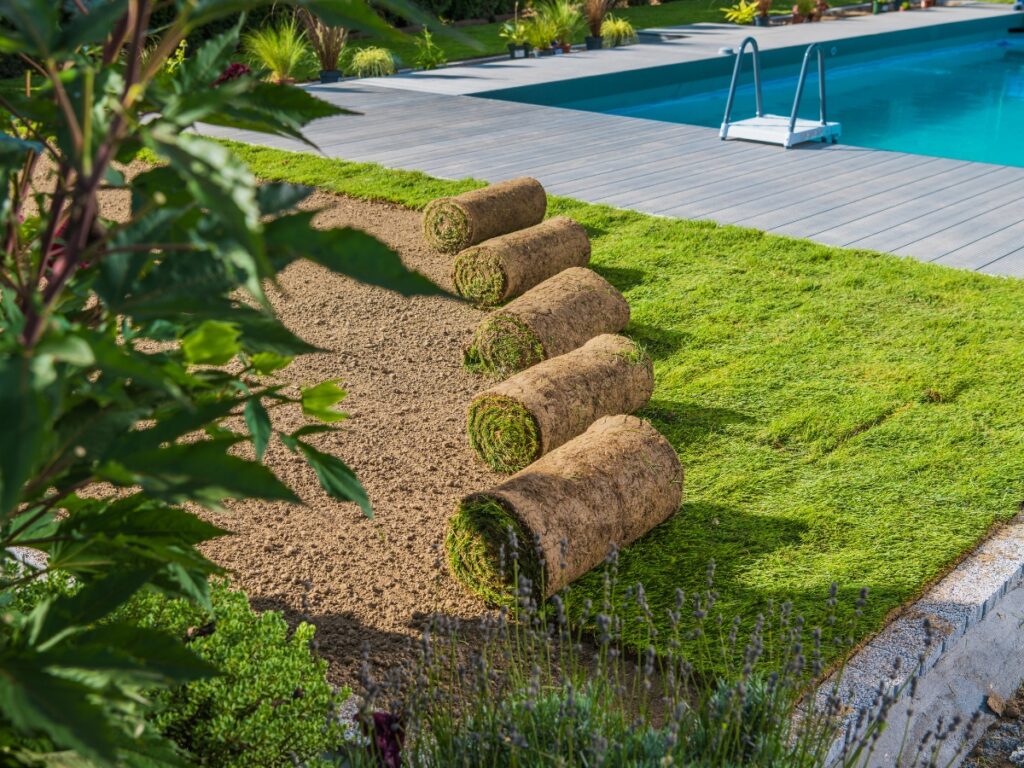
Choosing the right plants around a pool can make a noticeable difference in both appearance and upkeep. Areas near pools tend to get a lot of sun, heat, and occasional splashing, so plants need to be able to handle dry conditions without constant attention.
This is where low maintenance landscaping becomes especially useful, since drought-tolerant plants naturally require less water and care.
These plants are built to thrive in challenging conditions. Many have deep root systems or waxy leaves that help them retain moisture, which means they stay healthy even during long stretches of heat. When used around a pool, they help create a clean, structured look without adding extra work to your routine.
Another benefit is durability. Poolside environments can be tough on more delicate plants, but drought-tolerant varieties tend to hold up better over time.
This makes them a practical choice for homeowners who want a landscape that looks good without constant adjustments or replacements.
What Are The Benefits Of Using Drought-Resistant Plants Near Pools?
Drought-resistant plants offer several advantages that go beyond simple water savings. They are a strong fit for low maintenance landscaping because they reduce the amount of time and effort needed to keep your outdoor space in good shape.
One of the biggest benefits is reduced upkeep. These plants do not need frequent watering, trimming, or soil adjustments, which makes them ideal for busy households.
Once established, many of them can thrive with minimal intervention, allowing you to focus more on enjoying your space rather than maintaining it.
Water conservation is another key advantage. In warmer climates or areas with seasonal restrictions, using plants that require less irrigation helps manage water use more effectively. This not only supports sustainability but also keeps long-term costs more predictable.
There is also a visual benefit. Drought-tolerant plants come in a wide range of shapes, colors, and textures. From flowering varieties to structured greenery, they can add contrast and interest to your pool area without creating clutter.
When arranged thoughtfully, they contribute to a balanced and cohesive design that fits naturally with low maintenance landscaping goals.
Which Native Georgia Plants Thrive In Poolside Landscapes?
For homeowners in Georgia, native plants are often the best option for poolside areas. These plants are already adapted to the local climate, which makes them more resilient and easier to maintain over time. They fit well into low maintenance landscaping because they require less adjustment to thrive in their environment.
A few examples of native plants that work well near pools include:
- Black-eyed Susan, which adds bright color and handles heat well
- Lantana, known for its vibrant blooms and ability to thrive in full sun
- Georgia bluebell, which offers seasonal color in areas with partial shade
Using native plants also supports the surrounding ecosystem. Many of these plants attract pollinators and contribute to a healthier outdoor environment without requiring extra care. This makes them a practical and sustainable choice for poolside design.
How To Design a Low Maintenance Poolside Landscape
Bringing these elements together starts with thoughtful planning. The goal is to create a space that looks intentional while staying easy to manage. This means choosing plants that work well together and placing them in areas where they can thrive without constant adjustment.
Spacing is important. Giving plants enough room to grow reduces the need for frequent trimming and prevents overcrowding. Grouping similar plants together can also simplify watering and care, making your overall routine more efficient.
Hardscaping can also play a role. Incorporating gravel, stone, or pavers around planting areas helps reduce water use and limits weed growth. These materials pair well with drought-tolerant plants and reinforce the clean look often associated with low maintenance landscaping.
By combining the right plant choices with a simple layout, you can create a poolside space that stays attractive without requiring constant attention. This approach keeps your outdoor area functional, visually appealing, and easy to maintain throughout the year.
How Can Xeriscaping Enhance Low Maintenance Pool Landscaping?
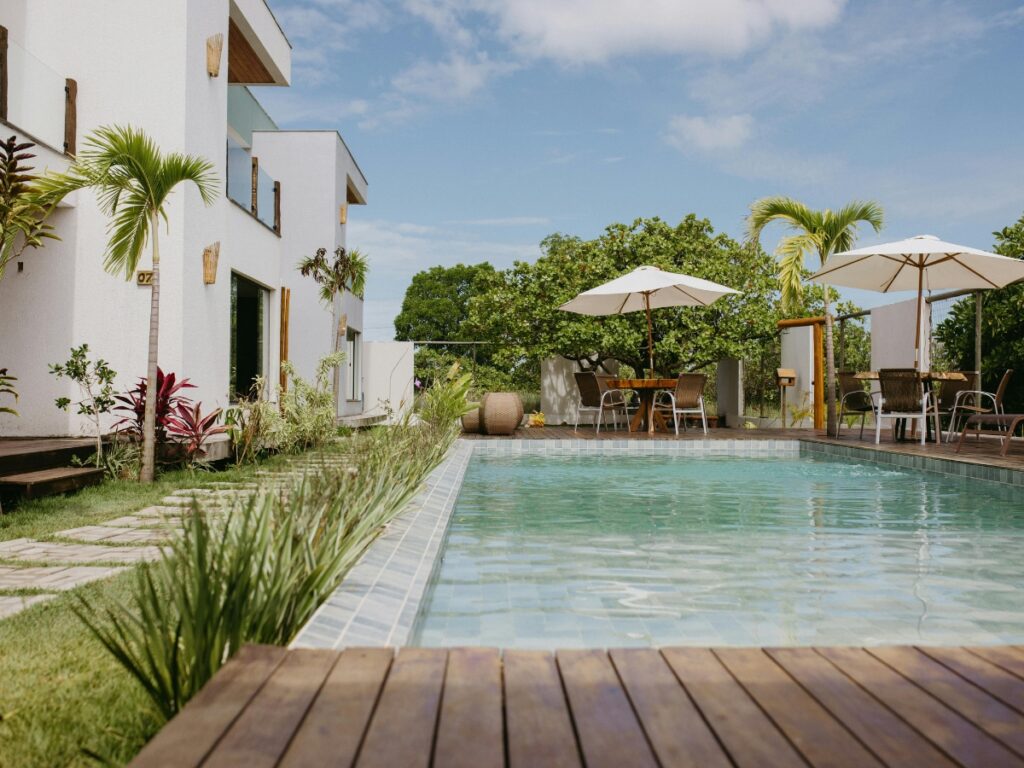
Xeriscaping is a practical approach for anyone looking to simplify outdoor upkeep, especially around pool areas where heat and sun exposure are constant factors.
At its core, xeriscaping focuses on reducing water use while still creating a visually balanced landscape. When applied thoughtfully, it fits naturally into low maintenance landscaping by cutting down on both irrigation and routine care.
Around a pool, this approach helps create a clean and functional space without relying on plants that need constant attention.
Instead of high-maintenance greenery, xeriscaping uses drought-tolerant plants, efficient layouts, and materials that support long-term durability. The result is a landscape that stays consistent in appearance without frequent adjustments.
This method also helps avoid common issues like overwatering, soil erosion, and plant stress. By working with the environment instead of against it, xeriscaping makes it easier to maintain a polished look with less effort over time.
What Xeriscaping Techniques Reduce Poolside Upkeep?
Several core techniques make xeriscaping effective, particularly in areas that are exposed to heat and direct sunlight. These strategies are designed to reduce the need for constant care while keeping the landscape functional and appealing.
One of the most important steps is choosing plants that are suited to the local climate. Native and drought-tolerant varieties require less watering and tend to be more resilient. This alone can significantly reduce the time spent on maintenance, which is a key goal of low maintenance landscaping.
Mulching is another useful technique. A layer of mulch helps retain soil moisture and limits weed growth, both of which reduce the need for ongoing upkeep. It also gives planting areas a more finished appearance, which works well in poolside settings where a clean look is often preferred.
Landscape irrigation can also be simplified. Instead of traditional systems that water large areas, targeted solutions like drip irrigation deliver water directly to the roots. This reduces waste and keeps plants healthy without requiring constant monitoring.
When these techniques are combined, they create a landscape that supports itself more effectively. The focus shifts from regular maintenance to long-term stability, which is exactly what low maintenance landscaping aims to achieve.
How Does Xeriscaping Contribute To Water Conservation Around Pools?
Water conservation is one of the main advantages of xeriscaping, and it becomes especially relevant in poolside environments where water use is already high.
By reducing the need for irrigation, this approach helps balance overall water consumption without compromising the look of your outdoor space.
Using drought-tolerant plants is a major part of this. These plants are adapted to survive with minimal watering, which reduces the strain on irrigation systems. Over time, this leads to more consistent water use and fewer fluctuations during hotter months.
Efficient irrigation methods also play a role. By focusing water delivery where it is needed, systems like drip irrigation help avoid unnecessary runoff or evaporation. This is particularly useful near pools, where excess moisture can lead to maintenance issues or surface wear.
Xeriscaping also supports long-term sustainability. A landscape designed with local conditions in mind is more likely to remain stable through seasonal changes. This reduces the need for replacements, repairs, or major adjustments, all of which contribute to a more efficient system overall.
Why Xeriscaping Works Well For Low Maintenance Landscaping
The connection between xeriscaping and low maintenance landscaping is straightforward. Both focus on reducing effort while maintaining a consistent, functional design. By choosing the right plants, using simple materials, and planning for long-term growth, you create a space that requires less intervention.
Pool areas benefit from this approach because they already demand attention in other ways. Simplifying the surrounding landscape helps balance that workload. Instead of managing plants that struggle in the heat, you work with options that naturally thrive in those conditions.
In the end, xeriscaping is not just about saving water. It is about creating a landscape that fits your environment and your routine. When done well, it allows your pool area to stay clean, structured, and easy to maintain without constant effort.
What Are Effective Pool Landscaping Ideas That Minimize Maintenance?
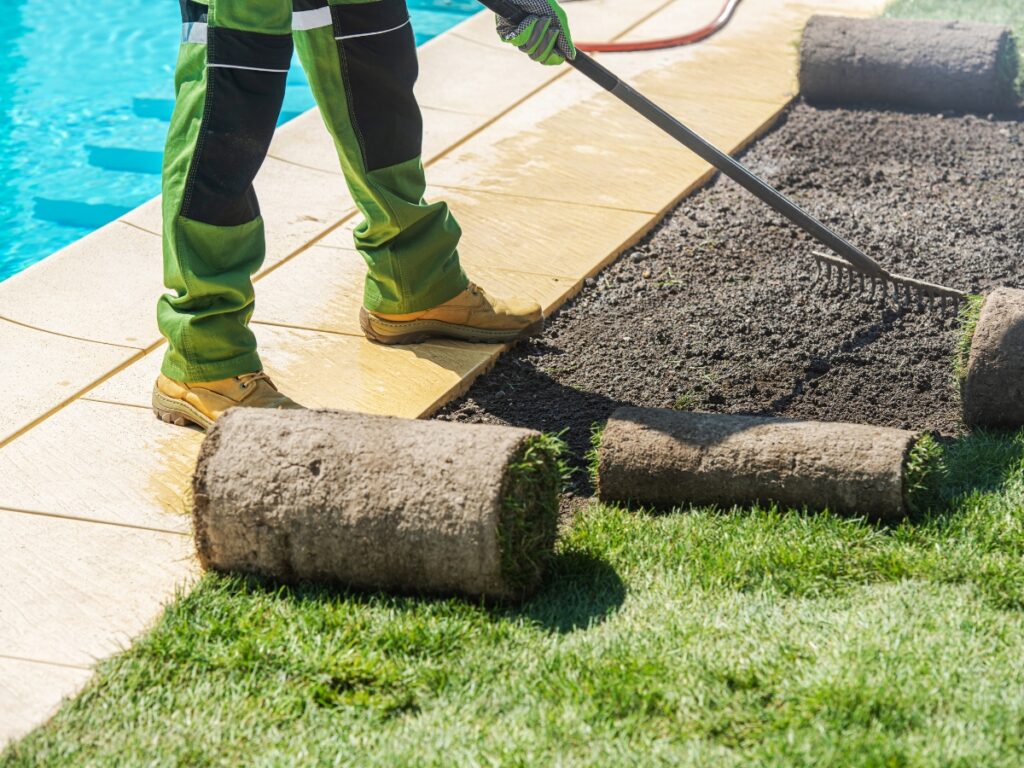
Designing a pool area that looks polished without requiring constant upkeep starts with thoughtful planning. The goal of low maintenance landscaping is not to eliminate style, but to choose elements that hold up well over time with minimal effort.
Around a pool, this means focusing on materials and features that can handle heat, moisture, and regular use without needing frequent attention.
One practical approach is to use permeable paving for walkways and surrounding areas. These surfaces allow water to drain naturally, which helps reduce pooling and prevents long-term wear. They also cut down on runoff, making the space easier to manage after rain or cleaning.
Rock gardens are another option that works well in poolside settings. Instead of relying on grass or high maintenance plants, rock features create structure and visual interest without adding to your workload.
When combined with drought-tolerant plants, they support a clean and stable layout that fits well within low maintenance landscaping.
You can also incorporate simple decorative elements that do not require ongoing care. Features like stone accents or water-efficient fountains can add character without creating extra maintenance tasks. The key is to keep the design intentional and avoid anything that demands frequent adjustment.
Which Landscaping Materials And Layouts Support Easy-Care Pool Areas?
The materials you choose play a major role in how much time you spend maintaining your pool area. Durable surfaces are especially important, since they are exposed to weather, water, and foot traffic throughout the year.
Composite decking and natural stone are both strong choices. These materials hold up well in outdoor conditions and typically require less maintenance than traditional wood or softer surfaces. They also help create a consistent look that does not need frequent repairs or refinishing.
Layout is just as important as material selection. A well-planned design reduces the need for trimming, edging, and general upkeep.
Creating defined zones, such as seating areas and walkways, keeps everything organized and easier to manage. It also prevents overgrowth from spreading into spaces where it is not wanted.
Built-in features can further simplify maintenance. For example, adding raised planters or structured seating areas helps limit the amount of open ground that needs regular care.
These elements not only improve usability but also support the overall goal of low maintenance landscaping by reducing the number of areas that require attention.
How To Integrate Poolside Shrubbery for Low Maintenance Appeal?
Shrubs can add depth and privacy to a pool area, but the key is choosing varieties that do not demand constant pruning or watering. When selected carefully, shrubbery can enhance the space while still aligning with low maintenance landscaping principles.
Plants like boxwood and juniper are often used because they keep their shape with minimal trimming and can tolerate a range of conditions. These types of shrubs provide structure without becoming overgrown, which helps maintain a clean and intentional look around the pool.
Placement also matters. Positioning shrubs in areas where they can naturally thrive reduces the need for extra care. For example, placing sun-tolerant varieties in open areas and shade-tolerant options near structures helps each plant perform better with less intervention.
Beyond appearance, shrubs can serve practical purposes. They can create a sense of privacy, soften hard surfaces, and even provide light shade. All of these benefits come without adding significant maintenance when the right plants are used.
Bringing It All Together With Low Maintenance Landscaping
A well-designed pool landscape does not rely on constant upkeep to look good. By combining durable materials, simple layouts, and carefully selected plants, you create a space that remains functional and visually balanced over time.
Low maintenance landscaping works best when each element supports the next. Materials should handle wear, layouts should reduce unnecessary work, and plants should suit the environment.
When these pieces come together, the result is a pool area that feels complete without demanding your attention every week.
How To Select And Care For Easy Care Plants In Pool Landscapes?
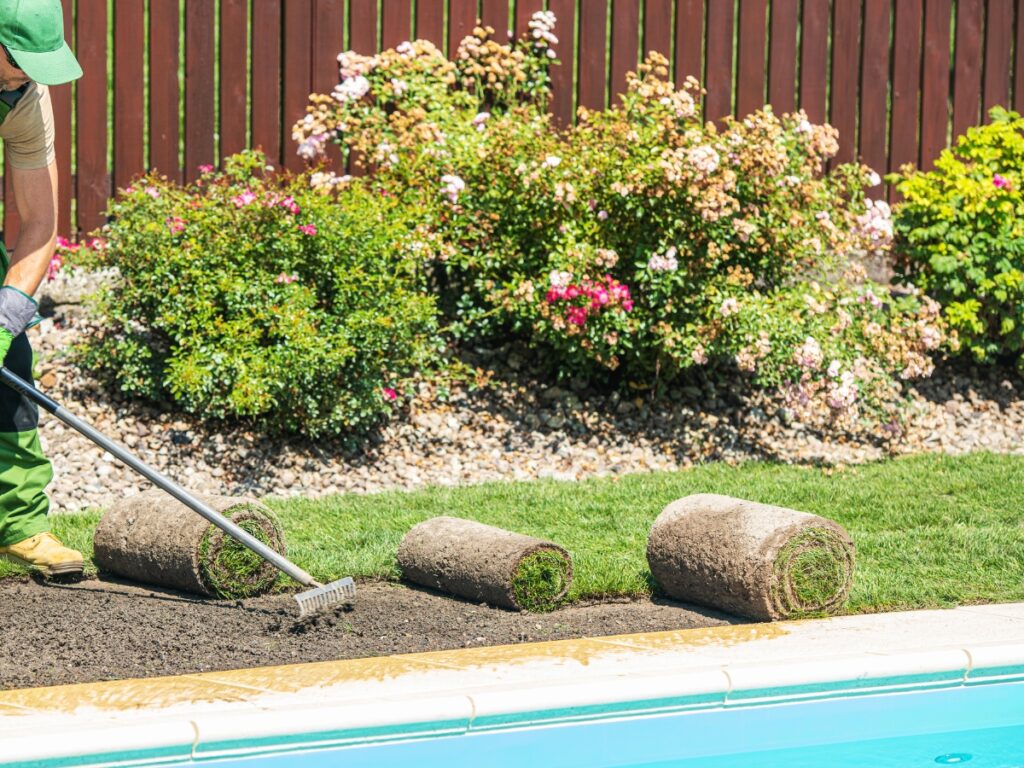
Choosing the right plants is one of the most important steps in creating a space that looks good without constant upkeep. With low maintenance landscaping, the focus is on selecting plants that naturally suit your environment rather than forcing high-maintenance varieties to survive.
Around a pool, this becomes even more important since heat, water exposure, and foot traffic can quickly wear down the wrong choices.
Start by considering your local climate and how much direct sun your pool area receives. Plants that already thrive in those conditions will require less watering, trimming, and overall attention.
This approach helps reduce long-term work while keeping the landscape consistent and healthy. When paired with thoughtful placement, the right plants can carry most of the visual appeal without adding to your routine maintenance.
Another factor to consider is how plants interact with the pool itself. Leaves, flowers, and debris can quickly become a nuisance if the wrong species are used. Low maintenance landscaping works best when plants are selected not just for appearance, but also for how they behave over time.
What Are The Key Attributes of Low Maintenance Poolside Plants?
Plants that perform well in pool environments tend to share a few important characteristics. Understanding these traits makes it easier to narrow down your options and avoid common issues.
Some of the most useful qualities to look for include:
- Tolerance to occasional chlorine exposure, especially in areas close to the pool where splashing is common
- Drought resistance, which helps reduce the need for frequent watering during hot weather
- Low shedding habits, so you spend less time cleaning leaves and debris from the pool and surrounding areas
Plants with these traits are easier to manage and tend to stay looking neat with minimal effort. They also help maintain a cleaner pool environment, which supports the overall goal of low maintenance landscaping.
It is also worth considering growth patterns. Slower-growing plants or those that naturally keep their shape require less pruning. This keeps the landscape looking intentional without constant trimming.
Which Seasonal Maintenance Tips Ensure Sustainable Poolside Landscaping?
Even with the right plant choices, a small amount of seasonal care goes a long way in keeping everything in good condition. The goal is not to eliminate maintenance entirely, but to keep it manageable and predictable.
In spring, focus on clearing out debris that may have built up over time. This is also a good time to check plant health and make minor adjustments before the peak growing season begins. A quick refresh early in the year often prevents larger issues later.
During summer, watering habits matter more than frequency. Watering early in the morning or later in the evening helps reduce evaporation and ensures plants get the most benefit. With low-maintenance landscaping, efficient watering is more effective than frequent watering.
As temperatures cool in fall, preparing plants for the next season helps protect your investment. Adding mulch around plant bases can help retain moisture and regulate soil temperature. For more sensitive plants, simple protective measures can prevent damage without adding much effort.
Creating A Balanced Low Maintenance Landscaping Plan
A successful pool landscape is not just about choosing the right plants, but also about how everything works together. Low maintenance landscaping relies on consistency, meaning each element should support the overall design rather than compete with it.
By selecting plants with the right traits and following a simple seasonal routine, you can maintain a clean and functional pool area without constant upkeep. Over time, this approach creates a landscape that feels stable and easy to manage, allowing you to enjoy the space rather than maintain it.
What Are The Best Practices For Designing Low Maintenance Poolside Landscapes In Atlanta?
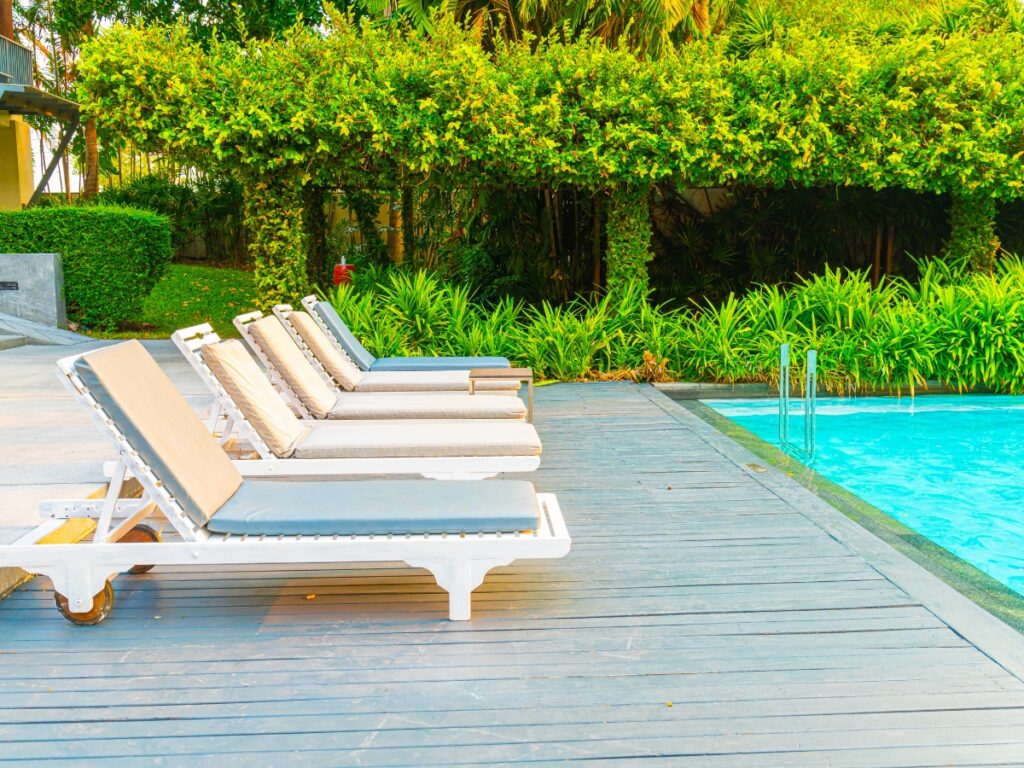
Designing a pool area that stays clean, functional, and visually balanced over time starts with understanding the environment you are working with.
In a place like Atlanta, where heat and humidity are consistent factors, low maintenance landscaping depends on choosing elements that can handle those conditions without constant care.
A practical design begins with limiting features that require frequent trimming, watering, or replacement. Instead of filling the space with high-maintenance greenery, focus on durable materials and plants that naturally thrive in the region.
This approach keeps the landscape looking intentional while reducing the amount of ongoing work needed to maintain it. Another key consideration is layout. A well-planned poolside space avoids overcrowding and allows for airflow, which helps plants stay healthier in humid conditions.
Clean edges, defined planting zones, and open areas all contribute to a more manageable design that supports low maintenance landscaping over time.
How Does Local Climate Influence Plant Selection And Design?
Atlanta’s climate plays a major role in how a pool landscape should be designed. Hot summers and consistent humidity can be challenging for certain plants, especially those that require cooler or drier conditions. Choosing plants that are already adapted to this environment makes a noticeable difference in how much upkeep is required.
Heat tolerance is one of the most important factors. Plants that can handle direct sunlight and high temperatures will require less watering and are less likely to struggle during peak summer months.
Humidity tolerance also matters, as some plants are more prone to disease or overgrowth in moist conditions.
Native and drought-tolerant species are often the most reliable options. These plants are better suited to local weather patterns and typically need less intervention to stay healthy. Incorporating them into your design helps create a stable foundation for low maintenance landscaping.
Design choices can also help manage the effects of climate. Adding shaded areas, whether through structures or strategic plant placement, protects both the landscape and the people using the space.
Windbreaks or natural barriers can also reduce stress on plants during changing weather conditions, helping them maintain their shape and health with less effort.
What Design Elements Support Long-Term Low Maintenance Landscaping?
Beyond plant selection, the overall structure of your pool landscape plays a big role in how easy it is to maintain. Materials and layout decisions should support durability and reduce the need for frequent adjustments.
Hardscaping is especially useful in this type of design. Surfaces like stone, concrete, or composite materials can handle weather exposure without requiring much upkeep.
These elements also reduce the amount of planted space that needs regular care, which aligns with the goals of low maintenance landscaping.
Irrigation is another area where thoughtful planning pays off. Instead of relying on manual watering, a simple and efficient system can help regulate moisture levels without constant attention. This keeps plants healthy while preventing overwatering, which is common in humid climates.
Lighting can also be integrated in a way that does not add to maintenance demands. Well placed fixtures improve visibility and enhance the overall look of the space, especially in the evening, without requiring frequent adjustments or upkeep.
Conclusion
A low-maintenance landscape around your pool doesn’t mean sacrificing beauty—it means designing smartly with durable materials, strategic plantings, and efficient features that keep your outdoor space looking pristine with minimal effort.
From gravel and decking to drought-tolerant plants and automated irrigation, thoughtful choices reduce cleanup time and let you focus on what truly matters: enjoying your pool. For expert guidance in creating a poolside landscape that balances elegance with ease, trust Clear Water Pools Atlanta.
Ready to build your dream pool with a landscape that works as hard as you relax? Call 770-406-8638 or request your free pool estimate today. Let our team help you design a backyard oasis that stays beautiful, season after season, with less work and more play.