
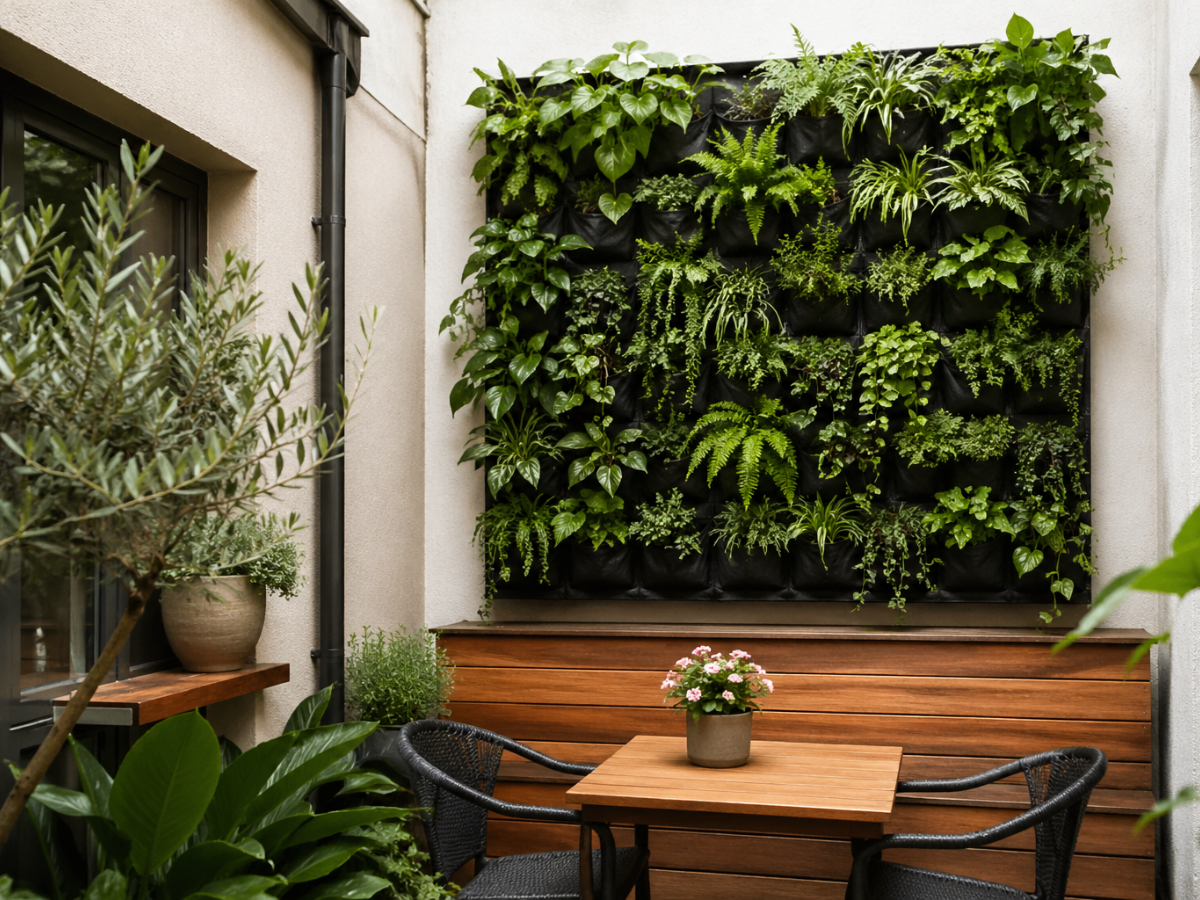
Limited space doesn’t have to limit your landscape. When square footage is tight, going vertical opens up new possibilities for greenery, texture, and visual impact. Vertical gardens for small backyards done right make it possible to grow more without crowding the ground.
By using walls, fences, and structured supports, you can add layers of plants that bring depth and character to compact outdoor areas. The key is choosing the right layout, plant types, and materials so the garden stays healthy, organized, and easy to maintain.
With a thoughtful design, vertical gardens can turn even the smallest backyard into a functional, eye-catching space that feels more open and alive.
Ideas for Vertical Gardens That Add Style Without Taking Space
What Are The Benefits Of Vertical Gardens For Small Backyard Spaces?
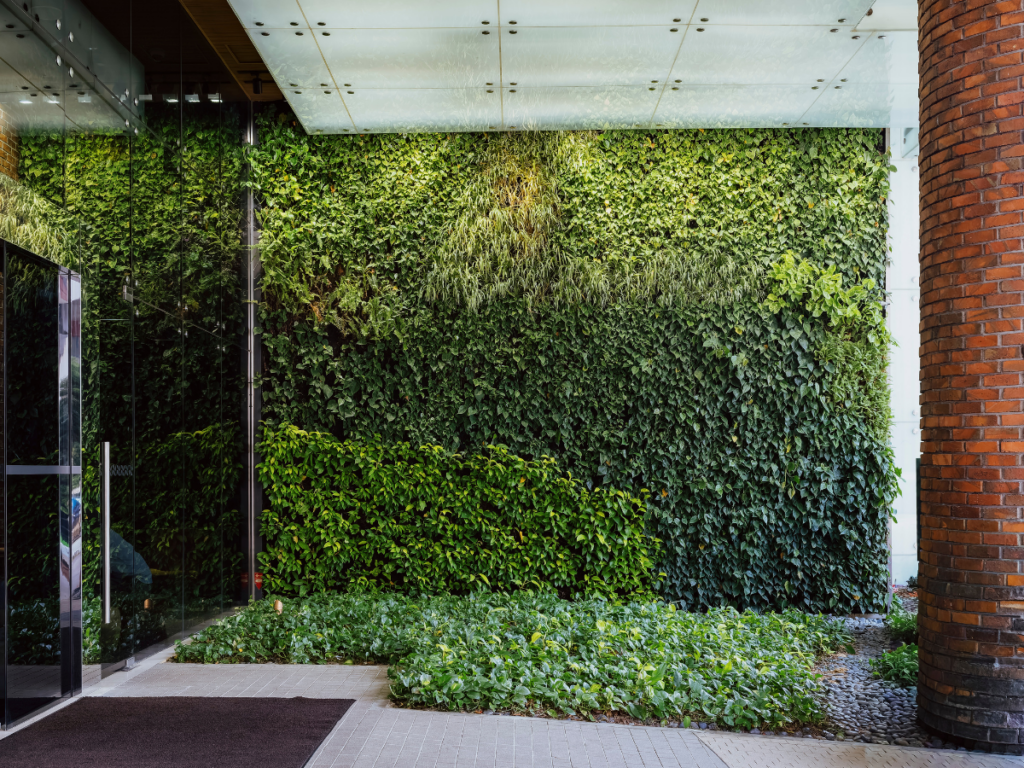
For homeowners working with limited outdoor space, vertical gardens offer a practical way to add greenery without crowding the ground.
Instead of spreading outward, plants grow upward along walls, fences, or freestanding structures. This simple shift opens up new possibilities for small backyards that might otherwise feel restricted.
Beyond saving space, vertical gardens can change how a backyard feels. A plain wall becomes a focal point, and even a narrow area can take on a more layered, intentional look. In urban settings, they can also act as a natural screen, adding privacy without the need for bulky structures.
There are environmental benefits as well. Vertical gardens can help soften hard surfaces, slightly reduce heat around the home, and support small pockets of plant life that attract beneficial insects. While the impact may seem subtle, these small improvements add up, especially in compact outdoor environments.
How Vertical Gardens Make The Most Of Limited Space
The main advantage of vertical gardens is how efficiently they use available surfaces. Walls, fences, and even unused corners can be transformed into growing areas, allowing homeowners to expand their planting options without giving up patio or seating space.
This approach also makes it easier to organize plants by type or purpose. Herbs, flowers, and decorative greenery can each have their own section, creating a cleaner and more intentional layout. Instead of a crowded ground bed, everything is visible and easier to manage.
Vertical gardens also work well for people who want to garden without bending or kneeling as often. Bringing plants up to eye level makes routine care more comfortable, which can encourage more consistent maintenance over time.
Environmental And Visual Benefits Of Living Walls
Living walls, a popular form of vertical gardens, bring both visual and environmental advantages. From a design perspective, they add texture and depth that flat surfaces often lack. A well-planned wall of greenery can make a small backyard feel more complete without overwhelming the space.
On the environmental side, vertical gardens can help improve air circulation around plants and reduce the buildup of heat on exterior walls. They also provide a small but meaningful habitat for pollinators, especially when flowering plants are included.
What makes living walls especially appealing is their flexibility. They can be tailored to match different styles, whether the goal is a clean, modern look or something more natural and layered.
Choosing The Right Vertical Planter Systems
Selecting the right system is an important step in making vertical gardens work long-term. Not all setups are the same, and the best choice often depends on the available space and how much maintenance you are willing to handle.
Wall-mounted planters are a common starting point. They attach directly to vertical surfaces and can be arranged in patterns that suit the layout of the space. Hanging systems offer a slightly different look, allowing plants to cascade downward and create a softer visual effect.
Trellises are another option, especially for climbing plants. They work well when you want coverage over time, as plants gradually fill in the structure and create a natural screen.
Selecting Durable And Sustainable Materials
Material choice plays a big role in how well vertical gardens hold up over time. Outdoor conditions can be tough on certain materials, so it is important to choose options that can handle exposure to sun, rain, and temperature changes.
Treated wood offers a natural look and can blend well with most backyard designs, while metal systems tend to be more durable and require less upkeep. High-quality recycled plastics are also a practical option, especially for those looking for something lightweight and weather-resistant.
Sustainability is worth considering as well. Choosing long-lasting materials reduces the need for replacement, and using eco-friendly options can make your vertical garden a more responsible addition to your outdoor space.
Creating A Functional And Lasting Setup
When planned thoughtfully, vertical gardens can turn even the smallest backyard into a functional and visually appealing space. The key is balancing design with practicality. Choosing the right structure, placing it where plants can thrive, and maintaining it consistently will ensure the garden continues to look and perform well.
Over time, vertical gardens tend to evolve. Plants grow, arrangements shift, and the space develops its own character. This gradual change is part of what makes them so effective in small areas, offering both immediate impact and long-term value.
How To Design A Living Wall That Fits Your Backyard And Pool Area
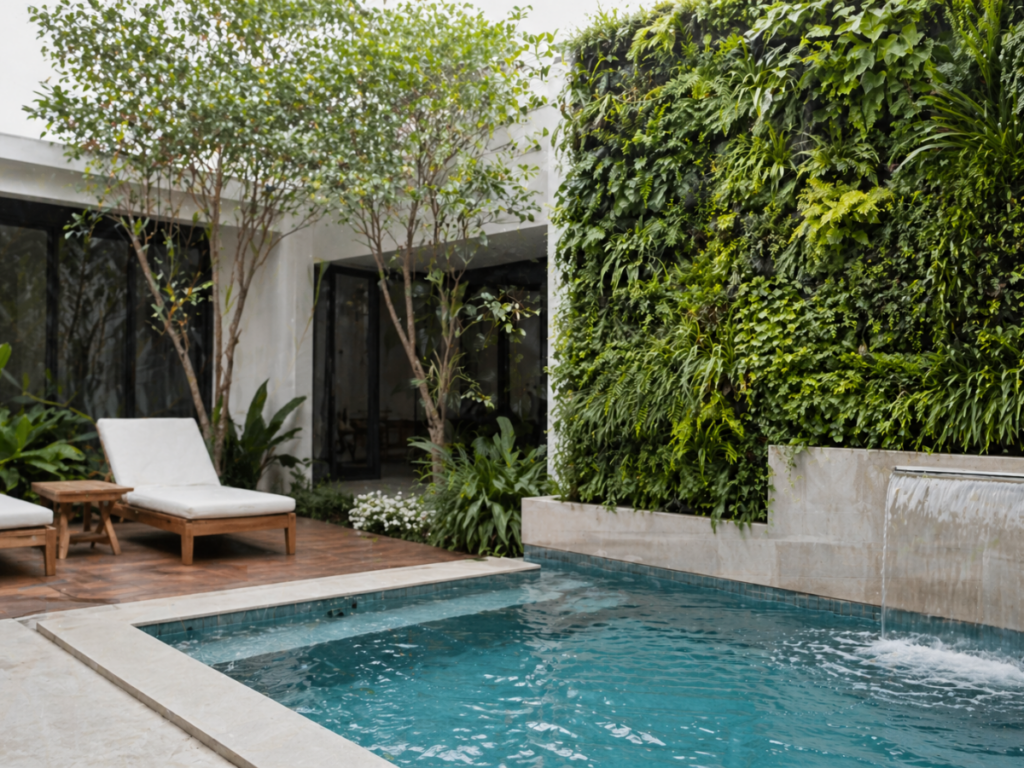
Designing a living wall in a small backyard takes a bit of planning, especially when a pool is part of the space. The goal is not just to add greenery, but to make sure everything works together without feeling crowded or out of place.
Vertical gardens are especially useful here because they allow you to introduce plants without taking up valuable ground space.
Instead of adding more planters around the pool, you can use nearby walls or fences to create a clean, layered look. This keeps the area open while still adding texture and visual interest.
It also helps to think about how the space is used day to day. A well-placed living wall can provide a sense of privacy, soften hard surfaces, and make the pool area feel more relaxed without interfering with movement or seating.
Choosing The Right Plants For Poolside Conditions
Pool environments come with their own set of challenges. There is often more humidity, reflected heat from water and surfaces, and occasional splashes that can affect plant health. Choosing the right plants makes a big difference in how well vertical gardens hold up over time.
Tropical plants and hardy greenery tend to perform well in these conditions. Ferns, philodendrons, and other moisture-tolerant plants can handle the environment without requiring constant attention. If the area gets a lot of direct sun, it is worth mixing in plants that can tolerate brighter conditions so the wall stays balanced.
It is also a good idea to avoid plants that shed heavily. Keeping the pool area clean becomes much easier when the vertical garden is made up of low-maintenance varieties.
Creating A Balanced Visual Design
A living wall should feel like part of the overall landscape, not something added as an afterthought. One way to achieve this is by working with the existing materials and colors already present in the backyard.
If the pool area features stone, tile, or concrete, the vertical garden can echo those tones through planter materials or plant selection. Keeping a consistent palette helps everything feel connected. At the same time, varying plant heights and textures prevent the wall from looking flat or overly uniform.
Vertical gardens also give you the chance to create subtle focal points. Instead of filling the entire wall, you might concentrate greenery in one section to draw attention without overwhelming the space.
Integrating Vertical Gardens With Poolside Layout
Placement matters just as much as plant selection. In smaller backyards, every element needs to serve a purpose. Positioning vertical gardens along fences or unused walls helps maximize space while keeping the main pool area open.
This approach also improves flow. Guests can move freely without navigating around large planters, and seating areas remain functional. At the same time, the greenery frames the space, making it feel more complete.
It can also be helpful to consider how the wall looks from different angles. A vertical garden that faces the pool or a seating area will have a stronger visual impact than one placed off to the side.
Maintaining A Clean And Practical Setup
While design is important, long-term maintenance should not be overlooked. Vertical gardens near pools need to be easy to care for without creating extra work. Simple irrigation systems or well-designed planters can help manage watering efficiently.
Keeping access in mind is also key. You should be able to reach plants easily for trimming or replacement without disrupting the surrounding area. A thoughtful setup ensures the garden continues to look good without becoming a burden.
What Are The Step-By-Step Installation Methods For DIY Vertical Gardens?
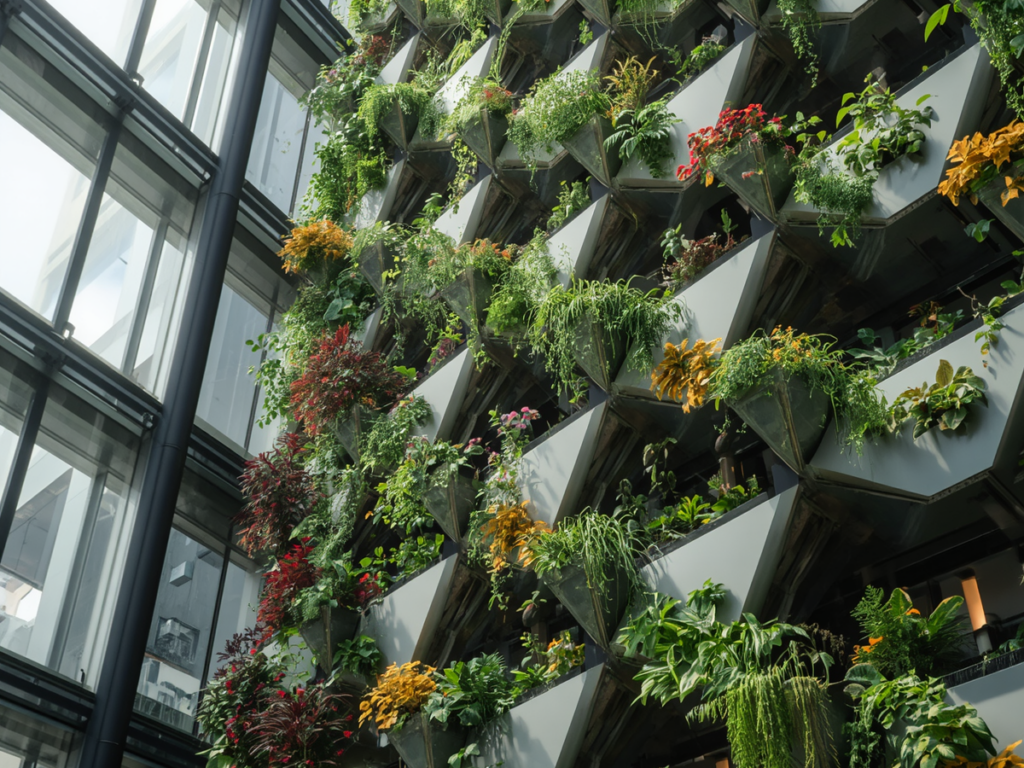
Installing vertical gardens in a small backyard does not have to be complicated, but it does require a clear plan. A thoughtful setup makes the difference between a system that thrives and one that quickly becomes difficult to manage.
By approaching the project in stages, you can build something that looks good and functions well over time.
Planning Your Space Before Installation
The first step is choosing the right location. Vertical gardens rely heavily on proper light exposure, so it is important to observe how sunlight moves across your backyard throughout the day.
A wall that gets consistent morning or filtered light is often easier to work with than one exposed to intense afternoon sun.
It also helps to think about access. You will need to reach the plants for watering, trimming, and occasional adjustments. Placing your vertical garden too high or in a tight corner can make routine care more difficult than expected.
At this stage, it is useful to map out the layout. Consider how many plants you want to include, how they will be arranged, and how the overall design fits into the rest of your backyard. This planning step prevents overcrowding and ensures the final result feels balanced.
Preparing The Surface And Structure
Once the location is set, the next step is preparing the surface that will support the garden. Vertical gardens can be mounted on fences, exterior walls, or freestanding frames, but the structure needs to be stable enough to handle the weight from soil, water, and plant growth.
Before installing anything, check that the surface is secure and in good condition. If needed, reinforce it with proper mounting hardware. Using a level during this step helps keep everything aligned, which not only looks better but also ensures water is distributed evenly across the system.
Spacing is another important detail. Leaving small gaps between planters or panels allows for airflow, which helps prevent moisture buildup and supports healthier plant growth.
Installing Planters And Ensuring Proper Drainage
With the structure in place, you can begin attaching your planters or vertical system. Whether you are using modular panels, wall-mounted pots, or pocket systems, consistency in placement helps create a clean, organized look.
Drainage is one of the most important parts of installing vertical gardens. Without it, excess water can collect and damage both the plants and the wall behind them. Many systems are designed with built-in drainage, but if you are creating your own setup, make sure water can flow downward without pooling.
Positioning a collection tray or directing runoff toward a garden bed can help manage excess moisture. This small detail makes ongoing maintenance much easier and protects the surrounding area.
Selecting Soil And Planting Strategically
The type of soil you use will directly affect how well your vertical garden performs. Lightweight, well-draining soil mixes are usually the best choice, as they prevent compaction and allow roots to develop properly.
When adding plants, it is helpful to group them based on similar needs. Placing plants with higher water requirements together and separating those that prefer drier conditions makes care more manageable.
This approach also helps avoid uneven growth, where some plants thrive while others struggle. Vertical gardens tend to dry out faster than traditional beds, so thoughtful planting can reduce the need for constant adjustments later on.
Maintaining Your Vertical Garden Over Time
After installation, ongoing care becomes the focus. Vertical gardens require regular watering, but the frequency depends on the climate and plant selection. Checking moisture levels early on will help you establish a routine that works for your setup.
Pruning is another key part of maintenance. As plants grow, trimming keeps the wall looking tidy and prevents overcrowding. It also encourages healthier growth by allowing light and air to reach all areas of the garden.
Over time, you may find that certain plants perform better than others. Replacing or rearranging them is a normal part of maintaining vertical gardens and helps the system evolve with your space.
How Do You Maintain Vertical Gardens For Long-Term Health?
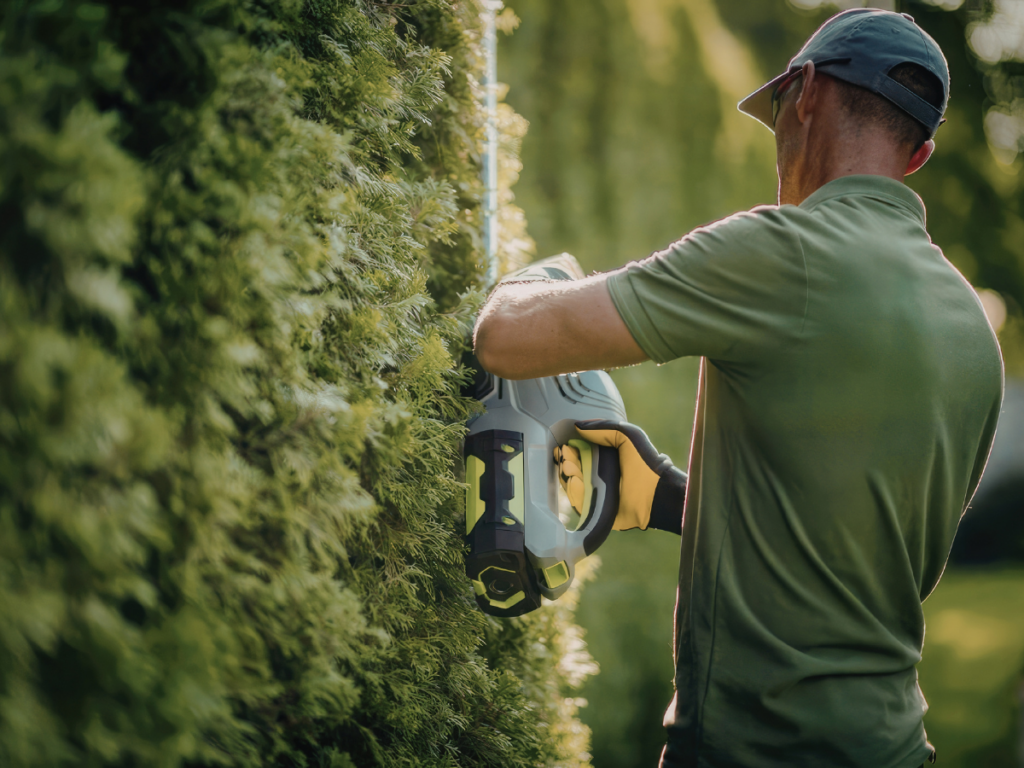
Keeping vertical gardens looking healthy over time comes down to consistent care and small adjustments as conditions change. Unlike traditional garden beds, vertical setups have less soil and more exposure, which means they can dry out faster and respond more quickly to environmental shifts.
The key is developing a routine that fits your space. Checking moisture levels, trimming growth, and paying attention to how plants respond to sunlight will help you catch issues early. With the right approach, vertical gardens can stay vibrant without requiring constant attention.
Managing Watering And Irrigation Effectively
Watering is one of the most important parts of maintaining vertical gardens. Because gravity pulls moisture downward, plants at the top may dry out faster than those below. This uneven distribution can lead to inconsistent growth if not managed carefully.
A drip irrigation system is often the most reliable option. It delivers water slowly and evenly, helping each section of the garden receive what it needs. If a full system is not in place, hand watering can still work well, but it requires a bit more attention to ensure all levels are covered.
It is also important to avoid overwatering. Good drainage allows excess moisture to move through the system instead of collecting in one area. Finding the right balance keeps roots healthy and prevents common issues like rot or mold.
Supporting Plant Health Through Smart Care
Plant care goes beyond watering. Choosing the right plants from the beginning helps reduce maintenance, but ongoing attention still plays a role in keeping everything balanced.
Vertical gardens benefit from occasional feeding with a light fertilizer, especially since nutrients can wash out more quickly in smaller soil volumes. Pruning is equally important. Trimming back overgrowth allows light and air to reach all parts of the garden, which supports even development.
It is also helpful to observe how plants interact with each other. If one variety begins to outgrow or overshadow others, adjusting placement or trimming it back can keep the overall design looking clean and well-proportioned.
Identifying And Fixing Common Problems Early
Even well-maintained vertical gardens can run into occasional issues. The most common problems tend to involve pests, plant stress, or uneven growth patterns. Catching these early makes them much easier to manage.
Pests can sometimes appear in dense planting areas, especially if airflow is limited. Regularly checking leaves and stems helps you spot any signs before they spread. Natural pest control methods are often enough to handle minor issues without disrupting the rest of the garden.
Nutrient deficiencies may show up as discoloration or slow growth. In many cases, this can be corrected with small adjustments to feeding or watering. Since vertical gardens respond quickly to changes, minor fixes can lead to noticeable improvements in a short time.
Adapting Your Garden To Seasonal Changes
One often overlooked aspect of maintenance is how vertical gardens respond to seasonal shifts. Changes in temperature, sunlight, and rainfall can all affect how plants behave.
During hotter months, you may need to water more frequently or provide some shade to prevent stress. In cooler seasons, growth may slow down, which means less frequent watering and trimming. Adjusting your routine throughout the year helps keep the garden stable and reduces unnecessary strain on the plants.
Keeping Your Vertical Garden Looking Its Best
Maintaining vertical gardens is not about constant upkeep, but about staying attentive and making small, consistent adjustments. A well-maintained system will not only support healthy plant growth but also keep the overall design looking intentional and clean.
Over time, your garden will settle into a rhythm. As you learn how it responds to your specific environment, maintenance becomes more intuitive. With the right care, vertical gardens can remain a lasting and visually appealing part of your outdoor space.
Which Plants Work Best In Vertical Gardens For Small Backyards?
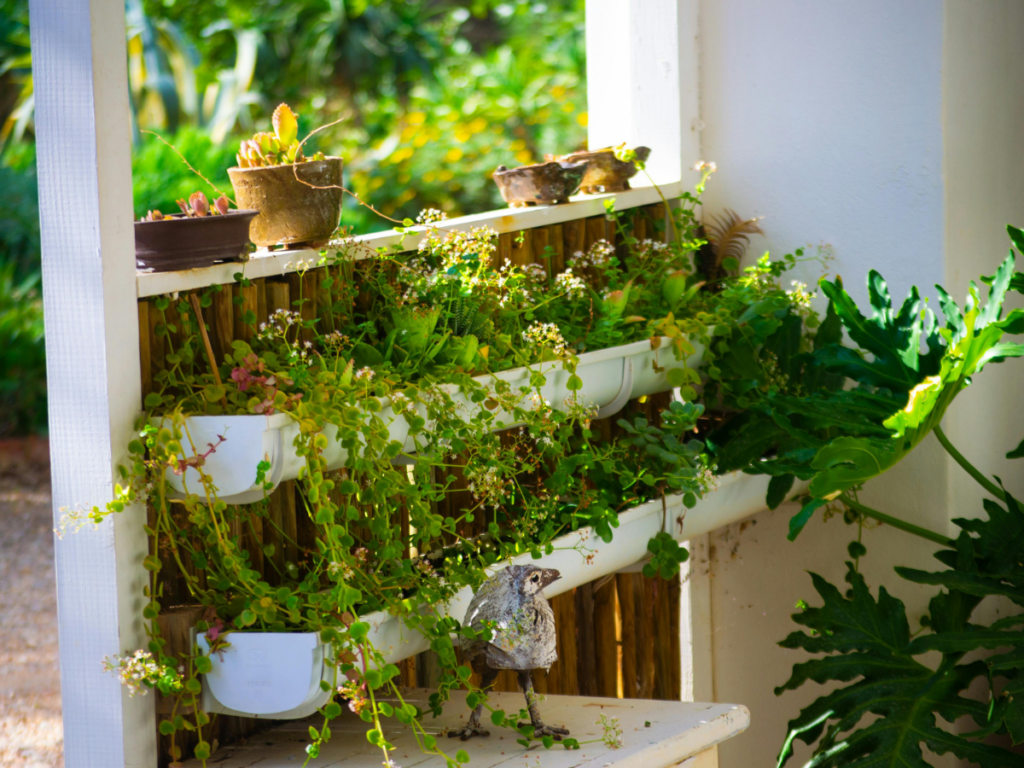
Choosing the right plants is one of the most important decisions when building vertical gardens, especially in smaller outdoor spaces.
Since these systems rely on limited soil and vertical exposure, not every plant will adapt well. The goal is to select varieties that can handle these conditions while still delivering visual impact and steady growth.
A well-planned mix of textures, heights, and growth habits helps vertical gardens feel full without becoming overcrowded. When plants are chosen thoughtfully, maintenance becomes easier and the overall design feels more balanced.
Best Plant Choices For Poolside Vertical Gardens
If your vertical gardens are near a pool or humid outdoor area, certain plants naturally perform better. These environments tend to have higher moisture levels and reflected sunlight, which can stress more delicate species.
Ferns are a strong choice in these settings. They thrive in humidity and bring a soft, layered look that works well in vertical layouts. Their ability to handle indirect light also makes them flexible for different placements.
Succulents offer a completely different approach. They are ideal if you want something low-maintenance and structured. Because they store water in their leaves, they do not require frequent watering, which can simplify upkeep. They also create a clean, modern look when arranged in patterns or clusters.
Climbing vines, such as jasmine or clematis, add movement and depth. These plants naturally grow upward and outward, making them well-suited for vertical gardens. In addition to visual interest, some varieties introduce subtle fragrance, which can enhance the overall outdoor experience.
Balancing Aesthetics And Practical Growth
Beyond choosing individual plants, it is important to think about how they will grow together over time. Some plants spread quickly, while others stay compact. Mixing these types carefully helps avoid overcrowding or uneven coverage.
For example, combining structured plants like succulents with softer greenery like ferns can create contrast without competition. Vines can be placed strategically to frame the design rather than dominate it. This kind of planning ensures vertical gardens stay visually appealing as they mature.
Light exposure also plays a role. Plants that need full sun should be placed higher or in more open areas, while shade-tolerant varieties can fill in lower or partially covered sections. Matching plant placement to available light helps reduce stress and keeps growth consistent.
Choosing Low-Maintenance Plants For Long-Term Success
For many homeowners, ease of care is just as important as appearance. Vertical gardens can be simple to maintain if you start with plants that do not require constant attention.
Look for hardy, adaptable species that can tolerate occasional fluctuations in water and temperature. Native plants are often a good option because they are already suited to local conditions. They tend to require less intervention and are more resilient over time.
It is also helpful to avoid plants that need frequent pruning or have aggressive growth patterns unless you are prepared to manage them regularly. Keeping maintenance manageable allows you to enjoy the garden rather than constantly adjusting it.
Creating A Sustainable Planting Strategy
A successful vertical garden is not just about what looks good on day one. It is about building a system that continues to thrive with minimal effort. Choosing plants that complement each other, adapt to your environment, and fit your maintenance style will make a noticeable difference.
Over time, vertical gardens develop their own rhythm. Some plants will grow faster, others will settle into place, and small adjustments will keep everything balanced. With the right plant selection, your vertical garden can remain healthy, visually interesting, and easy to care for throughout the seasons.
Conclusion
Vertical gardens offer a brilliant solution for small backyards, transforming bare walls and fences into lush, living works of art without sacrificing valuable ground space.
For homeowners dreaming of a complete backyard transformation, trust Clear Water Pools Atlanta. Ready to maximize your small space with big possibilities? Call 770-406-8638 or request your free pool estimate today. Let our team help you design a backyard that combines smart landscaping with the ultimate luxury of a custom pool.