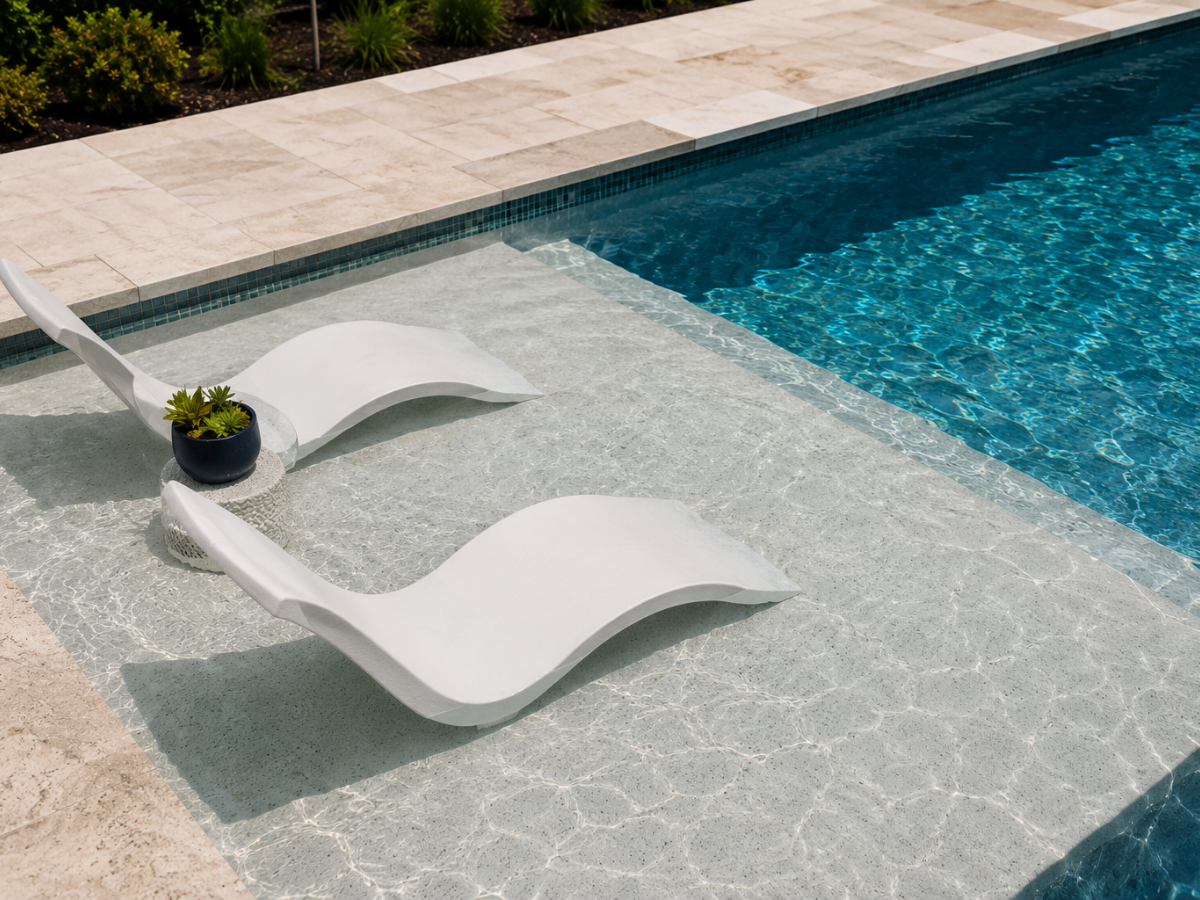
A pool is no longer just a place to swim. More homeowners are designing outdoor spaces that feel like private resorts, and features like tanning ledges and Baja shelves have become some of the most popular additions.
These shallow built-in platforms create a comfortable space to relax, cool off, and enjoy the water without fully submerging. Tanning ledges and Baja shelves for pools also add flexibility to how the space is used.
They provide a safe area for children to play, a convenient spot for lounge chairs, and an easy entry point into the pool. Beyond function, they contribute to a more modern, high-end pool design.
With the right layout and materials, these features can enhance both the appearance and usability of your outdoor living space. The integration of water features like tanning ledges into modern landscape design reflects a long-standing tradition of utilizing water for both its beauty and utility.
How Tanning Ledges Add Comfort and Style to Your Pool
What Are Tanning Ledges And Baja Shelves?
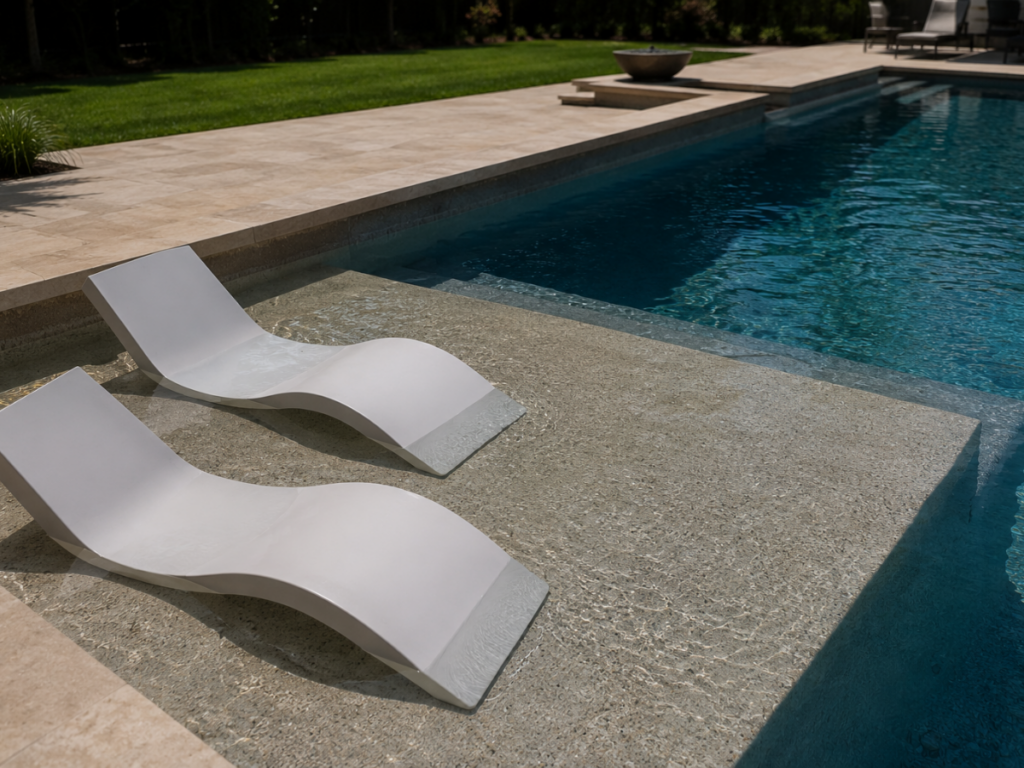
Tanning ledges and baja shelves have become some of the most requested features in modern pool design, especially for homeowners who want to create a more relaxing and resort-style outdoor space.
These shallow water areas combine comfort, aesthetics, and functionality, making pools feel more inviting and versatile for everyday use.
A tanning ledge, sometimes called a sun shelf, is a shallow section built directly into the pool where people can lounge while partially submerged in water.
Most tanning ledges range from about 6 to 18 inches deep, creating enough water coverage to stay cool without fully swimming. These spaces are commonly used for relaxing in lounge chairs, supervising children, or simply enjoying the water on hot days.
While the terms are often used interchangeably, baja shelves are typically larger and designed to accommodate multiple people at once. In luxury pool layouts, baja shelves are often integrated into the overall shape of the pool to create a more open, social atmosphere.
Many designs also include built-in seating, umbrella sleeves, or partially submerged furniture to improve comfort and usability.
What Is A Tanning Ledge?
A tanning ledge is designed specifically for shallow water lounging. Unlike traditional pool steps, these ledges create a dedicated relaxation zone that feels separate from the main swimming area. Homeowners often use tanning ledges for sunbathing, reading, or cooling off without fully entering deeper water.
One reason tanning ledges have become so popular is their versatility. They work well for families with young children, adults who enjoy lounging in the water, and guests looking for a comfortable gathering space during outdoor entertaining.
The shallow depth also creates a safer and more accessible area for people who may not want to swim in deeper sections of the pool. Because of this, tanning ledges appeal to a wide range of age groups and lifestyles.
What Defines A Baja Shelf In Luxury Pool Design?
A baja shelf serves a similar purpose but often functions as a larger design feature within the pool itself. In many high-end pool projects, baja shelves are intentionally expanded to create a social zone where multiple people can sit, relax, or place in-water furniture.
Luxury pool designs frequently incorporate baja shelves near entry points or adjacent to spa areas to improve flow throughout the outdoor space. Some designs even blend the shelf directly into surrounding landscaping or pool deck materials for a more seamless appearance.
Because tanning ledges and baja shelves are highly customizable, they can be adapted to complement both geometric and freeform pool layouts. This flexibility allows designers to create features that feel integrated rather than added on as an afterthought.
Design Considerations And Pool Integration
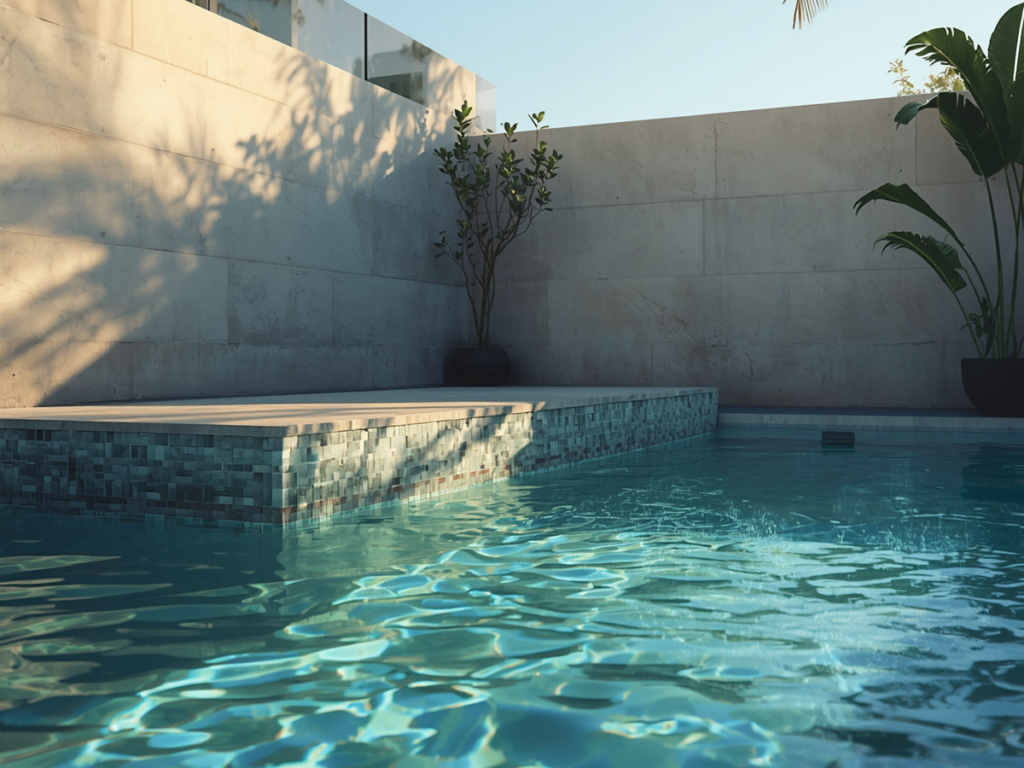
Adding tanning ledges requires more planning than simply creating a shallow section of water. The dimensions, materials, and placement all influence how functional and visually appealing the final design will be.
Depth is one of the most important considerations. Shallower ledges are ideal for lounging chairs and younger children, while slightly deeper designs may feel more comfortable for sitting and cooling off during hot weather.
Width and overall layout should also reflect how the space will actually be used, especially if the feature is intended for entertaining larger groups.
Material selection also plays a major role in durability and comfort. Concrete offers long-term strength and flexibility for custom shapes, while tile can add texture and visual contrast.
Natural stone creates a high-end appearance but may require more maintenance depending on climate and water conditions. Non-slip finishes are especially important in shallow lounging areas where surfaces remain wet most of the time.
How Does Pool Deck Integration Improve Functionality?
A well-designed pool deck can make tanning ledges feel like a natural extension of the entire outdoor living area. Smooth transitions between the deck and shallow water zones improve accessibility and help the space feel more cohesive.
Pool owners often use matching materials, complementary colors, or coordinated landscaping to visually connect the pool deck with tanning ledges and Baja shelves. This creates a more polished appearance while also improving usability for entertaining and relaxing.
Thoughtful integration also encourages social interaction. Guests can easily move between seating areas, the water, and surrounding outdoor spaces without feeling disconnected from the main gathering area.
When designed properly, tanning ledges become more than just shallow water features. They become central elements that shape the overall atmosphere of the backyard.
Benefits Of Tanning Ledges And Baja Shelves
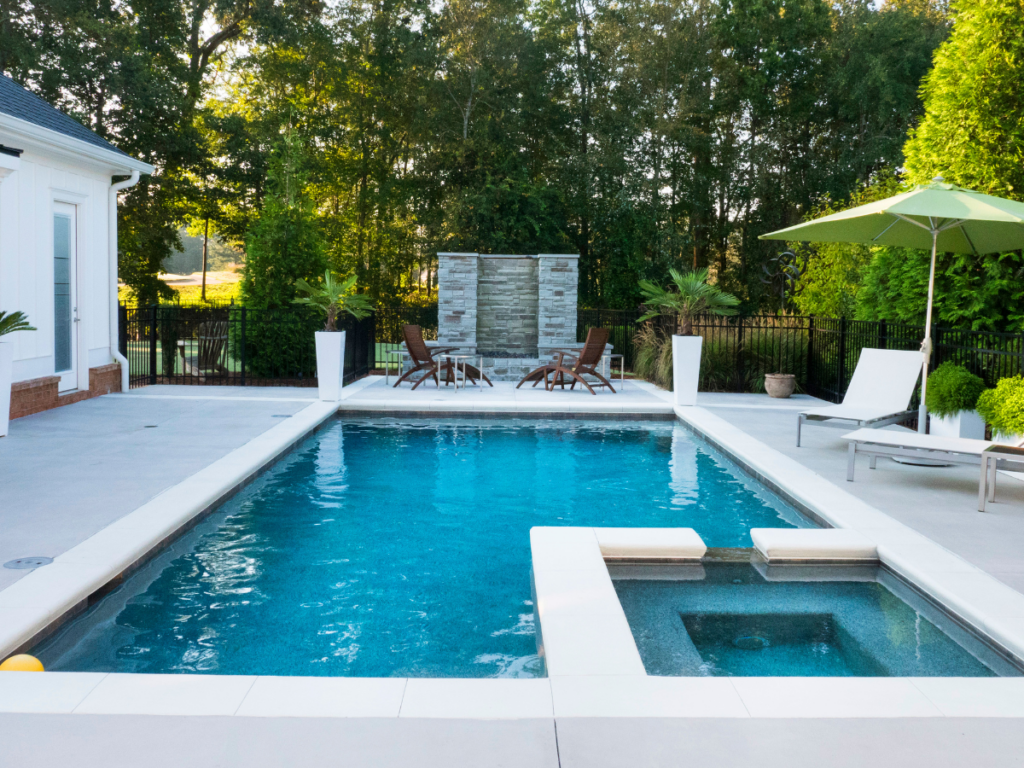
Tanning ledges and baja shelves have become popular additions in modern pool design because they combine comfort, safety, and visual appeal in a way that traditional pool layouts often cannot.
While these shallow water features are commonly associated with luxury pools, they also provide practical benefits that improve how families and guests use outdoor spaces on a daily basis.
For many homeowners, tanning ledges create a more flexible and inviting pool environment. Instead of using the pool only for swimming, these shallow areas encourage lounging, socializing, and relaxing in the water without needing to fully submerge.
This shift has made tanning ledges especially appealing for people who want their backyard to feel more like a resort-style retreat.
What Are The Benefits Of Baja Shelf Pools And Tanning Ledges?
One of the biggest advantages of tanning ledges is their versatility. These shallow lounging areas work well for adults looking to relax in the water while still enjoying the sun, but they are equally useful for families with children or pets.
Because the water depth is typically only a few inches deep, younger children can safely splash and play under supervision without immediately entering deeper sections of the pool. Pets also tend to enjoy these shallow spaces because they provide an easier and more comfortable way to access the water.
In addition to improving usability, tanning ledges also increase the functional space within the pool itself. Many homeowners add partially submerged lounge chairs, umbrellas, or built-in seating to create a dedicated relaxation zone that feels separate from the swimming area.
Baja shelves offer similar benefits but often on a larger scale. Since these shelves are usually wider and more integrated into the pool layout, they can comfortably accommodate multiple people at once. This makes them ideal for entertaining or creating a more social atmosphere around the pool.
Tanning ledges also contribute to the long-term enjoyment of a pool because they appeal to a wide range of age groups and activity levels. Some people may use them for quiet relaxation, while others enjoy them as gathering areas during parties or family events.
How Do These Features Enhance Poolside Relaxation And Aesthetics?
Tanning ledges are not just functional additions. They also have a major impact on the overall appearance of a backyard pool design.
The clean, shallow-water look creates a more modern and upscale feel that many homeowners associate with luxury resorts and high-end outdoor spaces. When paired with matching decking, lighting, and landscaping, tanning ledges can help tie the entire outdoor environment together visually.
These features also encourage people to spend more time outdoors. Instead of sitting beside the pool, guests can relax directly in the water while still remaining comfortable enough to talk, read, or enjoy the sun. The combination of cooling water and easy lounging creates a more inviting environment overall.
Many designs now include integrated shade options, built-in benches, or decorative tile finishes that further improve the comfort and appearance of tanning ledges. Because these features are highly customizable, homeowners can tailor them to fit both contemporary and traditional pool styles.
What Wellness And Safety Advantages Do Shallow Water Lounging Areas Offer?
Beyond aesthetics, tanning ledges provide several wellness and safety benefits that make them practical additions to residential pools.
The shallow water environment naturally promotes relaxation. Sitting partially submerged in cool water can help reduce stress and create a calming outdoor experience, especially during hot weather.
Some homeowners also use these spaces for light movement and stretching exercises because the shallow depth provides gentle resistance without requiring full swimming activity.
Safety is another important advantage. Shallow lounging areas create a gradual transition into the pool, making entry and exit easier for children, older adults, and anyone who may feel uncomfortable immediately stepping into deeper water.
For families, tanning ledges can also simplify supervision. Parents are able to stay close to younger children while still relaxing comfortably in the pool environment. This balance between leisure and functionality is one of the main reasons tanning ledges continue growing in popularity among modern pool owners.
Installation Process And Costs
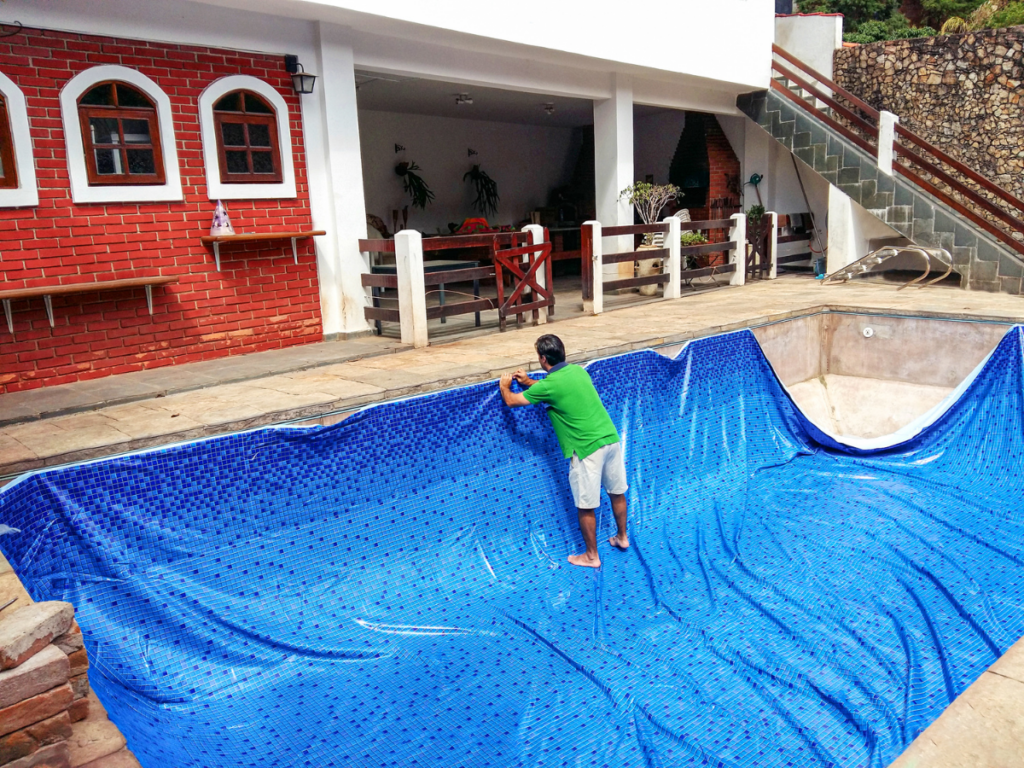
Adding tanning ledges to a pool can dramatically change how the space looks and functions, but the installation process involves much more than simply creating a shallow area in the water.
Proper planning, material selection, and construction techniques all play a role in ensuring the feature is durable, visually appealing, and comfortable to use for years to come.
Because tanning ledges are integrated directly into the pool structure, they are typically easiest to include during new pool construction. However, some existing pools can also be remodeled to incorporate a baja shelf or shallow lounging area, depending on the layout and structural limitations.
Understanding how the installation process works and what factors influence pricing can help homeowners make more informed decisions before starting a project.
How Does The Installation Process Work?
The installation of tanning ledges usually begins with a planning and design phase. During this stage, homeowners and pool designers determine the ideal location, depth, size, and overall shape of the ledge.
These decisions are often based on how the space will be used, whether for lounging, entertaining, children’s play areas, or decorative enhancement.
After the design is finalized, excavation and structural work begin. Builders shape the shallow shelf directly into the pool framework while ensuring the feature integrates properly with plumbing, drainage, and water circulation systems.
Since tanning ledges sit partially submerged, proper leveling and water flow are especially important to prevent standing water or uneven surfaces.
Once the structural portion is complete, finishing materials such as tile, plaster, coping, or natural stone are installed. Many homeowners also add in-water loungers, umbrella sleeves, lighting, or built-in seating during this phase to improve both comfort and functionality.
The final steps often involve landscaping and pool deck integration to ensure the tanning ledge feels cohesive with the surrounding outdoor space rather than visually separated from it.
How Much Does Tanning Ledge Installation Cost?
The cost of installing tanning ledges can vary significantly depending on the size of the feature, the materials used, and the complexity of the overall design.
In general, smaller and more straightforward concrete tanning ledges may start around several thousand dollars when included during initial pool construction. Larger custom baja shelves with premium finishes, integrated seating, lighting, or specialty tile work can increase costs substantially.
Material selection is one of the biggest pricing factors. Concrete tends to be one of the more affordable and flexible options because it allows for custom shapes and finishes.
Natural stone creates a more upscale appearance but typically comes with higher installation and maintenance costs. Tile work can also raise expenses depending on the level of customization involved.
Labor also contributes heavily to overall pricing. More detailed designs require additional engineering, construction time, and skilled craftsmanship. Features like curved edges, integrated spas, custom lighting, or advanced water features all add complexity to the project.
How Do Materials And Design Complexity Affect Long-Term Value?
While upfront costs matter, homeowners should also think about long-term durability and maintenance when choosing materials for tanning ledges.
Higher-quality finishes may cost more initially, but they often hold up better against sun exposure, chemicals, and heavy pool use over time. Durable materials can reduce future repair and resurfacing expenses, which may offset the larger initial investment.
Design complexity can also influence maintenance requirements. Simpler tanning ledges with clean lines and minimal decorative elements are often easier to maintain than highly customized features with intricate tile work or multiple built-in accessories.
Homeowners should also consider how tanning ledges fit into the overall pool design. A thoughtfully designed ledge can increase the usability of the pool while enhancing the visual appeal of the entire backyard. In many cases, these features become focal points that improve both enjoyment and long-term property value.
Because tanning ledges combine relaxation, functionality, and visual impact, many homeowners view them as one of the most worthwhile upgrades available in modern pool design.
Maintenance, Durability, And Long-Term Care
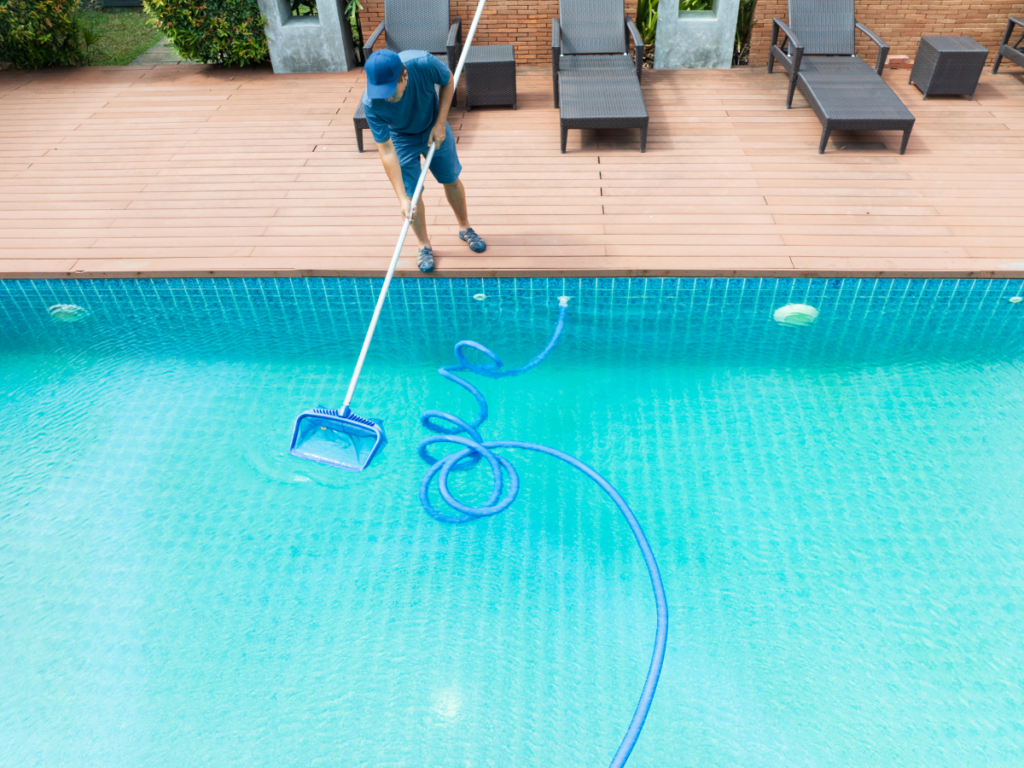
Tanning ledges add comfort and style to a pool, but like any water feature, they require ongoing care to stay safe, attractive, and functional over time.
Because tanning ledges sit in shallow water and are frequently exposed to direct sunlight, pool chemicals, and constant foot traffic, routine maintenance plays an important role in protecting both the appearance and structural integrity of the surface.
Fortunately, most tanning ledges are relatively easy to maintain when cleaning and inspections are handled consistently. A proactive approach can help prevent minor cosmetic issues from turning into more expensive repairs later on.
What Are The Best Practices For Maintaining Tanning Ledges And Baja Shelves?
One of the most important parts of maintaining tanning ledges is keeping the surface clean. Because shallow water warms more quickly and receives more sunlight, these areas are often more prone to algae buildup than deeper sections of the pool.
Regular brushing helps prevent slippery surfaces and keeps dirt, sunscreen residue, and debris from accumulating. Using pool-safe cleaning tools and non-abrasive products is especially important for preserving finishes like tile, plaster, or natural stone.
Maintaining proper water chemistry is equally important. Imbalanced pool chemicals can gradually damage the materials used on tanning ledges, causing discoloration, scaling, or surface deterioration over time.
Consistently monitoring chlorine, pH, calcium hardness, and alkalinity levels helps protect both the pool and the shallow water features.
Routine inspections are another key part of long-term maintenance. Homeowners should periodically check for cracks, loose tile, chipped edges, or worn sealants. Catching these problems early can prevent water intrusion and larger structural issues later.
If tanning ledges include submerged lounge furniture or umbrella sleeves, those accessories should also be inspected regularly to ensure they remain secure and do not damage the surface underneath.
How Can Pool Owners Improve Durability And Longevity?
The long-term durability of tanning ledges often depends on both the materials used and how well the feature is maintained throughout the year.
Consistent care is one of the biggest factors in extending the life of shallow water features. Even durable materials like concrete or natural stone can deteriorate faster if algae, mineral deposits, or chemical imbalances are left untreated for extended periods.
Seasonal preparation also matters, especially in climates with colder temperatures. In areas where pools are winterized, tanning ledges should be cleaned thoroughly before closing the pool to prevent debris stains and freeze-related surface damage.
Proper water level management during colder months can also reduce stress on shallow sections of the pool. Material-specific care can make a noticeable difference as well.
Natural stone surfaces may require resealing periodically to protect against moisture absorption and discoloration, while tile finishes may need occasional grout maintenance to preserve their appearance and structural stability.
Many pool owners also choose lighter-colored finishes for tanning ledges because they stay cooler under direct sunlight and may show less visible fading over time.
What Maintenance Steps Help Address Safety Concerns?
Since tanning ledges are designed for lounging and foot traffic, safety should remain a priority during routine maintenance.
Keeping the surface free of algae and slippery residue helps reduce the risk of slips and falls. Non-slip finishes can improve traction, but even textured surfaces still require regular cleaning to remain safe.
Furniture placement should also be monitored carefully. Chairs and tables designed specifically for tanning ledges are less likely to scratch or damage the surface. Using furniture that is too heavy or not intended for submerged use may create unnecessary wear over time.
Homeowners should also pay attention to water circulation around tanning ledges. Poor circulation can lead to stagnant water, uneven chemical distribution, and increased algae growth. Properly positioned return jets and filtration support healthier water conditions throughout the pool.
With consistent maintenance and thoughtful care, tanning ledges can remain one of the most enjoyable and visually appealing features in a backyard pool for many years.
Pool Design Trends And Sustainability
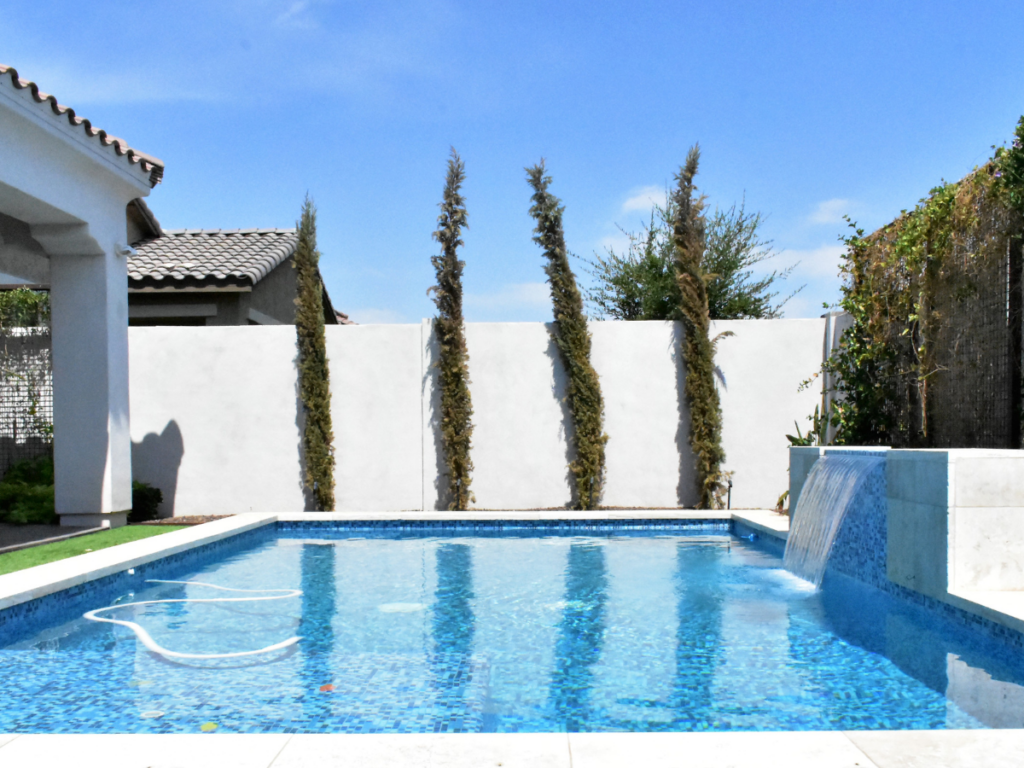
Modern pool design has evolved far beyond basic functionality. Homeowners today are looking for outdoor spaces that feel personalized, comfortable, and visually connected to the rest of their property.
As a result, features like tanning ledges and baja shelves have become central elements in many custom pool projects rather than optional upgrades.
At the same time, sustainability and wellness-focused design are playing a much larger role in how pools are planned and constructed. Many newer designs now prioritize energy efficiency, long-term durability, and multi-functional outdoor living spaces that support both relaxation and everyday use.
These changing priorities continue shaping how tanning ledges are designed, integrated, and customized in modern backyards.
How Are Recent Design Trends Influencing Tanning Ledges And Baja Shelves?
One of the biggest trends in pool design is the shift toward resort-inspired outdoor spaces. Homeowners increasingly want pools that function as entertainment areas, wellness spaces, and visual focal points all at once.
This has led to more creative and highly customized tanning ledges that feel integrated into the overall outdoor environment rather than added separately.
Many newer pool designs now feature larger baja shelves with built-in seating, in-water loungers, umbrella sleeves, and shallow gathering spaces designed for social interaction.
Instead of focusing only on swimming, homeowners are using tanning ledges to create spaces where guests can relax comfortably for extended periods.
Design flexibility has also become more important. Some homeowners prefer sleek geometric tanning ledges that complement modern architecture, while others choose curved or freeform shelves that blend naturally into landscaping and outdoor living areas.
Lighting integration is another growing trend. LED lighting installed around tanning ledges can create dramatic nighttime effects while also improving visibility and safety after dark.
The overall emphasis has shifted toward creating outdoor spaces that feel cohesive, functional, and visually polished from every angle.
What Multi-Functional Pool Designs Are Becoming More Popular?
Another major trend influencing tanning ledges is the rise of multi-functional pool features that combine aesthetics with wellness and usability.
Many homeowners now want outdoor environments that support relaxation and recovery in addition to entertainment. As a result, tanning ledges are increasingly being paired with features like hydrotherapy jets, shallow seating zones, and integrated spa transitions.
Some pool owners also use tanning ledges for low-impact movement or stretching exercises because the shallow water creates a comfortable environment without requiring full swimming activity.
Families often appreciate how these spaces serve multiple purposes throughout the day, from children’s play areas in the afternoon to adult lounging spaces in the evening.
Comfort-focused design has also become more common. Shade structures, partially submerged furniture, and textured surfaces are frequently added to improve usability during hot weather. These additions help tanning ledges feel more like true outdoor living spaces instead of simple pool accessories.
The goal behind many of these trends is to create a backyard that supports relaxation, social connection, and long-term enjoyment rather than functioning solely as a swimming area.
How Are Sustainable Materials Being Integrated Into Pool Shelf Construction?
Sustainability has become an increasingly important consideration in custom pool construction, including the design of tanning ledges and baja shelves.
Many builders are now using eco-friendly materials that balance durability with reduced environmental impact. Recycled materials, responsibly sourced stone, and energy-efficient construction methods are becoming more common in both residential and luxury pool projects.
Water efficiency is another growing focus. Improved circulation systems and smart filtration technology help reduce water waste while keeping tanning ledges cleaner and easier to maintain.
Some pool owners also choose lighter-colored finishes that reflect heat more effectively, helping reduce surface temperatures during warmer months.
Long-lasting materials are especially important in shallow water features because tanning ledges experience constant exposure to sunlight, chemicals, and foot traffic. Choosing durable finishes can help reduce future repairs and minimize long-term maintenance needs.
As outdoor living continues evolving, tanning ledges are increasingly being designed with both comfort and sustainability in mind. Homeowners are no longer choosing these features solely for appearance.
They are looking for practical, efficient, and long-lasting additions that improve how their outdoor spaces function every day.
Design Inspiration And Expert Resources
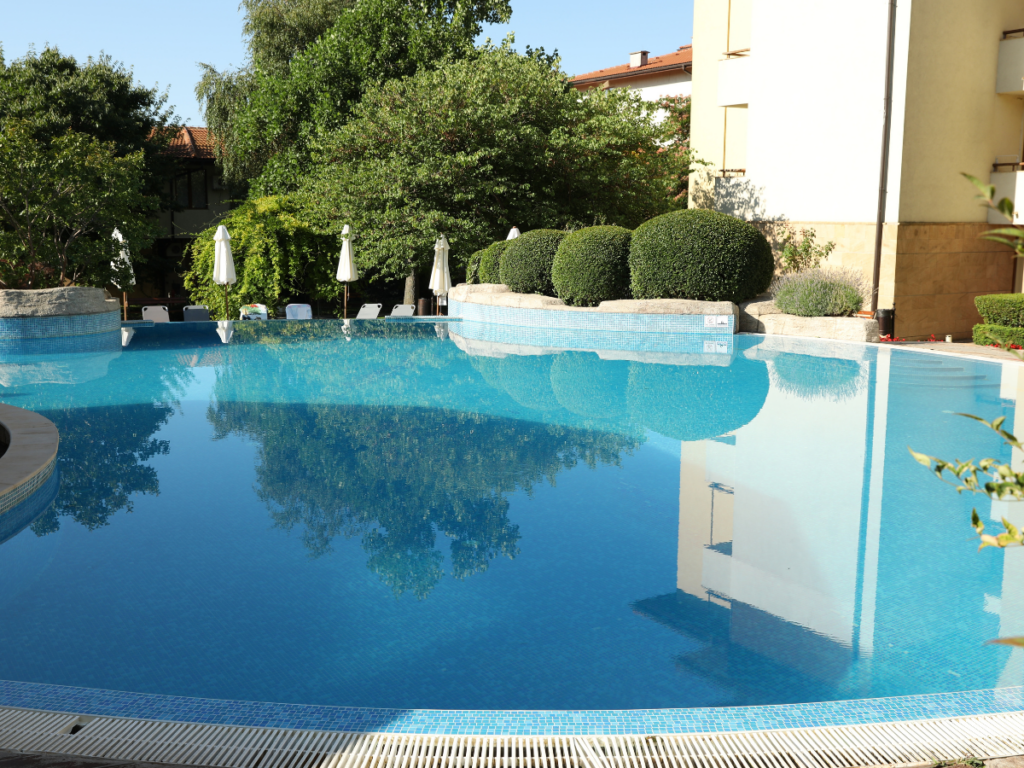
Designing a pool that feels both functional and visually appealing can be challenging, especially when adding custom features like tanning ledges and baja shelves.
Many homeowners begin with a general idea of how they want their outdoor space to feel, but refining that vision often requires inspiration, research, and expert guidance.
Because tanning ledges have become such a popular part of modern pool design, there are now more resources than ever available to help homeowners compare styles, understand layout options, and make confident design decisions.
From visual galleries to professional consultations, these tools can help turn broad ideas into practical plans that fit both the property and the homeowner’s lifestyle.
Where Can Homeowners Find Inspiration For Tanning Ledges And Pool Lounging Areas?
One of the best ways to gather ideas for tanning ledges is by exploring completed pool projects. Online design galleries, home improvement websites, landscaping portfolios, and outdoor living magazines often showcase a wide range of layouts and feature combinations.
These examples can help homeowners understand how different shelf sizes, shapes, and finishes work within various backyard styles. Social media platforms have also become a major source of pool design inspiration.
Many pool builders and outdoor designers regularly share completed installations, giving homeowners the opportunity to see current trends in real-world settings rather than staged concept drawings.
In addition to digital inspiration, visiting local showrooms or model homes can provide a better sense of scale and usability. Seeing tanning ledges in person often helps homeowners better understand how much space they need for loungers, seating, umbrellas, or shallow water play areas.
Professional consultations are another valuable resource. Experienced pool designers can explain how certain layouts will function based on yard size, sun exposure, drainage, and overall backyard flow. This guidance helps homeowners move beyond aesthetics and focus on long-term usability as well.
What Role Do Visual Galleries And Case Studies Play In Pool Design Decisions?
Visual galleries and project case studies are especially useful because they show how tanning ledges function in completed outdoor spaces. Rather than imagining how a feature might look, homeowners can evaluate actual installations and compare different approaches side by side.
Photo galleries often highlight details that homeowners may not initially consider, such as shelf depth, furniture placement, lighting integration, or material transitions between the pool and patio. These examples can help narrow down preferences and identify practical design solutions for different backyard layouts.
Case studies offer even more insight because they typically explain the reasoning behind certain design choices. A homeowner may discover why one project used a wide baja shelf for entertaining while another focused on compact tanning ledges for smaller spaces.
These real-world examples can also reveal potential challenges. Seeing how designers handled slopes, limited yard dimensions, or unusual pool shapes gives homeowners a more realistic understanding of what is possible within their own property constraints.
For many people, reviewing completed projects helps bridge the gap between inspiration and decision-making.
How Can Expert Testimonials And Industry Insights Help Guide Pool Planning?
Expert advice plays an important role when planning custom pool features because experienced professionals understand both design trends and long-term functionality.
Pool builders, landscape architects, and outdoor living specialists can often identify issues homeowners may overlook during the early planning stages. For example, they may recommend adjusting the placement of tanning ledges to improve sun exposure, water circulation, or traffic flow around the pool.
Industry reports and professional insights can also help homeowners stay informed about newer materials, construction methods, and maintenance considerations. As tanning ledges continue evolving in design, newer surface finishes and energy-efficient features are becoming more common in modern installations.
Homeowner testimonials are equally valuable because they offer practical feedback from people who use these features daily.
Reviews and firsthand experiences often highlight details that may not appear in design brochures, such as cleaning requirements, furniture compatibility, or how frequently certain features are actually used.
Combining professional guidance with real-world experiences allows homeowners to make more informed decisions when designing tanning ledges and other custom pool features.
Instead of choosing features based solely on appearance, they can create outdoor spaces that feel comfortable, functional, and enjoyable for years to come.
Safety Considerations For Shallow Water Features
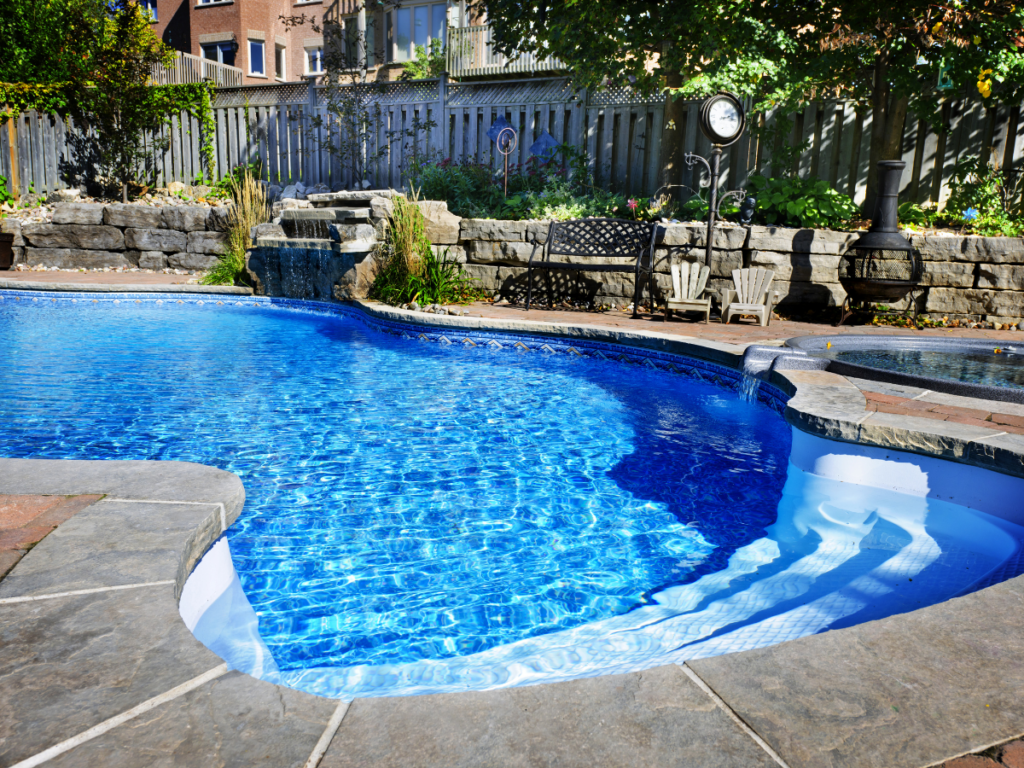
Tanning ledges and baja shelves are designed to make pools more relaxing and accessible, but safety should always remain part of the planning process.
Because these shallow water features are often used by children, pets, and guests entering or exiting the pool, thoughtful design choices can make a major difference in both comfort and security.
When properly designed, tanning ledges create a space that feels calm and inviting while still supporting safe movement around the pool. From material selection to water depth, every detail contributes to how well these features function over time.
What Safety Considerations Are Essential For Tanning Ledges And Baja Shelves?
One of the most important safety factors for tanning ledges is water depth. Most tanning ledges are intentionally shallow, typically deep enough to allow lounging while still providing stable footing.
Choosing the correct depth depends on how the feature will be used. Families with young children may prefer slightly shallower areas, while homeowners focused on lounging furniture may choose deeper shelves that better accommodate submerged chairs.
Visibility is another important consideration. Because tanning ledges often sit near the pool entrance, they should remain clearly visible both during the day and at night. Adequate lighting around shallow water areas helps reduce slips and improves overall awareness after sunset.
Supervision also plays a major role in pool safety. While tanning ledges provide safer shallow areas for children compared to deeper sections of the pool, they are not a substitute for active adult supervision.
Clear household rules regarding pool access and behavior are still essential, especially when children or pets are involved. Pool traffic flow should also be considered during the design phase.
Proper spacing between tanning ledges, steps, seating, and deeper swim zones helps prevent overcrowding and reduces the likelihood of accidents.
How Do Design And Material Choices Improve Safety?
The materials used on tanning ledges have a direct impact on safety and long-term usability. Since these surfaces are regularly exposed to water, heat, and foot traffic, choosing slip-resistant finishes is especially important.
Textured concrete, brushed stone, and specialty pool finishes are often selected because they provide better traction than smoother materials. Surfaces that become slippery when wet can quickly turn shallow lounging areas into fall hazards, particularly during busy gatherings or when children are playing nearby.
Heat retention is another factor homeowners should think about when selecting materials. Some darker finishes absorb and hold heat more aggressively under direct sunlight, making surfaces uncomfortable or unsafe to walk on during hot weather.
Lighter-colored finishes often stay cooler and provide a more comfortable experience throughout the day. Rounded edges and smooth transitions between the tanning ledge and deeper sections of the pool can also improve safety.
Sharp corners or sudden drop-offs may create tripping hazards or make movement through the pool feel less natural. Incorporating clearly visible depth changes can further enhance user awareness.
Even subtle visual cues, such as contrasting tile lines or finish changes, help swimmers recognize where shallow lounging areas end and deeper water begins.
What Are Recommended Safety Features For Pool Lounging Areas?
Beyond the tanning ledge itself, several surrounding safety features can help create a more secure pool environment overall.
Fencing remains one of the most important pool safety measures. A properly installed barrier helps restrict unsupervised access and is often required by local building codes. Self-closing gates and secure latches add another layer of protection for families with children.
Emergency equipment should also remain easily accessible near the pool area. Life rings, reaching poles, and first-aid supplies can make a significant difference during emergencies and should never be stored too far from the water.
Routine maintenance is equally important for preserving safety around tanning ledges. Regular inspections can help identify cracked surfaces, loose tiles, algae buildup, or drainage issues before they become larger problems.
Since tanning ledges sit in shallow water, even small amounts of algae or debris can create slippery conditions if left untreated. By combining thoughtful design, durable materials, and consistent maintenance, homeowners can create tanning ledges that are both visually appealing and safe for everyday use.
Conclusion
A tanning ledge, whether you call it a Baja shelf, sun shelf, or shallow lounging area, transforms your pool into a versatile oasis where relaxation meets refreshing cool water. For expert guidance in designing and installing a custom tanning ledge that fits your lifestyle and budget, trust Clear Water Pools Atlanta.
With over 50 years of experience serving the metro Atlanta area, our team transforms backyard visions into stunning realities—complete with all the amenities that make a pool truly extraordinary.
Ready to elevate your pool with the perfect tanning ledge? Call 770-406-8638 or request your free pool estimate today. Let Clear Water Pools Atlanta help you create the backyard sanctuary you’ve always dreamed of, where every day feels like a vacation at a luxury resort.