
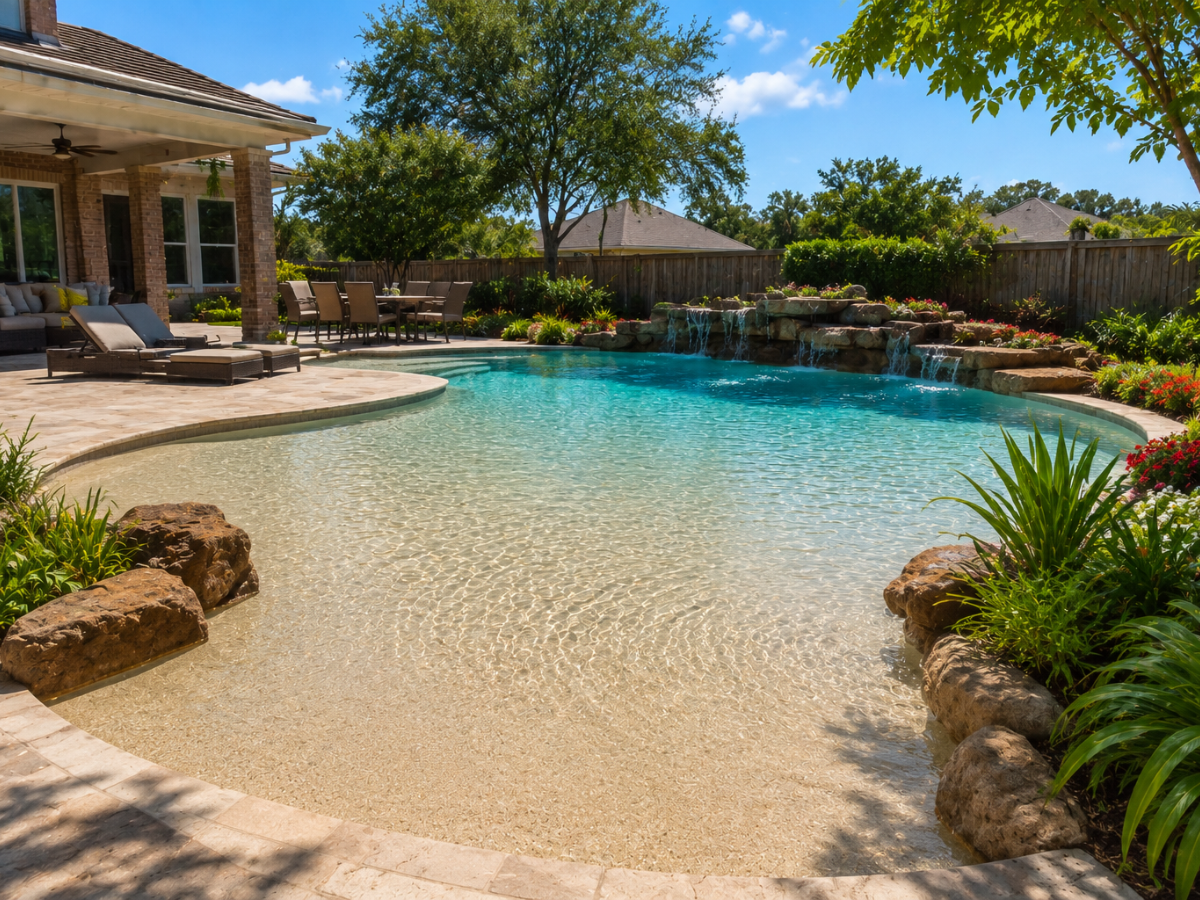
Imagine stepping into your pool the same way you would enter the ocean, with a gentle, gradual slope instead of traditional steps. Beach entry pools bring the comfort and elegance of a luxury resort to your backyard while creating a more accessible and inviting swimming experience for family and guests alike.
Beach entry pools do more than enhance appearance. Their sloped design provides a spacious area for lounging, safe play for children, and easier access for people of all ages. Paired with thoughtful landscaping, lighting, and water features, they can transform an ordinary backyard into a relaxing outdoor retreat.
Whether you’re planning a new pool or upgrading your outdoor living space, a beach entry design offers a timeless combination of style, comfort, and everyday functionality.
Beach Entry Pools That Improve Comfort and Accessibility
Understanding Beach Entry Pools and Zero Entry Pool Designs
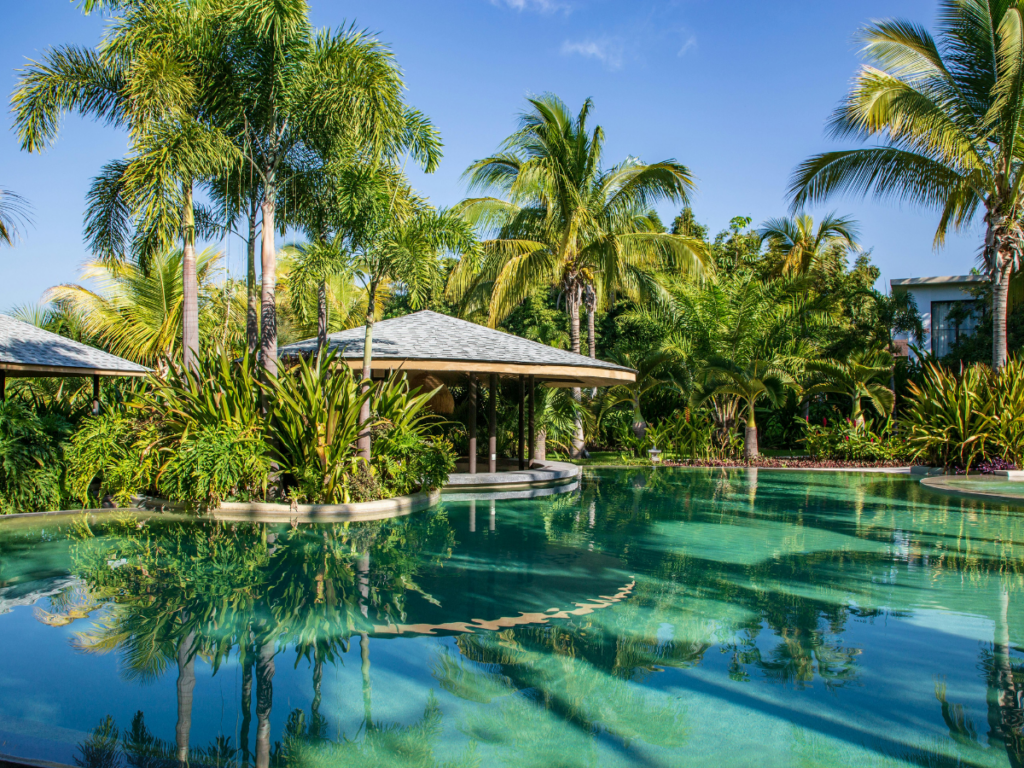
One of the defining features of beach entry pools is the way they blend comfort, accessibility, and visual appeal into a single design.
Unlike traditional pools that require steps or ladders, these pools create a gradual transition from the deck into the water, offering an experience that feels similar to walking into the ocean from the shoreline.
Whether you’re planning a family-friendly backyard or a luxury outdoor retreat, understanding how these designs work can help you determine whether they’re the right fit for your space.
What Is a Beach Entry Pool?
Beach entry pools, also known as zero entry pools, feature a gently sloping entrance that begins at deck level and gradually increases in depth. Instead of stepping down into the water, swimmers simply walk into the pool along a shallow incline until they reach their desired depth.
This design differs from a traditional swimming pool, where entry is typically limited to steps, ladders, or built-in benches. The seamless transition creates a more natural appearance while making the pool feel larger and more connected to the surrounding landscape.
Because there are no abrupt changes in elevation at the entrance, beach entry pools are often chosen for homeowners who want a resort-inspired look while also improving ease of access. The shallow entry area can also serve as a comfortable place to sit, relax, or supervise young children without entering deeper water.
How Do Sloped Entries Improve Accessibility and Safety?
One of the greatest advantages of beach entry pools is their accessibility. The gradual slope makes entering and exiting the water easier for people of all ages, including young children, older adults, and individuals with limited mobility.
Rather than navigating stairs or ladders, users can enter the pool at their own pace, creating a more comfortable and confident experience.
Proper slope design is an important part of both safety and functionality. Industry guidance for zero entry pools recommends gentle inclines that allow users to transition into deeper water gradually instead of encountering sudden drop-offs.
This gradual approach helps improve stability and reduces the likelihood of slips or missteps during entry.
Surface materials also contribute to safety. Many beach entry pools incorporate textured, slip-resistant finishes that provide better traction, particularly in shallow areas where water and smooth surfaces can create slippery conditions.
Combined with a carefully planned slope, these materials make the entry area safer while preserving the clean, natural appearance that defines this style of pool.
What Design Features Make Beach Entry Pools Stand Out?
Although accessibility is a major benefit, the appeal of beach entry pools extends well beyond function. Their gradual entry creates opportunities for design elements that are difficult to achieve with traditional pool layouts.
The expansive shallow area can double as a tanning ledge or lounging space where adults can relax while remaining partially in the water. Families with young children often appreciate this feature because it provides a comfortable place for supervised play before the pool reaches deeper sections.
Landscaping also plays a significant role in the overall design. Natural stone, decorative pavers, tropical plants, and integrated water features can be arranged to reinforce the illusion of a real beachfront.
Rather than appearing as a separate structure placed in the yard, the pool becomes a natural extension of the surrounding outdoor living space.
When thoughtfully designed, beach entry pools combine accessibility, safety, and aesthetics in a way that few other pool styles can match.
Their gradual transition into the water creates a welcoming experience for swimmers of all ages while adding a distinctive architectural feature that enhances the beauty and functionality of the entire backyard.
Why Homeowners Choose Beach Entry Pools
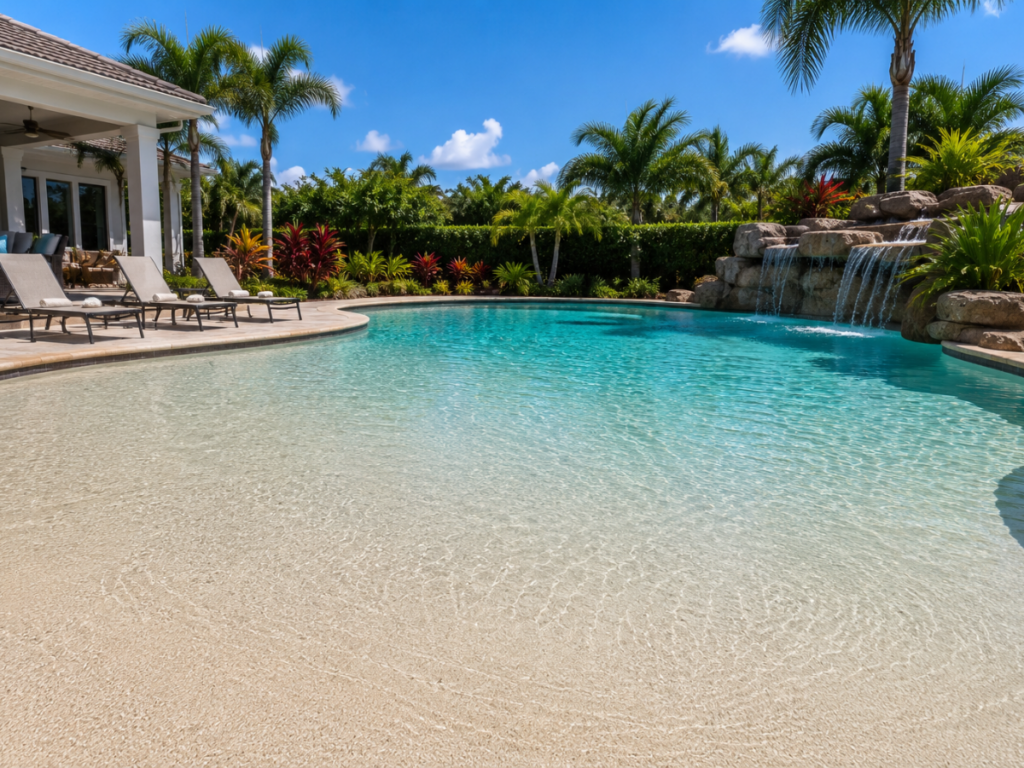
One of the biggest reasons beach entry pools have become increasingly popular is their ability to combine style, comfort, and practicality in a single design.
While their resort-inspired appearance often captures attention first, the long-term benefits go far beyond aesthetics.
From making pools easier to access to creating spaces where families naturally gather, beach entry pools offer advantages that appeal to homeowners of all ages and lifestyles.
Create a More Comfortable and Inclusive Swimming Experience
One of the defining benefits of beach entry pools is how naturally they accommodate a wide range of users. The gradual transition into the water removes the need to navigate steep steps or ladders, making the pool more inviting for children, older adults, and anyone who prefers a gentler way to enter the water.
This accessibility also changes how the pool is used. Instead of serving only as a place to swim, the shallow entry area becomes a versatile space for relaxing, cooling off, or supervising young children.
Some homeowners use this area much like a tanning ledge, placing lounge chairs in a few inches of water to create a comfortable place to unwind.
Because the design feels open and approachable, beach entry pools often encourage guests to spend more time together outdoors. Whether hosting family gatherings or enjoying a quiet afternoon at home, the gradual entry creates a welcoming environment that supports a variety of activities beyond traditional swimming.
Improve Accessibility Without Sacrificing Style
Accessibility is often viewed as a practical consideration, but with beach entry pools, it also enhances the overall design. The smooth transition into the water creates a clean, natural appearance that blends seamlessly with surrounding patios, gardens, and outdoor living spaces.
For individuals with limited mobility, the sloped entry can make entering and exiting the pool more manageable than using traditional steps.
While homeowners with specific accessibility needs may still choose to incorporate additional features such as handrails or pool lifts, the gradual entry itself provides a more user-friendly experience for many people.
From a design perspective, the broad, shallow entrance creates opportunities for custom landscaping, decorative stonework, waterfalls, and integrated seating.
These features contribute to the resort-style appearance that has made beach entry pools one of the most sought-after pool designs for modern backyards.
Enhance Safety for Families With Children and Seniors
Safety is another major advantage of beach entry pools, particularly for households with young children or older family members.
The gradual slope allows swimmers to become comfortable with the water at their own pace instead of stepping directly into deeper sections. This can help reduce slips, sudden changes in depth, and the anxiety that some people experience when entering a traditional pool.
The shallow entry area also provides a convenient place for children to splash and play under close supervision. While adult supervision remains essential around any swimming pool, the expansive shallow zone offers parents a more comfortable environment for introducing younger children to the water.
Many homeowners also choose slip-resistant finishes for the entry area, improving traction where water is constantly present. Clear depth markers, adequate lighting, and thoughtfully designed transitions into deeper water further contribute to a safer swimming environment.
Beyond their safety features, beach entry pools can also add long-term value to a property. Their distinctive appearance, broad appeal, and family-friendly design make them an attractive feature for many prospective buyers.
For homeowners seeking a pool that combines accessibility, functionality, and visual appeal, beach entry pools provide a well-rounded solution that enhances both everyday enjoyment and the overall outdoor living experience.
Choosing the Right Materials for Beach Entry Pools
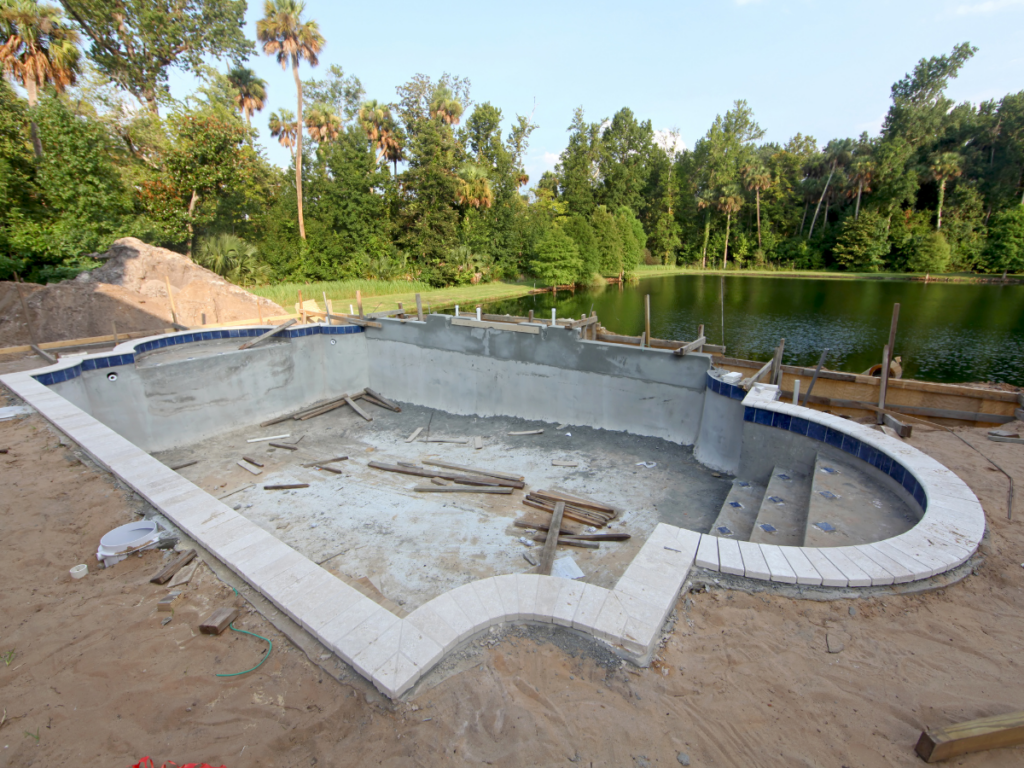
The materials used to build a pool have a lasting impact on its appearance, durability, maintenance requirements, and overall cost. This is especially true for beach entry pools, where the gradual slope and expansive shallow area require careful planning during construction.
Choosing the right material is not simply a matter of budget. It also depends on your design goals, the features you want to include, and how much maintenance you’re willing to perform over the years.
Comparing Concrete, Fiberglass, and Vinyl Beach Entry Pools
The three most common materials used for residential pools are concrete, fiberglass, and vinyl, each offering different advantages for homeowners considering beach entry pools.
Concrete is often the preferred option for fully customized designs. Because it can be formed into virtually any shape or size, it provides the greatest flexibility for creating expansive beach entries, curved shorelines, integrated tanning ledges, waterfalls, and other custom features.
Concrete is also extremely durable when properly maintained, making it a popular choice for luxury outdoor spaces. However, it typically requires a larger upfront investment, a longer construction timeline, and ongoing maintenance to preserve its finish.
Fiberglass pools offer a faster installation process because they are manufactured as a single shell before arriving on-site. Their smooth, nonporous surface resists algae growth and generally requires less maintenance than concrete.
While fiberglass models continue to expand in design options, they are still limited to pre-manufactured shapes and sizes, which may restrict customization for homeowners seeking a highly personalized beach entry design.
Vinyl liner pools are often the most budget-friendly option. They provide a comfortable, smooth surface underfoot and are relatively easy to maintain. However, the vinyl liner will eventually need replacement due to normal wear, and the material is generally less durable than concrete or fiberglass over the long term.
The right choice depends on your priorities, whether that’s complete design freedom, faster installation, lower maintenance, or overall project cost.
Construction Techniques That Improve Long-Term Performance
Building beach entry pools requires specialized construction techniques that differ from traditional pool installations. The gradual slope must be carefully engineered to provide a smooth transition into the water while maintaining proper structural support throughout the entry area.
Builders also pay close attention to drainage, grading, and soil preparation before construction begins. A stable foundation helps prevent settling over time and supports the wide, shallow design that defines a beach entry pool.
Reinforcement materials, waterproofing systems, and high-quality surface finishes further improve durability and reduce the likelihood of future repairs.
Because the entry area experiences frequent foot traffic, many homeowners choose textured finishes that provide additional traction while preserving the natural appearance of the shoreline.
Combining durable materials with skilled construction techniques helps ensure the pool remains attractive, safe, and functional for many years.
Eco-Friendly Materials and Sustainable Design Options
Many homeowners are also incorporating environmentally conscious features into the design of their beach entry pools. Sustainable materials and energy-efficient equipment can reduce environmental impact while lowering long-term operating costs.
Natural stone, recycled glass tile, and responsibly sourced paving materials are popular choices for creating an attractive pool environment with a smaller environmental footprint. These materials often blend beautifully with landscaping, reinforcing the natural shoreline appearance that makes beach entry pools so distinctive.
Energy-efficient pumps, LED lighting, variable-speed filtration systems, and automated controls can also improve efficiency by reducing electricity and water consumption. Together, these upgrades help minimize ongoing operating costs without sacrificing performance.
Choosing sustainable materials does more than support environmentally responsible construction. It also contributes to a pool that is easier to maintain and less expensive to operate over time.
By combining quality construction materials with thoughtful design and efficient equipment, homeowners can create beach entry pools that offer lasting beauty, reliable performance, and long-term value.
Understanding the Costs and Maintenance of Beach Entry Pools

Adding a beach entry to a swimming pool can create a beautiful, resort-style backyard, but it also requires careful planning.
Beyond the initial construction budget, homeowners should consider long-term maintenance, operating costs, and the design choices that influence the overall investment.
Understanding these factors helps you set realistic expectations and choose a pool that fits both your lifestyle and your budget.
What Factors Affect the Cost of Beach Entry Pools?
The cost of beach entry pools varies depending on several design and construction factors. One of the biggest influences is the size of the pool itself. Larger pools require more excavation, additional materials, and more labor, all of which increase the overall project cost.
The choice of construction material also plays an important role. Concrete pools typically have the highest upfront cost because they allow for fully customized beach entry designs, while fiberglass and vinyl options may offer lower installation costs depending on the available models and site conditions.
Design complexity is another consideration. Pool features such as integrated tanning ledges, waterfalls, custom lighting, decorative stonework, and extensive landscaping can significantly increase the overall investment.
Site conditions also matter. Sloped yards, difficult soil, drainage improvements, or limited equipment access may require additional preparation before construction can begin.
Labor costs vary by region and by the experience of the builder. Because beach entry pools require precise grading and specialized construction techniques, working with professionals who have experience building gradual-entry pools is often an important part of achieving a high-quality result.
How to Plan for Long-Term Pool Ownership Costs
The initial construction cost is only one part of owning a pool. Ongoing expenses should also be considered when comparing different pool designs.
Like any swimming pool, beach entry pools require regular filtration, water treatment, and seasonal maintenance. Monthly operating costs typically include electricity for pumps and lighting, water replacement due to evaporation, pool chemicals, and occasional equipment servicing.
Depending on the climate and the amount of use, homeowners may also choose to invest in heating systems, automated cleaning equipment, or pool covers that add convenience while helping reduce long-term operating expenses.
Material selection can also influence maintenance costs over time. Some pool surfaces require resurfacing after many years of use, while vinyl liners eventually need replacement.
Fiberglass pools generally require less routine maintenance because of their smooth, nonporous finish, whereas concrete pools often demand more frequent brushing and periodic refinishing to maintain their appearance.
Considering these long-term costs during the planning stage helps homeowners make informed decisions that align with both their budget and maintenance preferences.
Best Practices for Maintaining Beach Entry Pools
Keeping beach entry pools in excellent condition requires the same core maintenance as traditional pools, along with a little extra attention to the expansive shallow entry area.
Regular cleaning helps prevent leaves, dirt, and debris from accumulating on the gradual slope, where materials may settle more easily than in deeper water. Brushing pool surfaces and vacuuming the entry area as part of a routine maintenance schedule helps preserve both appearance and water quality.
Water chemistry should also be monitored consistently. Maintaining proper pH, chlorine, alkalinity, and calcium hardness levels protects pool surfaces, keeps the water safe for swimming, and extends the life of pool equipment.
Routine inspections of pumps, filters, skimmers, and circulation systems help identify minor issues before they become expensive repairs.
Because the beach entry receives frequent foot traffic, it’s also worth checking textured finishes periodically for wear and ensuring the surface continues to provide good traction.
With consistent care and preventative maintenance, beach entry pools can remain attractive, functional, and enjoyable for many years.
By planning for both the initial investment and ongoing upkeep, homeowners can enjoy the unique benefits of a gradual-entry pool while protecting the long-term value of their outdoor living space.
Landscaping Ideas That Enhance Beach Entry Pools
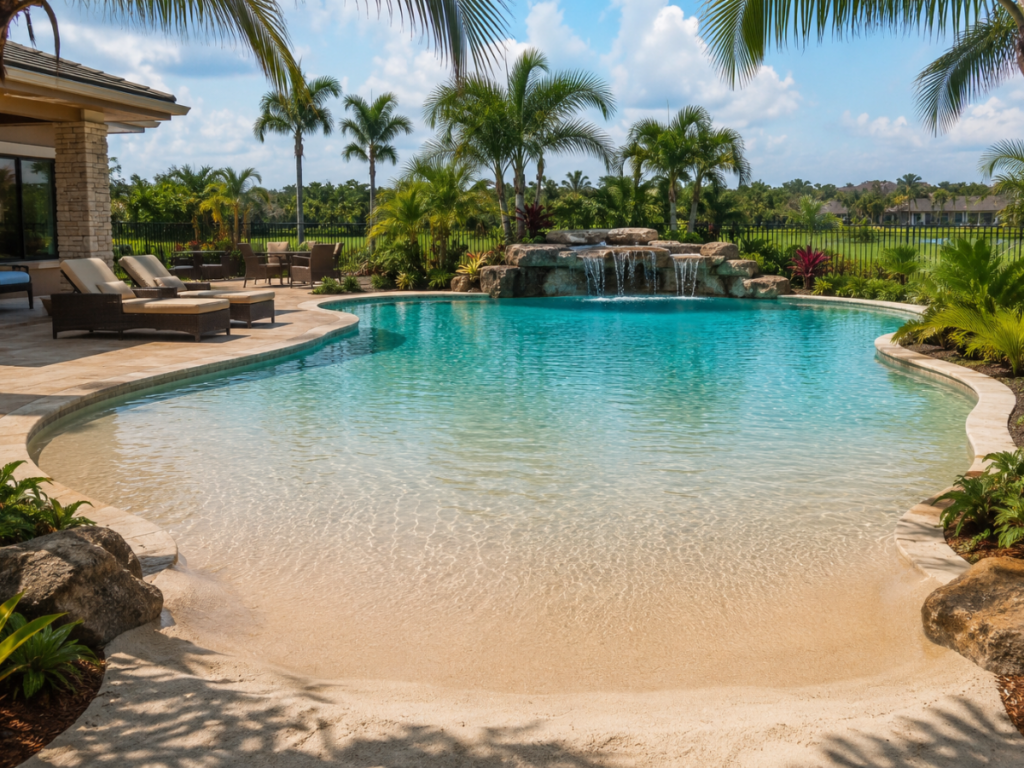
A well-designed pool is only part of creating an inviting outdoor space. The surrounding landscaping plays an equally important role in defining the overall atmosphere and making the pool feel like a natural extension of the backyard.
Because beach entry pools are inspired by the gradual shoreline of a beach, they pair especially well with landscaping that softens hard edges and creates a seamless transition between the pool, patio, and garden.
Blend the Pool Naturally Into the Landscape
One of the biggest design advantages of beach entry pools is their ability to integrate naturally with the surrounding environment. Instead of creating a sharp visual separation between the pool and the yard, the gradual entry allows landscaping elements to flow more organically around the water.
Natural stone, decorative boulders, and textured pavers help reinforce the appearance of a shoreline while providing durable surfaces around the pool. Incorporating native plants, ornamental grasses, flowering shrubs, or tropical foliage can soften the edges of the pool and create a lush, resort-inspired setting.
Pathways are another feature worth considering. Curved walkways that connect the pool with patios, outdoor kitchens, or seating areas encourage movement throughout the backyard while making the entire landscape feel more cohesive.
By combining thoughtful hardscaping with carefully selected plants, homeowners can create an outdoor environment that feels both functional and visually balanced.
Design Outdoor Living Spaces Around the Pool
Beach entry pools naturally encourage people to spend more time outdoors, making it worthwhile to plan the surrounding space with relaxation and entertaining in mind.
Comfortable seating areas positioned near the shallow entry allow guests to socialize while staying close to the water, while shaded structures such as pergolas or covered patios provide relief from the sun during warmer months.
Many homeowners also incorporate outdoor kitchens, fire pits, or dining areas to create a complete backyard living space. These features transform the pool area from a place that’s used only for swimming into a destination for family gatherings, celebrations, and everyday relaxation.
The broad, shallow entry of beach entry pools can also serve as a visual centerpiece for the entire landscape. Arranging furniture and outdoor features to highlight this area helps create an inviting layout that draws people naturally toward the pool.
Add Visual Features That Elevate the Design
Decorative features can enhance both the daytime appearance and nighttime ambiance of beach entry pools. Waterfalls, fountains, bubbling features, and deck jets introduce movement and soothing sounds that reinforce the tranquil atmosphere many homeowners want to create.
Lighting is another important design element. Underwater LED lighting highlights the gradual slope after dark, while landscape lighting can illuminate pathways, garden beds, and architectural features surrounding the pool.
Together, these lighting elements improve both safety and aesthetics, allowing the outdoor space to remain functional well into the evening.
Plant selection also contributes to the overall character of the design. Layering trees, shrubs, and ornamental plants creates depth and texture throughout the landscape while helping the pool blend more naturally into its surroundings.
Choosing plants that thrive in the local climate can also reduce long-term maintenance and improve the overall health of the landscape.
Ultimately, the most successful beach entry pools are designed as part of a complete outdoor environment rather than as standalone features.
By combining thoughtful landscaping, comfortable gathering spaces, and carefully selected visual elements, homeowners can create a backyard that feels cohesive, relaxing, and visually striking throughout every season.
Designing Beach Entry Pools With Safety and Accessibility in Mind
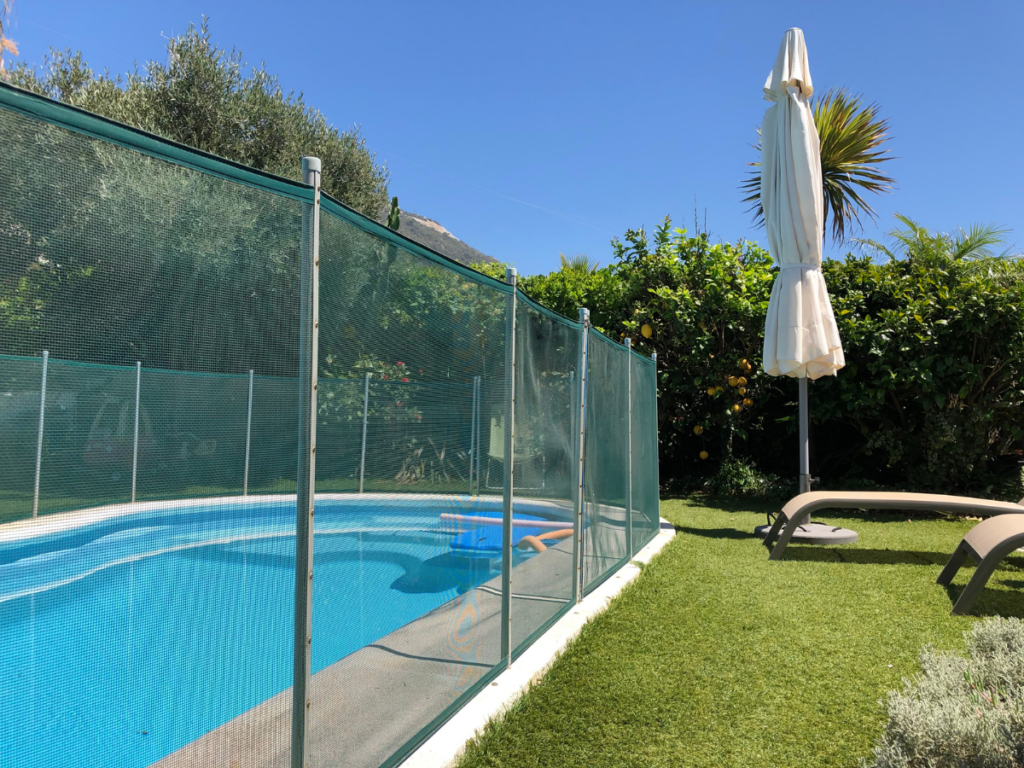
A well-designed pool should be enjoyable for everyone who uses it, but it should also prioritize safety from the very beginning.
Beach entry pools naturally support this goal by providing a gradual transition into the water, yet thoughtful planning and compliance with current safety standards remain essential.
From accessibility guidelines to protective features around the pool, every design decision contributes to creating a safer and more comfortable swimming environment for family members and guests.
How Accessibility Standards Influence Beach Entry Pool Design
Accessibility has become an increasingly important consideration in modern pool design.
For many commercial and public pools, accessibility requirements are guided by standards such as the Americans with Disabilities Act (ADA), which recognizes sloped entries as one of several acceptable methods for providing access to the water.
While residential pools are not typically subject to the same requirements, these guidelines still offer valuable design principles that improve usability for people of all ages and abilities.
The defining feature of beach entry pools is the gradual slope that replaces traditional steps or ladders. When properly designed, this transition allows users to enter the water at their own pace, making the pool more comfortable for children, older adults, and individuals with limited mobility.
Designers also consider factors such as the width of the entry, surface traction, and the transition into deeper water to ensure the entry remains safe and easy to navigate.
In some cases, homeowners may choose to add handrails, transfer walls, or other accessibility features to provide additional support without compromising the pool’s overall appearance.
Safety Features That Help Reduce Risk
Although beach entry pools are often viewed as one of the more accessible pool designs, they still require the same attention to safety as any other swimming pool. Proper planning helps reduce potential hazards while making the space more enjoyable for everyone.
Pool barriers and fencing are among the most important safety features. Secure fencing with self-closing, self-latching gates helps prevent unsupervised access, particularly for households with young children or pets. Many local building codes also require these protective measures as part of the permitting process.
Clear depth markers help swimmers recognize when the pool transitions from the shallow beach entry into deeper water. This is especially helpful for guests who are unfamiliar with the pool’s layout.
Adequate lighting around walkways, entry areas, and inside the pool further improves visibility during evening use and reduces the risk of trips or falls.
Many homeowners also choose textured, slip-resistant finishes for the beach entry itself. Because this area experiences frequent foot traffic and remains wet throughout the day, selecting a surface with good traction provides an additional layer of protection without affecting the natural appearance of the design.
Balancing Safety, Accessibility, and Everyday Enjoyment
The most successful beach entry pools combine practical safety features with thoughtful design rather than treating them as separate priorities.
A gradual shoreline entrance, clearly defined swimming areas, comfortable walking surfaces, and strategically placed lighting all contribute to an environment that feels both inviting and secure.
It’s also important to remember that no design feature replaces responsible supervision and regular maintenance.
Pool equipment should be inspected routinely, safety barriers should remain in good working condition, and water quality should be properly maintained throughout the swimming season. These simple practices help preserve both safety and the long-term performance of the pool.
By incorporating proven safety measures alongside accessible design principles, beach entry pools provide a swimming environment that is welcoming to a wide range of users.
Whether the goal is creating a family-friendly backyard or a luxurious outdoor retreat, careful attention to accessibility and safety helps ensure the pool remains enjoyable, functional, and compliant with applicable building standards for years to come.
Why Homeowners Choose Clearwater Pools Atlanta for Custom Beach Entry Pools
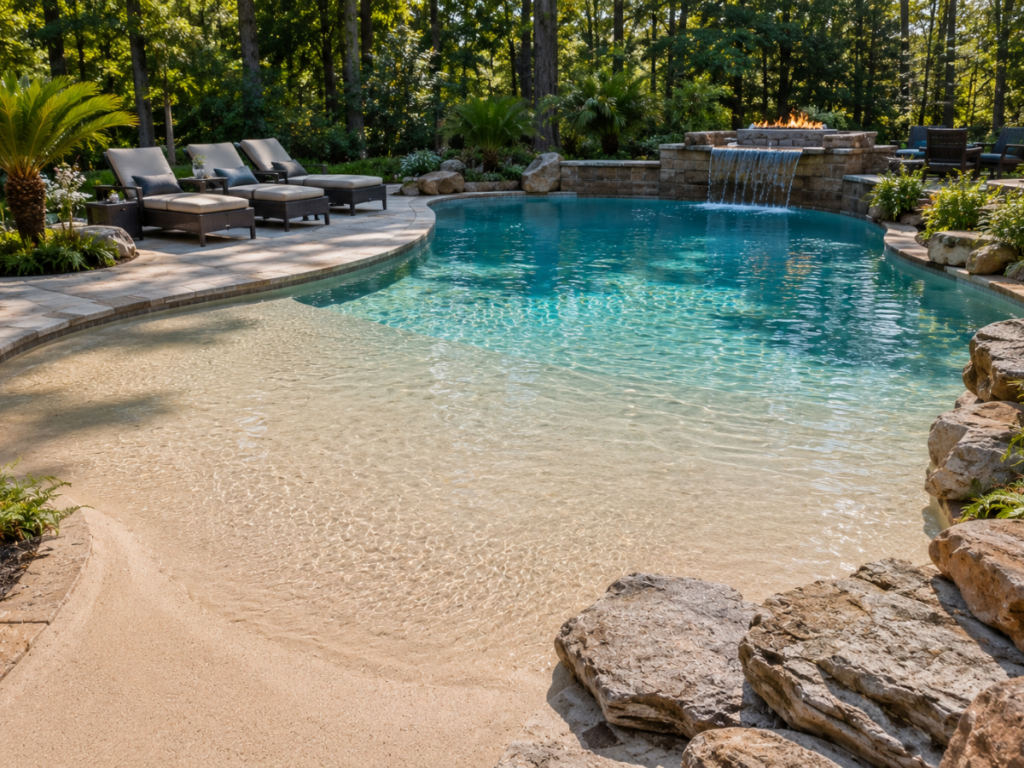
Designing a custom pool is about more than selecting a shape or finish. It requires thoughtful planning, experienced craftsmanship, and a clear understanding of how the pool will be used for years to come.
For homeowners looking to build beach entry pools, working with a builder that specializes in custom design can make the entire process smoother while ensuring the finished pool reflects both the property’s layout and the homeowner’s vision.
Custom Design Solutions for Beach Entry Pools
Clearwater Pools Atlanta specializes in designing and building custom swimming pools, including beach entry pools and other luxury outdoor living features.
Rather than relying on standard templates, the company works with homeowners to create designs that complement the property’s architecture, landscape, and intended use.
Because every backyard presents different opportunities and challenges, customization plays an important role in the design process. Factors such as lot size, terrain, desired amenities, and lifestyle preferences all influence the final layout.
Whether a homeowner wants a family-friendly shallow entry, a resort-inspired retreat, or an elegant entertaining space, a custom approach allows those ideas to be incorporated from the beginning.
This level of personalization also makes it easier to integrate features such as tanning ledges, waterfalls, spas, outdoor kitchens, fire features, and landscaping into a cohesive outdoor environment rather than treating them as separate additions.
Advanced Design Technology Creates Better Results
One of the features that distinguishes Clearwater Pools Atlanta is its use of 3D pool design technology during the planning stage. Instead of relying solely on sketches or construction drawings, homeowners can view a detailed digital representation of the finished project before construction begins.
This visualization process makes it easier to understand how the pool will fit within the existing backyard, how the beach entry will transition into the surrounding landscape, and how additional features will work together.
Homeowners can also request adjustments to the layout, finishes, or design details before construction starts, reducing uncertainty and helping ensure the final design aligns with their expectations.
For custom beach entry pools, this planning stage is especially valuable because the gradual shoreline entrance, surrounding hardscape, and landscaping all need to work together to achieve both the desired appearance and functionality.
A Focus on Craftsmanship and Long-Term Value
Building a custom pool is a significant investment, making construction quality just as important as the initial design. Clearwater Pools Atlanta emphasizes quality craftsmanship throughout each stage of the project, from site preparation and structural construction to finishing details and final installation.
Attention to detail helps ensure that beach entry pools not only deliver the desired visual impact but also provide reliable performance over time.
Proper grading, durable construction materials, and carefully executed finishes all contribute to the longevity of the pool while supporting its safety, accessibility, and ease of maintenance.
By combining personalized design, advanced visualization tools, and experienced construction practices, Clearwater Pools Atlanta helps homeowners create beach entry pools that are both visually impressive and built to support years of outdoor enjoyment.
The result is a custom pool that reflects the homeowner’s goals while adding lasting beauty and value to the property.
Frequently Asked Questions About Beach Entry Pools
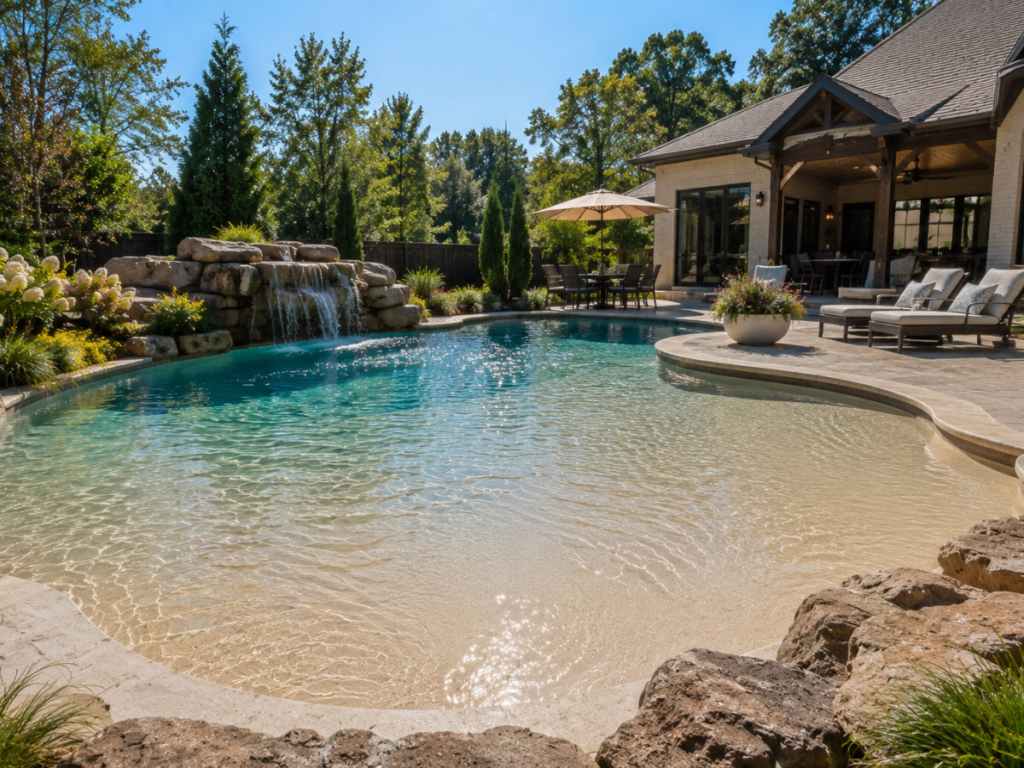
Choosing a new pool is a significant investment, so it’s natural to have questions before deciding on a design.
Beach entry pools stand out because of their gradual shoreline entrance, but many homeowners also want to know how they compare to traditional pools, whether they’re suitable for families, and what kind of maintenance they require. T
he answers below address some of the most common questions to help you determine if this style of pool is the right fit for your home.
What Makes Beach Entry Pools Different From Traditional Pools?
The biggest difference between beach entry pools and traditional swimming pools is the way swimmers enter the water.
Instead of descending a set of steps or climbing down a ladder, beach entry pools feature a gently sloping entrance that begins at deck level and gradually becomes deeper. This creates an experience similar to walking into the ocean from a sandy shoreline.
Beyond accessibility, the design also changes the overall appearance of the pool. The wide, shallow entry creates a more open, natural look that blends easily with surrounding landscaping and outdoor living areas.
Many homeowners choose beach entry pools because they offer a resort-inspired aesthetic while providing additional space for lounging, relaxing, or supervising children.
Although traditional pools remain an excellent option for many properties, beach entry pools appeal to homeowners looking for a combination of visual impact, comfort, and ease of access.
Are Beach Entry Pools a Good Choice for Families?
For many families, beach entry pools offer practical advantages that go beyond appearance. The shallow entry area provides a comfortable place for young children to become familiar with the water under close adult supervision.
Older adults and individuals who find stairs difficult may also appreciate the gradual transition into the pool.
The generous shallow area can serve multiple purposes throughout the day. Children may use it as a play space, while adults often enjoy sitting in a few inches of water to cool off or relax. This flexibility makes the pool useful even for people who are not interested in swimming laps or spending time in deeper water.
However, it’s important to remember that no pool design eliminates the need for proper safety precautions. Continuous adult supervision, secure fencing, self-closing gates, and compliance with local safety regulations remain essential for protecting children and other vulnerable users around any swimming pool.
How Much Maintenance Do Beach Entry Pools Require?
The maintenance requirements for beach entry pools are generally similar to those of traditional pools, although the shallow entry area may require a little extra attention.
Because leaves, dirt, and debris naturally settle in shallow water, regular brushing and vacuuming help keep the gradual entry clean and visually appealing.
Maintaining proper water chemistry is equally important. Routine testing and balancing of chlorine, pH, alkalinity, and other water levels help protect both swimmers and pool surfaces while extending the life of pumps, filters, and other equipment.
Seasonal inspections are also recommended to check pool finishes, lighting, circulation systems, and safety features for signs of wear. Addressing minor issues early can prevent more expensive repairs later and help preserve the pool’s appearance.
With consistent maintenance and thoughtful design, beach entry pools provide years of reliable enjoyment while offering a unique combination of accessibility, comfort, and resort-style appeal.
For homeowners looking to create an inviting outdoor retreat, they remain one of the most versatile and visually distinctive pool designs available today.
Conclusion
A beach entry pool can transform your backyard into a relaxing retreat by combining the look and feel of a luxury resort with the comfort of home.
Its gently sloping entrance offers easy access for swimmers of all ages while creating an inviting space for lounging, entertaining, and enjoying the outdoors. Whether you’re building a new pool or designing a complete outdoor living area, working with experienced professionals can help bring your vision to life.
For custom pool design and expert installation services, choose Clear Water Pools Atlanta. If you’re ready to create your own resort-style backyard, call 770-406-8638 to speak with the team at Clear Water Pools Atlanta or request your pool estimate today.