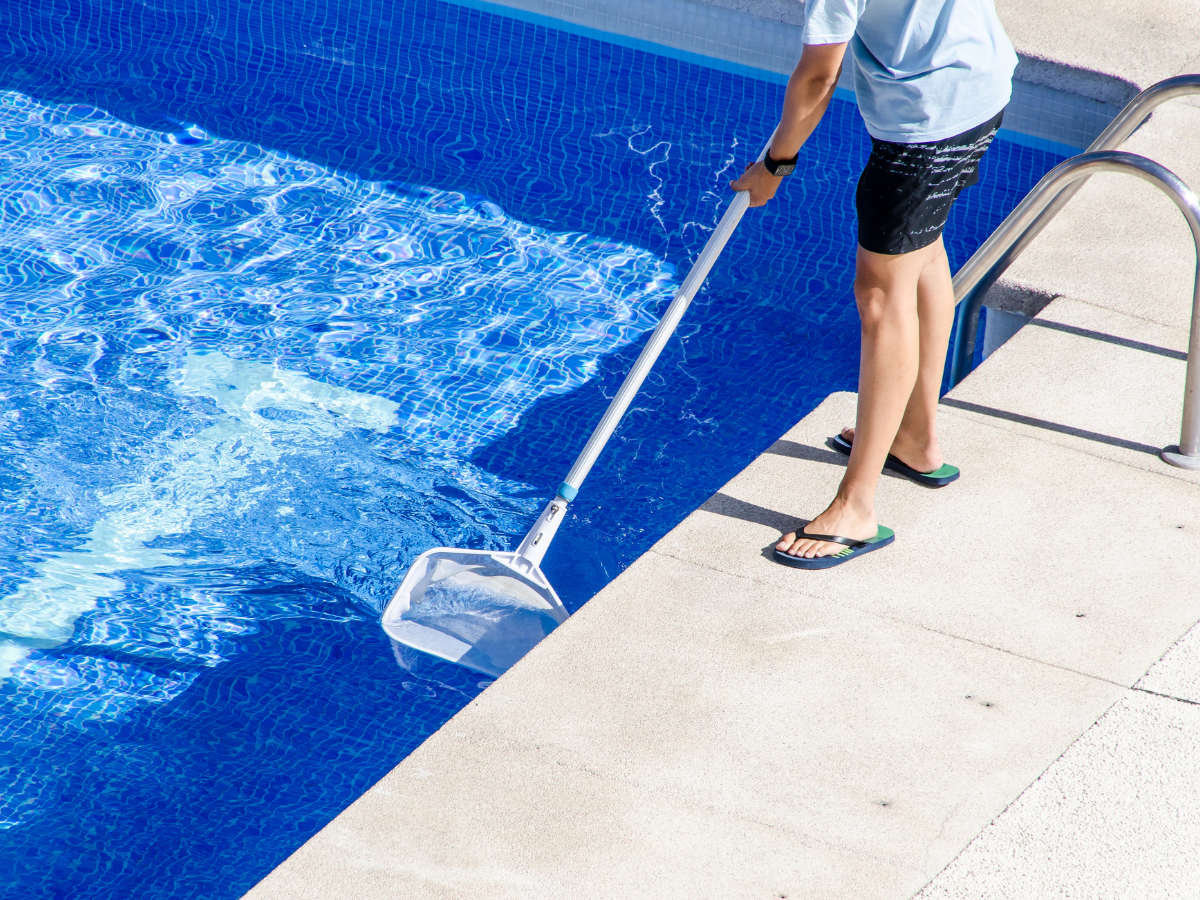
Pool stains can quickly take away from the look of even the clearest water. Whether caused by algae, rust, leaves, or other organic debris, discoloration on pool surfaces often signals an underlying issue that needs more than a quick scrub.
Identifying the source of the stain is the first step toward restoring your pool’s appearance and preventing it from returning. Effective pool stain removal starts with using the right treatment for the specific type of stain.
Algae, metal deposits, and organic matter each require different cleaning methods, and using the wrong approach can waste time or even damage pool surfaces.
Proper water chemistry and routine maintenance also play a key role in long-term stain prevention. This guide explains how to remove common pool stains safely and keep your pool looking clean, bright, and ready to enjoy all season long.
What Causes Pool Stains and How Pool Stain Removal Helps
How to Identify Common Pool Stains Before Choosing a Treatment
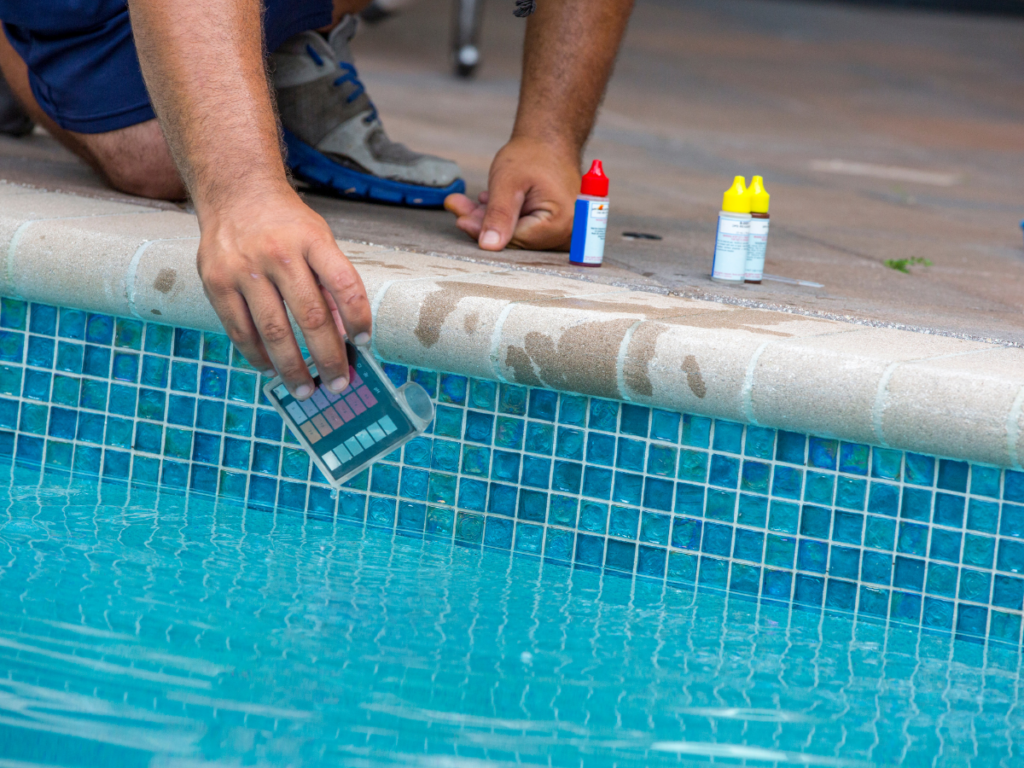
Not all pool stains respond to the same cleaning method. In fact, using the wrong product can waste time, damage pool surfaces, or even make discoloration more difficult to remove. That’s why successful pool stain removal always begins with identifying what’s causing the stain rather than treating every mark the same way.
Most pool stains fall into three categories: organic stains, metal stains, and mineral or scale buildup. Each develops differently, has a distinct appearance, and requires its own cleaning approach. Learning to recognize the difference can help you restore your pool more quickly while avoiding unnecessary chemical treatments.
How to Identify Organic Stains From Leaves, Algae, and Debris
Organic stains are among the most common and are typically caused by leaves, berries, algae, pollen, or other plant material left sitting in the pool. These stains often appear green, brown, reddish-purple, or almost black, depending on the source.
They are most commonly found along the pool floor, in corners where debris collects, or beneath trees that regularly drop leaves into the water. If staining appears shortly after organic matter has been left in the pool, there’s a good chance it’s an organic stain.
In many cases, properly balanced chlorine levels and targeted brushing can gradually lighten these stains. More stubborn discoloration may require a specialized stain remover designed for organic materials.
How to Recognize Rust and Other Metal Stains
Metal stains usually develop when iron, copper, or manganese enter the pool through fill water, corroding equipment, or certain pool chemicals.
Iron stains generally appear as orange, rusty, or brown spots. Copper often leaves blue-green or teal discoloration, while manganese may create dark brown or black staining that resembles algae but won’t brush away easily.
Unlike organic stains, metal stains usually appear smooth rather than slimy and tend to remain even after shocking the pool. If staining returns shortly after cleaning or appears following the addition of well water or metal-containing products, metal contamination is often the underlying cause.
Accurately identifying metal stains is essential because treatments typically involve metal sequestrants or specialized stain removers rather than additional chlorine.
Compare the Most Common Types of Pool Stains
A quick comparison can make identifying stains much easier before beginning pool stain removal.
| Stain Type | Typical Appearance | Common Cause | Recommended First Step |
|---|---|---|---|
| Organic | Green, brown, purple, or black | Leaves, algae, berries, pollen | Brush the area and check chlorine levels |
| Iron | Orange or reddish-brown | Well water, corroding metal | Test for metals and use an iron stain treatment |
| Copper | Blue-green or turquoise | Copper plumbing, algaecides | Check copper levels before treatment |
| Calcium or mineral deposits | White, gray, or chalky | Hard water and high calcium hardness | Remove scale with appropriate descaling products |
Why Correct Identification Matters
One of the biggest mistakes homeowners make during pool stain removal is treating every stain as algae. Adding more chlorine may help with organic discoloration, but it often has little effect on metal stains and can sometimes make them more noticeable by oxidizing dissolved metals.
Before adding chemicals, inspect the stain’s color, texture, and location, then test your pool water for factors such as pH, calcium hardness, and metal content if needed. This simple evaluation can save both time and money by narrowing down the most effective treatment.
Once you know what’s causing the discoloration, you can choose the appropriate cleaning method with confidence.
Whether you’re dealing with leaves, algae, rust, or mineral buildup, identifying the source is the first and most important step toward successful pool stain removal and preventing the same stains from returning.
Which Chemical Treatments Work Best for Different Types of Pool Stains?
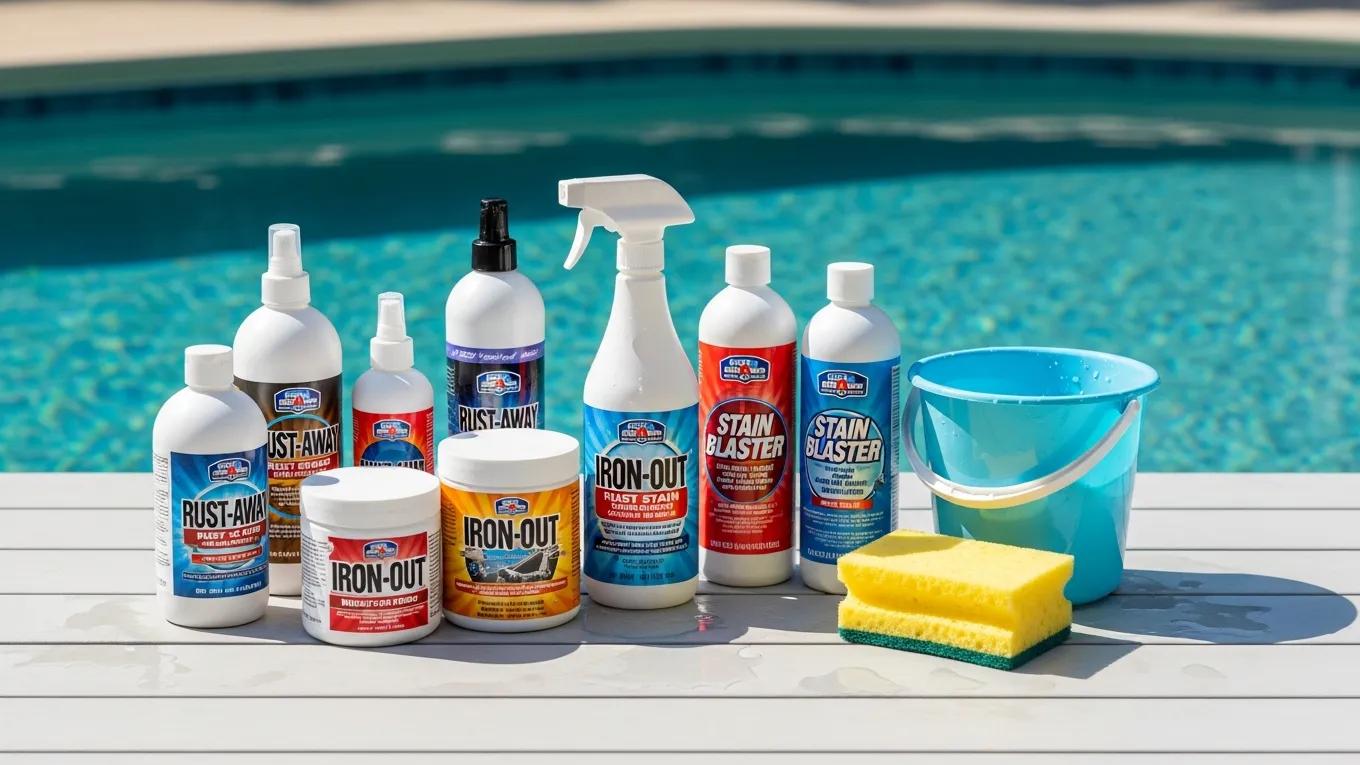
Not every pool stain responds to the same treatment. The most effective approach depends on what’s causing the discoloration.
Organic stains from algae or leaves require different products than stains caused by metals such as iron or copper. Choosing the correct treatment not only produces better results but also helps protect your pool finish from unnecessary chemical exposure.
Before beginning any pool stain removal treatment, test your pool water for pH, chlorine, alkalinity, and metal content. Balanced water chemistry improves the effectiveness of stain removers and reduces the likelihood of new stains developing after cleaning.
Choosing the Right Treatment for Organic Stains
Organic stains are typically caused by algae, leaves, berries, pollen, or other natural debris. These stains usually respond well to oxidation and sanitization rather than aggressive acid-based cleaners.
If algae are present, an algaecide can help eliminate the underlying growth while preventing it from spreading. After the algae have been treated, specialized stain removers formulated for organic stains can help lift any remaining discoloration from the pool surface.
Regular brushing during treatment also improves results by loosening material that has bonded to plaster, fiberglass, or vinyl surfaces. It’s important to remember that simply adding more chlorine isn’t always the answer.
Excessive shocking without identifying the source of the stain can create water balance issues without fully removing the discoloration.
Researchers are also exploring biological alternatives to traditional algaecides. Studies have shown that certain naturally occurring microbial compounds may effectively eliminate harmful algae while having less impact on surrounding aquatic organisms.
Although these technologies are still emerging, they reflect the industry’s growing interest in environmentally conscious pool maintenance.
Removing Metal Stains Safely and Effectively
Rust-colored stains caused by iron require a different strategy than organic staining. Products containing oxalic acid or other metal-specific stain removers work by dissolving iron deposits so they can be filtered or chemically neutralized.
Copper stains, which often appear blue-green or turquoise, typically require specialized metal treatment products rather than general stain removers.
In many cases, adding a metal sequestrant after treatment helps keep dissolved metals suspended in the water, reducing the likelihood that they’ll settle back onto pool surfaces.
If your home uses well water or has elevated metal levels in the water supply, addressing the source of contamination is just as important as removing the visible stains. Otherwise, discoloration is likely to return.
Recent research has also highlighted biodegradable chelating agents as promising alternatives to traditional rust-removal chemicals. These newer compounds are designed to bind with dissolved iron while reducing environmental impact, offering a more sustainable option for future pool maintenance.
Compare Common Pool Stain Treatments
The table below summarizes which chemical treatments are generally most effective for each type of stain.
| Stain Type | Common Cause | Recommended Treatment |
|---|---|---|
| Organic stains | Leaves, algae, berries, pollen | Chlorine, algaecide, organic stain remover |
| Iron stains | Well water, metal corrosion | Oxalic acid stain remover, metal sequestrant |
| Copper stains | Copper plumbing, algaecides | Copper stain treatment, metal sequestrant |
| Calcium scale | Hard water, high calcium hardness | Scale remover or descaling treatment |
Use Chemical Treatments Carefully
Even the best products can cause problems if they’re used incorrectly. Always follow the manufacturer’s instructions, maintain proper water balance throughout the treatment process, and avoid mixing incompatible chemicals.
Some stain removers temporarily affect chlorine levels or water chemistry, making post-treatment testing an important final step.
Successful pool stain removal isn’t about using the strongest chemical available. It’s about matching the treatment to the specific stain.
By identifying whether you’re dealing with algae, organic debris, rust, or dissolved metals, you’ll achieve faster, safer, and longer-lasting results while minimizing unnecessary chemical use.
What Physical Cleaning Methods Remove Pool Stains Without Damaging the Surface?
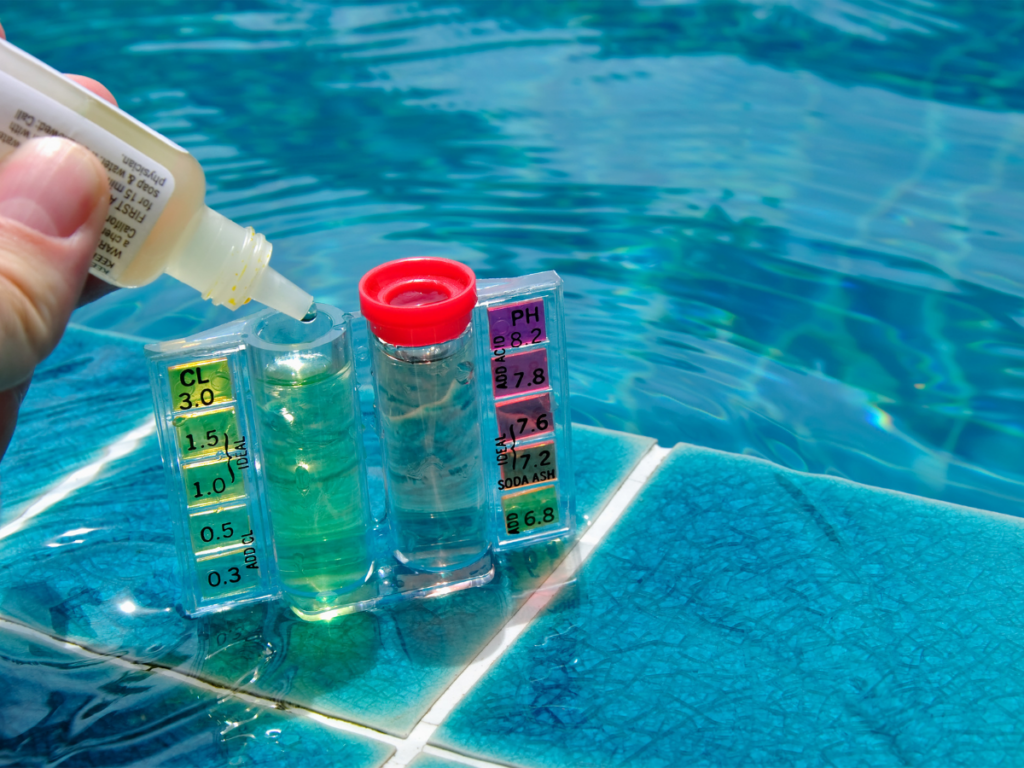
Chemical treatments are often the most effective solution for stubborn discoloration, but they work best when combined with proper physical cleaning.
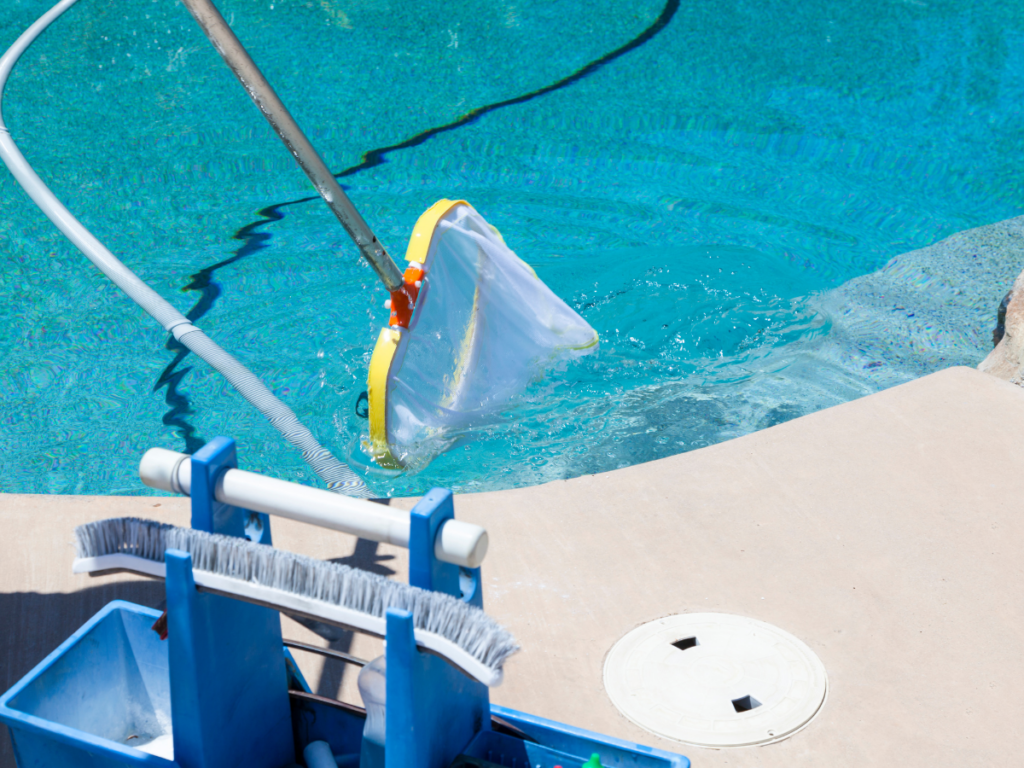
Brushing, vacuuming, and routine debris removal help loosen stains before treatment and prevent new ones from forming. In many cases, consistent maintenance can stop minor staining from becoming a larger problem that requires more aggressive pool stain removal methods.
The key is matching your cleaning tools to your pool surface. Using a brush that’s too abrasive can scratch vinyl liners or fiberglass finishes, while one that’s too soft may not effectively clean plaster or concrete pools.
Choose the Right Brush for Your Pool Surface
Not every pool surface should be cleaned the same way.
Plaster and concrete pools can generally withstand stainless steel or stiff nylon brushes, making them suitable for removing algae buildup and stubborn surface stains. Fiberglass and vinyl-lined pools require softer nylon brushes that clean effectively without scratching or wearing down the finish.
Regardless of surface type, brushing should be done in overlapping strokes, paying extra attention to steps, corners, waterlines, and areas with limited water circulation where stains are most likely to develop.
Regular brushing also improves the effectiveness of chemical treatments by exposing more of the stain to the cleaning solution.
Why Vacuuming Is an Important Part of Pool Stain Removal
Vacuuming removes leaves, dirt, pollen, and other debris before they have time to break down and stain the pool surface. It also prevents fine particles from settling into textured finishes where they can contribute to discoloration over time.
Manual vacuums provide greater precision for targeting heavily stained areas, while robotic and automatic pool cleaners offer convenient routine maintenance. Whichever option you choose, vacuuming at least once a week during swimming season can significantly reduce the buildup that leads to staining.
For pools surrounded by trees or landscaping, more frequent vacuuming may be necessary during periods of heavy leaf or pollen drop.
Combine Physical Cleaning With Water Balance
Physical cleaning alone won’t eliminate every stain, but it creates the conditions for more effective treatment.
Maintaining proper water chemistry helps prevent minerals, algae, and organic debris from bonding to pool surfaces in the first place. After brushing and vacuuming, test your water and adjust pH, chlorine, alkalinity, and calcium hardness if necessary before applying stain-removal products.
This combination of mechanical cleaning and balanced water chemistry typically produces better and longer-lasting results than relying on chemicals alone.
When DIY Cleaning Isn’t Enough
Some stains remain even after repeated brushing and chemical treatment. This usually indicates that the stain has penetrated the surface or that there’s an underlying issue, such as metal contamination, calcium scaling, or deterioration of the pool finish.
Consider consulting a pool professional if you notice:
- Stains that return shortly after treatment.
- Deep discoloration that doesn’t respond to recommended cleaning products.
- Surface roughness, etching, or scaling along with visible stains.
- Cracks, peeling plaster, or damaged finishes trapping dirt and minerals.
A professional inspection can determine whether the problem is simply cosmetic or if resurfacing, acid washing, or specialized stain removal techniques are needed.
Successful pool stain removal isn’t about choosing between chemicals and physical cleaning. The best results come from using both together. Regular brushing and vacuuming prevent stains from becoming established, while appropriate chemical treatments address the underlying cause.
By combining these maintenance habits with balanced water chemistry, you’ll keep your pool cleaner, protect its finish, and reduce the likelihood of stubborn stains returning.
How Can Regular Pool Maintenance Prevent Stains From Returning?
The easiest way to deal with pool stains is to prevent them from forming in the first place. Most stains develop gradually as water chemistry drifts out of balance, debris sits on pool surfaces, or dissolved metals accumulate over time.
A consistent maintenance routine minimizes these problems and significantly reduces the need for extensive pool stain removal later.
Rather than reacting to stains after they appear, focus on keeping your pool environment stable. Routine testing, proper filtration, and regular cleaning work together to stop algae, minerals, and organic matter from bonding to pool surfaces.
Maintain Proper Water Chemistry Year-Round
Balanced water chemistry is one of the most effective defenses against staining. Even a clean-looking pool can develop discoloration if pH, chlorine, or calcium hardness remain outside the recommended range for an extended period.
Test your pool water at least once a week during swimming season and after heavy rainfall, large pool parties, or topping off the pool with fresh water. Pay particular attention to:
- pH, which influences how easily metals precipitate and stains form.
- Chlorine, which helps prevent algae and organic staining.
- Total alkalinity, which stabilizes pH.
- Calcium hardness, which helps reduce scale formation.
- Metal content if your pool is filled with well water or has a history of iron or copper stains.
Balanced water not only improves swimmer comfort but also makes future pool stain removal less likely by preventing many stains from developing in the first place.
Build a Simple Weekly Maintenance Routine
Small maintenance tasks performed consistently are far more effective than occasional deep cleanings.
A typical weekly routine should include brushing the pool walls and steps, vacuuming debris from the floor, emptying skimmer and pump baskets, testing water chemistry, and inspecting equipment for proper circulation.
Removing leaves and other organic debris promptly is especially important because they can release tannins that stain plaster, fiberglass, and vinyl surfaces if left sitting too long.
Monthly, take a closer look at your filtration system, inspect return jets for proper water movement, and check for early signs of scaling or metal discoloration before they become more difficult to remove.
Protect Your Pool From Metals and Organic Debris
Many homeowners focus on chlorine while overlooking two of the biggest contributors to staining: metals and organic matter.
If your home uses well water or has elevated iron or copper levels, consider using a metal sequestrant when adding fresh water to the pool. This helps keep dissolved metals suspended so they’re less likely to settle on pool surfaces.
Likewise, trimming overhanging trees, using a pool cover when the pool isn’t in use, and cleaning out skimmer baskets regularly can dramatically reduce the amount of leaves, pollen, and other debris entering the water.
These preventive steps require very little effort compared with removing stubborn stains after they’ve formed.
Preventive Maintenance Saves Time and Money
Many cases of recurring staining aren’t caused by ineffective cleaners. They’re caused by maintenance issues that were never addressed. A stain may disappear after treatment, but if poor water balance, metal contamination, or debris buildup continues, it will often return.
By combining regular water testing, routine brushing and vacuuming, proper filtration, and seasonal inspections, you create conditions where stains are far less likely to develop.
This proactive approach extends the life of your pool finish, reduces chemical use, and minimizes the need for intensive pool stain removal treatments.
A well-maintained pool doesn’t just look cleaner. It stays cleaner, making routine care easier and helping you spend more time enjoying your pool instead of treating recurring stains.
What Are the Best Products for Effective Pool Stain Removal?

Not all stain removers work the same way. The best product depends on what’s causing the discoloration, whether it’s metals, algae, leaves, or mineral deposits.
Before purchasing a treatment, identify the stain type and confirm that the product is compatible with your pool surface, whether you have plaster, fiberglass, vinyl, or pebble finishes.
For effective pool stain removal, choose products designed for the specific problem rather than relying on an all-purpose cleaner. Metal stain removers typically target iron, copper, and manganese deposits, while enzyme-based or oxidizing products are better suited for organic stains caused by algae, leaves, or berries.
If you’re looking for a more environmentally conscious option, many manufacturers now offer biodegradable formulas that minimize their impact on surrounding landscapes and waterways when used as directed.
When comparing products, consider more than just price. Look for treatments that clearly identify the stains they remove, provide instructions for your pool surface, and have a proven track record of restoring pool finishes without causing discoloration or damage.
How to Apply Pool Stain Treatments Safely and Correctly
Even the most effective stain remover can produce disappointing results if it’s applied incorrectly. Before beginning any pool stain removal treatment, test your pool water and adjust the chemistry if needed.
Many stain removers perform best when pH and chlorine levels fall within a specific range recommended by the manufacturer.
Always read the product label before use, paying close attention to dosage instructions, circulation requirements, and any waiting periods before swimming. Applying too much product rarely speeds up stain removal and may create unnecessary water chemistry issues.
For safe application:
- Wear chemical-resistant gloves and eye protection when handling concentrated products.
- Measure chemicals carefully instead of estimating amounts.
- Add products according to the manufacturer’s directions, never by mixing different chemicals together.
- Keep the pool pump running if continuous circulation is recommended.
- Store chemicals in a cool, dry location away from direct sunlight and moisture.
After treatment, brush the stained area gently if instructed to help loosen remaining deposits, then retest your water chemistry before making additional chemical adjustments.
Choosing the Right Treatment for Long-Term Results
Successful pool stain removal isn’t just about removing visible discoloration. It’s also about preventing the stain from returning. If metal stains are a recurring issue, consider using a metal sequestrant after treatment to keep dissolved metals suspended in the water.
If organic stains are the problem, maintaining proper sanitizer levels and removing debris promptly can help prevent future buildup.
Using the right product for the stain, following application instructions carefully, and maintaining balanced pool water afterward will produce longer-lasting results while protecting your pool finish.
A thoughtful approach not only restores your pool’s appearance but also reduces the need for repeated treatments throughout the swimming season.
How to Remove Pool Stains from Different Pool Surface Materials
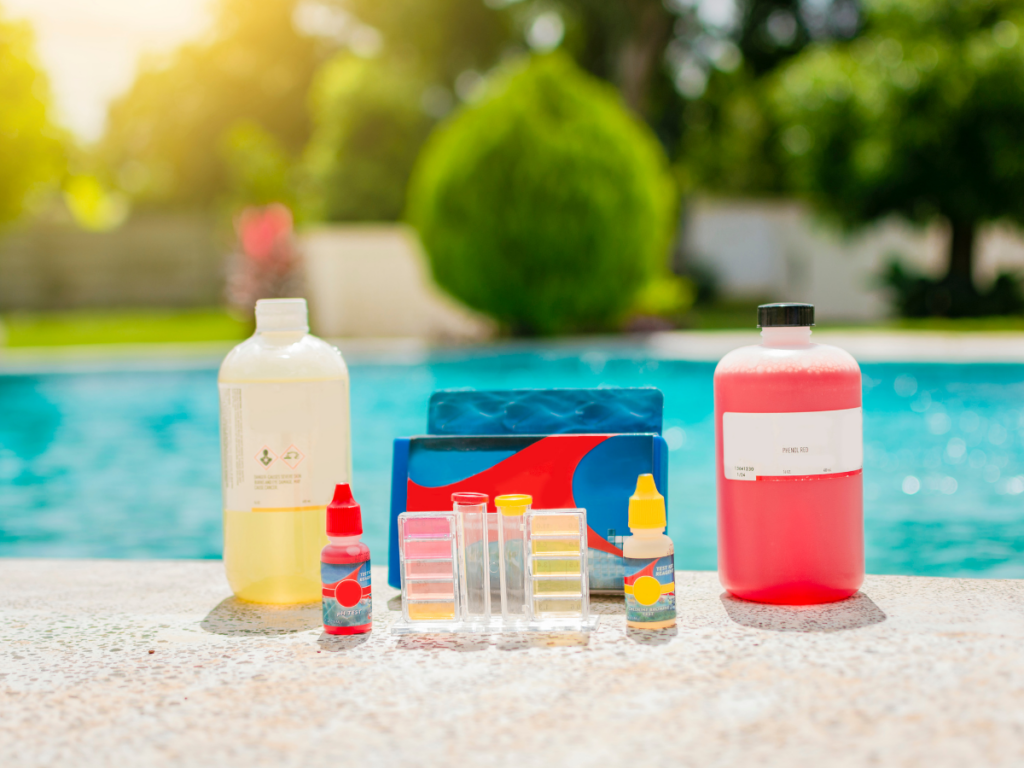
Not all pool surfaces respond the same way to cleaning. Using the wrong tools or chemicals can damage the finish, fade the surface, or even make stains more difficult to remove. For effective pool stain removal, it’s important to match your cleaning method to the material your pool is made from.
Before treating any stain, identify both the stain type and your pool’s surface. A method that works well on plaster may be too abrasive for vinyl or unnecessary for fiberglass. Taking a surface-specific approach helps remove stains safely while preserving the life of your pool.
Best Cleaning Methods for Plaster, Vinyl, and Fiberglass Pools
Plaster, vinyl, and fiberglass each have unique maintenance needs, and choosing the right technique can make stain removal much more effective. Plaster pools are durable but porous, making them more susceptible to algae, calcium scale, and metal stains.
Because stains can penetrate the surface, they often require a combination of stain-removing chemicals and vigorous brushing with a brush designed for plaster finishes. For stubborn mineral stains, localized treatments may be necessary before brushing.
Vinyl liner pools require a gentler touch. Abrasive brushes, pumice stones, or harsh chemicals can scratch or weaken the liner, leading to costly repairs.
Instead, use a soft-bristle brush or pool sponge along with cleaners specifically labeled as safe for vinyl surfaces. Promptly removing leaves and organic debris also helps prevent permanent staining.
Fiberglass pools have a smooth, non-porous finish that naturally resists staining better than plaster. In many cases, light stains can be removed with a soft brush and a non-abrasive cleaner. Avoid steel brushes or highly abrasive products, as they can dull the gel coat and reduce the surface’s protective finish over time.
Why Pool Surface Type Matters for Pool Stain Removal
The effectiveness of any pool stain removal treatment depends largely on how the stain interacts with the pool surface. Porous materials like plaster can absorb minerals and organic matter, making stains more difficult to remove and increasing the need for preventative maintenance.
Smooth surfaces such as fiberglass and vinyl are less likely to absorb contaminants, but they are also more vulnerable to scratches from aggressive cleaning techniques.
Surface type also affects how frequently stains develop. For example:
- Plaster may require more regular brushing to prevent algae from attaching to its textured surface.
- Vinyl benefits from gentle cleaning and careful chemical balance to protect the liner.
- Fiberglass is easier to maintain but still requires balanced water chemistry to prevent metal staining and scale buildup.
Understanding these differences helps you choose the safest cleaning method while reducing unnecessary wear on your pool finish.
Preventing Surface Damage During Stain Removal
No matter what type of pool you own, prevention is easier than restoration. Maintaining balanced water chemistry, removing debris promptly, and brushing your pool regularly can reduce the need for aggressive cleaning later.
When stains do appear, always test a cleaning product on a small, inconspicuous area first and confirm that it’s compatible with your pool surface.
Choosing surface-appropriate tools and treatments not only improves the success of pool stain removal but also extends the lifespan of your pool’s finish, helping it stay cleaner, brighter, and easier to maintain year after year.
What Are the Latest Trends in Pool Stain Removal and Prevention?
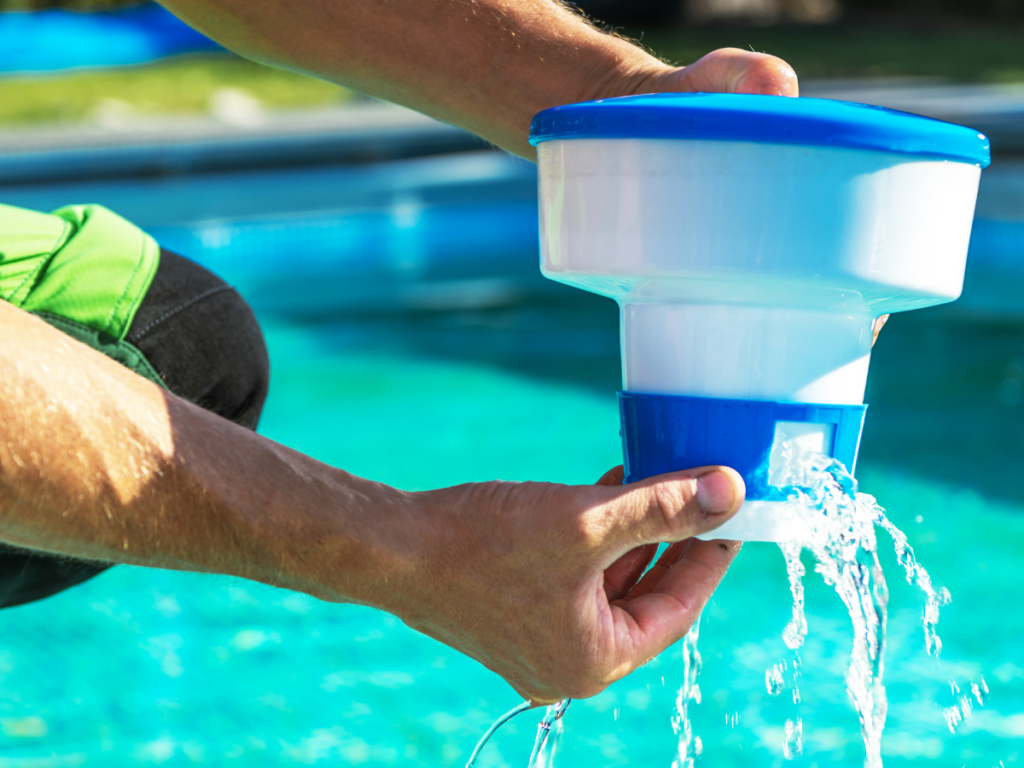
Pool maintenance has become more proactive in recent years. Rather than relying solely on harsh chemicals after stains appear, many homeowners are investing in preventive tools and environmentally conscious products that help keep pool surfaces clean in the first place.
These advances make pool stain removal more efficient while reducing maintenance time and extending the life of pool finishes.
Modern stain prevention focuses on three key areas: improved water chemistry management, smarter cleaning technology, and products that are effective without being unnecessarily aggressive on pool surfaces or the environment.
How Eco-Friendly Products Are Changing Pool Stain Removal
One of the biggest trends in pool stain removal is the growing availability of eco-friendly cleaning products. Many newer formulas use biodegradable ingredients and lower-toxicity compounds that target metal deposits, algae, and organic stains without relying on harsher chemicals traditionally used in pool maintenance.
While these products are designed with sustainability in mind, they still need to be matched to the type of stain you’re treating. An eco-friendly metal stain remover, for example, won’t produce the same results on algae stains as a cleaner formulated specifically for organic buildup.
Homeowners also increasingly look for products that:
- Are biodegradable or phosphate-free
- Are compatible with multiple pool surfaces
- Minimize the impact on surrounding landscaping
- Help maintain balanced water chemistry after treatment
Choosing environmentally responsible products doesn’t mean sacrificing performance. When used correctly, many modern formulations provide excellent stain removal while reducing the amount of chemicals introduced into the pool.
New Technologies That Help Prevent Pool Stains
Technology has also made routine pool maintenance easier. Automated systems can now detect and prevent many of the conditions that lead to staining before visible discoloration develops.
Robotic pool cleaners continuously remove dirt, leaves, and algae from the pool floor and walls, reducing the organic material that often causes stains.
Variable-speed pumps and upgraded filtration systems improve water circulation, helping distribute sanitizers more evenly throughout the pool and reducing areas where contaminants can accumulate.
Smart pool monitoring systems are another growing trend. These devices track water chemistry in real time and alert owners when pH, chlorine, or other levels drift outside the recommended range.
Addressing imbalances early helps prevent scale, metal staining, and algae growth that can require more extensive pool stain removal later.
The Future of Long-Term Pool Surface Care
The biggest shift in modern pool maintenance is moving from reactive cleaning to preventative care. Instead of waiting until stains become visible, many pool owners now combine regular water testing, automated cleaning equipment, and preventative stain-control products to keep surfaces looking their best year-round.
A consistent maintenance routine remains the foundation of long-term pool care, but today’s tools make that routine more effective than ever.
By combining balanced water chemistry, modern cleaning technology, and surface-appropriate products, homeowners can reduce the frequency of pool stain removal while protecting plaster, vinyl, and fiberglass finishes from unnecessary wear.
Frequently Asked Questions About Pool Stain Removal
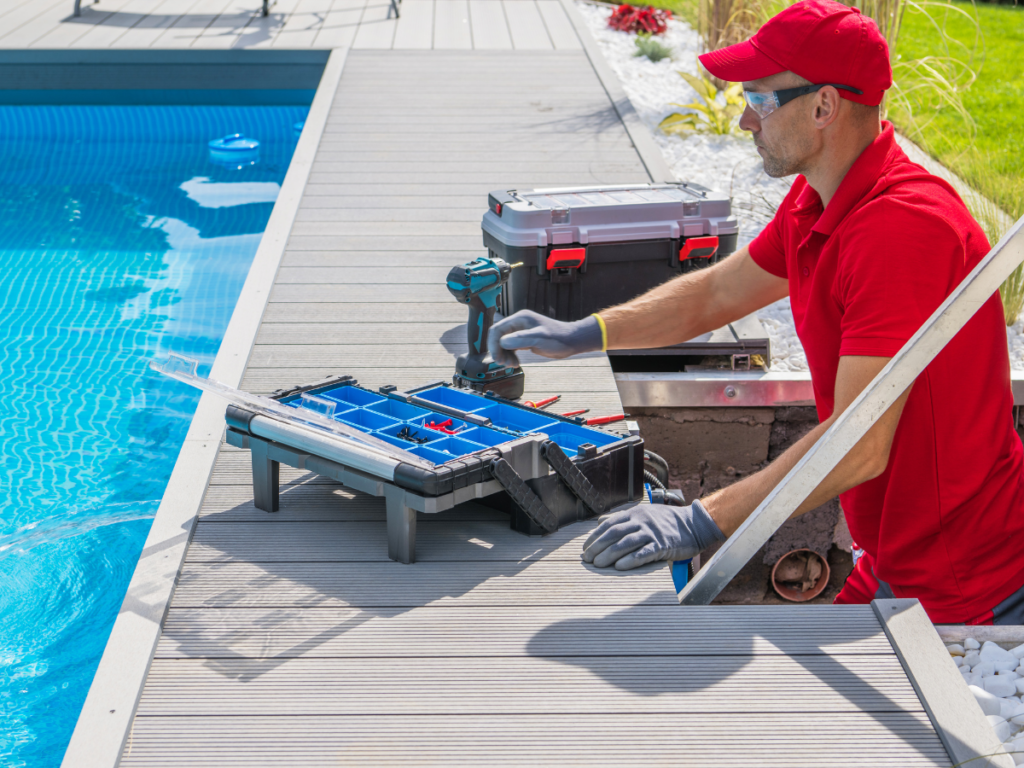
Pool stains are one of the most common maintenance issues homeowners face, but they’re also one of the easiest to prevent when you understand what causes them.
Below are answers to some of the questions people ask most often about pool stain removal, along with practical tips to help keep your pool looking its best.
How Do I Remove Algae Stains Quickly and Safely?
The first step is to confirm that the stain is actually caused by algae. Algae stains are typically green, yellow, or black and often feel slippery to the touch. Once identified, brush the affected area thoroughly to loosen the buildup before treating the pool with an algaecide or shock treatment recommended for your pool type.
After treatment, continue running the filtration system and brush the stained area again to remove any remaining residue. If the stain doesn’t improve after algae treatment, it may actually be a metal or mineral stain that requires a different pool stain removal product.
To prevent algae from returning:
- Maintain proper chlorine and pH levels.
- Run the filtration system daily.
- Brush pool walls and steps regularly.
- Remove leaves and other organic debris promptly.
Consistent maintenance is often more effective than repeated chemical treatments.
Can Pool Stains Be Prevented?
In many cases, yes. Most stains develop gradually because of imbalanced water chemistry, metal contamination, algae growth, or organic debris left in the pool for extended periods. A routine maintenance schedule dramatically reduces the chances of stains becoming established.
Preventative pool stain removal practices include testing your water weekly, maintaining proper sanitizer levels, brushing pool surfaces regularly, and keeping baskets, filters, and skimmers free of debris. If your water supply contains iron or other metals, using a metal sequestrant can also help prevent future staining.
How Can I Tell What Type of Pool Stain I Have?
Identifying the stain is one of the most important parts of successful pool stain removal. Organic stains caused by leaves, algae, or berries are often green, brown, or black, while metal stains from iron or copper typically appear reddish-brown, blue-green, or dark gray.
A simple vitamin C tablet test can sometimes help identify metal stains. If rubbing a vitamin C tablet on the stain lightens it, iron is often the culprit. If chlorine causes the stain to fade instead, it’s more likely organic. Correct identification helps you choose the right treatment and avoid wasting time with ineffective products.
When Should I Call a Professional?
Most minor stains can be treated with routine cleaning and the appropriate chemicals, but professional assistance may be worthwhile if stains repeatedly return, cover large areas, or remain after multiple treatment attempts.
Persistent staining can sometimes indicate underlying issues such as deteriorating pool finishes, excessive metal contamination, or water chemistry problems that require specialized testing.
Professional pool technicians can identify the root cause of recurring stains and recommend treatments that restore your pool without damaging the surface.
What’s the Best Long-Term Strategy for Pool Stain Removal?
The most effective approach combines prevention with prompt action. Removing small stains early is far easier than treating stains that have been allowed to penetrate the pool surface over time.
Regular brushing, balanced water chemistry, proper filtration, and routine inspections all work together to minimize the need for extensive pool stain removal and help keep your pool clean, attractive, and ready to enjoy throughout the swimming season.
Conclusion
Removing pool stains promptly is essential for maintaining a clean, attractive swimming environment and protecting your pool’s surface from long-term damage.
Whether you’re dealing with algae, rust, or organic stains, using the right cleaning methods and staying on top of routine maintenance can help keep your pool looking its best throughout the season.
For more stubborn stains or ongoing pool care, working with experienced professionals can save time and deliver lasting results.
For trusted pool services and expert craftsmanship, choose Clear Water Pools Atlanta. If you’re ready to restore your pool or start planning a new backyard oasis, call 770-406-8638 to speak with the team at Clear Water Pools Atlanta or request your pool estimate today.