
The first warm days of the year are exciting, but before you dive in, your pool needs more than just the cover removed. Months of inactivity can leave behind debris, water chemistry imbalances, and equipment issues that need attention before the season begins.
A proper opening sets the stage for cleaner water, safer swimming, and fewer maintenance headaches later. Opening pool season successfully starts with a clear startup plan.
From inspecting equipment and cleaning surfaces to balancing water chemistry and checking circulation systems, each step helps ensure your pool is ready for regular use.
With the right preparation, you can start the summer with crystal-clear water, reliable equipment, and a pool that’s ready for relaxing, entertaining, and enjoying the season ahead.
Opening Pool Season the Right Way This Summer
What Are the Essential Steps for Pool Cover Removal?
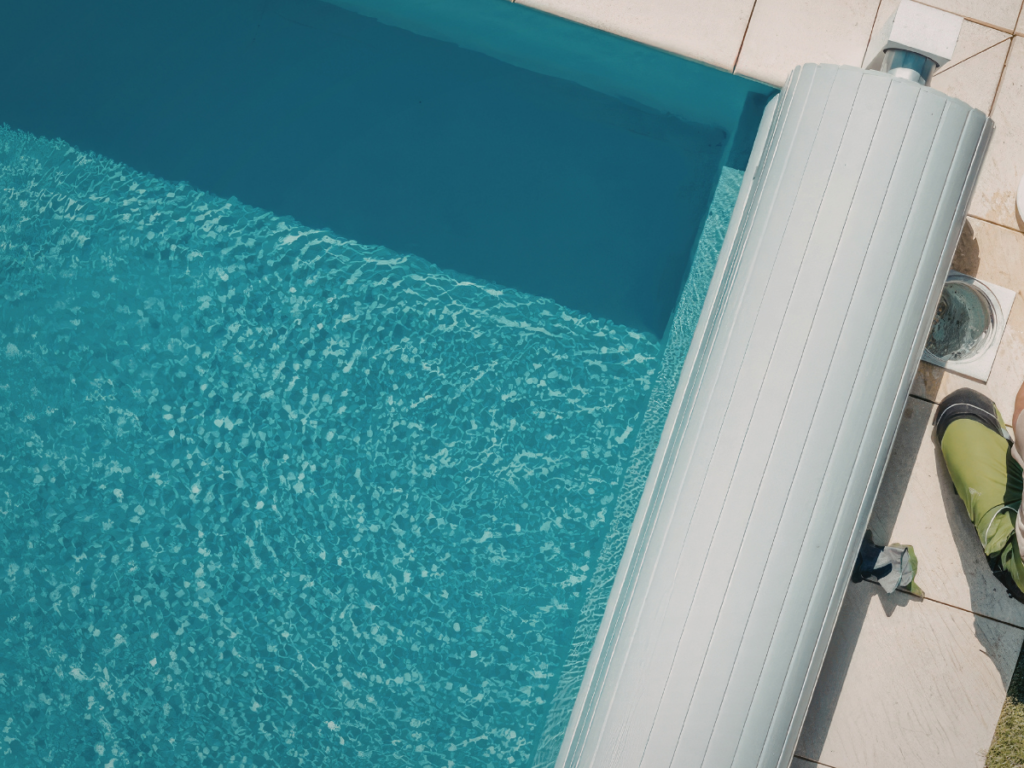
When it comes to opening pool season, removing the pool cover is one of the first tasks that sets everything else in motion. A careful approach helps keep debris out of the water, protects the cover from damage, and makes the rest of the pool-opening process much easier.
Taking a little extra time during this step can save hours of cleaning and maintenance later.
How Do You Safely Remove And Store Your Pool Cover?
Before removing the cover, take a few minutes to inspect its condition. Look for tears, worn areas, or signs of damage that may need repair before the next season.
It’s also important to remove any leaves, branches, standing water, or dirt that accumulated over the winter. If debris is left on the cover during removal, it can easily end up in the pool and create additional cleanup work.
Once the surface is clear, begin lifting the cover carefully from the edges. Work slowly and, if possible, have another person help with larger covers.
This reduces strain on the material and makes it easier to keep debris from falling into the water. Folding the cover gradually as you remove it can also help keep the process organized.
After the cover is off, rinse it thoroughly to remove dirt, algae, and any remaining debris. Allow it to dry completely before storing it. Putting away a damp cover can encourage mold and mildew growth, which may shorten its lifespan and create unpleasant odors by the time the next pool season arrives.
For homeowners focused on opening pool season the right way, proper cover storage is just as important as proper removal. Store the cover in a cool, dry location away from direct sunlight, pests, and excessive moisture. Using a storage bag or container can provide additional protection during the off-season.
What Are Common Pool Cover Removal Tips To Prevent Damage?
Many pool covers are damaged not during winter use but during removal and storage. One of the most common mistakes is pulling the cover too quickly or dragging it across rough surfaces. This can create tears, weaken seams, and reduce the cover’s overall durability.
Lifting from multiple points rather than pulling from a single corner helps distribute weight more evenly across the material. This is especially important if the cover is still holding moisture or small amounts of debris. Taking a few extra moments to remove excess water before lifting can also reduce unnecessary stress on the cover.
While inspecting the cover, pay attention to straps, anchors, and attachment points if you have a safety cover. These components should be checked for wear and replaced if needed. Identifying small problems now can prevent larger issues when it’s time to close the pool again.
Why Proper Cover Removal Matters During Pool Opening
Many homeowners view cover removal as a simple task, but it plays a significant role in the overall opening pool process. A clean, carefully removed cover helps keep contaminants out of the water, reducing the amount of vacuuming, chemical balancing, and filtration needed afterward.
It also provides an opportunity to assess the condition of pool equipment and accessories before the swimming season begins. By inspecting and storing the cover correctly, you protect an investment that is designed to last for many years.
Starting with a clean cover removal process creates a smoother transition into the next stages of pool preparation, including water testing, equipment inspection, and system startup.
With a little planning and care, homeowners can make opening pool season more efficient while helping both the pool and its equipment stay in better condition over the long term.
How to Inspect and Prepare Pool Equipment for Summer Startup
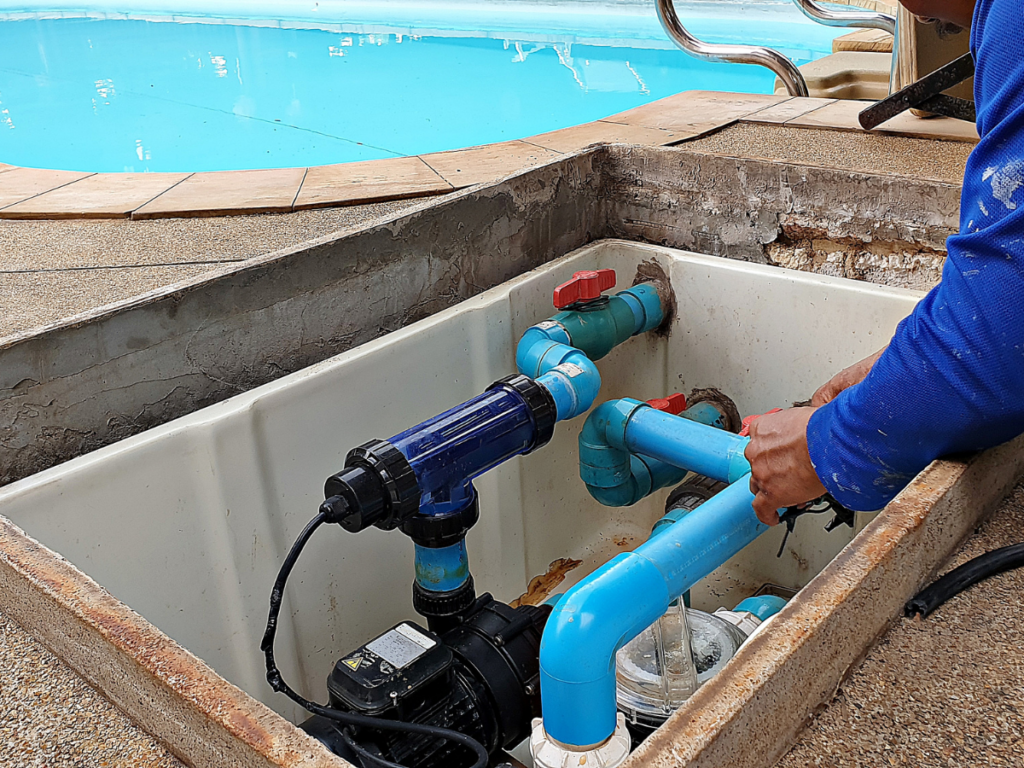
Once the pool cover has been removed, the next step in opening pool season is making sure all equipment is ready to operate safely and efficiently.
Your pump, filter, heater, and electrical components work together to keep the water clean and comfortable, so inspecting them before startup can help prevent unexpected breakdowns during the busiest months of the year.
A thorough equipment check also gives you the chance to identify minor issues before they become expensive repairs. Taking the time to inspect each component can make the entire opening pool process smoother and help ensure your system performs at its best throughout the season.
Inspecting Pumps, Filters, And Circulation Equipment
The pool pump is often considered the heart of the circulation system, so it deserves close attention during startup. Begin by checking for visible cracks, worn seals, or signs of leaks around the pump housing. Make sure the pump basket is clean and free of debris that may have accumulated during the off-season.
Next, inspect the filter. Whether you have a cartridge, sand, or DE filter, it should be cleaned according to the manufacturer’s recommendations before the system is started. Dirty filters restrict water flow, reduce efficiency, and can place additional strain on the pump.
Pay attention to hoses, valves, and fittings as well. Loose connections or damaged O-rings can lead to leaks that affect overall system performance. Replacing worn components early can help avoid interruptions once the pool is in regular use.
Evaluating Heaters And Other Pool Features
If your pool includes a heater, spring startup is a good time to inspect it carefully. Look for signs of corrosion, rust, or debris buildup around the unit. Ensure that vents and air passages are clear and that the heater has not been damaged during winter weather.
Additional features such as waterfalls, fountains, automatic chlorinators, and cleaning systems should also be checked before use. Testing these features during the opening pool process allows you to confirm they are functioning properly before peak swimming season begins.
Many pool owners overlook these secondary systems until a problem develops. A proactive inspection can help ensure everything operates as intended from the start.
Checking Lighting And Electrical Components
Pool lighting and electrical systems are essential for both convenience and safety. Inspect all visible wiring, electrical connections, and fixtures for signs of wear or damage. If you notice exposed wiring, corrosion, or loose connections, it’s best to have the issue evaluated by a qualified professional before using the equipment.
Turn on pool lights to confirm they are functioning correctly and check any timers, automation systems, or control panels that manage pool operations. Catching electrical issues early can help prevent larger safety concerns later in the season.
How Do You Troubleshoot Common Pool Pump And Filter Issues?
Even after a careful inspection, some equipment problems may become apparent once the system is running. One of the most common warning signs is unusual noise coming from the pump. Grinding, rattling, or screeching sounds may indicate worn bearings, trapped debris, or air entering the system.
Leaks are another issue to watch for. Water pooling around the pump, filter, or plumbing connections often signals a failing seal or loose fitting that should be addressed promptly.
If you notice weak water circulation, start by checking the filter and skimmer baskets for blockages. Dirty filters, clogged lines, or partially closed valves can all reduce water flow and place unnecessary stress on the system.
Why Equipment Preparation Matters
Successful opening pool season involves more than cleaning the water. The condition of your equipment directly affects water quality, energy efficiency, and the overall swimming experience. Pumps, filters, heaters, and electrical systems all play a role in keeping the pool safe and enjoyable.
By inspecting and preparing these components before regular use, homeowners can reduce the risk of unexpected repairs, improve system performance, and start the season with confidence.
A thorough equipment check is one of the most important steps in opening pool season and helps set the foundation for a trouble-free summer.
What Is The Best Way To Balance Pool Water Chemistry After Winter?
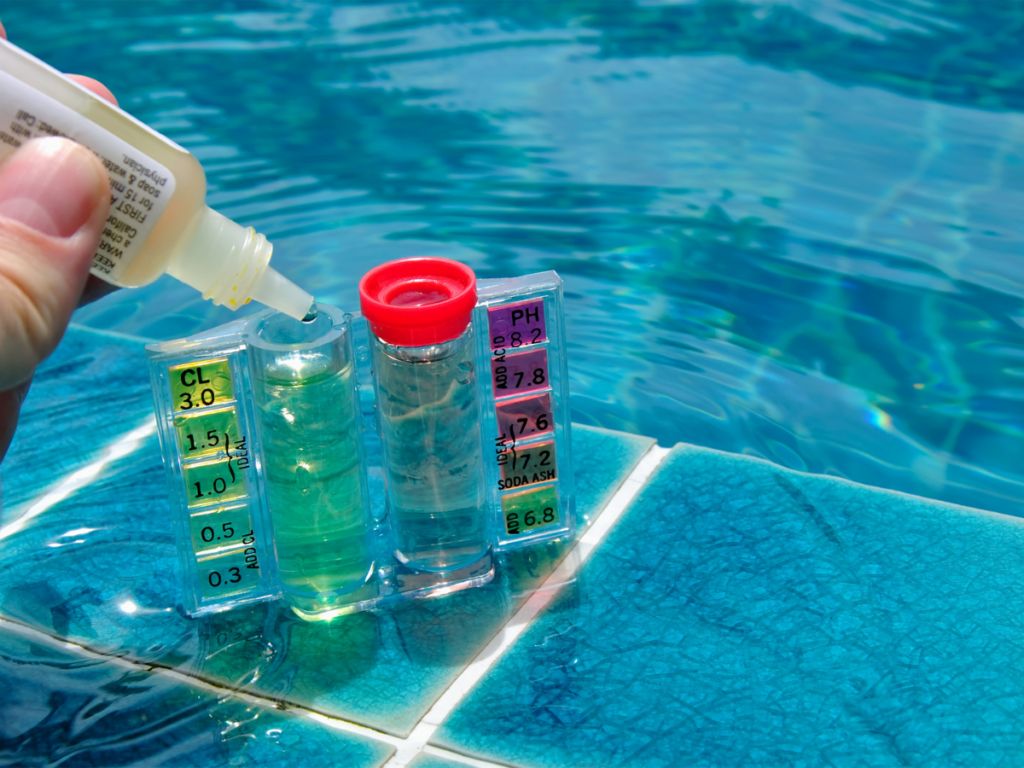
After months of sitting unused, pool water often requires more than a quick cleaning before it’s ready for swimmers. One of the most important steps in opening pool season is restoring proper water chemistry.
Balanced water not only keeps swimmers safe and comfortable but also protects your pool equipment and surfaces from unnecessary wear.
Winter conditions can affect everything from pH levels to sanitizer effectiveness. Testing and adjusting the water early helps prevent common issues such as algae growth, cloudy water, and equipment damage.
By taking a systematic approach, homeowners can create clean, clear water that stays easier to maintain throughout the season.
Which Pool Opening Chemicals Are Needed For Effective Water Treatment?
Several key chemicals are commonly used during the opening pool process to bring water back into balance. Chlorine is typically the first priority because it sanitizes the water and eliminates bacteria, contaminants, and organic matter that may have accumulated during the off-season.
Many pool owners also use an algaecide as part of their spring startup routine. Even if algae is not immediately visible, preventive treatment can help stop growth before it becomes a larger problem. This is especially useful if the water sat stagnant during colder months.
pH-balancing chemicals are another important part of water treatment. Water that is too acidic can damage pool surfaces and equipment, while water that is too alkaline can lead to scaling and reduced sanitizer effectiveness.
Alkalinity adjusters and calcium hardness products may also be needed, depending on the condition of the water. The exact combination of chemicals will vary from pool to pool, which is why testing should always come before making adjustments.
How Do You Test And Adjust Chemical Levels For Safe Swimming?
Testing provides a clear picture of the water’s condition and helps determine which corrections are necessary. Most homeowners use test strips or liquid test kits to measure chlorine, pH, total alkalinity, and other important water chemistry levels.
Once results are available, adjustments can be made gradually. Adding chemicals in stages is generally more effective than making large corrections all at once.
For example, if pH levels are outside the recommended range, adjust them first before focusing on sanitizer levels. Balanced pH allows chlorine to work more efficiently and helps prevent irritation to swimmers.
After adding chemicals, allow the pool circulation system to run for several hours to distribute them evenly throughout the water. Retesting afterward confirms whether additional adjustments are needed.
During the opening pool process, patience is important. Water chemistry can take time to stabilize, especially if significant corrections are required after winter.
Why Water Balance Matters Beyond Swimming Comfort
Many homeowners focus primarily on water clarity, but clear water does not always mean balanced water. Proper chemistry protects more than just swimmers. It also helps extend the lifespan of pumps, filters, heaters, liners, and other pool components.
Water that is out of balance can lead to corrosion, staining, scale buildup, and increased maintenance costs. Consistently balanced chemistry reduces stress on the entire system and helps equipment operate more efficiently.
Balanced water also makes routine maintenance easier. When sanitizer levels, pH, and alkalinity are within their recommended ranges, pools are generally less susceptible to algae outbreaks and cloudy water conditions that require additional treatment.
Creating A Strong Start For The Swimming Season
Successfully opening pool season involves more than removing the cover and turning on the equipment. Water chemistry serves as the foundation for a clean, safe, and enjoyable swimming environment throughout the warmer months.
By testing the water carefully, using the appropriate pool opening chemicals, and making adjustments based on actual results, homeowners can avoid many common springtime pool problems.
A well-balanced pool not only looks better but also requires less corrective maintenance as the season progresses, making it easier to enjoy every day spent in the water.
How To Clean Your Pool Thoroughly After Winter
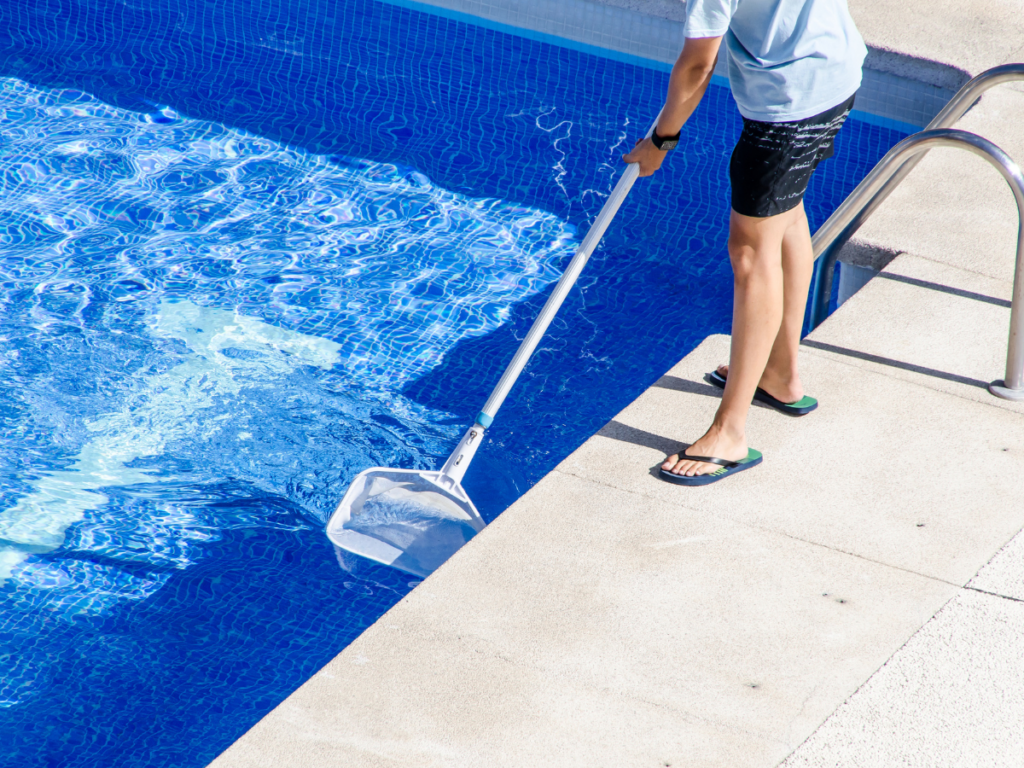
Once the cover is off, the equipment is running, and the water chemistry has been addressed, it’s time to focus on cleaning. A thorough cleaning is one of the most important parts of opening pool season because it removes the debris, algae, and buildup that can accumulate during the colder months.
Starting with a clean pool not only improves appearance but also helps the filtration system work more efficiently throughout the summer.
Rather than rushing through the process, it’s worth taking a systematic approach. Cleaning the water, surfaces, and circulation areas thoroughly at the start of the season can prevent many common maintenance issues later.
What Are Effective Pool Vacuuming And Algae Prevention Techniques?
Even if a pool is properly covered during winter, dirt and organic debris often find their way into the water. Leaves, pollen, and fine sediment can settle on the bottom of the pool, creating conditions that encourage algae growth.
Vacuuming is one of the most effective ways to remove this buildup. Whether you use a manual vacuum or an automatic cleaner, focus on covering the entire pool floor rather than just the visibly dirty areas. Fine debris can be difficult to see but still contributes to cloudy water and poor water quality.
Brushing the pool walls is equally important. Algae often begins growing on surfaces before it becomes visible in the water. Scrubbing walls, steps, corners, and tile lines helps remove algae spores and other contaminants before they have a chance to spread.
Many pool owners also include a preventative algaecide treatment as part of the opening pool process. When used alongside balanced water chemistry and proper circulation, algaecide can help reduce the likelihood of algae outbreaks during the early weeks of the swimming season.
Why Surface Cleaning Matters
Pool surfaces require attention even when the water appears relatively clear. Dirt, oils, minerals, and organic material can accumulate on walls and waterlines over time, creating stains or providing a foothold for algae growth.
Brushing surfaces regularly during spring startup helps loosen these deposits so they can be filtered out or vacuumed away. Areas with limited circulation, such as steps, ladders, corners, and behind pool features, deserve special attention because debris tends to collect there more easily.
This stage of opening pool season is not just about appearance. Clean surfaces contribute to better water quality and reduce the amount of chemical treatment required to keep the pool balanced.
How Do You Remove Debris And Maintain Pool Surfaces?
Skimming remains one of the simplest and most effective maintenance habits. Removing floating leaves, insects, and debris before they sink prevents additional strain on the filtration system and helps maintain water clarity.
After vacuuming and brushing, inspect the skimmer baskets and pump baskets for accumulated debris. Emptying these baskets allows water to circulate more effectively and improves filtration performance.
It’s also a good time to check the pool’s water level. Water that is too low can affect circulation and place unnecessary stress on the pump. Maintaining the proper water level ensures the system can operate efficiently as cleaning continues.
Creating A Clean Foundation For Summer
Cleaning is often the most visible part of opening pool season, but it also serves an important functional purpose. Removing debris, preventing algae growth, and maintaining clean surfaces create the conditions needed for healthy water throughout the summer.
A well-cleaned pool is easier to balance chemically, easier to maintain, and more enjoyable to use. By vacuuming thoroughly, brushing surfaces consistently, and staying ahead of debris accumulation, homeowners can reduce future maintenance demands and keep their pool looking its best.
When combined with proper equipment inspections and balanced water chemistry, a thorough cleaning helps complete the opening pool process and prepares the pool for a safe, successful swimming season.
What Safety And Compliance Checks Are Necessary Before Opening Your Pool?
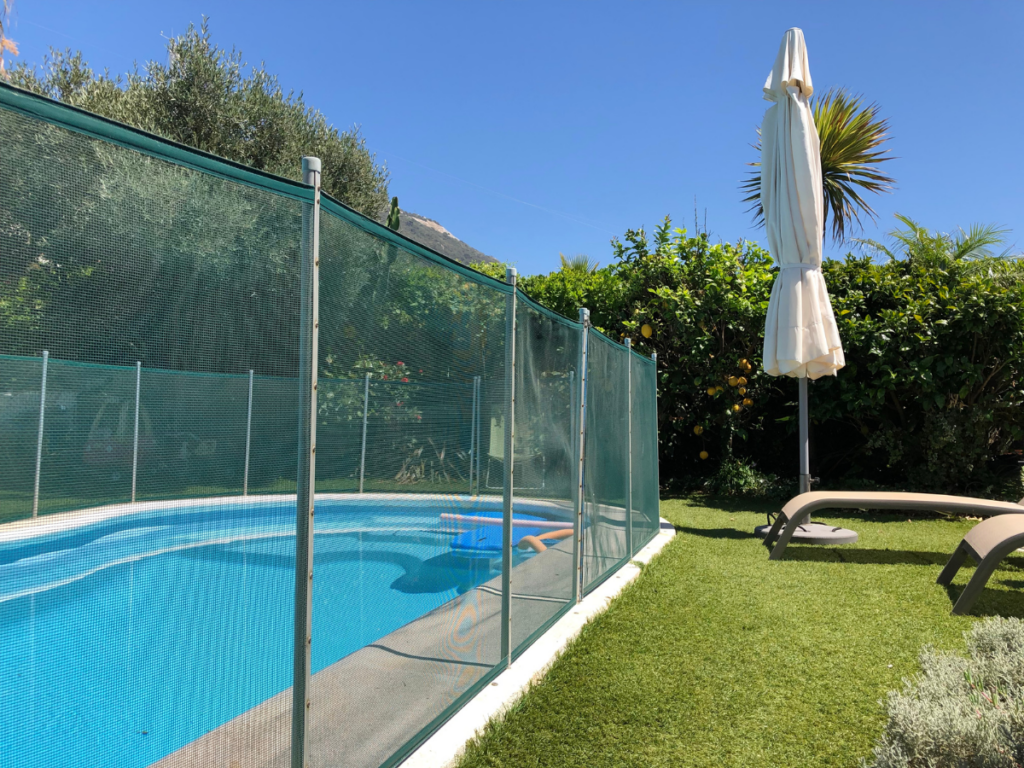
Before anyone jumps in for the season, take time to complete a few important safety and compliance checks. These steps help reduce accidents, ensure equipment is functioning properly, and confirm that your pool meets local safety requirements.
A thorough inspection is one of the final and most important parts of opening pool season.
How Do You Ensure Pool Equipment Meets Safety Standards?
Start by checking all safety-related equipment around the pool. Make sure life rings, reaching poles, and first aid kits are available, easily accessible, and in good condition. Replace any damaged or expired items.
- Inspect safety equipment: Verify that life rings, rescue poles, first aid kits, and other emergency items are present, accessible, and in good condition.
- Review local regulations: Check fencing, gates, signage, drain covers, and other requirements that apply in your area before opening pool season.
- Prepare for emergencies: Post emergency contact information, keep a phone nearby, and make sure everyone knows basic pool safety procedures.
Review Local Pool Regulations
Pool safety requirements vary by location, so it’s important to check the rules that apply in your area. This may include fencing standards, gate latches, warning signage, and drain cover requirements.
If you’ve made changes to the pool or surrounding deck during the off-season, confirm that those updates still comply with local codes before opening pool season.
Emergency Preparedness
Every pool area should have a clear plan for emergencies. Keep emergency contact information posted in a visible location, and make sure family members know basic pool safety procedures. Having a charged phone nearby during swim times can also help if assistance is needed quickly.
Inspect Barriers And Surrounding Areas
Check fences, gates, and self-closing latches to ensure they work properly. Walk around the pool area and look for tripping hazards, loose decking, damaged handrails, or slippery surfaces that may have developed during the winter months. These issues are often easier to address before the pool is in regular use.
Why These Checks Matter
Opening pool season isn’t just about clear water and running equipment. Safety inspections help protect swimmers, reduce liability concerns, and create a more enjoyable environment for everyone using the pool. Taking the time to complete these checks before the season begins helps ensure that your pool is ready for safe and confident use throughout the summer.
What Are Key Safety Tips For Pool Use After Opening?
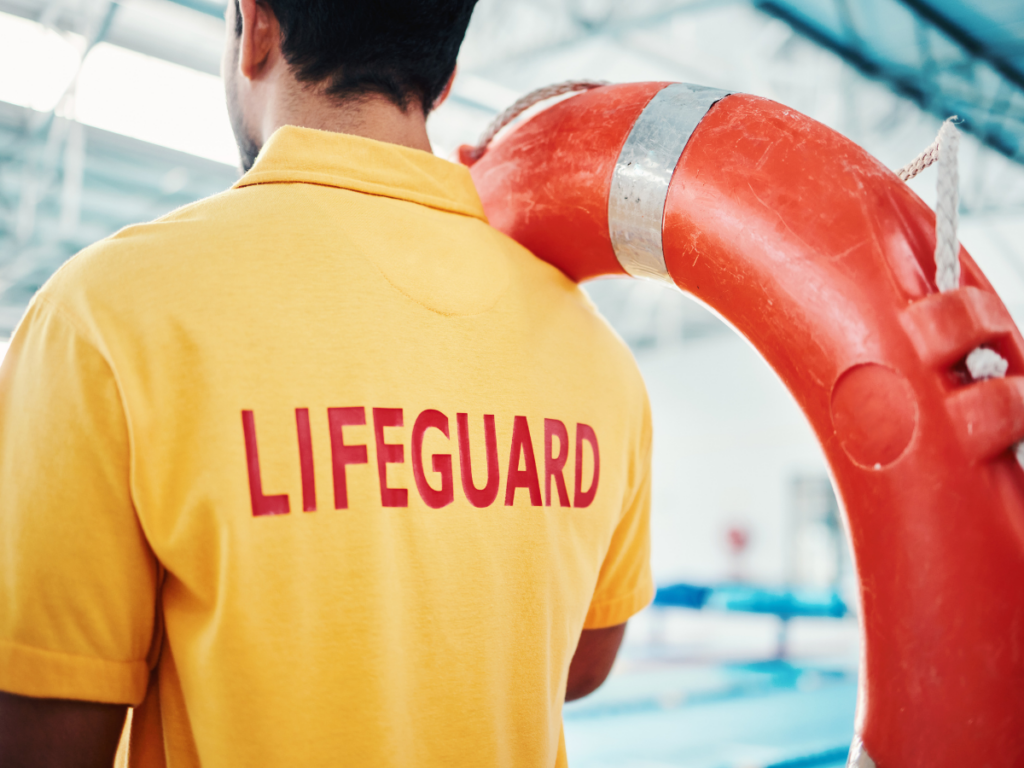
Successfully opening pool season is only the beginning. Once the water is clear, the equipment is running properly, and the pool is ready for use, ongoing safety should remain a top priority. Establishing good habits from the start helps reduce risks and creates a more enjoyable environment for everyone who uses the pool.
Many pool accidents can be prevented through supervision, proper equipment, and clear expectations. Taking a proactive approach to safety helps ensure that family members and guests can enjoy the pool confidently throughout the swimming season.
Why Active Supervision Matters
One of the most important pool safety practices is consistent supervision. Children should never be left unattended near the water, even for a short period of time. Accidents can happen quickly and often occur when adults assume someone else is watching.
Designating a responsible adult as the primary supervisor during swim time helps eliminate confusion. This person should remain focused on the pool area rather than being distracted by phones, conversations, or other activities.
Supervision remains essential regardless of a swimmer’s age or skill level. Even experienced swimmers can encounter unexpected situations that require immediate assistance.
Keep Safety Equipment Within Reach
Safety equipment should be easy to access whenever the pool is in use. Items such as life rings, rescue poles, and first aid kits should be stored in visible locations near the pool rather than tucked away in storage areas.
Before opening pool season, inspect all safety equipment to ensure it remains in good condition. Replace damaged items and restock any supplies that may be missing from your first aid kit.
Having the proper equipment available can make a significant difference during an emergency. It’s also a good idea to keep a phone nearby in case emergency services need to be contacted quickly.
Establish Clear Pool Rules
Setting clear expectations helps create a safer environment for swimmers of all ages. Pool rules should be communicated early and enforced consistently.
Common rules may include walking instead of running around the pool, avoiding rough play in the water, and following designated diving guidelines if applicable. For families with young children, additional rules about entering the pool area without adult supervision can provide another layer of protection.
The goal is not to limit fun but to establish boundaries that help everyone enjoy the pool safely.
Maintain Safe Water Conditions
Safety extends beyond supervision and equipment. Water quality plays a critical role in protecting swimmers. Continue monitoring chlorine, pH, and other chemical levels regularly after opening pool season to ensure the water remains clean and balanced.
Cloudy water can reduce visibility and make it difficult to spot swimmers beneath the surface. If water clarity begins to decline, address the issue promptly before allowing further use.
Routine maintenance, including skimming debris, cleaning filters, and testing water chemistry, helps support both safety and overall pool enjoyment.
Inspect The Pool Area Regularly
The surrounding pool deck deserves attention as well. Wet surfaces, damaged decking, loose handrails, or worn ladders can all create safety hazards. Conduct periodic inspections throughout the season and address any issues as soon as they are identified.
Keeping walkways clear of toys, furniture, and other obstacles can also reduce the risk of slips, trips, and falls around the pool.
Creating A Safe Swimming Environment
Opening pool season is an exciting time, but maintaining a safe environment requires ongoing attention. Consistent supervision, accessible safety equipment, clear rules, and regular maintenance all contribute to a more secure swimming experience.
By making safety part of your routine from day one, you can help protect family members and guests while ensuring the pool remains a fun and welcoming place throughout the summer.
How Can You Incorporate Eco-Friendly And Smart Pool Technologies In Your Startup?
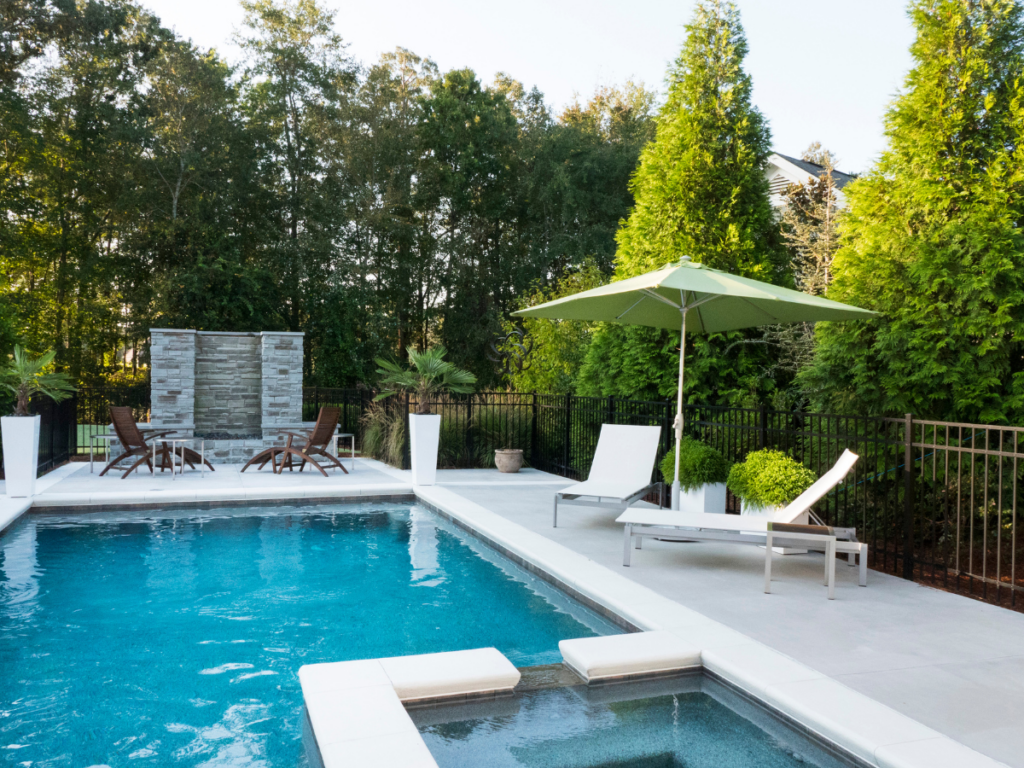
Modern pool ownership is no longer just about keeping the water clean. Many homeowners are looking for ways to make their pools more efficient, easier to manage, and less demanding on the environment.
As part of the opening pool process, it’s worth considering upgrades that can reduce energy consumption, simplify maintenance, and improve the overall swimming experience.
Eco-friendly products and smart technologies have become increasingly accessible, making it easier than ever to maintain a pool responsibly without sacrificing performance or convenience.
What Are Sustainable Pool Chemicals And Their Benefits?
Traditional pool chemicals remain effective, but many homeowners are exploring alternatives that can help reduce their environmental impact. Sustainable pool products are designed to support water quality while minimizing the amount of harsh chemicals introduced into the pool.
Some options focus on reducing overall sanitizer demand by improving water circulation or enhancing filtration efficiency. Others use mineral-based systems or supplemental sanitizing technologies that help maintain cleaner water with fewer chemical additions.
One of the primary advantages of eco-friendly pool treatments is their potential to create a more comfortable swimming environment. Water that requires fewer chemical adjustments may be gentler on swimmers’ skin, eyes, and hair.
While these products do not eliminate the need for proper water chemistry management, they can often complement a balanced maintenance routine.
For homeowners focused on opening pool season with long-term sustainability in mind, exploring environmentally conscious treatment options can be a worthwhile investment.
How Energy-Efficient Equipment Supports Pool Maintenance
Sustainability extends beyond chemicals. Energy-efficient equipment can significantly reduce the resources needed to operate a pool throughout the season.
Variable-speed pumps are a popular example. Unlike traditional single-speed pumps that operate at full power all the time, variable-speed models can adjust their output based on the pool’s needs. This often results in lower energy consumption and reduced operating costs.
Energy-efficient heaters, LED lighting systems, and improved filtration equipment can also contribute to a more environmentally responsible pool setup. While these upgrades may require an initial investment, many homeowners find that lower utility costs help offset those expenses over time.
How Does Smart Pool Automation Simplify Seasonal Startup?
One of the biggest advancements in recent years has been the growth of smart pool technology. These systems allow homeowners to monitor and manage various aspects of pool operation from a smartphone, tablet, or control panel.
During the opening pool process, smart automation can simplify several routine tasks. Automated controllers can manage pump schedules, filtration cycles, and even certain aspects of water treatment.
Instead of manually adjusting settings every day, homeowners can create schedules that keep the pool running efficiently with minimal effort. Many systems also provide notifications when maintenance may be needed, helping owners stay ahead of potential issues before they become larger problems.
The Benefits Of Remote Monitoring
Remote monitoring is particularly valuable for busy homeowners or those who travel frequently. Smart systems can provide real-time updates on water temperature, equipment performance, and operational status. Some advanced models even monitor water chemistry and alert users when adjustments may be necessary.
This level of visibility makes it easier to maintain consistent pool conditions throughout the season. Rather than discovering a problem after it has already affected water quality, homeowners can respond quickly when alerts are received.
Combining Convenience With Sustainability
The best pool technologies often combine environmental benefits with greater convenience. Energy-efficient equipment reduces utility costs, while automation systems reduce the time spent managing routine maintenance tasks. Together, these upgrades can make pool ownership simpler and more cost-effective.
As part of opening pool season, evaluating available smart and eco-friendly solutions can help homeowners create a pool that is easier to maintain, more efficient to operate, and better aligned with long-term sustainability goals.
By investing in the right technologies, it’s possible to enjoy a cleaner, more convenient swimming experience throughout the entire season.
Where Can You Find Professional Pool Startup Services And Support?
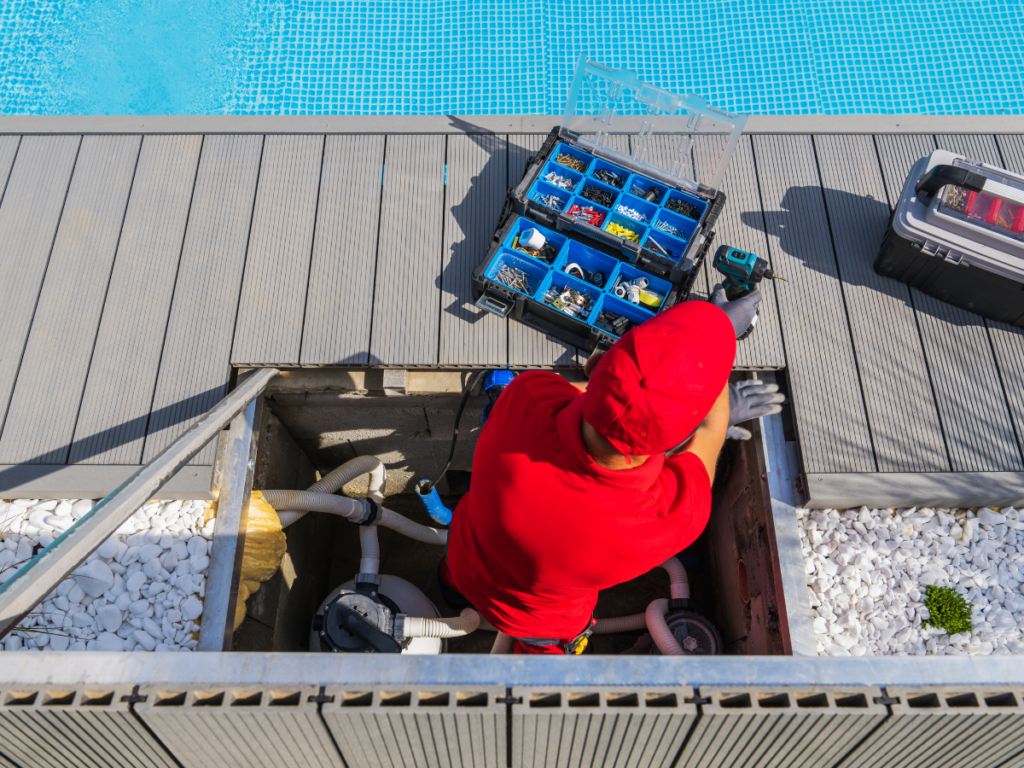
While many homeowners handle opening pool tasks themselves, hiring a professional can save time and help avoid common mistakes.
A professional pool startup service can ensure that every part of the process, from equipment inspection to water balancing, is completed correctly, allowing you to begin the swimming season with confidence.
Whether you’re dealing with a large pool, complex equipment, or simply want a hassle-free experience, professional support can make seasonal startup much smoother.
What Services Do Pool Professionals Offer For Seasonal Startup?
Pool service companies typically provide a comprehensive startup process designed to get your pool ready for safe and enjoyable use. Their services often begin with removing and storing the pool cover, followed by a detailed inspection of the pool structure and surrounding equipment.
Professionals will usually clean debris from the water, inspect pumps, filters, heaters, and circulation systems, and verify that everything is operating properly before the season begins. This early inspection can help identify worn parts or potential problems before they lead to costly repairs.
Water chemistry is another important part of the service. Technicians test and adjust chemical levels, ensuring the water is balanced and safe for swimmers. Proper chemical balancing during the opening pool process helps prevent issues such as algae growth, cloudy water, and equipment corrosion later in the season.
Many providers also offer ongoing maintenance plans, making it easier to keep the pool in excellent condition throughout the summer.
How Professional Equipment Inspections Prevent Problems
One of the biggest advantages of hiring a pool professional is their ability to spot issues that may not be obvious to homeowners. Equipment that sits unused throughout the winter can develop leaks, cracked seals, clogged lines, or electrical problems.
A trained technician knows what to look for and can often identify small concerns before they become major repairs. Catching these issues early can help extend the life of your pool equipment and reduce unexpected maintenance costs during peak swimming season.
How To Choose A Reliable Pool Startup Service Provider Near You
Not all pool service companies offer the same level of expertise, so it’s worth taking the time to evaluate your options carefully.
Experience is often one of the best indicators of quality. Companies with a long history of servicing pools in your area are typically familiar with local climate conditions and common maintenance challenges.
Online reviews and customer testimonials can also provide valuable insight into a company’s reliability, professionalism, and responsiveness. Consistently positive feedback often reflects a strong commitment to customer satisfaction.
Why Cost Transparency Matters
When comparing providers, clear pricing should be a priority. Reputable companies are upfront about what is included in their startup packages and explain any additional charges before work begins.
A detailed estimate helps homeowners understand exactly what services they are paying for, whether that includes cleaning, equipment inspections, chemical treatments, or repairs. Transparent pricing reduces surprises and makes it easier to compare service options.
The Importance Of Customer Service And Ongoing Support
Pool ownership often involves questions and occasional maintenance needs throughout the season. Choosing a provider known for strong customer service can make a significant difference when issues arise.
A responsive company can provide guidance, schedule follow-up visits when necessary, and help ensure your pool continues operating efficiently long after the initial startup is complete. This ongoing support can be especially valuable for new pool owners who may be unfamiliar with maintenance requirements.
Making Opening Pool Season Easier
Opening pool season involves much more than removing a cover and adding chemicals. It requires careful inspection, cleaning, testing, and preparation to ensure everything functions properly. For homeowners who want added peace of mind, professional startup services offer a convenient and reliable solution.
By choosing an experienced provider with transparent pricing, strong customer reviews, and comprehensive service offerings, you can simplify the startup process and focus on enjoying a clean, safe, and well-maintained pool throughout the season.
Conclusion
Opening your pool for the summer is the perfect opportunity to ensure everything is clean, safe, and ready for months of enjoyment.
From balancing water chemistry and inspecting equipment to addressing maintenance issues before they become larger problems, a proper pool startup can help protect your investment and create a better swimming experience all season long.
Whether you need professional pool services or are considering a new pool installation, working with experienced experts can make the process simple and stress-free.
For trusted pool solutions and exceptional customer service, choose Clear Water Pools Atlanta. Ready to enhance your backyard with a beautiful new pool? Call 770-406-8638 or request a pool estimate today.